On August 8, 1967, five leaders gathered to discuss urgent political issues and promote regional stability. Held in Bangkok, the talks gave birth to one of the most important pillars in contemporary international relations: ASEAN, abbreviation for Association of Southeast Asian Nations.
As years went by, one country has shown up as ASEAN's “natural leader” – as quoted by scholar Dewi Fortuna Anwar – Indonesia. Amongst the other nine member states, Indonesia has initiated summits and basic principles, laying the very groundwork of the organization.
Today, the Secretariat stands proudly in Kebayoran Baru, South Jakarta – with its own MRT station – and Jakarta remains the nerve center of the organization. However, one word comes to mind: why?
ASEAN's Early History
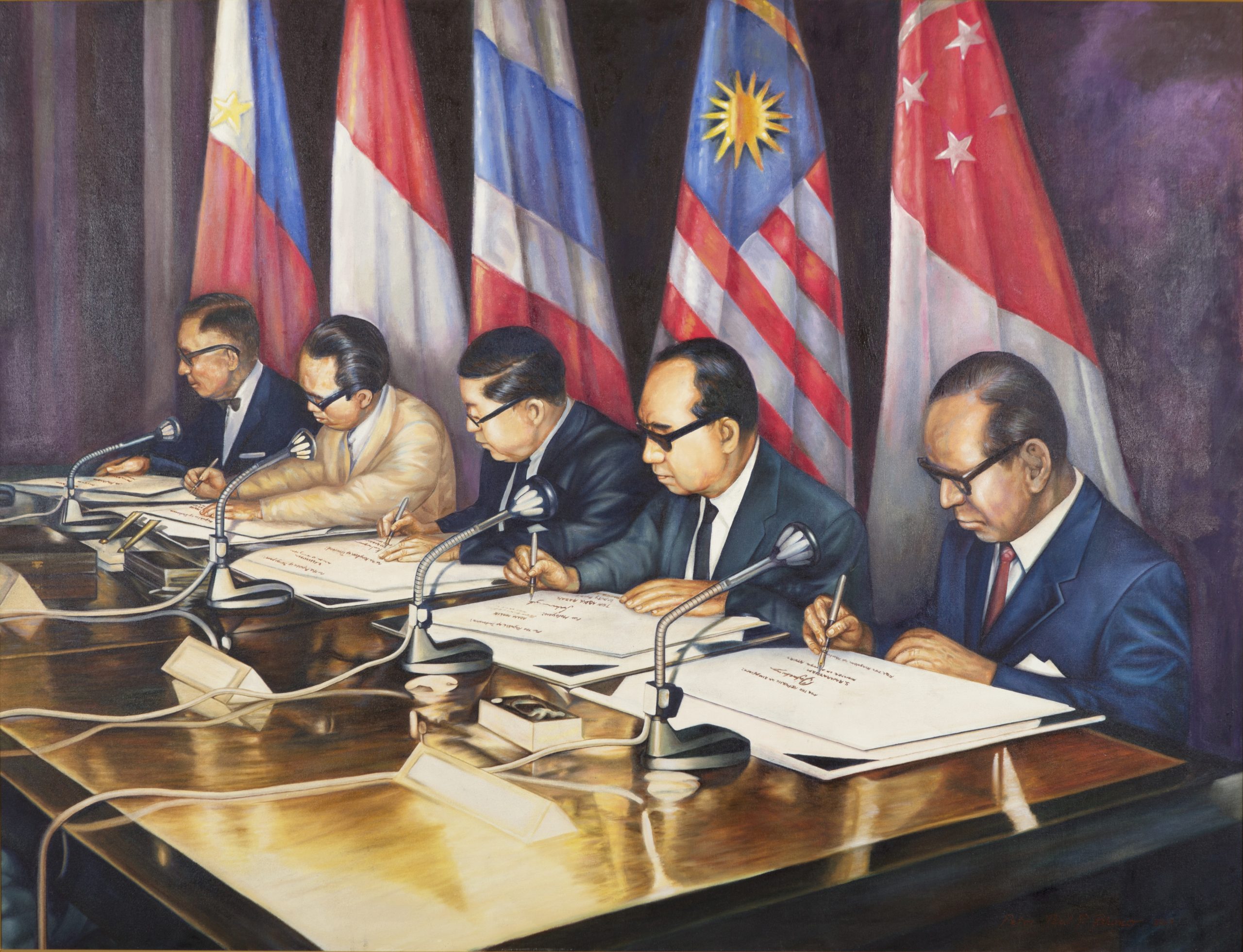
Between the 1950–1970s, Southeast Asia was ridden with communist insurgencies and ongoing interstate conflicts, such as the Confrontation between Indonesia and Malaysia, Singapore's separation from Malaysia, and the war between Vietnam and Cambodia. Southeast Asian countries were also still in the midst of post-independence nation-building and economic underdevelopment.
Thailand saw the presence of a regional organization as crucial to tackle these sources of instability. Furthermore, the Cold War was raging, separating the world into two political blocs. For Southeast Asia’s developing nations, this was an especially vulnerable time as a power vacuum may cause great powers to step in for political gain and ideological domination.
As the only country in Southeast Asia to have never been colonized, Thailand was aware of this. Southeast Asian nations needed a place to come together and strengthen themselves against the great powers.
Thailand, ASEAN's Real Mastermind
The opportunity came when tensions between Malaysia and the Philippines rose because of the territorial fight over Sabah. This caused ASA (Association of Southeast Asia), ASEAN's predecessor with 3 members – Malaysia, Philippines, and Thailand – to disintegrate.
Due to its political neutrality regarding the Sabah dispute, Thailand took on a conciliatory role. Thailand proposed the idea of a new organization which included the three ASA countries, plus Indonesia and Singapore.
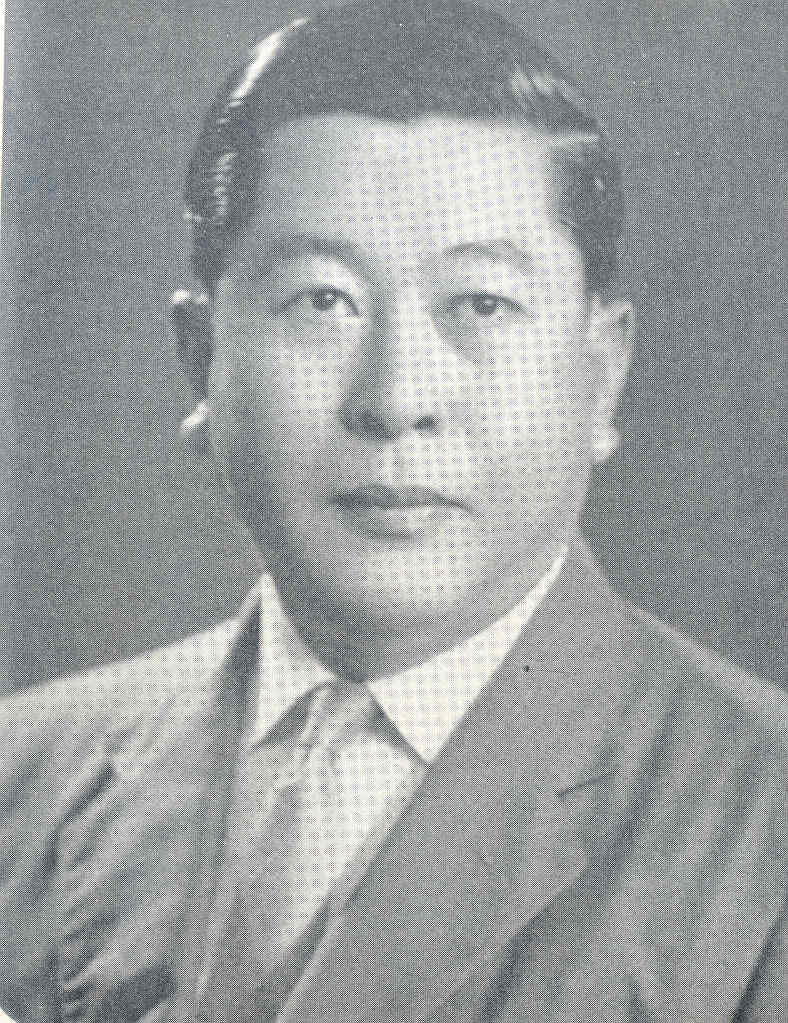
The mastermind behind the whole process was Thanat Khoman, who then served as the foreign minister of Thailand. In his article, which was re-posted in ASEAN's official website, Khoman wrote that he “felt it a duty” to deal with the instability occurring in the region. Prevalent statesmen, such as former Prime Minister Pridi Banomyong, also supported him, voicing the importance of cooperation within Southeast Asia.
Thailand's foreign office began drafting a declaration for the new organization. Leaders from the five soon-to-be member states were invited to Bang Saen and later Bangkok to approve of the final draft, giving birth to ASEAN.
Indonesia, Thailand's Ally from the Start
If it was indeed Thailand that proposed the idea of ASEAN in the first place, why is the organization's capital in Indonesia?
Right after ASEAN was born, Thailand started experiencing a series of military coups until 1976. Khoman was basically “kicked out” of his cabinet, and ASEAN's leadership shifted to Adam Malik, then foreign minister of Indonesia, Khoman's ally since day one.
In his article, Khoman admitted that the first person he spoke to about his idea was Malik because Indonesia was the largest country in Southeast Asia. It was even Malik who suggested the name ASEAN, earning him the lighthearted nickname of “master in coining acronyms” from Khoman.
In Thailand's absence, Indonesia turned ASEAN into a formal organization. Before that, ASEAN was only a multilateral forum with no clear vision or mechanism, especially with a non-binding declaration.
Because of this, as quoted by Khoman, ASEAN began to “deviate from its original path”. What was supposed to be a peaceful cooperation became conflict-ridden. Viet Nam's threat to take over the rest of French Indochina and some parts of Thailand, for example, proved that ASEAN initially failed to truly promote regional stability.
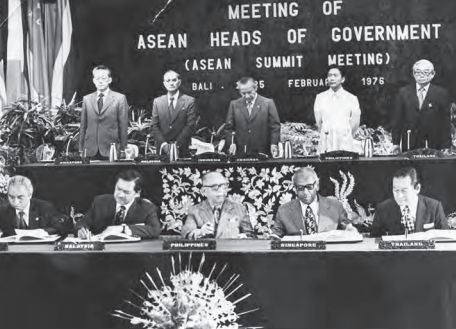
As a solution for this, Indonesia initiated the first ASEAN Summit in 1976. This summit marked ASEAN's start as a more institutionalized international organization. It also gave birth to two documents to promote mutual cooperation and peaceful co-existence: the TAC (Treaty of Amity and Cooperation in Southeast Asia) and the first ASEAN Concord, sometimes also called Bali Concord I.
Establishing ASEAN's Headquarters
The summit also put forward the idea of a headquarters to coordinate meetings, provide facilities, and conduct projects. In 1981, the ASEAN Secretariat was established and officiated in Jakarta. This choice of location was done to pay respects to Indonesia's pivotal role in ASEAN's institutional building.
Part of the reason why Jakarta became ASEAN's main hub was because Indonesia was considered politically neutral. While other countries in the region faced intricate problems, like the Khmer Rouge in Cambodia and postwar reconstruction in Viet Nam, Indonesia was relatively safe. Another reason was because Indonesia had the resources to build the Secretariat, especially the land used for the building in Sisingamangaraja Street.
Indonesia's effort in establishing the Secretariat in Jakarta can also be interpreted as a part of its own interest. In the book Indonesia's Foreign Policy, political scientist Michael Leifer notes that Malik’s diplomacy under President Suharto focused on returning a positive image after years of hostility, such as the confrontation with Malaysia. By showing its “commitment” to ASEAN, Indonesia comes off as a supporter of peace and multilateralism.
Beyond the Secretariat
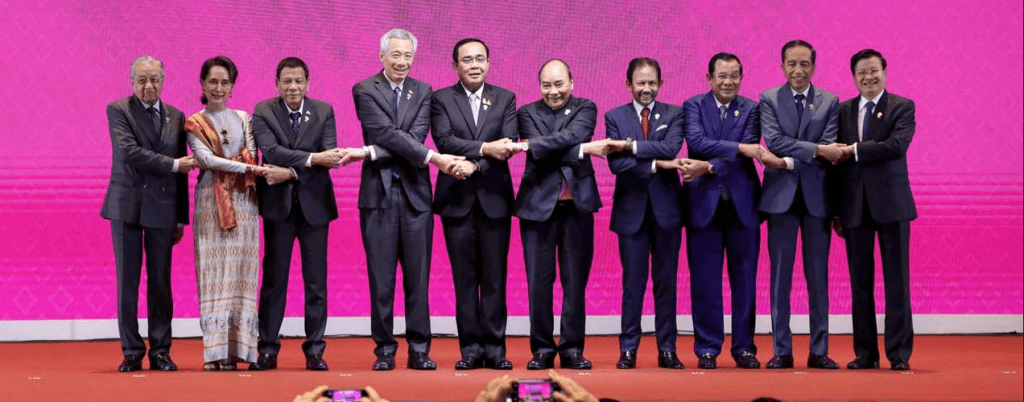
Jakarta today is not just the location of ASEAN's Secretariat in the physical sense, but more than that. In 2012, in a workshop held at the ASEAN Secretariat, Jakartan governor Soetanto Soehodho stated that Jakarta was ASEAN's diplomatic capital.
Beyond the Secretariat, Jakarta remains an important page in the book of ASEAN's history. Even while preparations from the Indonesian government to move the capital to Kalimantan are underway, ASEAN officials have emphasized the importance of having Jakarta as ASEAN's core. Jakarta has been the organization's capital for more than 30 years, and apparently, will always be.
References
- Anwar, Dewi Fortuna. “Indonesia is ASEAN's Natural Leader, and Central to the Indo Pacific Strategy.” Global Dialogue Review 15, no.1 (2024).
- Khoman, Thanat. “ASEAN Conception and Evolution.” Written on September 1, 1992. Accessed via ASEAN on July 17, 2025. https://asean.org/the-founding-of-asean/asean-conception-and-evolution-by-thanat-khoman/.
- Leifer, Michael. Politik Luar Negeri Indonesia. Jakarta: PT Gramedia, 1989.
- Septiari, Dian. “Jakarta to remain ASEAN's capital, secretary-general says.” The Jakarta Post. Published on October 7, 2019. Accessed on July 17, 2025. https://www.thejakartapost.com/seasia/2019/10/07/jakarta-to-remain-aseans-capital-secretary-general-says.html.
This article was created by Seasians in accordance with the writing rules on Seasia. The content of this article is entirely the responsibility of the author.