


Japan possesses one of the world’s most powerful passports, granting visa-free or visa-on-arrival access to around 190–193 countries according to the Henley Passport Index. Yet paradoxically, only about 17 % of its population owns such a document.
As of late 2024, roughly 20.8 million valid passports were in circulation, equivalent to just one in six Japanese citizens. This rate is significantly lower than in many Western countries, where passport ownership may exceed 50 % or even 80 %.
The Japanese Love Staying Home

Cultural and psychological factors play a major role in this trend. Many Japanese feel deeply content exploring their own country, which offers a rich diversity of domestic destinations.
Scholars note a prevalent “insular mindset,” where foreign destinations are viewed as distant, risky, or simply unnecessary.
This cultural comfort extends to language and social harmony considerations. A lack of confidence in foreign language proficiency and a reluctance to stand out among peers can make overseas travel less appealing.
Also, the social pressure to conform, especially in workplaces, makes long vacations abroad difficult or even frowned upon.
Economic Barriers and Work Constraints
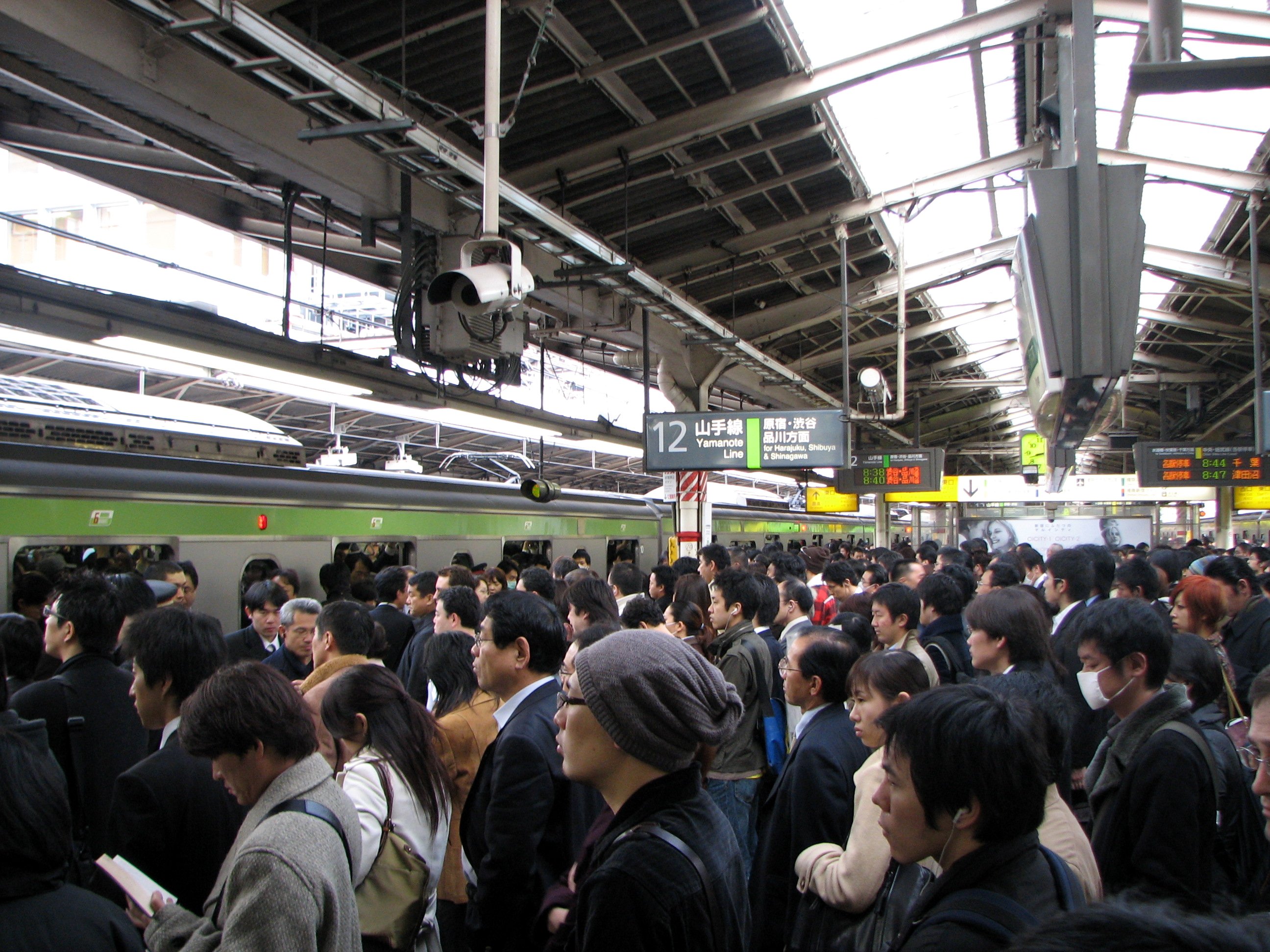
Economic factors significantly dampen international travel aspirations. Japan has experienced decades of stagnant wages and a yen that has weakened sharply, losing roughly a third of its value since the end of 2019.
As passports remain valid for years, many older holders may simply choose not to renew them if they never plan to travel abroad.
Work culture exacerbates this situation. Many Japanese workers receive minimal vacation time and often hesitate to take extended leave. With limited time off, planning an overseas trip becomes impractical.
The leisure travel market has been slow to recover; although business travel reached over 80 % of pre-pandemic levels by mid-2025, leisure travel remains around 53 %.
A Divided Generation

Studies reveal a deeply polarized attitude toward travel among younger Japanese. In 2016, over half of 18-to-29‑year‑olds had never been abroad, and only around 15 % had traveled overseas more than once that year.
Nearly 30 % expressed no interest in traveling abroad at all, termed “denialists”. Even when barriers like money and time are removed, a portion simply does not view international travel as meaningful or worthwhile.
Some young people who do travel abroad cite experiences such as study abroad or passion-driven trips, but they remain the minority.
In school surveys, many students responded with a firm “no” when asked whether they wanted to travel overseas, and English teachers reported that this has been the case for many years.
Low Interest Confirmed by National Surveys

Broader surveys back these findings. A Morning Consult poll found that 35 % of Japanese respondents in early 2023 declared they were unwilling to travel again internationally, the highest rate among surveyed countries.
Similarly, American Express’s Global Travel Trend Report in early 2024 showed only 15 % of Japanese participants said they wanted to travel abroad more than before, well below the average of 32 % across comparable countries.
In contrast, 34 % wanted to travel within Japan, and 60 % intended to travel domestically at patterns similar to the previous year.
Efforts by Government and Industries

Japanese travel industry groups, including the Japan Association of Travel Agents, have proposed initiatives to boost overseas travel.
Suggestions include offering passports for free to 18-year-olds or even to junior high school graduates, in hopes of sparking a global mindset and increasing outbound mobility.
Their goal is to restore the number of outbound travelers to pre‑pandemic levels, over 20 million annually, by 2025 or 2030 in alignment with inbound tourism goals.


