


A recently released report, from entities leveraging data provided by the International Union for Conservation of Nature (IUCN), delivers stark figures.
The Javan rhinoceros’ population has dramatically declined from an estimated 76 to just 50 individuals, while the Sumatran rhinoceros remains critically endangered at between 34 and 47 individuals in the wild.
The IUCN designates both species as Critically Endangered, the highest risk category before extinction. The small number of natives, mounting threats, and the continued plummet in population paint a dire picture: both species are teetering on the brink of oblivion.
The Plight of the Javan Rhino
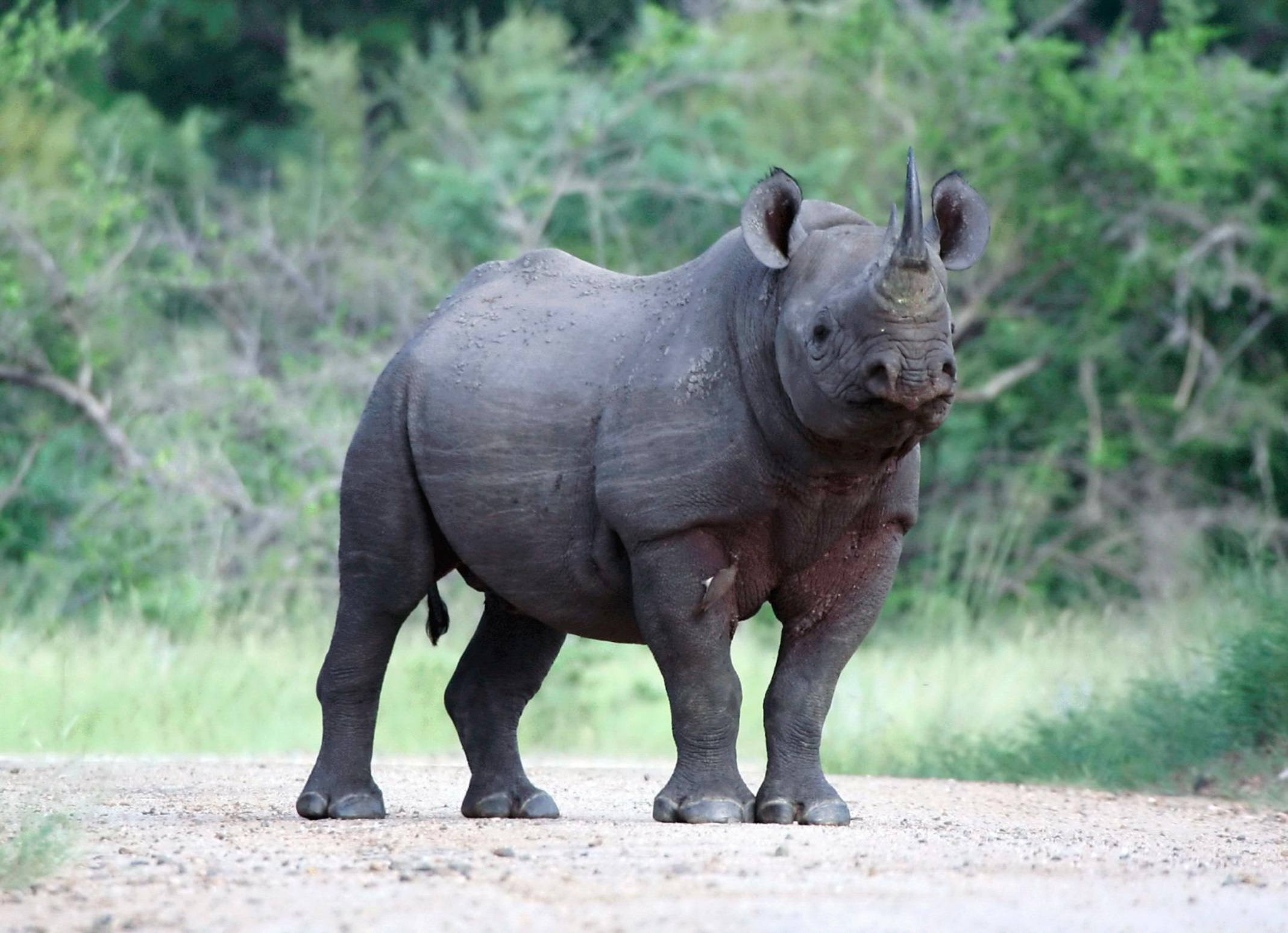
Once thought to number around 76, the Javan rhinoceros population has declined sharply to around 50 individuals remaining in the wild, primarily due to intense poaching activity.
Between 2019 and 2023, a major poaching ring killed 26 Javan rhinos in Ujung Kulon National Park, prompting urgent calls for updated population assessments.
This catastrophic loss effectively erased a third of the species in just a few years. The only existing wild population resides in Ujung Kulon National Park in western Java—the species effectively extinct elsewhere.
This lone population, though breeding, is dangerously isolated. There are ongoing threats from habitat limitations, lack of genetic diversity, skewed sex ratios, and high vulnerability to natural disasters and disease.
Sumatran Rhino’s Fragmented Numbers
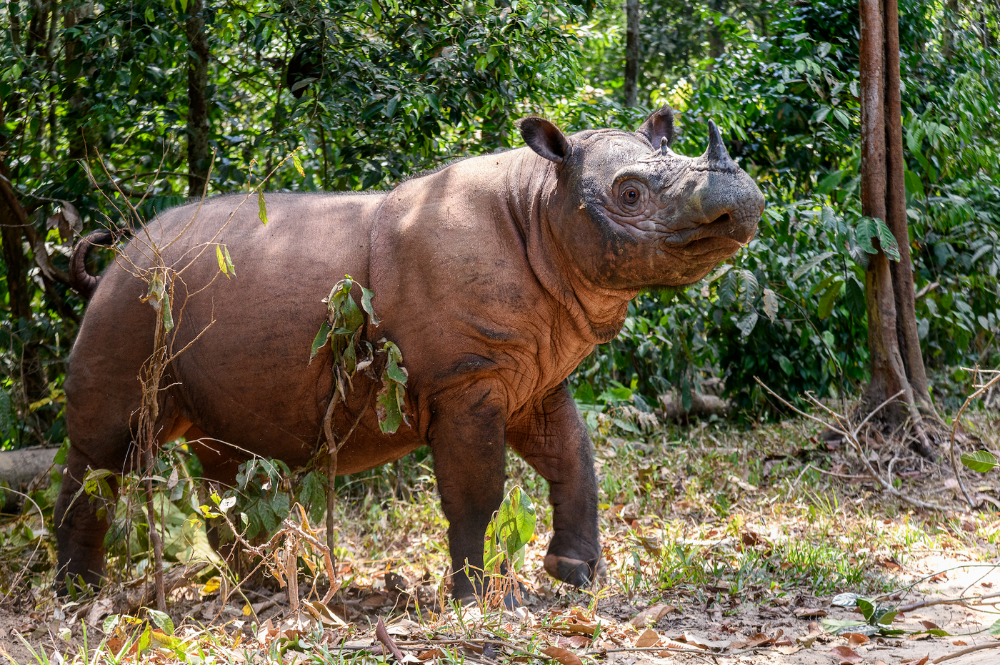
Equally tragic, the Sumatran rhinoceros persists in only Indonesia, scattered across isolated pockets. The IUCN–affiliated Asian Rhino Specialist Group estimates just between 34 and 47 individuals remain, split among multiple small and fragmented subpopulations.
The Indonesian government’s own figures suggest there are no more than 80 left worldwide. The fragmentation of habitat, largely due to rampant deforestation, agricultural expansion, and infrastructure development, has destroyed the connectivity essential for breeding and survival.
Concerningly, isolated females face reproductive issues such as tumors, while males and females rarely encounter one another, further exacerbating decline. The net impact: their extinction feels alarmingly close.
Common Threads of Crisis

Despite different circumstances, both Javan and Sumatran rhinos share a troubling combination of endangerment drivers.
Poaching remains a significant threat. While there has been no evidence of Sumatran rhino poaching in over a decade, the ongoing demand for horn in traditional medicine, especially across parts of Asia, continues to fuel risk.
Habitat loss and fragmentation have devastated living spaces for both species, shrinking their ranges to isolated refuges and hampering reproduction.
Additional threats include disease, such as hemorrhagic septicemia in Javan rhinos, and metabolic or parasitic disorders like trypanosomiasis affecting both species, underscoring vulnerabilities tied to limited habitat and compromised health.
Finally, low population size means genetic bottlenecks and inbreeding, severely impairing recovery prospects for both species.
Small Bright Spots

Despite the bleak backdrop, there are small rays of hope. The Indonesian government and conservation partners have launched intensive protection efforts.
These include breeding programs: a new Javan rhino calf was born in Ujung Kulon, signaling that reproduction is still possible in the wild.
Similarly, two Sumatran calves were born at the Way Kambas National Park’s Sumatran Rhino Sanctuary by late 2023, while assisted reproductive technologies are now being pursued.
Improved law enforcement, habitat management, and removal of invasive species like the Arenga palm aim to enhance survival odds, while Rhino Protection Units patrol key ranges to deter poachers.
A Call for Urgent Action

In summary, the latest IUCN‐linked data, via organizations like the International Rhino Foundation, reveals that both the Javan and Sumatran rhinos are truly on the verge of extinction.
Their rapidly dwindling and fragmented populations, coupled with the compounding threats of poaching, habitat loss, disease, and genetic decline, places them in an extremely precarious position.
Yet, the unfolding conservation strides, calves born, sanctuary work, increased security, suggest that with intensified, targeted actions and global support, there may still be a fighting chance.
Without sustained international attention, funding, and coordination, these rhino species may soon disappear forever. They stand as resilient symbols of Earth’s biodiversity, and their loss would mark the disappearance of keystone survivors from our planet’s living heritage.


