


Corruption is a critical issue that affects governance, economic growth, and public trust across the globe. However, some countries consistently demonstrate strong institutional frameworks, transparency, and rule of law that keep corruption to a minimum.
The annual Corruption Perceptions Index (CPI), published by Transparency International, ranks countries based on perceived levels of public sector corruption.
Here are some of the world’s least corrupt countries and the factors that contribute to their reputations for integrity and good governance.
Denmark
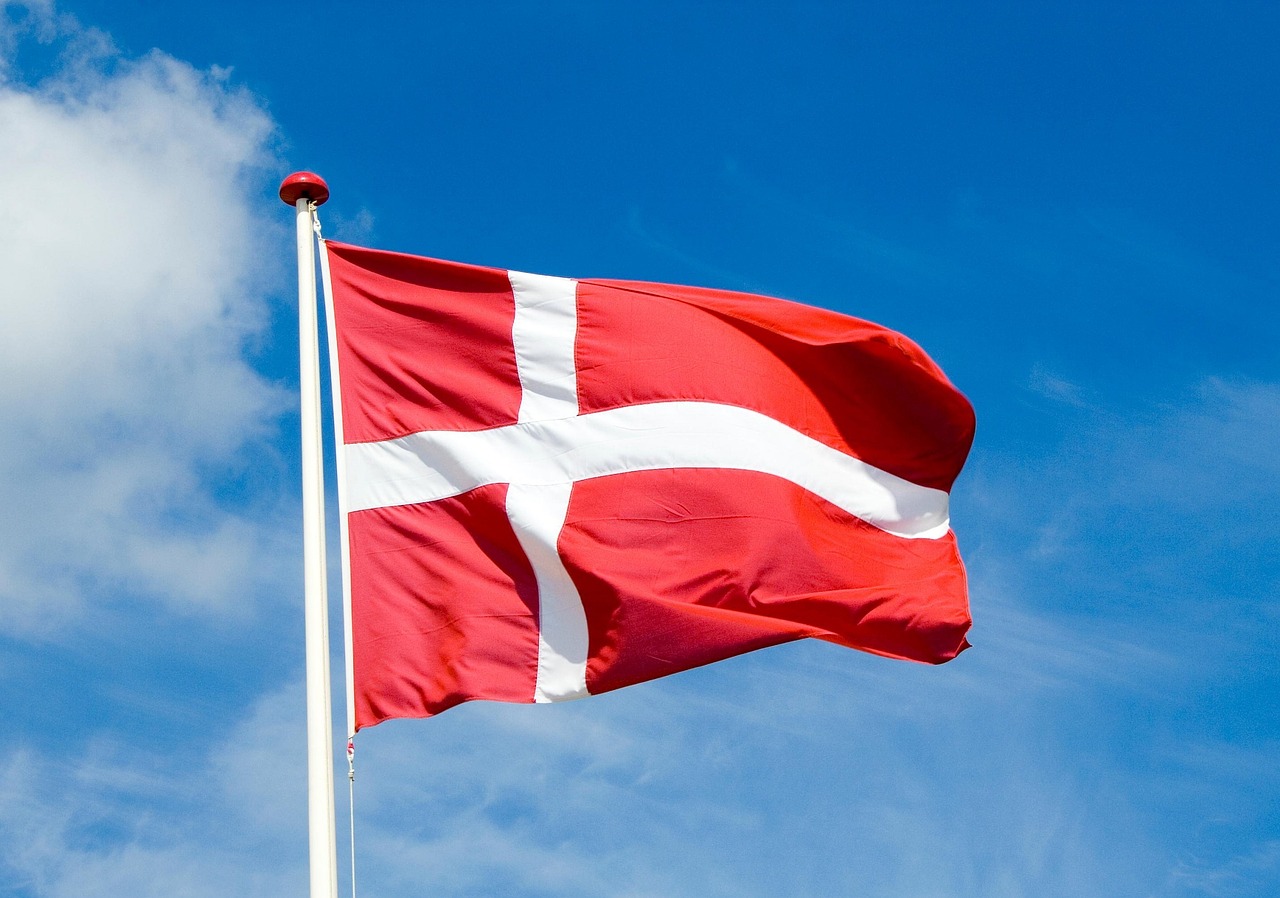
Denmark takes the top spot for the seventh year running, scoring 90 out of 100—far above the global average of 43.
This position reflects its transparent governance, strong judicial independence, and deeply ingrained public accountability mechanisms. Danish society values integrity so strongly that corruption simply finds little space to flourish.
Finland

Finland closely trails Denmark with a score of 88, ranking second globally. The country’s reputation for clean governance rests on a foundation of institutional transparency, equitable rule of law, and high public trust.
Instances of corruption are rare and mostly structural, rather than opportunistic, reflecting a system built on prevention and accountability.
Singapore
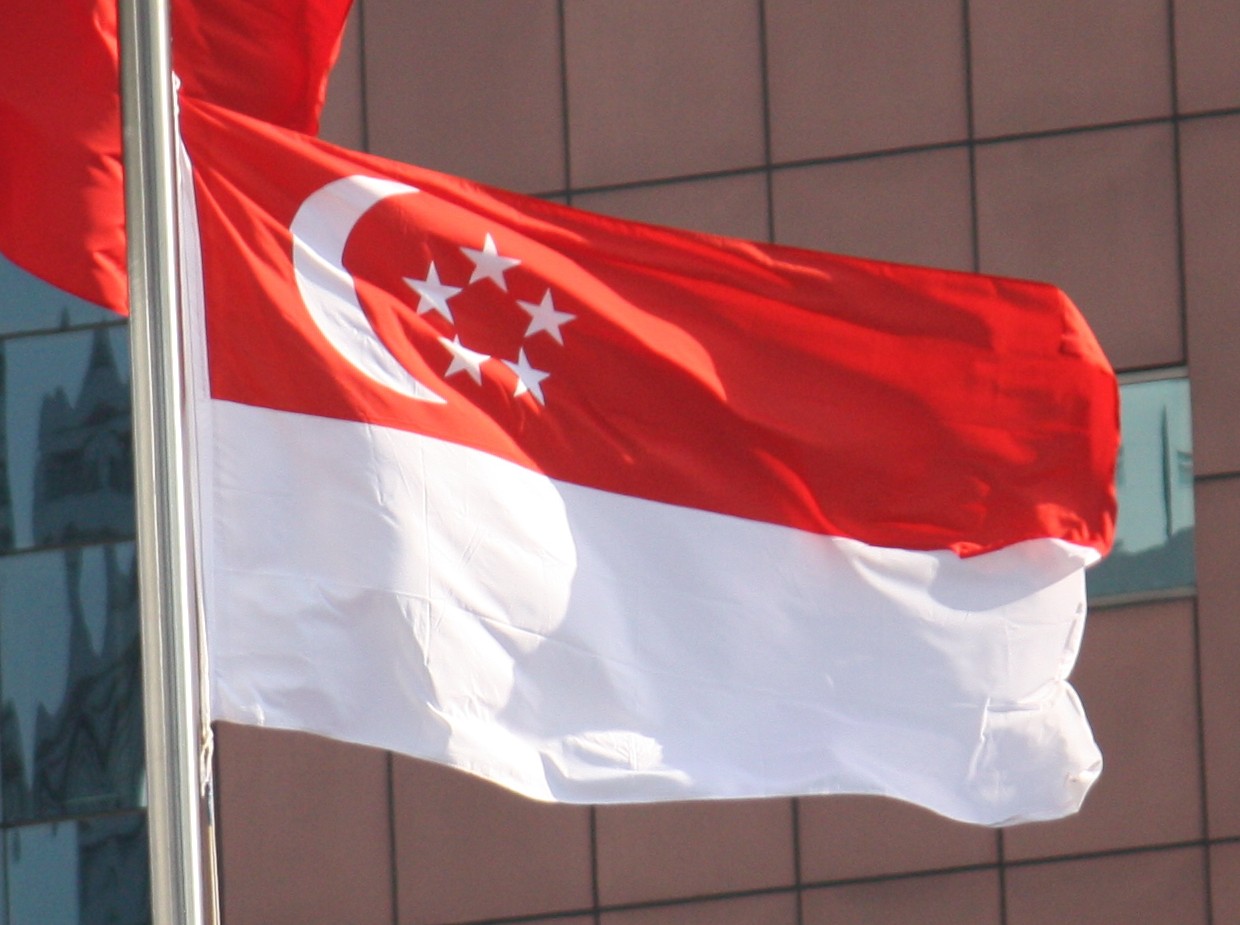
Singapore ranks third globally, with a score of 84, which marks its best ranking since 2020 and places it first in Asia-Pacific. The Corrupt Practices Investigation Bureau (CPIB) plays a central role in preventing and prosecuting corruption in both the public and private sectors.
The city-state’s strict enforcement, robust legal frameworks, and proactive public reporting culture contribute to its lasting reputation as a global benchmark for integrity
New Zealand

New Zealand, with a score of 83, continues to perform strongly, though it has slipped slightly outside the top three for the first time since 2012. Its success is grounded in merit-based public service, independent judiciary, active media oversight, and accessible government data.
Whistleblower protections, transparent procurement processes, and civic engagement further reinforce its low-corruption status.
Luxembourg

Luxembourg achieves a score of 81, placing it among the top five least corrupt countries in the world.
Despite occasional public doubts, especially about political parties, its overall system benefits from a strong legal framework, independent oversight bodies, and open governance practices, ensuring that public officials remain accountable and ethical.
Norway

Also scoring 81, Norway ranks among the best globally in combatting corruption. Its transparent institutions, well‑regulated natural resource management, and rigorous public finance oversight contribute to a governance environment with little tolerance for misconduct.
That said, occasional vulnerabilities still arise in certain municipal and procurement sectors, prompting ongoing vigilance
Sweden

Sweden’s strong performance, 80 points, reflects its long-standing dedication to open government, public accountability, and civic trust.
With broad access to public documents, ethical oversight, and a politically engaged culture, Sweden continues to set high standards for transparency and integrity in public life.
Netherlands

The Netherlands scores 78, ranking among the global leaders in anti‑corruption. A robust legal system, media freedom, civic participation, and stringent oversight combine to uphold integrity in public administration and policy.
These extremely important pillars help ensure that corruption is addressed promptly and effectively.
Australia

Australia closes out this group with a score of 77, placing it 10th globally. While still well above the global average, Australia’s ranking reflects growing public concern over corruption.
In response, federal and state governments have strengthened anti-corruption bodies, including establishing a National Anti‑Corruption Commission in mid-2023. Whistleblower protections remain a work in progress, indicating areas for continued improvement.


