


Israel’s Defense Ministry has officially announced that the new laser‑based defense system known as Iron Beam (also called “Or Eitan”) has completed its development and testing phases and is now fully operational.
Developed in collaboration between Rafael Advanced Defense Systems, Elbit Systems, and Israel’s Directorate of Defense Research & Development, the system aims to augment the country’s layered air‑defense architecture.
What Is Iron Beam?
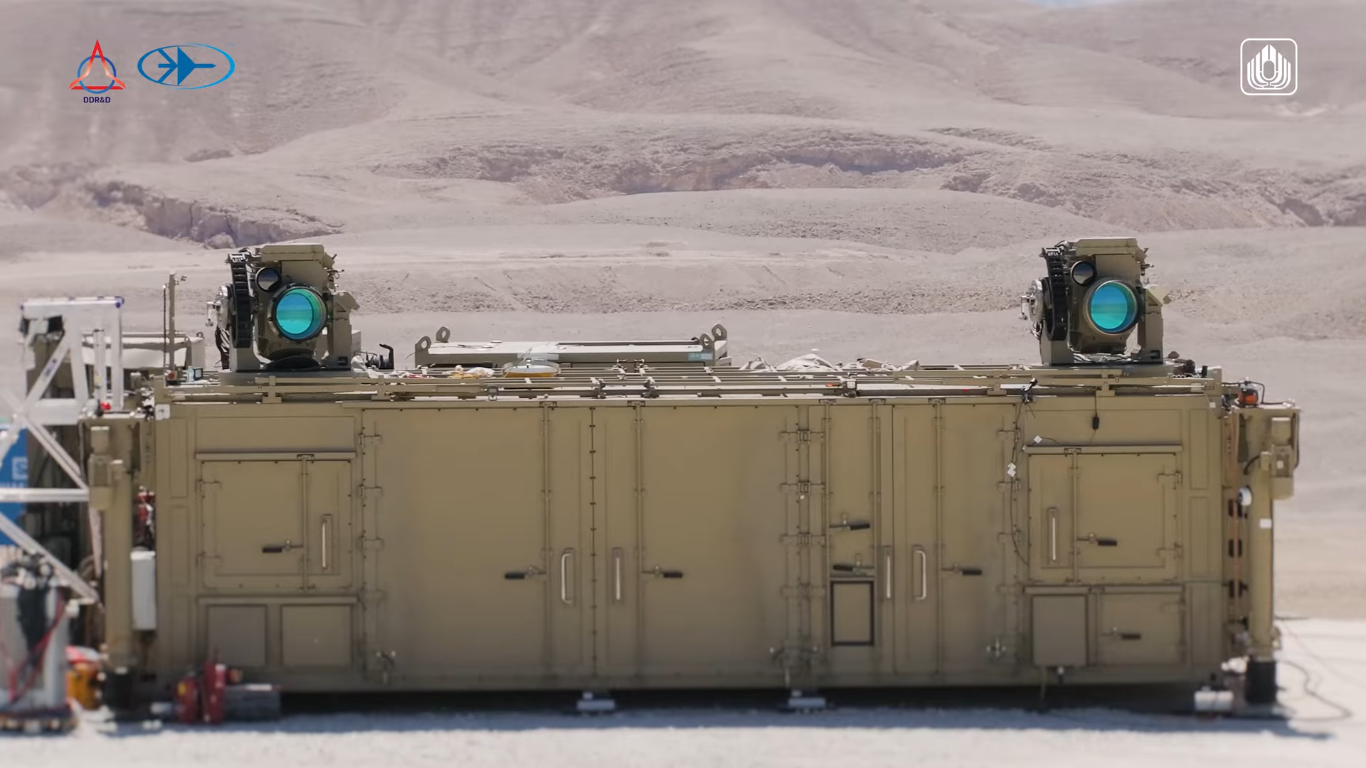
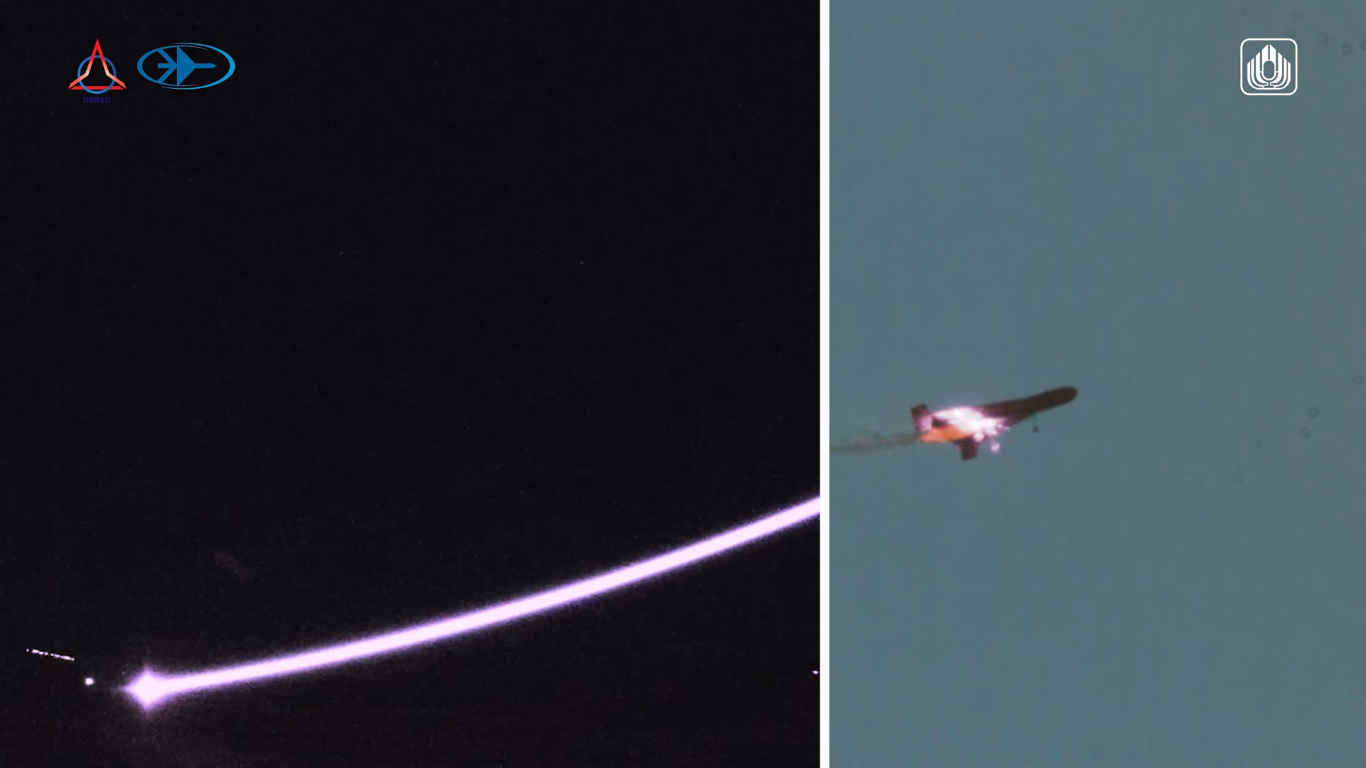
Iron Beam is a high‑power, ground‑based directed‑energy laser system designed to intercept a variety of aerial threats including rockets, mortars, drones, loitering munitions, and small aircraft.
In recent tests carried out in southern Israel, it demonstrated its ability to engage such threats under multiple operational scenarios, achieving “operational maturity” and meeting the performance standards required for deployment.
“Fully operational” in this context indicates that the system has passed its final series of trials, is integrated into Israel’s defense control networks, and will be deployed into active duty by the end of the year.
Everything We Know So Far
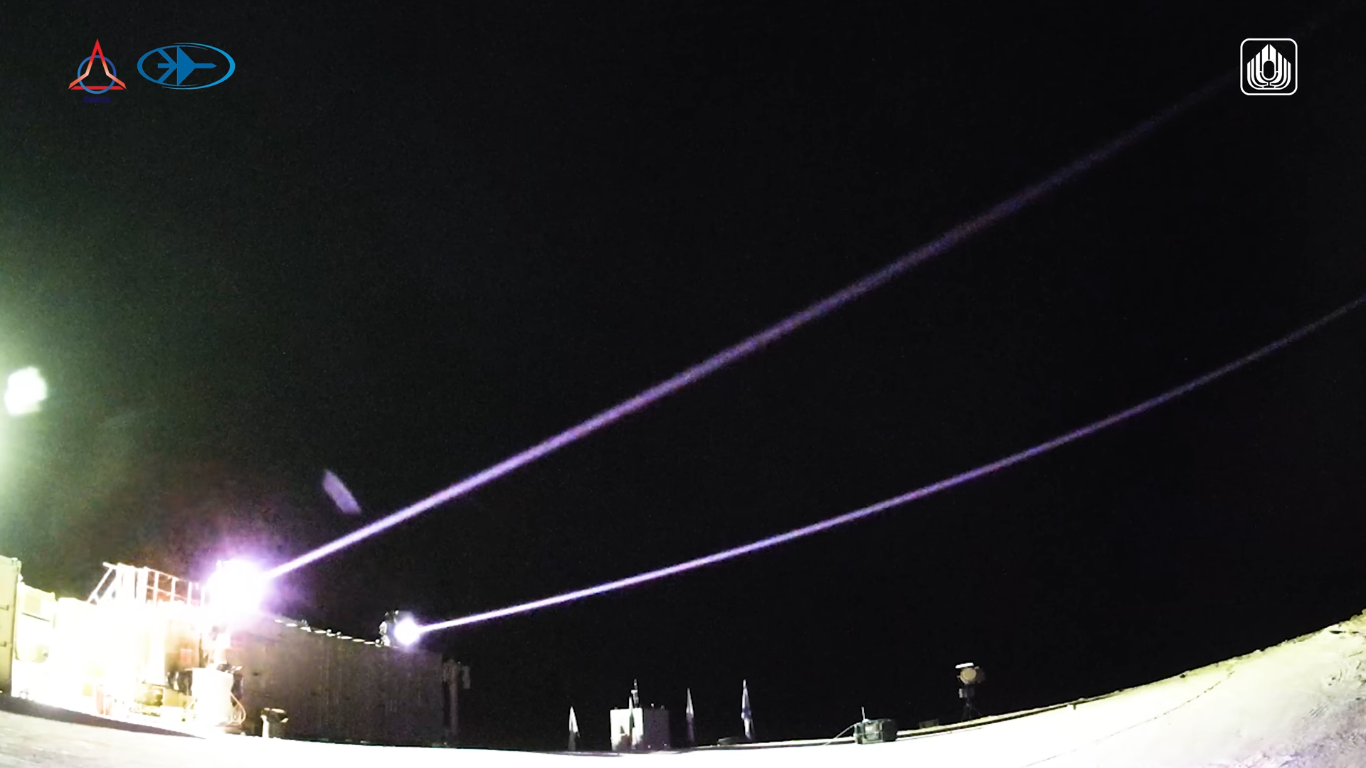
One of the standout advantages of Iron Beam is its cost per engagement. Traditional interceptor missiles tend to cost tens of thousands of dollars each.
Iron Beam, by contrast, requires only electricity to operate, meaning its “ammunition” cost is negligible for each interception.
The system uses adaptive optics to maintain beam focus and accuracy over variable atmospheric conditions, which is critical for consistent performance.
In terms of power, the system operates at or above 100 kilowatts in many tests, with some reports pointing to capability up to 300‑450 kW as development continues.
Although exact maximum ranges depend on threat type and conditions, it is intended mainly for short‑ to medium‑range threats, including those that are difficult or inefficient to counter with missile interceptors.
Iron Beam vs. Iron Dome
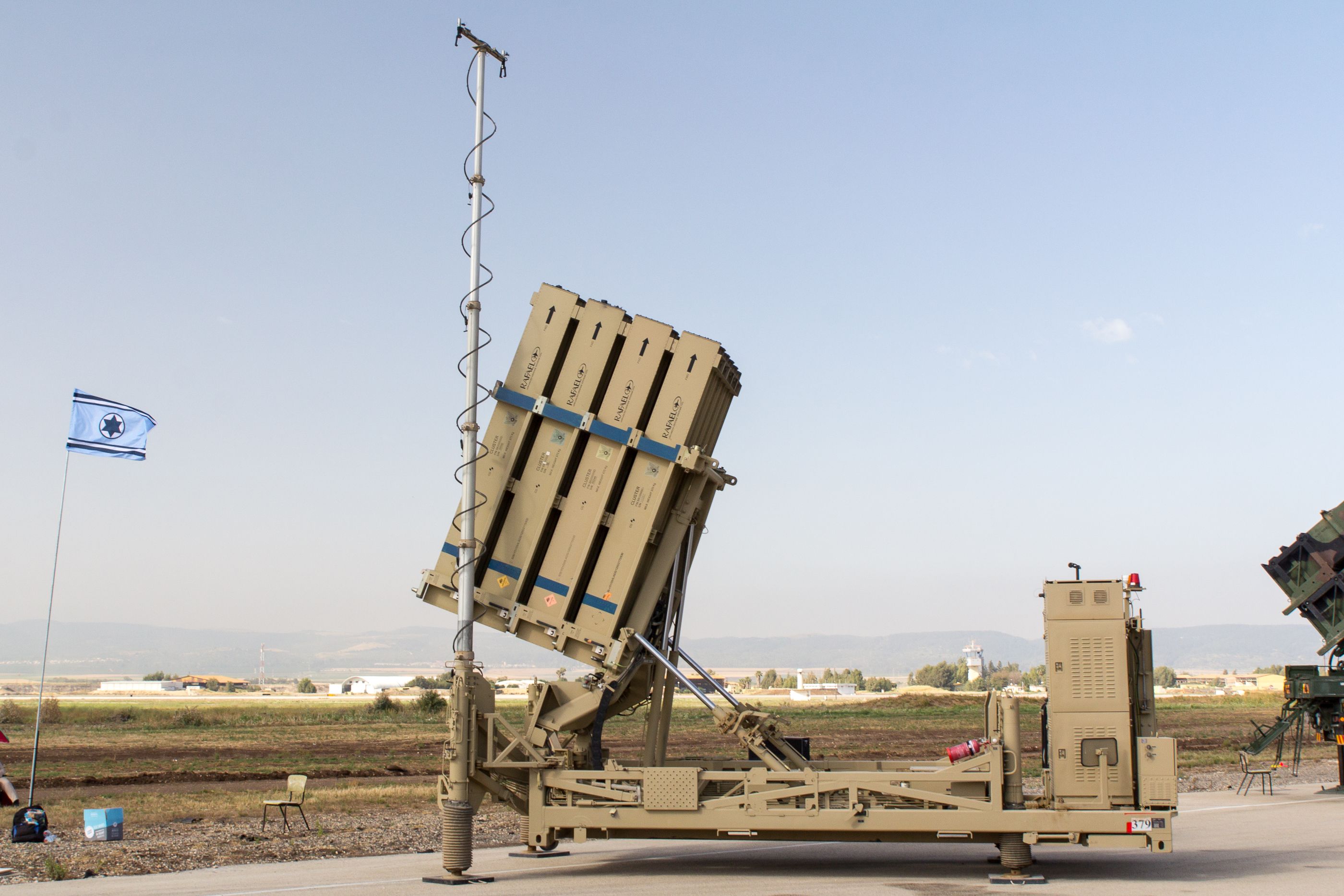
Iron Dome is Israel’s well‑known missile interception system which uses radar detection and missile interceptors to shoot down rockets, mortars, and short‑range ballistic threats. It has been critical in defending civilian populations, especially during barrages of rocket fire.
Iron Beam, by comparison, is based not on kinetic interceptor missiles but on a directed laser beam. That means no physical interceptor missile is launched; rather, the laser delivers energy to neutralize the threat. This difference leads to several contrasts.
First, cost per interception is vastly different. Missiles used by Iron Dome are expensive and require manufacturing, transport, and maintenance, while Iron Beam uses energy and thus has extremely low marginal cost per shot.
Second, response speed for the laser is near instantaneous once the beam is engaged; there’s no missile flight time. This allows Iron Beam to respond more rapidly to very short‑lived threats such as mortars or loitering drones, which might be too fast or cheap to engage with a missile.
Third, the iron beam’s effectiveness may be more sensitive to environmental conditions, weather like fog, dust, or rain can degrade beam propagation, whereas missile‑based systems are less affected in those respects.
Fourth, Iron Dome has been tested and used in many real conflict settings, with large numbers of intercepts, while Iron Beam is only now reaching full operational maturity; its deployment will supplement, not replace, Iron Dome’s role.
Strategic Implications
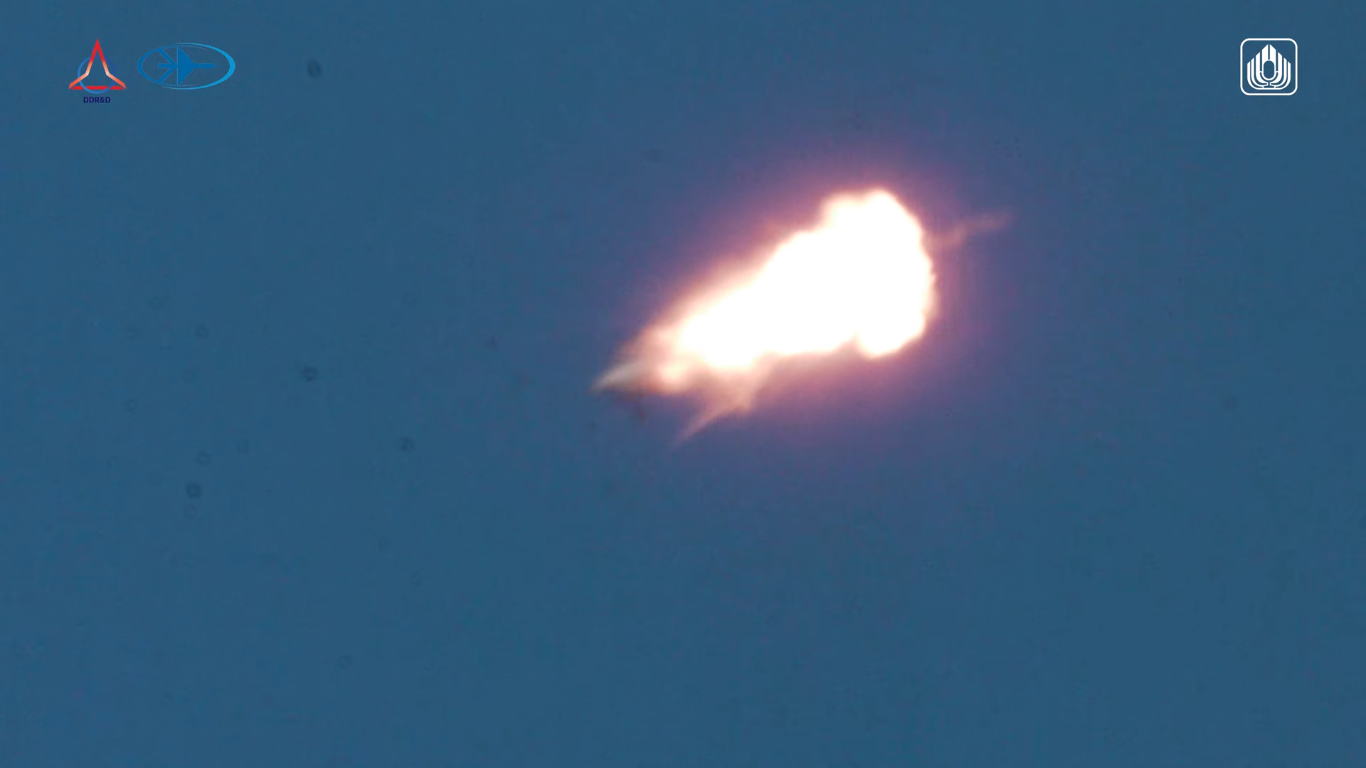
The operational readiness of Iron Beam marks a significant strategic milestone. It allows Israel to reduce overall defense costs in long‑term or sustained confrontations, especially in scenarios involving mass launches of inexpensive rockets or swarms of drones.
It also adds redundancy and flexibility. Threats that may have been difficult to intercept efficiently with missiles alone can now be handled by the laser layer, freeing up missile interceptors for larger or more urgent threats.
Integration with Israel’s existing multi‑layered defense system (which includes Iron Dome, David’s Sling, Arrow, among others) is planned.
Iron Beam will share command‑and‑control structures with these systems, and threat detection and tracking will feed into the laser system when appropriate.
By late 2025, the first Iron Beam units are expected to be operationally deployed, reinforcing air defense coverage particularly along borders frequently threatened by short‑range rockets and unmanned aerial threats.
Challenges and Limitations Ahead
Although operational, Iron Beam is not without its limitations. Atmospheric conditions will always pose a challenge for any laser‑based system; fog, clouds, dust or heavy rain can scatter or absorb laser energy, reducing effectiveness.
The system also needs a stable source of energy and cooling infrastructure, which can be logistically demanding.
For very large or long‑range missile threats, lasers may not deliver enough energy quickly or over distance to be effective, meaning that missile interceptors will remain necessary.
Finally, while cost per shot is low, the building, maintenance and deployment of laser systems are not cheap; initial investments and upkeep, training, and ensuring reliability under combat stress, remain substantial.