Favoured for its astounding array of destinations from natural wonders, world-renowned landmarks, to cultural heritage sites, Asia with its undeniable charm never fails to attract tourists from around the globe. Though aesthetics and appealing spots are often the top of mind when planning on traveling, safety should always come first. Especially for newbie young travelers going abroad for the first time.
Like every other place in the world, Asia may not be completely danger-free, and safeness in Asia varies widely depending on the country. If you’re asking about how safe is Asia for tourists, this guide will give you a full insight plus things to watch out for.
Safety rankings of countries in Asia
Below we have gathered some information regarding the safety rankings of countries in Asia according to sources like Théo COurant , The Economic Times and Travel and Leisure Asia:
Safest countries in Asia 2025
Based on the three parameters which consist of Societal Safety and Security, the degree of Militarization and the extent of Ongoing Domestic and International Conflict, the 19th edition of the Global Peace Index (GPI) has crowned Singapore as the safest Asian country in 2025. With an overall score of 1.357, Singapore managed to rank sixth on the list of safest countries worldwide.
Followed by Japan and Malaysia, here’s the complete list for the most safest countries in Asia:
| Singapore | 1.357 |
| Japan | 1.440 |
| Malaysia | 1.469 |
| Bhutan | 1.536 |
| Mongolia | 1.719 |
| Vietnam | 1.721 |
| Taiwan | 1.730 |
| South Korea | 1.736 |
| Timor-Leste | 1.758 |
| Laos | 1.783 |
Asian countries demanding extra caution
In contrast with the list above, there are several Asian countries where travelers are required to stay more alert. Placing at 86th, Thailand’s safety score deteriorated this year due to the ongoing internal conflicts and military influence in its political life. With power concentration and fragile institutions, Cambodia ranked 87th right below Thailand.
Going down at the 115th position is India with a total score of 2.229. Meanwhile, Myanmar occupies the 153rd spot, reflecting prolonged civil war happening in the country since the coup in 2021.
Common risks faced by tourists in Asia
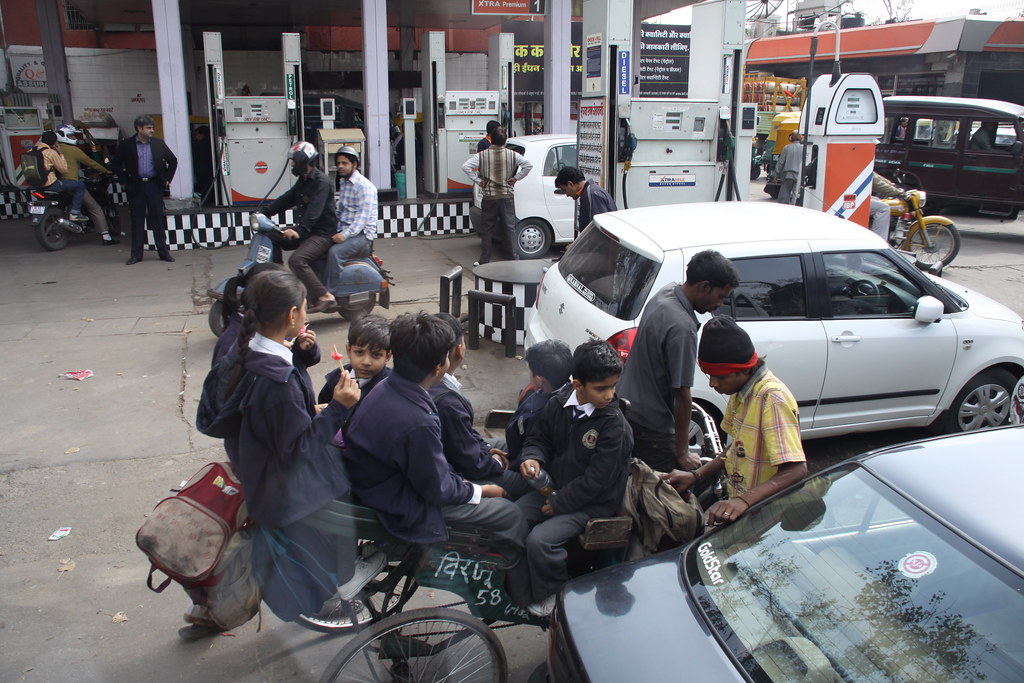
Compiled from Tripoventure and the International Travel & Health Insurance Journal, these are the most common risks foreign tourists often encounter when traveling to the Asian region:
1. Gastroenteritis cases
Not too long ago, the word ‘Bali belly’ and ‘Delhi belly’ were circulating all over social media, but what does it actually mean? Simply put, these terms are used by foreign travelers to refer to the gastroenteritis problem or ‘traveler’s diarrhea’ tourists commonly experienced during their trip to places in Asia. This illness typically comes from unsanitary street foods, poor hand hygiene, and unbottled water.
While travelers are aware of this risk, gastro problems still lurk across all areas of Asia. However, there are a few Asian countries that are relatively more safe from gastro illness, such as Japan and Singapore.
2. Infectious diseases
Apart from stomach upsets, another potential health risk travelers need to look out for when coming to Asia is the risk of infectious diseases like dengue and malaria. These diseases are particularly prevalent during the wet season in tropical regions. Back in 2023, the World Health Organization reported a 300% surge in dengue fever cases in some Asian countries, including Laos, Nepal, Vietnam, Thailand, Cambodia, Philippines, Bangladesh, and Indonesia.
Influenced by travel timing and outdoor activity at night during insects’ active hour, preventive measures like going outside during the day and malaria prophylaxis are advised in light of these concerns.
3. Road traffic and winter sports incidents
In the last few years, the number of travel insurance claims due to injuries from ski accidents in Japan and motorbike incidents in Bali and Thailand have been increasing. Given this issue, many young travelers are starting to opt for add-ons like skiing or motorbike coverage.
Generally, Asian countries tend to have a high rate of traffic accidents, with tourists getting injured while crossing the streets or when riding a moped, scooter, or motorbike. As a preventive approach, tourists are advised to always obey the local laws and regulations regarding vehicle use. In addition, travelers should also carefully check their travel insurance coverage.
4. Travel scams
While traveling may be the best time to lay back and relax, it is important to constantly be aware of your surroundings, including for signs of scamming. There are several common travel scams in Asia, for example overpriced tuk-tuk or taxi rides in Bangkok, Ho Chi Minh, and Phnom Penh, currency exchange scams, cheap but fake travel agents, and temple donation scams in Bali and Cambodia.
Other common scam motives include rental fake police officers demanding on-the-spot fines, overpriced souvenirs, sneaky pickpockets in crowded areas, and rental bike or jet ski damage fraud.
Essential safety tips
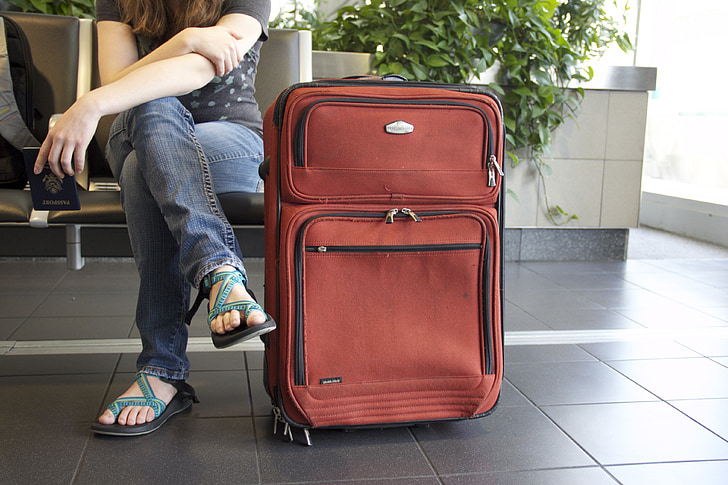
Potential risks might be everywhere across Asia, but at the very least, you can avoid unwanted stress by noting these essential tips before you travel:
1. Use official ride-hailing apps
Online motorcycle taxis are a go-to option for tourists to get around areas in Asia. For a safe and pleasant trip, always order your ride only from the official ride-hailing apps like Grab or Bolt. Equipped with a real-time journey tracker, emergency support and location share feature, these motorcycle ride-hailing services are guaranteed to take you to your destination safely.
2. Secure a comprehensive travel health insurance
In the worst-case scenario of getting ill while traveling, having adequate travel health insurance beforehand can be very helpful. According to Responsible Travel, some Indochina countries like Thailand and Vietnam provide good healthcare. Before traveling, do make sure that the travel insurance you applied to includes emergency medical evacuation in case you’re not able to be treated locally.
3. Carry a self-defence kit
Compared to men, women need to be 10 times more careful when solo traveling in this day and age. Considering the risk of unknown danger the place we visit might bring, taking self defense training before traveling can be a great way for solo women travelers to defend themselves. For extra protection, carrying around simple self-defence devices like a pepper spray or a small portable alarm could also come in handy.
4. Save important emergency contacts
Some travelers might get the urge to stay off of their phones as much as possible while traveling, but you’ll never know when an emergency will come up. Which is why it’s best to stay connected with your loved ones even during vacation. As advised by Carma Adventurers, it’s also important to save the local police and ambulance number of the country you visit as well as the number of your home country’s consulate or embassy.
5. Keep your belongings close
The last safety tip when traveling to Asia is keep your belongings by your side at all times, especially in crowded tourist spots. If you want more security, you can always stick an AirTag or padlock on your luggage and keep track of your valuables everywhere you go.
Traveling to Asia can be an adventure of a lifetime where travelers can unlock new places, cultures, and memorable experiences. But don’t let the holiday mood get your guard down and always stay safe by implementing the essential tips we’ve shared.
This article was created by Seasians in accordance with the writing rules on Seasia. The content of this article is entirely the responsibility of the author.