


The World Directory of Modern Military Warships (WDMMW) ranks naval services from around the world not simply by how many ships they have but also by a metric called the TrueValueRating (TvR).
This considers the quality of fleet composition, modernization, logistical support, and experience, among other factors. The navies below are among the top in Asia on that list as of 2025, and each has distinctive strengths and challenges.
1. China

China’s People’s Liberation Army Navy (PLAN) holds the top spot in Asia per the WDMMW rankings. Its total active inventory is 405 frontline units. This includes a mix of aircraft carriers, large destroyers, frigates, submarines, and support vessels.
China’s naval doctrine has increasingly emphasized blue‑water capability, meaning its ability to operate far from its shores.
Highly modern ship classes like the Type 055 (large destroyers), multiple carriers, and a rapidly expanding submarine force give China not only numerical superiority but also reach and force projection.
The logistical backbone, shipbuilding capacity, and ongoing modernization undergird PLAN’s TvR advantage over other Asian navies.
2. Indonesia

Indonesia is ranked among the strongest in Asia, often cited just after or near India, Japan, or South Korea depending on the measurement.
According to WDMMW, Indonesia has 245 hulls in its active inventory. Its fleet includes frigates, submarines (though a more limited number), a large number of patrol and fast attack vessels, corvettes, and support craft.
Indonesia’s strategic geography, with thousands of islands, seas to patrol (like the Malacca Strait, Sulawesi Sea, and others), and critical sea lanes, makes naval power essential.
The Indonesian Navy is working on modernization, acquiring newer ships, and improving operational reach, though it still lags behind China in high‑end power projection.
3. South Korea

The Republic of Korea Navy (ROKN) registers 147 hulls in its active inventory in WDMMW’s data. While it does not have full aircraft carriers, South Korea fields strong destroyers and frigates, a sizable submarine force, and specialized amphibious and support units.
Its destroyers include some of the most capable air defense platforms in Asia, and its technological edge in sensors, electronics, and weapons allows it to punch above its weight in many scenarios.
South Korea’s naval strength is also supported by strong logistics, training, and alliances, which allow deployments and joint operations.
4. Japan

Japan’s Maritime Self‑Defense Force is consistently among the top Asian navies. It has 105 (or over 100, depending on the specific dataset) active frontline units in WDMMW listings.
Japan’s naval power lies in high quality: destroyers (many with advanced missile systems), submarines (particularly modern, quiet types), and powerful support infrastructure.
Japan has also invested in helicopter carriers and amphibious capabilities, even if its constitution limits certain offensive operations.
The emphasis has been on readiness, advanced technology, sonar, anti‑submarine warfare, and high reliability.
5. India
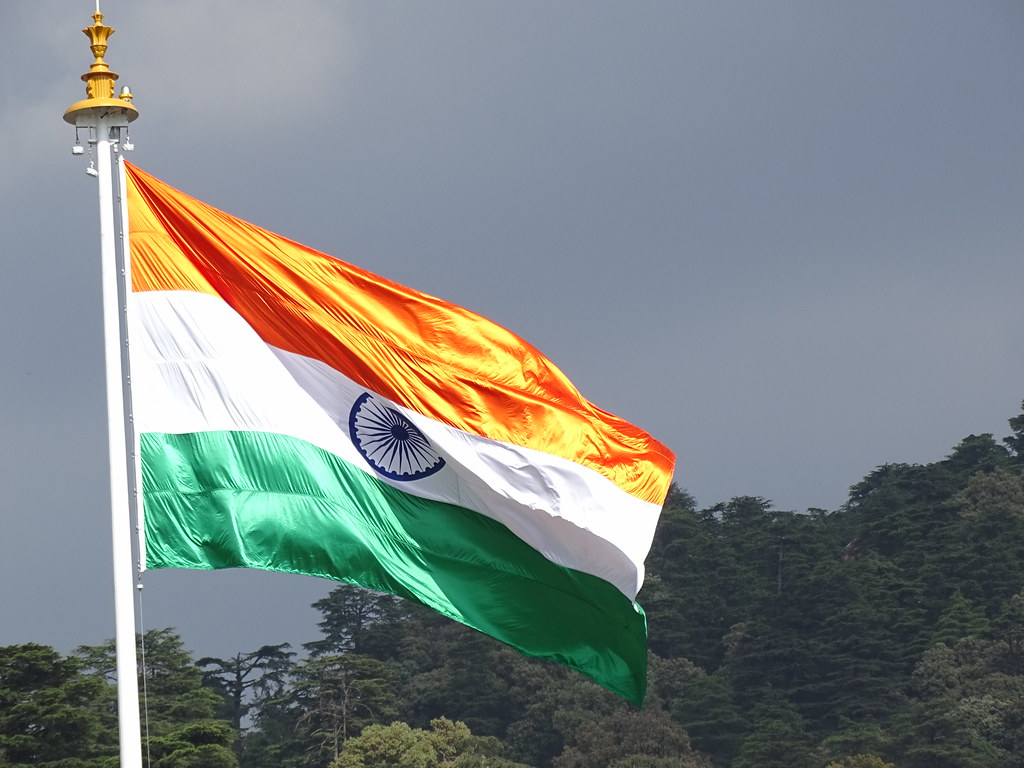
India’s navy comes in with about 100 in active hull inventory per WDMMW. India maintains aircraft carriers (two as of recent years), destroyers, frigates, submarines (both diesel‑electric and plans for nuclear), and a support fleet.
Its blue‑water aspirations are growing, with more focus on power projection across the Indian Ocean, protecting trade routes, and strategic ports.
India’s challenges include modernization speed, maintenance, and logistics, but its geographical position, size, and strategic goals make it a major player.
6. Taiwan
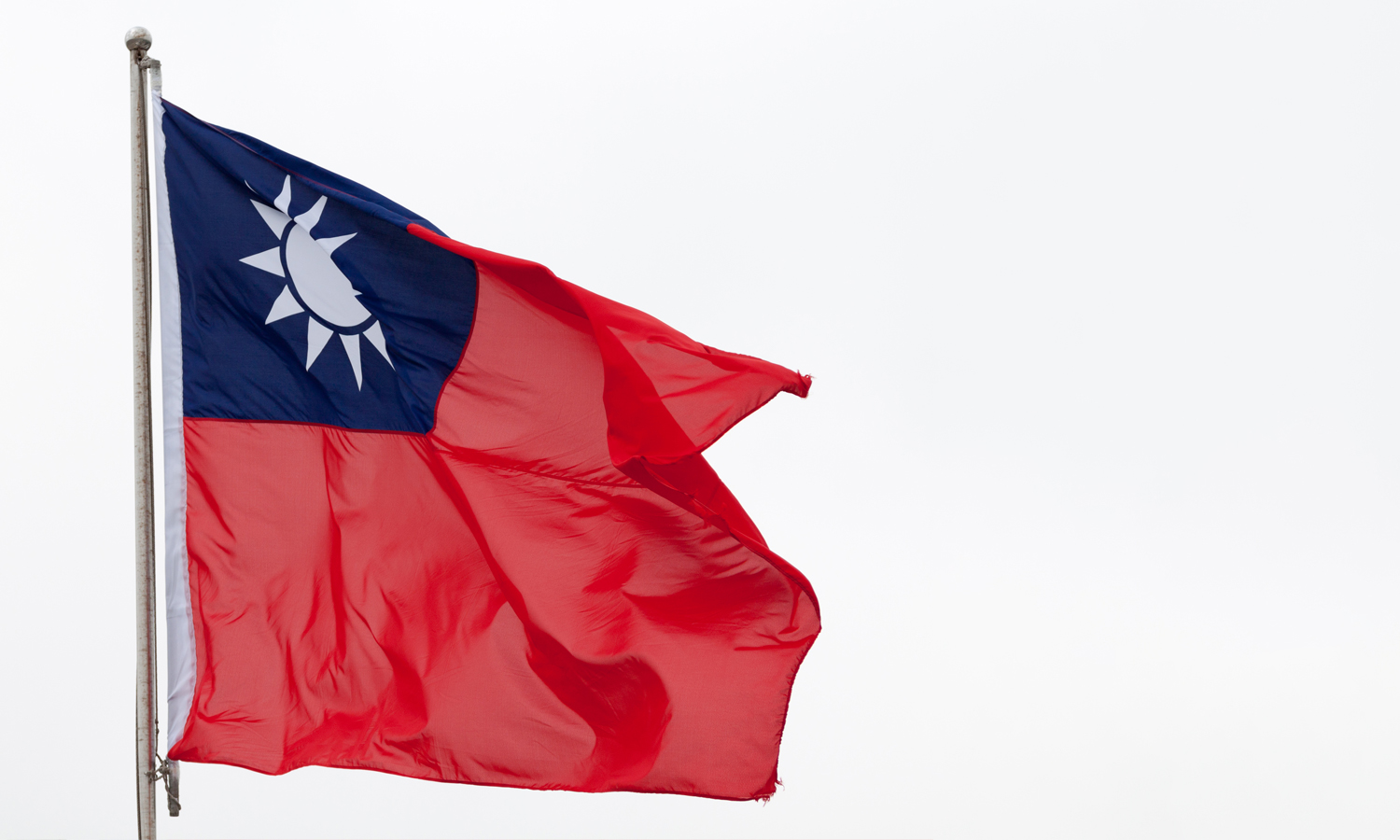
Taiwan (officially the Republic of China Navy in these rankings) has about 94 active frontline hulls according to WDMMW. While much smaller than China, Taiwan emphasizes asymmetric defense: coastal missile capability, submarines, fast attack craft, and modern frigates.
Its fleet is geared toward defense of its own islands, deterrence, and maintaining sea denial capability, rather than large scale power projection.
Also important are its alliances and procurement of advanced systems, especially in anti‑ship and anti‑air warfare. Taiwan’s fleet age, maintenance, and ability to sustain operations under pressure are among its challenges.
7. North Korea

The Korean People’s Army Naval Force (KPAN) is surprisingly high in hull count: around 195 units per WDMMW figures. Most of these hulls are smaller vessels: corvettes, patrol craft, submarines (including older classes), and coastal forces.
It has fewer high‑end blue water assets and lacks aircraft carriers. Its strength lies in sheer numbers for coastal defense, asymmetric threats, and potential attrition in regional conflict.
Maintenance, modernization, and technological lag are significant limitations. Its fleet age is older in many cases.
8. Bangladesh

Bangladesh’s navy is smaller but improving. According to WDMMW, it has 66 frontline units. The fleet includes guided missile frigates, corvettes, patrol vessels, and a submarine branch of at least two diesel‑electric attack submarines.
Its maritime mission is mostly regional: protecting its waters in the Bay of Bengal, anti‑piracy, and contributing to regional exercises.
Budget, infrastructure, and limitations in power projection mean Bangladesh is further down the list, but its recent acquisitions show growing capability.
9. Iran

Iran’s naval service (the conventional Navy side, not including the IRGC’s naval component) has about 67 frontline units per WDMMW. These include frigates, corvettes, submarines, patrol and fast attack craft, and amphibious vessels.
Iran’s naval doctrine emphasizes operations in the Persian Gulf, Strait of Hormuz, and nearby waterways. It uses asymmetric tactics, swarm tactics using smaller and fast vessels, mines, missile boats, and submarines to impose cost, risk, and denial zones.
While its ability to sustain long‑range naval operations is limited, Iran’s geography, its shore‑based defenses, and its naval basing allow it to field a credible regional force.
10. Thailand

Thailand’s Royal Thai Navy has about 75 frontline hulls in its active inventory as of 2025 in WDMMW data.
Thailand has one aircraft carrier (formerly the Spanish Principe de Asturias, now HTMS Chakri Naruebet), though it primarily supports helicopter operations rather than fixed‑wing jets, and currently lacks submarines.
The fleet core consists of frigates and corvettes, with patrol boats, fast attack craft, and amphibious vessels also making up parts of the force. Thailand’s naval strength is oriented toward regional defense, maritime patrol, and maintaining presence in surrounding seas.
The average age of hulls is relatively high, and modernization programs are slower, but Thailand plays an important role in its maritime neighborhood.


