


When we look at countries that truly prioritize innovation through research and development (R&D), one of the key metrics is Gross Domestic Expenditure on R&D (GERD) as a share of GDP.
According to OECD and related data, the following ten countries stand out for their high R&D intensity — in other words, they dedicate a remarkably large slice of their economic output to advancing science, technology and innovation.
1. Liechtenstein

Liechtenstein boasts one of the highest ratios of R&D spending relative to GDP in the world: in 2019 the country reportedly spent about 5.6 % of its GDP on R&D.
What makes this even more striking is that nearly all of that expenditure comes from the private sector—98 % of internal R&D was by companies, according to the data.
As a small, high-income country with a strong industrial base, Liechtenstein leverages its compact size and specialized manufacturing to drive innovation-intensive output. The high intensity of R&D means the country is punching above its weight in research investment.
2. South Korea

South Korea has long been a global benchmark for high R&D effort. Data from Helgi Library indicate that in 2022 the country’s R&D spending was about 5.21 % of GDP.
Earlier sources cite around 4.8 % in 2019. What stands out is the central role of industry: the bulk of R&D is performed and funded by private firms, especially in high-tech manufacturing, semiconductors, components and electronics.
The high share signals that South Korea views innovation as a strategic pillar of growth, maintaining competitiveness in global supply chains.
3. United States

United States remains a major R&D spender in absolute dollar terms and also substantial relative to its economy. Recent data by Visual Capitalist shows R&D intensity at about 3.4 % of GDP.
The U.S. combines heavy private-sector R&D (in tech, defense, biotech) with significant public research and university systems. The scale and diversity of research investment underpin its global innovation leadership.
4. Sweden

Sweden devotes around 3.6 % of GDP to R&D according to recent data by Visual Capitalist. Sweden’s innovation ecosystem is anchored by strong linkages between industry (for example in telecom, life sciences, green tech), universities and government support.
The relatively high R&D intensity for a Nordic country emphasizes the nation’s commitment to high-tech and sustainability-oriented innovation.
5. Belgium

Belgium spends about 3.3 % of its GDP on R&D, per latest data by Visual Capitalist. Belgium’s position reflects its strong pharmaceutical, biotech and advanced manufacturing sectors, combined with favorable fiscal policies for research-intensive firms.
Its geographic location in Europe also facilitates cross-border research collaboration which makes it easier to innovate.
6. Japan

Japan invests roughly 3.4 % of GDP into R&D. The country historically known for industrial innovation in electronics, autos, robotics and precision engineering.
Japan’s research intensity underscores its drive to maintain technological leadership and transition to new growth areas like AI and autonomous systems.
7. Switzerland

Switzerland shows an R&D intensity around 3.3 % of GDP. Switzerland features a highly skilled workforce, strong university-industry linkages, and sectors such as pharmaceuticals, medtech and precision engineering.
These important factors help support the substantial R&D expenditure relative to its economy.
8. Austria

Austria dedicates about 3.3 % of GDP to R&D as well. Austria’s innovation drive is built upon its manufacturing base, environmental technologies, and increasing emphasis on knowledge-intensive services and start-ups.
The alignment of public policy with private R&D investment is key to its magnificent performance.
9. Germany
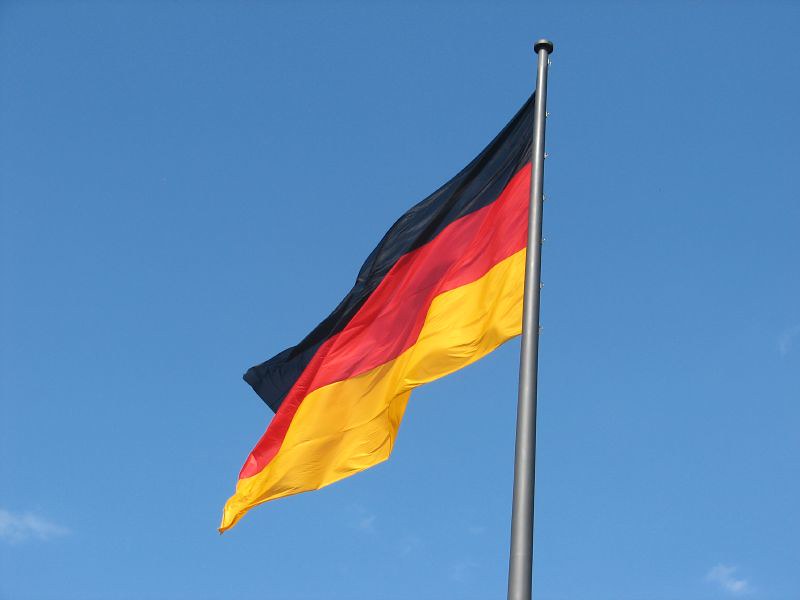
Germany allocates roughly 3.1 % of GDP to R&D. As Europe’s largest economy, Germany’s R&D efforts center on automotive, engineering, industrial automation, and now digital transformation.
While the share may seem modest compared to the top two countries above, in absolute terms Germany’s research investment is enormous. The challenge remains to scale innovation into emerging sectors.
10. Finland

Finland recently reported R&D expenditure of 3.2 % of GDP for 2024. Finland’s model involves strong public research institutions, a vibrant start-up ecosystem (particularly in gaming, digital services and cleantech) and effective commercialization channels.
The relatively high R&D intensity in the country helps Finland remain competitive despite its small population.


