


Southeast Asia is entering a new phase of regional integration. The 47th ASEAN Summit in Kuala Lumpur marked a year of major economic milestones, from upgraded trade frameworks to new digital cooperation. Together, these steps show ASEAN’s determination to stay competitive in a fast-changing global economy.
This year, ASEAN leaders signed the upgraded ASEAN Trade in Goods Agreement (ATIGA). The update simplifies customs procedures, aligns standards, and opens more opportunities for small and medium-sized businesses to join regional trade networks.
ASEAN also deepened its partnership with China through the ASEAN-China Free Trade Area (FTA 3.0). The new deal moves beyond tariff reductions, expanding cooperation on digital trade, sustainable production, and supply chain resilience. These adjustments show how ASEAN is adapting its trade policy to global shifts and disruptions.
The fifth Regional Comprehensive Economic Partnership (RCEP) Summit, hosted by Malaysia, reaffirmed ASEAN’s central role in one of the world’s largest trade blocs. Leaders reviewed progress, discussed expansion, and emphasized the need to keep regional cooperation dynamic and inclusive.
Driving Digital Transformation
Another major development is the near completion of the ASEAN Digital Economy Framework Agreement (DEFA). Under Malaysia’s leadership, member states are finalizing the blueprint that will guide digital trade, data flow, and online transactions across the region.
DEFA is expected to add up to one trillion US dollars to ASEAN’s GDP by 2030. It will give businesses, from start-ups to established firms, a single digital standard that improves efficiency and builds trust. The region’s digital economy already contributes over 7 percent of total GDP, led by e-commerce, fintech, and logistics. DEFA aims to turn that momentum into sustained, inclusive growth.
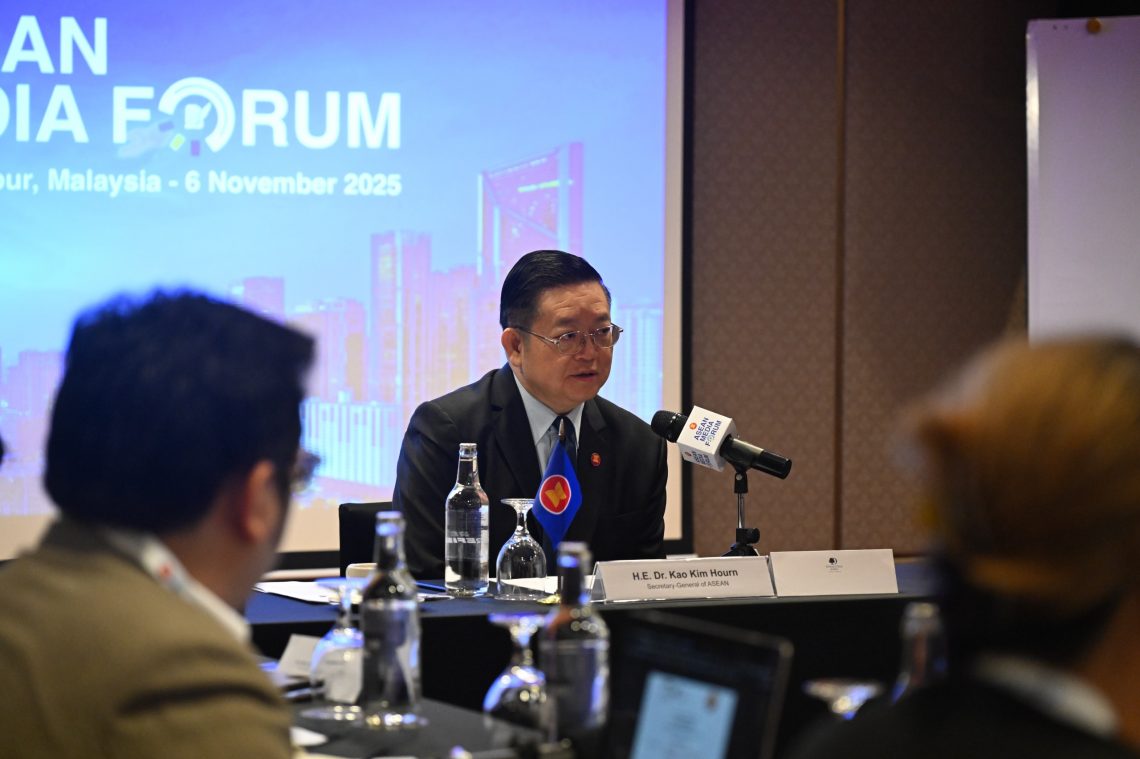
At the 9th ASEAN Media Forum, ASEAN Secretary-General Dr. Kao Kim Hourn reminded journalists that progress cannot be measured by numbers alone. It is also about people, connection, and the ability to adapt to change. His remarks highlighted that economic agreements only matter when they improve lives across the region.
Building a Future-Ready ASEAN
Dr. Kao summed up ASEAN’s economic direction in three words: integration, innovation, and inclusion. The upgraded trade deals, digital cooperation, and expanding partnerships are part of one vision, to make the region stronger and more connected.
The next challenge is to translate these commitments into action. Policymakers must ensure that regional growth reaches communities, while the media continue telling the ASEAN story clearly and accurately.
For 680 million people across Southeast Asia, the shift from trade to tech is more than policy. It’s about securing a future where growth is shared, innovation thrives, and ASEAN remains a vital force in the global economy.


