


The year 2025 has redefined the way we perceive heritage across Southeast Asia. For LOCCO, the observation is clear. Culture no longer waits for grand stages or formal invitations. It has moved into the streets. It flows through the crowd and exists naturally within the rhythm of modern life.
The Malaysia Sarong Music Run served as a definitive moment for this shift. It was not just a local event. It was a demonstration of a growing regional trend where the public, particularly the younger generation, interacts with heritage without the traditional barriers of age or formality.
Culture Without Borders
Throughout the region, traditional garments like the sarong are being worn out of desire rather than duty. Participants in recent movements have styled these cloths in ways that feel personal. Some keep it simple. Others experiment with bold, creative looks. Many are wrapping a sarong for the very first time.
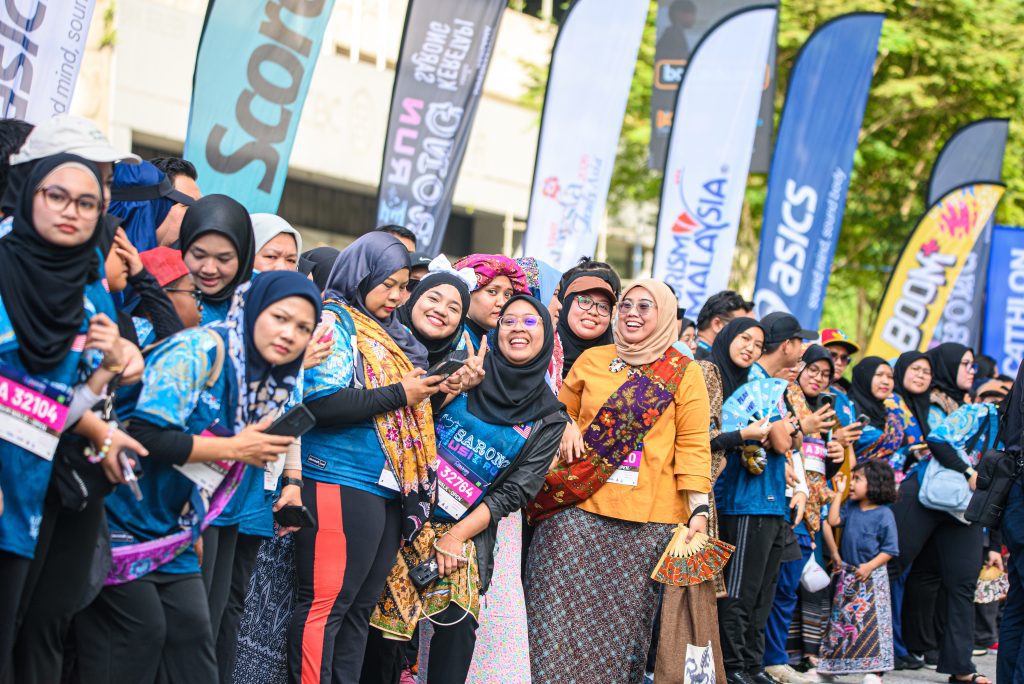
There are no rigid rules or official protocols. The atmosphere is defined by comfort and curiosity. This marks a vital change in the cultural landscape of Southeast Asia. For a long time, heritage was confined to structured contexts like official ceremonies or staged performances. In 2025, LOCCO observed that culture is most embraced when it is accessible and relaxed.
Newcomers are often seen asking for help with their first tie. They laugh at their own styles. They participate without needing to master a deep academic history first. This is the new reality. Culture does not demand a full scholarly understanding before one can join in. It only needs to be experienced.
The New Generation: Terms of Engagement
A consistent pattern has emerged throughout the year. The younger generation in Southeast Asia is not rejecting culture. They are simply rejecting the rigid ways it is often presented. They seek the freedom to make heritage a part of their own modern identity.
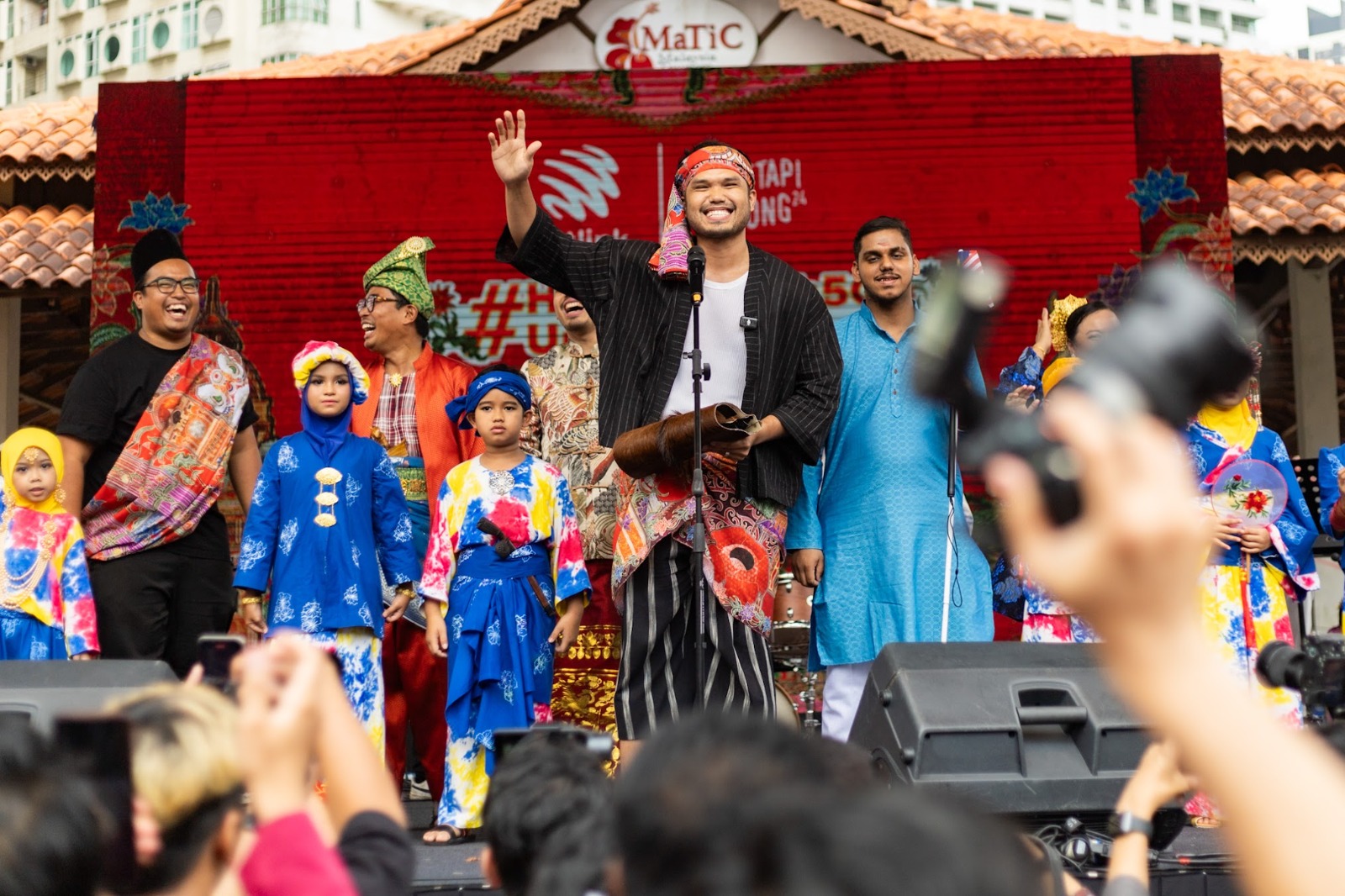
The sarong has become a primary example of this movement. It is no longer treated as a fragile relic to be guarded. Instead, it is a living textile that people can wear, move in, and breathe life into. LOCCO views this not as a new introduction, but as a natural continuity of shared regional roots.
A Mature Movement: Keretapi Sarong 2025
The success of Keretapi Sarong 2025 provided another layer of insight as the movement nears its 10th anniversary in 2026. What began as a small initiative to encourage traditional wear in public has evolved into a sophisticated cultural meeting point for the region.
People no longer see this as just a yearly festival. It has become a shared space that fosters a genuine sense of belonging. Culture is being accepted as a natural part of the urban environment.

For LOCCO, this shows that the upcoming decade milestone is not about the scale of the crowd. It is about how the movement has rooted itself in the public consciousness. It has become a continuous conversation about identity and the way we occupy public spaces together.
Experience Over Exhibition
The LOCCO approach remains steadfast. Culture should not be placed on a pedestal to be watched from a distance. It must move with the people. From spontaneous interactions to unscripted social media moments, heritage is now an experience rather than a performance.
The most impactful moments are often those that cannot be planned. They happen when the environment is right and individuals feel free to be themselves. This authenticity is the heartbeat of the new era.
Setting the Stage for 2026
As we look toward 2026, the lessons of 2025 offer a clear guide for the entire region. Cultural tourism does not need to be massive to be meaningful. Small, honest, and relaxed experiences often leave the deepest impressions. They open doors to real human connection across borders.

LOCCO sees its role as a facilitator of these spaces. We are moving away from gimmicks and toward building genuine interactions between people and their culture.


