


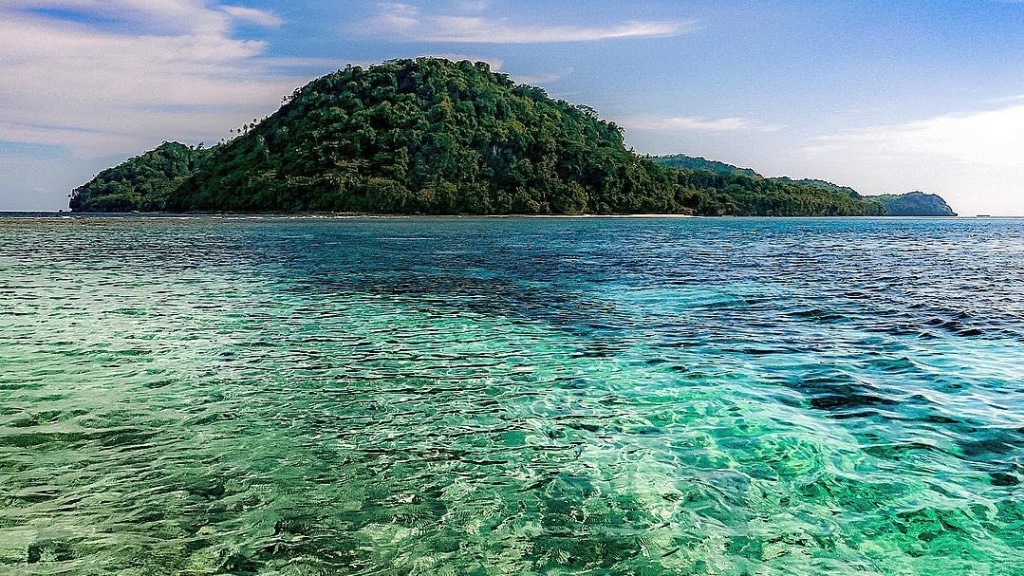
On July 31, 1667, a single stroke of a pen altered the map of the world forever. The Treaty of Breda effectively traded a swampy fur-trading outpost in North America for a tiny, volcanic speck in the Indonesian archipelago. At the time, the Dutch believed they had secured the deal of the millennium. The English, meanwhile, were satisfied to consolidate their hold on the Atlantic coast. This is the story of how Pulau Run. a 3-kilometer-long island in the Banda Sea. became the catalyst for the birth of New York City.
The Allure of the "Miracle" Nut
In the 17th century, nutmeg was the world's most coveted luxury. It was not merely a culinary spice. In Europe, it was believed to be a miracle cure for the Black Death and was used as a powerful food preservative in an age before refrigeration.
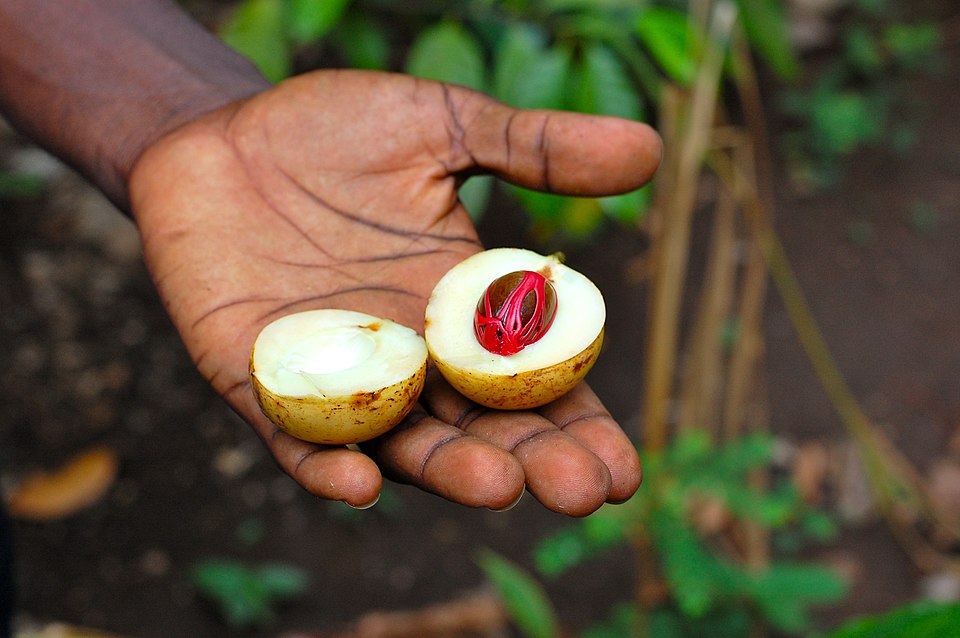
| User:Babacrash |
Because the tree (Myristica fragrans) grew exclusively in the Banda Islands of Maluku, the Dutch East India Company (VOC) was obsessed with a total monopoly. By 1621, they had seized nearly every island in the chain except for one: Pulau Run.
The Conflict: England's First Colony
While the Dutch were busy with military conquest, the English had negotiated with the local Bandanese leaders. In 1616, Pulau Run became England’s first overseas colony. The English fort on this tiny island was a "thorn in the side" of the Dutch, preventing them from controlling 100% of the world's nutmeg supply.
For over 50 years, the two nations engaged in naval wars and bloody skirmishes. During the Second Anglo-Dutch War, the English captured New Amsterdam, which was then a Dutch settlement with a population of only about 2,500 people.
The Treaty of Breda: The Ultimate Swap
Exhausted by conflict and fearing French expansion, the two powers sat down in Breda, Netherlands, to trade territories. The Dutch demanded Pulau Run at any cost. To them, a global monopoly on nutmeg was worth more than a vast, undeveloped territory in America. King Charles II wanted a contiguous block of land on the American East Coast.
He viewed New Amsterdam as the "missing piece" between his colonies in Virginia and New England. The swap was finalized. The Dutch officially ceded New Amsterdam to the English. who promptly renamed it New York. in exchange for the British withdrawing from Pulau Run.
The Fall of the Monopoly
The downfall of the Dutch spice monopoly was eventually driven by a combination of natural phenomena and human intervention. Nature played a primary role through the Nutmeg Imperial Pigeon, a bird that frequently consumed the fruit and dispersed undigested seeds across the sea to neighboring islands. This natural migration made it impossible for the Dutch East India Company to truly contain the species within their militarized borders.
Human interference proved even more devastating to the monopoly. In 1769, a French horticulturalist aptly named Pierre Poivre successfully orchestrated a mission of espionage. He smuggled live nutmeg seedlings out of the Maluku islands and transplanted them to Mauritius. This act broke the exclusive grip the Dutch held on the plant’s biology.
The final blow came during the Napoleonic Wars when the British military temporarily seized control of the Banda Islands. During their occupation, the British uprooted thousands of seedlings and successfully established new plantations in Malaysia, Singapore, and as far away as Grenada in the Caribbean. By the time the Dutch regained control of the islands, the global market had changed. Nutmeg was being grown in multiple corners of the world, and the era of the million-dollar spice island had ended forever.
Pulau Run vs. Manhattan Today
The legacy of 1667 is a study in extreme opposites. Manhattan is the world's financial nerve center, defined by skyscrapers, Wall Street, and a GDP in the trillions. Pulau Run remains a quiet, remote village. It has no cars, no major roads, and electricity that often only runs for a few hours at night.
The ancient nutmeg trees still grow, but their price is a fraction of what it once was. The island that was once worth its weight in gold has returned to the sea’s embrace, while the "worthless swamp" it was traded for became the capital of the modern world.


