


In mid-April 1955, the city of Bandung, Indonesia, became the epicenter of a global political shift. The Asian-African Conference (AAC) officially commenced, bringing together representatives from 29 nations and liberation fighters from across two continents. The presence of this collective force was enough to send a shiver through the colonial powers of the time.
Across the ocean, this event was being watched closely by Malcolm X. For the American public in the 1950s and 1960s, Malcolm X was a phenomenal yet controversial figure. As the primary spokesperson for the Nation of Islam and a grassroots leader, he possessed the power to mobilize thousands with his razor-sharp oratory. While Martin Luther King Jr. was celebrated for his non-violent approach, Malcolm X stood as the symbol of radical resistance, demanding black dignity "by any means necessary." His influence was so profound that he became one of the most monitored individuals by American intelligence agencies.
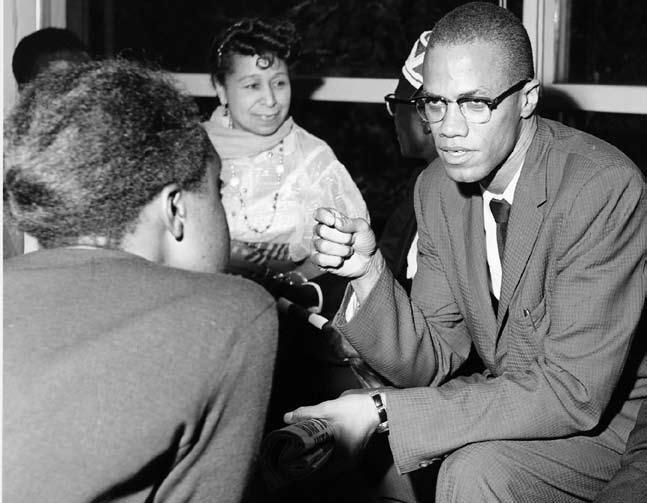
Malcolm X was among the world figures most deeply moved by the events in Bandung. He marveled at how nations of color could unite to combat a common enemy: colonialism and imperialism. Differences in tribe, religion, race, and even political ideology proved to be no barrier to their alliance.
"In Bandung, all nations gathered together. They were the dark nations from Asia and Africa. There were Buddhists, Muslims, Christians, Confucians, and some atheists. Despite their different religions, they gathered together. There were communists, socialists, and capitalists. Despite economic and political differences, they gathered together. They were all black, brown, red, and yellow," Malcolm stated in one of his famous addresses.
A Strategic Reference in "Message to the Grassroots"
In his 1963 speech, Message to the Grassroots, Malcolm utilized the Bandung Conference as the primary strategic reference for the Black struggle in the United States. He emphasized the necessity of identifying a common enemy and building unity above collective interests. To him, systemic racism was a foe that had to be confronted in the same manner that Asian and African nations fought their colonizers.
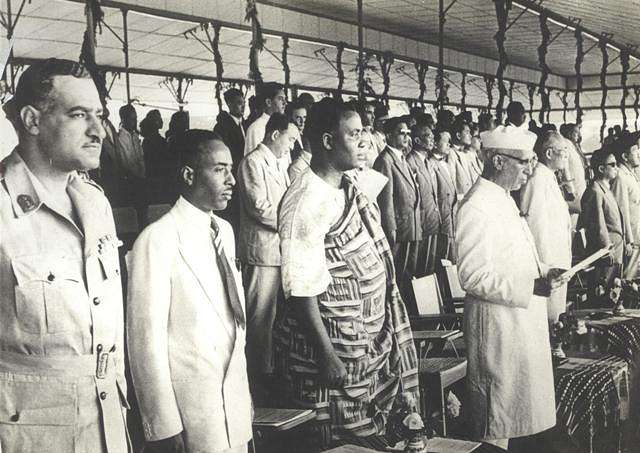
Malcolm’s personal history was rooted in the bitterness of discrimination. Born on May 19, 1925, in Omaha, Nebraska, he experienced the cruelty of segregation from a young age. His father, Earl Little, was a civil rights activist who faced constant death threats from white militias. His family was forced to move repeatedly to evade the violence that shadowed them.
Tragedy eventually struck when Malcolm was only four years old. His father was found dead under gruesome circumstances. Many concluded that Earl had been murdered by white supremacists. Growing up in such a discriminatory environment left black children with very few choices. Malcolm eventually fell into a life of petty crime and robbery, which led to a ten-year prison sentence.
Transformation and a Revolutionary Legacy
His time in prison became a turning point. He found enlightenment through the Nation of Islam (NOI) under the leadership of Elijah Muhammad. The organization encouraged Black people to distance themselves from white society through economic empowerment and religious identity. Malcolm’s thinking continued to radicalize. Unlike his contemporaries who prioritized non-violence, Malcolm advocated for the right to physical self-defense.
The 1955 Bandung Conference truly expanded his intellectual horizons. He began to see that racism in America was inextricably linked to global colonialism. From that point on, he echoed the call for a "Black Revolution" that encompassed all non-white peoples. His political stance sharpened as he distinguished between the "House Negro" who remained loyal to the master and the "Field Negro" who dared to revolt in the face of oppression.
Malcolm X’s journey ended tragically on February 21, 1965. While delivering a speech in Manhattan, he was assassinated by members of the NOI. Though his life was cut short, the spirit he drew from Bandung lives on as an inspiration for oppressed nations worldwide.
A Great Figure Forgotten in Indonesia
An ironic fact remains behind this emotional connection. Despite Bandung being a pillar in the evolution of his thought, Malcolm X remains relatively unpopular among the Indonesian public compared to other figures. Many are unaware that the narrative of resistance he championed in the United States shares a deep, common thread with the spirit of decolonization declared on Jalan Asia Afrika.


