As Malaysia is already in Visit Malaysia 2026 (VM2026) year, the conversation around tourism is slowly shifting from numbers and arrivals to something more fundamental - how a country makes people feel.
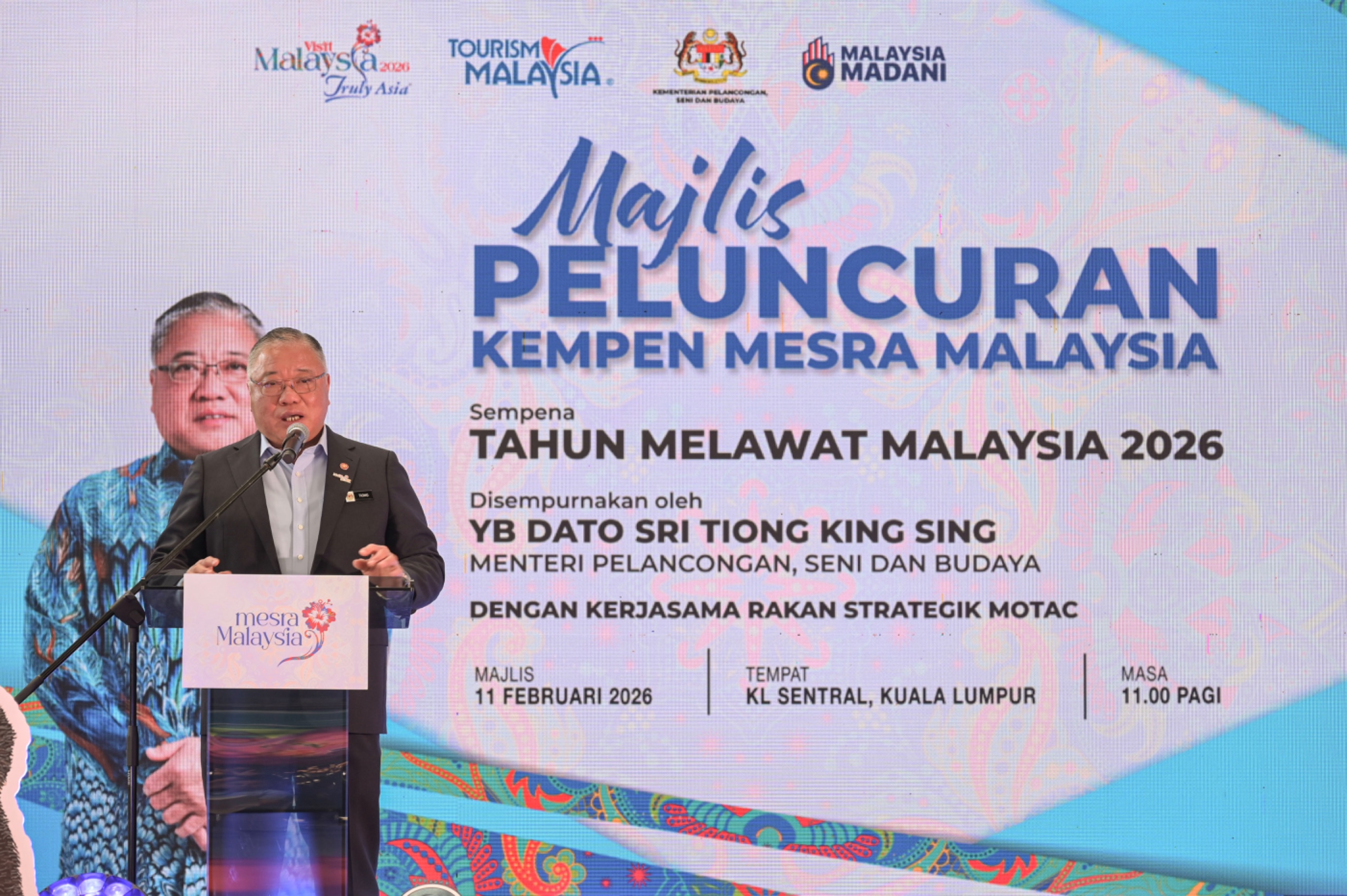
The launch of the Kempen Mesra Malaysia is not merely a campaign about service standards. It reflects a deeper understanding that Malaysia’s strongest tourism asset has never been confined to landscapes, food or infrastructure alone. It has always been its people.
The everyday warmth at airports, the patience of a driver explaining directions, the quiet willingness of strangers to help — these small gestures have long shaped the Malaysian experience more than any brochure ever could.
In this sense, the campaign acknowledges something important: hospitality cannot be manufactured overnight. It must be practised, lived, and shared consistently by those who stand at the frontlines - transport workers, hotel staff, airline crews and tourism operators.
VM2026, therefore, is being framed not as a single-year celebration, but as a collective readiness exercise for the nation.
Malaysia’s diversity, cultural richness and accessibility remain key attractions. Yet what the campaign attempts to strengthen is the emotional layer of travel - ensuring visitors leave not only with photographs, but with stories of kindness and ease. It is an approach that recognises tourism as human interaction first, industry second.
At the same time, the ministry’s emphasis on safety and professionalism signals another dimension of preparedness. As visitor numbers grow, the responsibility of care grows alongside it.
The insistence on licensed tour guides and clearer operational roles is less about enforcement and more about safeguarding trust - ensuring that experiences remain safe, organised and professionally managed.
Tourism today is shaped as much by perception as by destination.
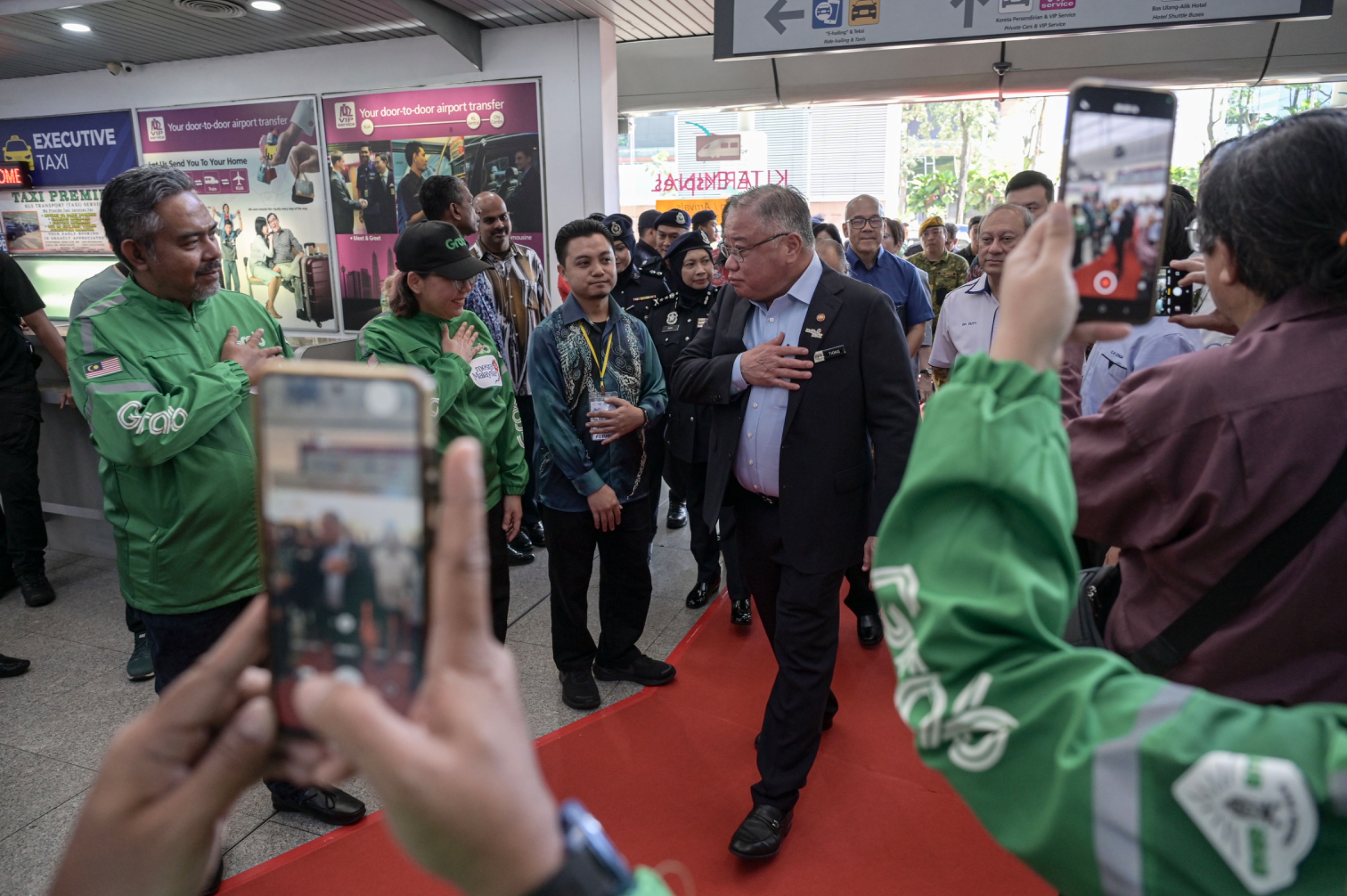
A single incident can travel faster than any promotional campaign. By reinforcing safety standards, clear responsibilities and regulatory clarity, the ministry appears to be positioning VM2026 as a mature tourism phase — one where growth is balanced with accountability.
There is also a recognition that a healthy tourism ecosystem requires cooperation rather than confrontation.
The openness towards dialogue with industry players reflects an understanding that tourism evolves on the ground, and policies must respond to operational realities without compromising safety or standards.
Seen together, these approaches reveal a consistent philosophy.
VM2026 is not only about attracting more visitors, but about shaping how Malaysia wishes to be remembered. A friendly nation, certainly - but also a responsible one. Warm, yet professional. Welcoming, yet prepared.
For Malaysia, being “mesra” is not a slogan. It is an identity. And in the lead-up to 2026, the effort seems to be about ensuring that this identity is not assumed, but consciously practised - from arrival halls to highways, from tour buses to city streets.
Because in the end, tourism succeeds not when visitors arrive, but when they choose to return.