


A slow but decisive shift is underway in the global cocoa market—and Indonesia stands to benefit. While Ghana, the world’s second-largest cocoa producer, is grappling with declining output and deep structural pressures, Indonesia is showing a clear expansionary trend.
In early February 2026, Ghanaian President John Dramani Mahama convened an emergency cabinet meeting to address the cocoa sector crisis. The agenda ranged from delayed payments to farmers and liquidity problems at the Ghana Cocoa Board (COCOBOD) to steadily shrinking harvests.
For a country that has spent decades holding second place behind Ivory Coast, the situation has become a serious warning signal.
Ghana Under Pressure, Output Continues to Fall
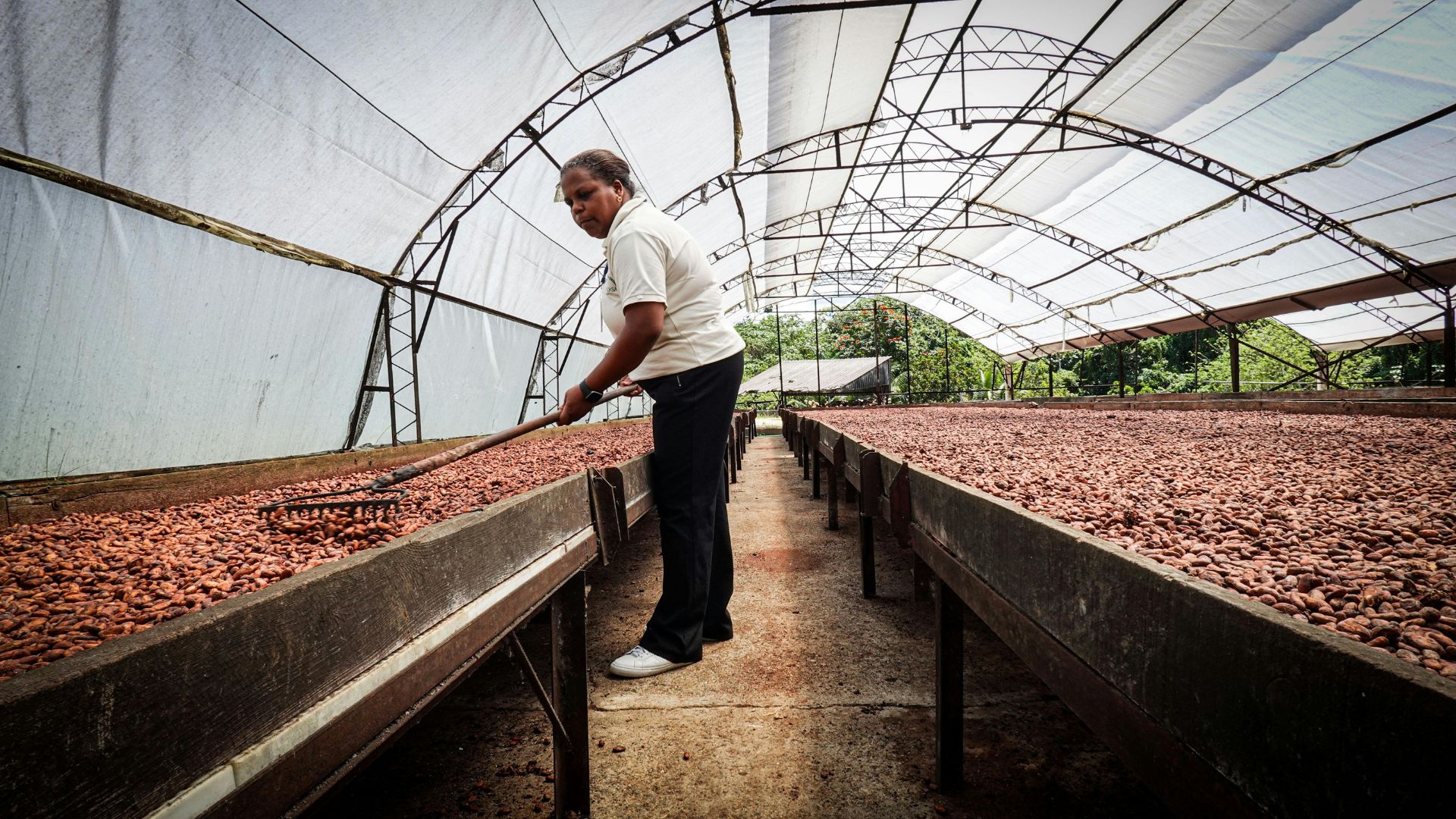
Cocoa is the backbone of Ghana’s rural economy. More than 800,000 households depend on the commodity for their livelihoods. Yet over the past two seasons, production has declined sharply.
COCOBOD previously cut its 2024/2025 harvest projection from 650,000 tons to 617,500 tons. Actual output is now expected to remain below 600,000 tons—far below Ghana’s historical average of around 800,000 tons, and a stark contrast to the 2020/2021 season, when production exceeded 1 million tons.
This assessment was delivered directly by Randy Abbey, Managing Director of COCOBOD and the top official responsible for Ghana’s cocoa operations and marketing. On June 10, 2025, he stated that approximately 590,000 tons had been collected with three months remaining in the harvest season.
The figure was well below Ghana’s long-term average and sharply contrasted with the record output of the 2020/2021 season.
Production is not the only challenge. Abbey also highlighted sales issues. Although more than 530,000 tons have been sold, around 50,000 tons remain in the hands of farmers due to farmgate prices considered uncompetitive.
COCOBOD is also facing liquidity constraints, leading to delayed payments to farmers. The production decline itself stems from a combination of factors: aging cocoa trees, the spread of Cocoa Swollen Shoot Virus, illegal gold mining (galamsey), smuggling, and weather disruptions linked to climate change.
Across West Africa, cocoa productivity remains below 500 kilograms per hectare.
Indonesia and Other Competitors Gain Momentum
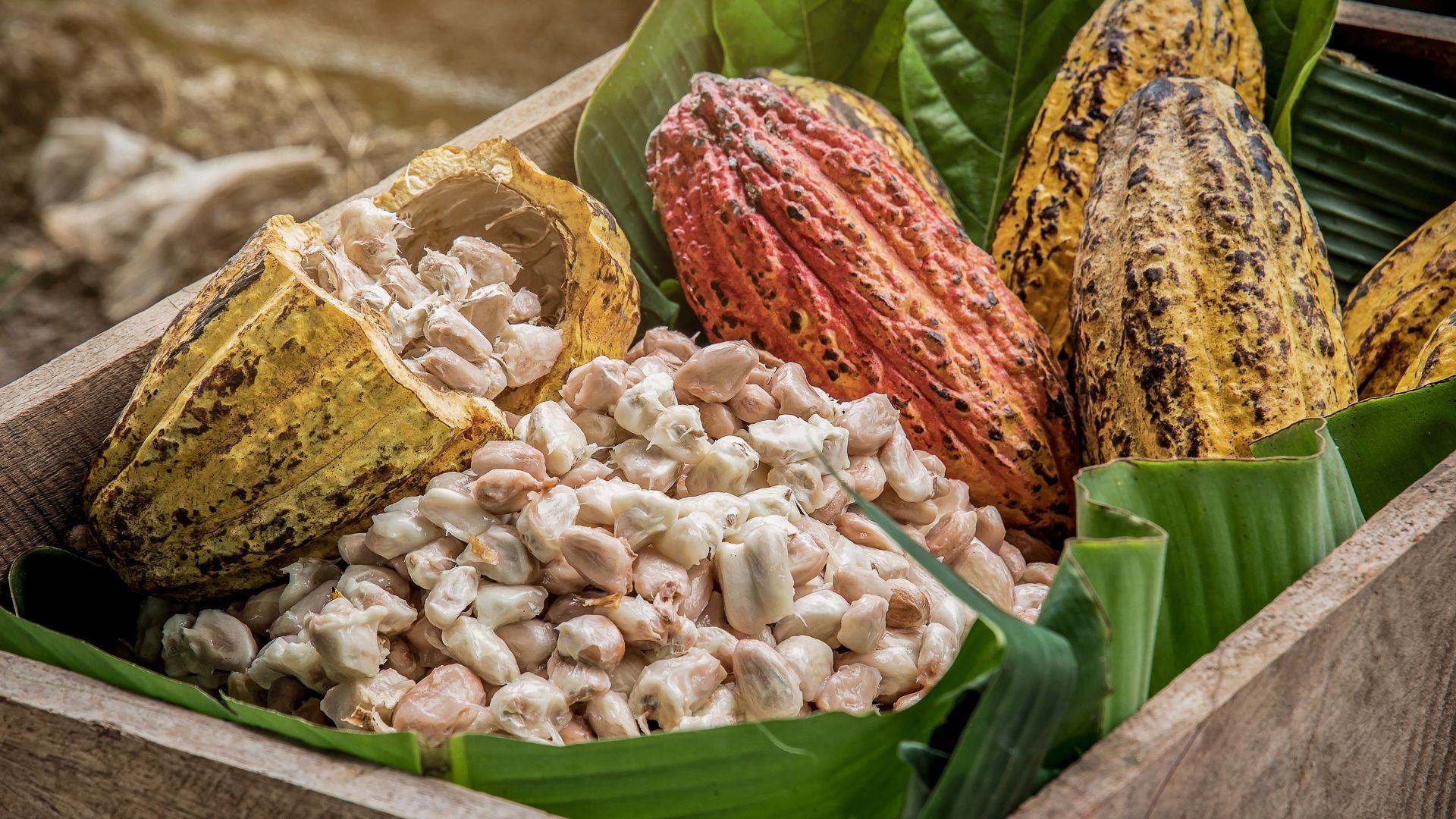
Amid mounting pressure on Ghana, Indonesia is showing clear signs of progress. In 2023, Indonesia’s cocoa production reached 641,741 tons. Global projections point to a potential increase of around 30%, rising to approximately 836,000 tons by 2026.
This growth is being driven by government programs and private-sector initiatives such as Cocoa Life, which focuses on improving fermentation quality and farm productivity. With plantations dominated by the Forastero variety and a smaller share of Trinitario, Indonesia is steadily consolidating its position as a leading cocoa producer in Southeast Asia.
Beyond Indonesia, Ecuador is projected to produce more than 650,000 tons in the 2025/2026 season and is targeting 800,000 tons before the end of the decade, supported by productivity levels of around 800 kilograms per hectare. Nigeria is also seeking to raise output from roughly 340,000 tons to 500,000 tons.
If these trends persist while Ghana struggles to recover, the global production hierarchy could shift significantly.
A New Window of Opportunity
Cocoa prices surged to record levels above US$10,000 per ton in 2024 before correcting to around the mid-US$3,700 per ton range as of February 12, 2026, based on ICE Futures contracts.
Such volatility has increased financing risks, particularly for institutions like Ghana’s cocoa authority, which relies heavily on forward sales to secure syndicated loans.
West Africa accounts for roughly 70% of global cocoa supply. As a result, any production disruption in Ghana has immediate repercussions across the global supply chain.
Within this context, Indonesia finds itself at a strategic moment. While Ghana struggles to defend its long-held position as the world’s second-largest cocoa producer, Indonesia has a growing opportunity to strengthen its standing in international markets.


