


Every year, Good Friday transforms communities across the Philippines into solemn spaces of prayer, reflection, and dramatic religious expression. As one of the most devoutly Catholic nations in the world, the country marks this sacred day with deeply rooted traditions.
Among the most striking are the street processions, the Santo Entierro, elaborately designed carrozas, and even the reenactment of Christ’s crucifixion.
The Religious Significance of Good Friday
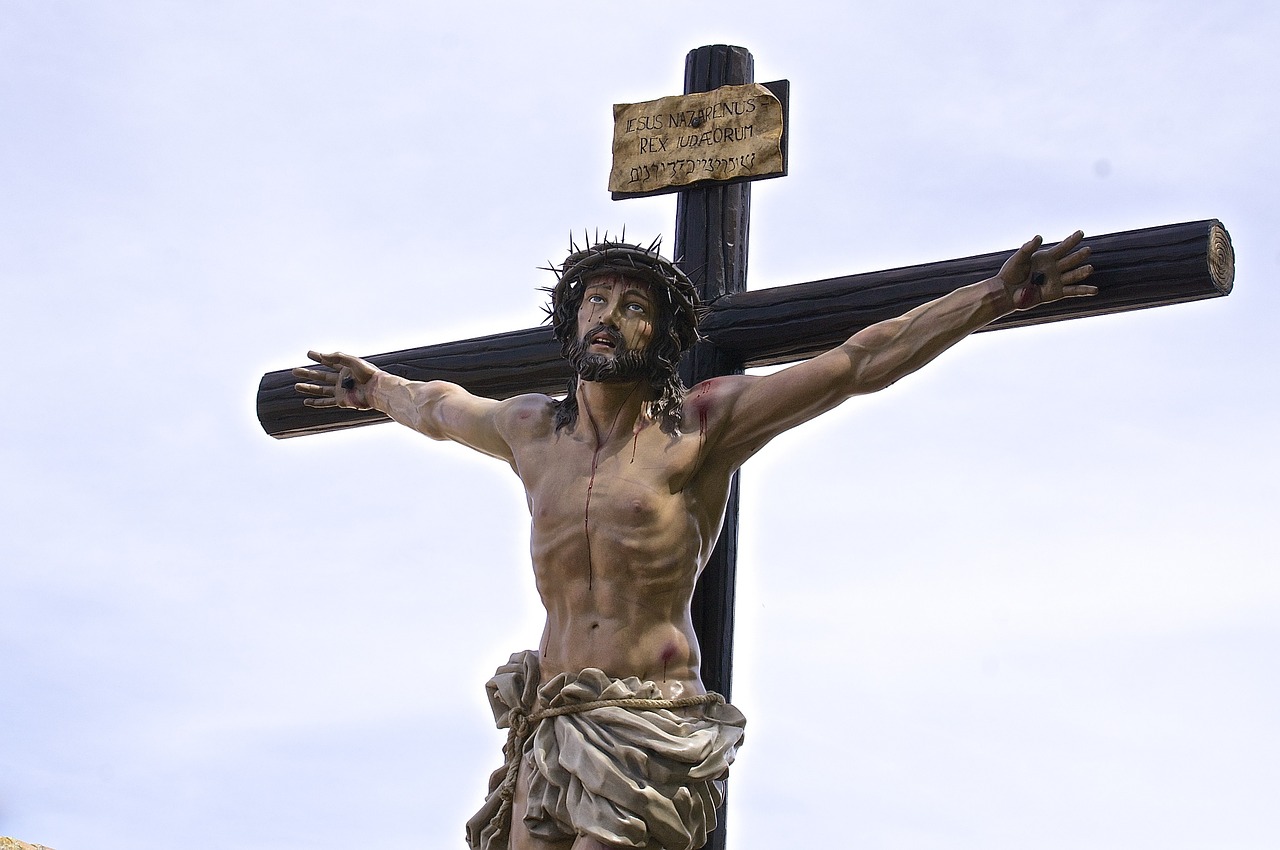
Good Friday commemorates the suffering and death of Jesus Christ, a central event in Christian belief. In the Philippines, where Catholicism was introduced during Spanish colonization, this day holds profound spiritual importance.
It is part of the Holy Week observance, culminating in Easter Sunday, and is marked by fasting, prayer, and public expressions of devotion.
For many Filipinos, faith is not confined to the walls of the church. Instead, it is lived and expressed in the streets, where entire communities gather to participate in rituals that have been passed down through generations.
The Santo Entierro: Mourning the Death of Christ

One of the most solemn highlights of Good Friday in the Philippines is the Santo Entierro, or the procession of the dead Christ.
This ritual features a life-sized image of Jesus lying in a glass casket, symbolizing His death and burial. The image is often intricately crafted and carefully preserved, treated with deep reverence by devotees.
As the Santo Entierro moves through the streets, it is accompanied by mournful hymns and prayers. Participants walk in silence or recite the rosary, creating an atmosphere of collective grief and reflection.
The procession often takes place in the evening, illuminated by candles that add to its somber and sacred tone.
Carrozas: Moving Symbols of Faith

Another essential element of the Good Friday procession is the use of carrozas, ornately decorated floats that carry religious images.
Each carroza typically depicts a scene from the Passion of Christ, such as the Last Supper, the agony in the garden, or the carrying of the cross.
These floats are often adorned with flowers, candles, and intricate carvings, showcasing both artistic craftsmanship and religious devotion. Families or community groups take responsibility for maintaining specific carrozas, passing down this duty through generations.
As the procession moves forward, the carrozas create a visual narrative of Christ’s suffering, allowing participants and onlookers to meditate on each stage of the Passion. The slow, deliberate pace of the procession enhances the sense of solemnity and reverence.
The Reenactment of the Crucifixion

Perhaps the most striking and controversial aspect of Good Friday in the Philippines is the live reenactment of the crucifixion. In certain areas, particularly in provinces like Pampanga, volunteers take part in dramatic performances that depict the suffering of Christ.
Some participants go as far as being nailed to wooden crosses, reenacting the crucifixion in a literal and physical way. These individuals often prepare for months through prayer and acts of penance, viewing their participation as a form of sacrifice and devotion.
While the Catholic Church does not officially endorse this practice, it continues to draw large crowds, including tourists and media. For the participants, however, the act is deeply personal, often undertaken as a form of thanksgiving, repentance, or spiritual fulfillment.
Community and Cultural Identity

Good Friday processions in the Philippines are not only religious events but also expressions of community and cultural identity. Entire neighborhoods come together to organize and participate in these rituals, strengthening social bonds and shared traditions.
From the preparation of carrozas to the coordination of processions, these activities require collective effort and dedication. They also provide an opportunity for younger generations to learn about their heritage and the significance of their faith.
In this way, Good Friday becomes a living tradition, continuously shaped by the people who observe it while remaining rooted in centuries-old practices.
Solemn and Striking Traditions

The commemoration of Good Friday in the Philippines stands as a powerful testament to the depth of Filipino faith and devotion. Through the Santo Entierro, the artistry of carrozas, and the dramatic reenactment of the crucifixion, believers bring the story of Christ’s Passion to life.
These traditions, both solemn and striking, reflect a unique blend of spirituality and culture that continues to inspire and unite communities.


