


Countries are often named after geographic features or cultural ideas, but some carry the legacy of influential individuals. These names reflect religious devotion, colonial history, or admiration for leaders and explorers.
From saints to monarchs, the origins behind these nations reveal fascinating connections between identity, history, and human influence across different parts of the world.
1. El Salvador, Jesus Christ
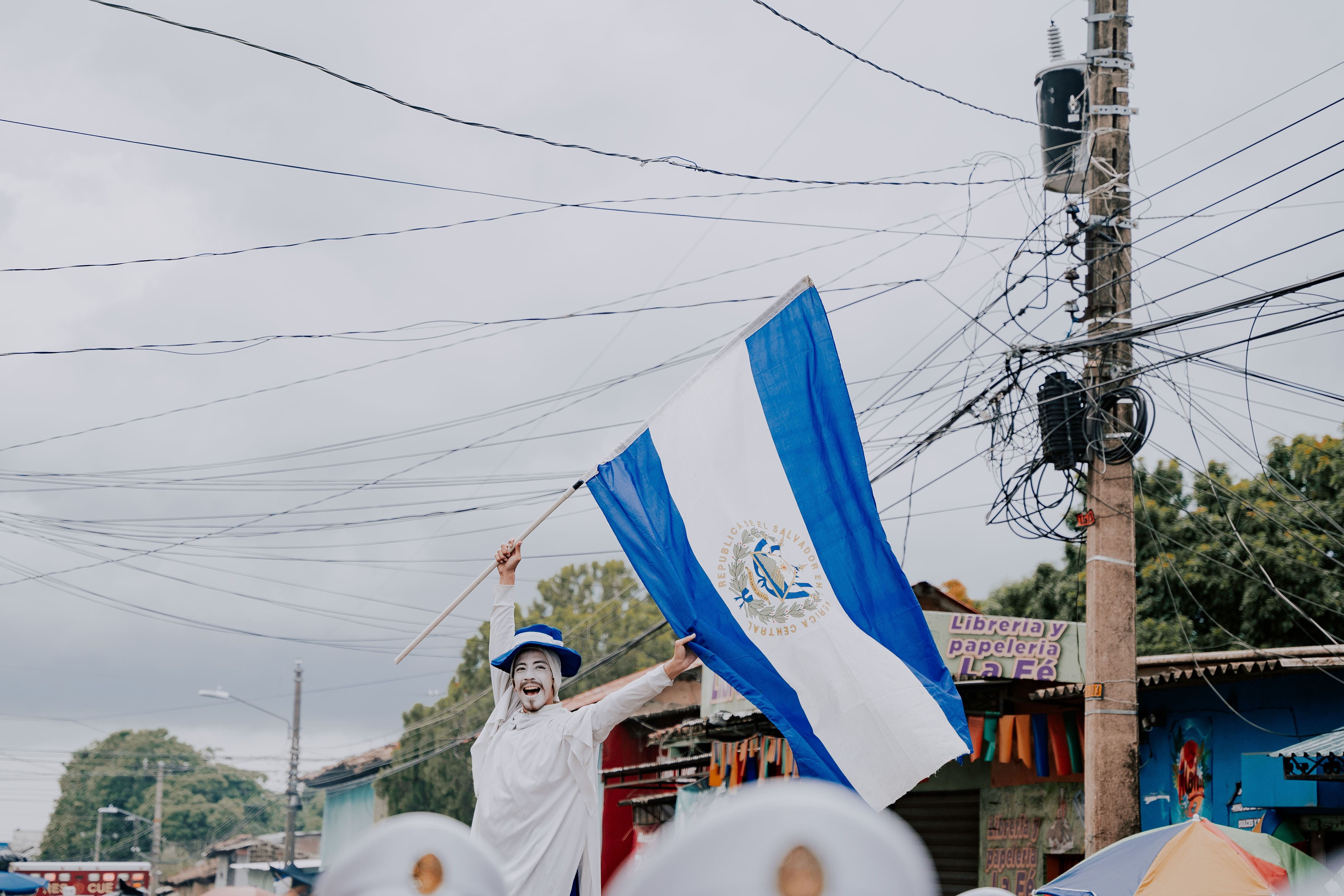
El Salvador translates to “The Savior” in Spanish, referring to Jesus Christ. Spanish conquistadors brought Christianity to Central America, and the name reflects the deep religious influence during colonization.
The country’s full official name once emphasized its Christian roots even more strongly, underscoring the importance of faith in shaping its national identity and cultural heritage.
2. The Philippines, King Philip II
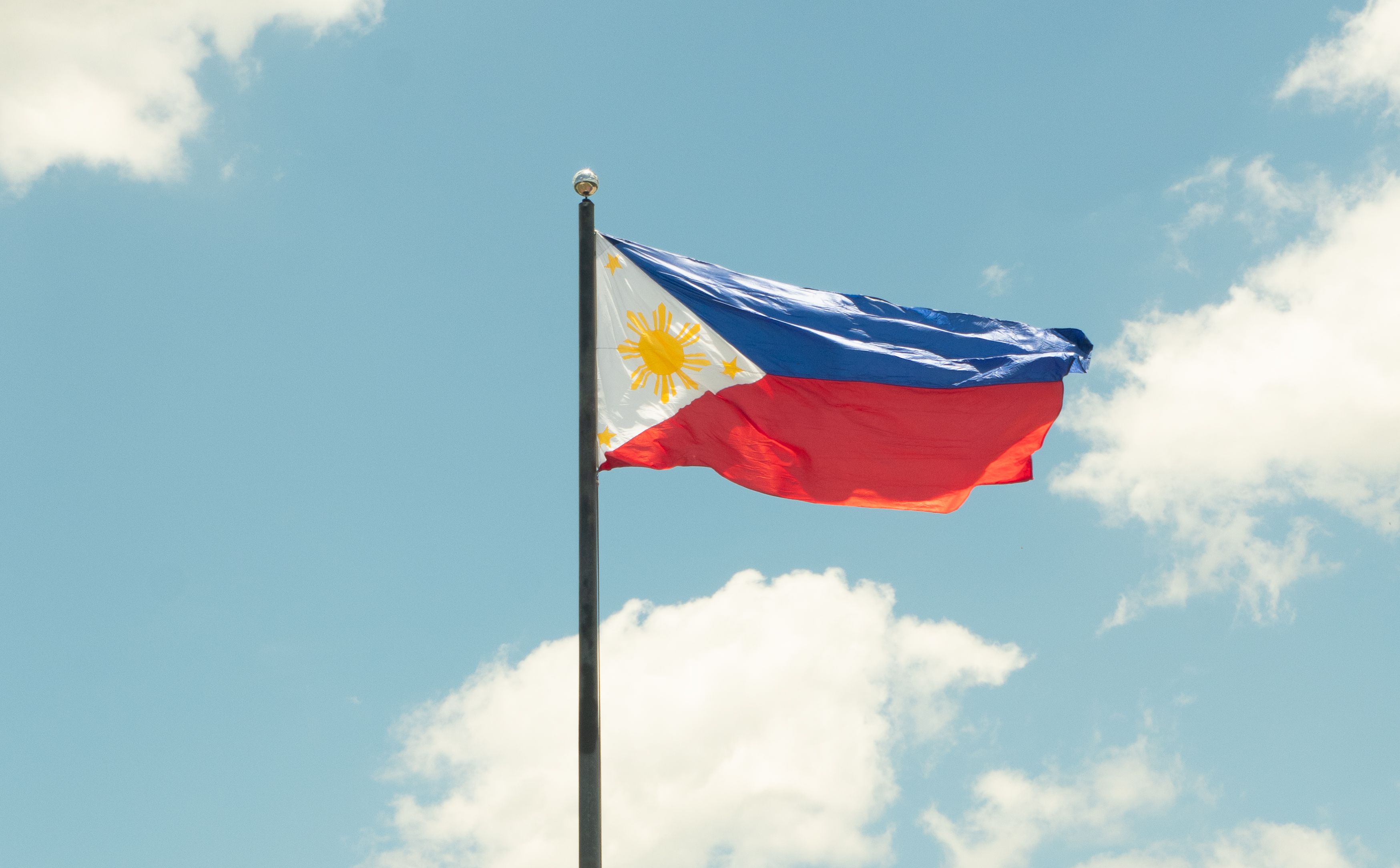
The Philippines was named in honor of King Philip II of Spain during the 16th century. Spanish explorer Ruy López de Villalobos gave the islands this name as a tribute to the monarch.
The naming symbolizes Spain’s colonial rule and lasting influence, especially visible today in the country’s language, religion, and cultural traditions shaped by centuries of Spanish governance.
3. Colombia, Christopher Colombus

Colombia derives its name from Christopher Columbus, the Italian explorer whose voyages opened the Americas to European exploration. Although Columbus never set foot in modern-day Colombia, revolutionary leader Simón Bolívar chose the name to honor him.
It represents the broader legacy of European exploration and its lasting consequences in shaping Latin America’s history.
4. Saudi Arabia, Saud bin Muhammad Al Muqrin

Saudi Arabia is named after the House of Saud, founded by Saud bin Muhammad Al Muqrin. The ruling family unified the Arabian Peninsula under their leadership in the early 20th century.
The country’s name reflects both political authority and dynastic heritage, making it one of the few modern nations directly named after a ruling family.
5. San Marino, Saint Marinus

San Marino takes its name from Saint Marinus, a Christian stonemason who founded a small community to escape religious persecution.
According to tradition, he established the settlement in the 4th century. Today, San Marino claims to be one of the world’s oldest republics, with its name preserving the legacy of its humble and devout founder.
6. Eswatini, King Mswati II

Eswatini, formerly known as Swaziland, is named after King Mswati II, a 19th-century ruler who expanded and unified the kingdom.
The name “Eswatini” means “land of the Swazis,” directly referencing his leadership. The renaming in 2018 aimed to reflect indigenous identity and move away from colonial-era naming conventions.
7. Seychelles, Jean Moreau de Séchelles
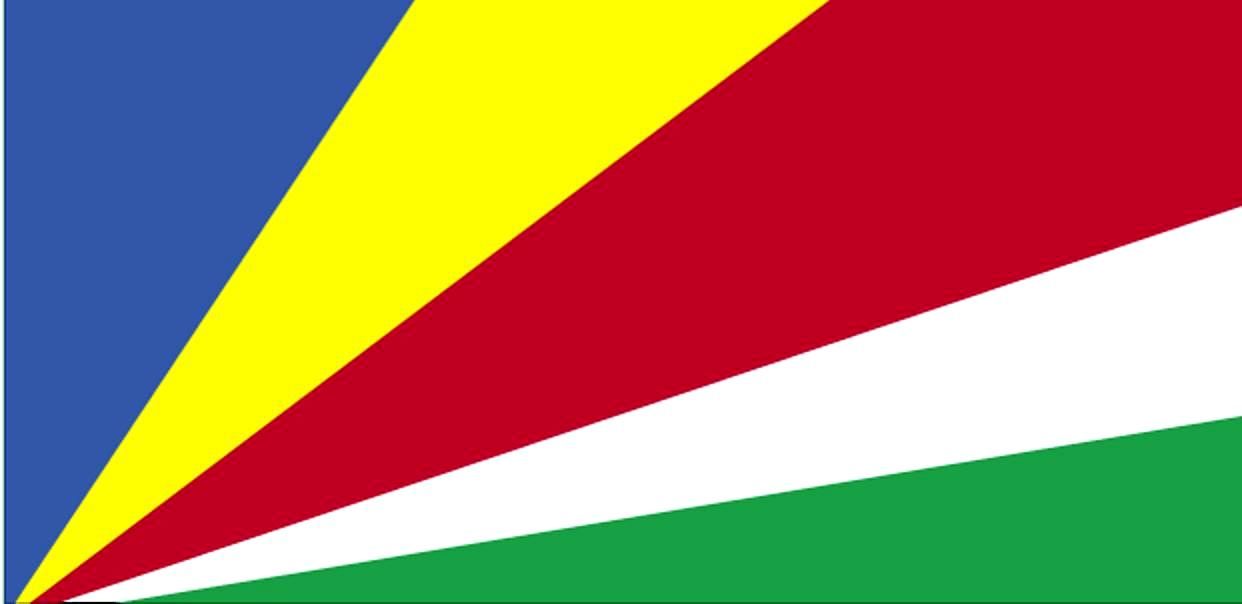
The Seychelles islands were named after Jean Moreau de Séchelles, a French finance minister during the 18th century. French explorers honored him when they claimed the islands.
The name highlights the era of European colonial expansion and the practice of naming territories after influential political figures back in Europe.
8. Saint Lucia, Saint Lucy
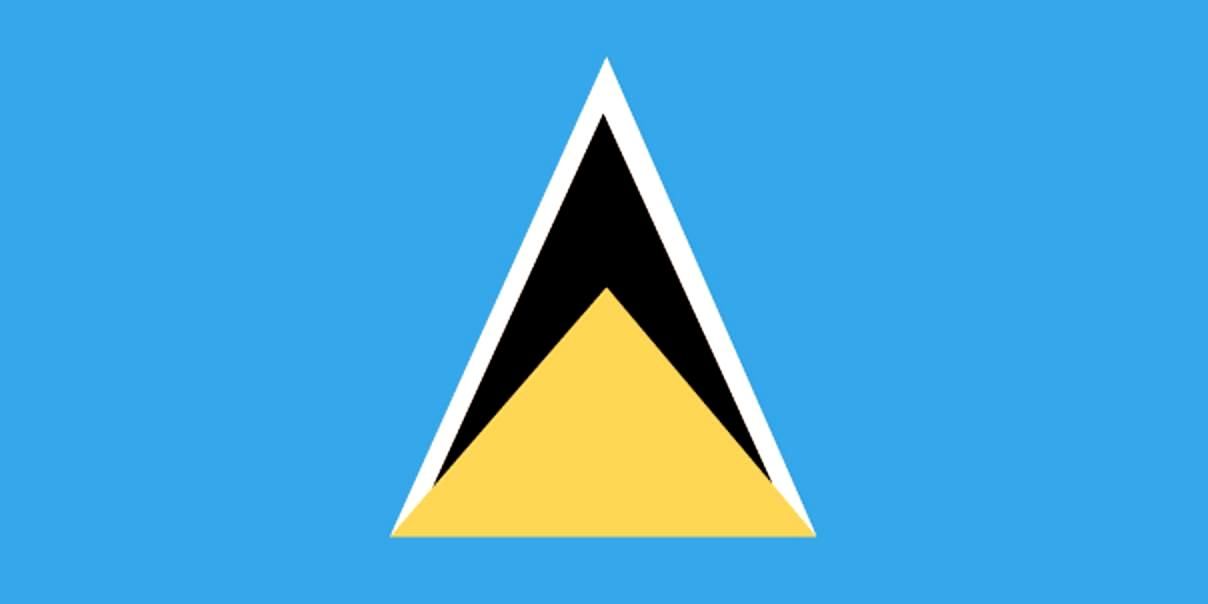
Saint Lucia is named after Saint Lucy, a Christian martyr. According to legend, French sailors named the island after surviving a shipwreck on her feast day.
The country remains one of the few in the world named after a woman, and its name reflects the strong religious traditions brought by European settlers.
9. Dominican Republic, Saint Dominic

The Dominican Republic gets its name from Saint Dominic, the founder of the Dominican Order. Spanish settlers established religious institutions in his honor, and the name reflects the influence of Catholicism.
It also distinguishes the nation from the island it shares with Haiti, emphasizing its distinct colonial and religious heritage.
10. Bolivia, Simón Bolívar
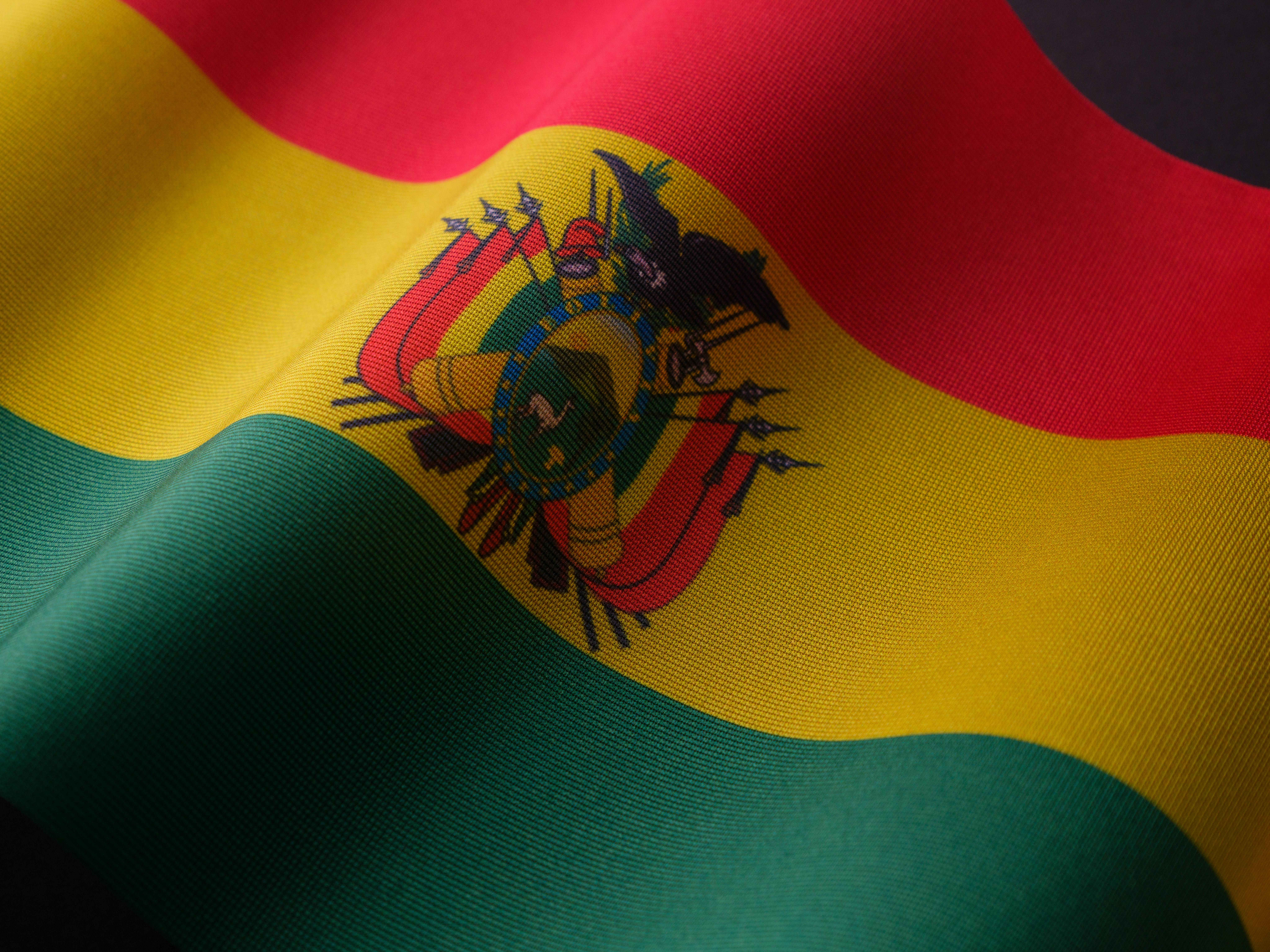
Bolivia is named after Simón Bolívar, the revolutionary leader who helped liberate much of South America from Spanish rule.
The country adopted his name to honor his role in independence movements. Bolivia stands as a tribute to his vision of freedom and unity across the continent.
11. Mozambique, Mussa bin Bique
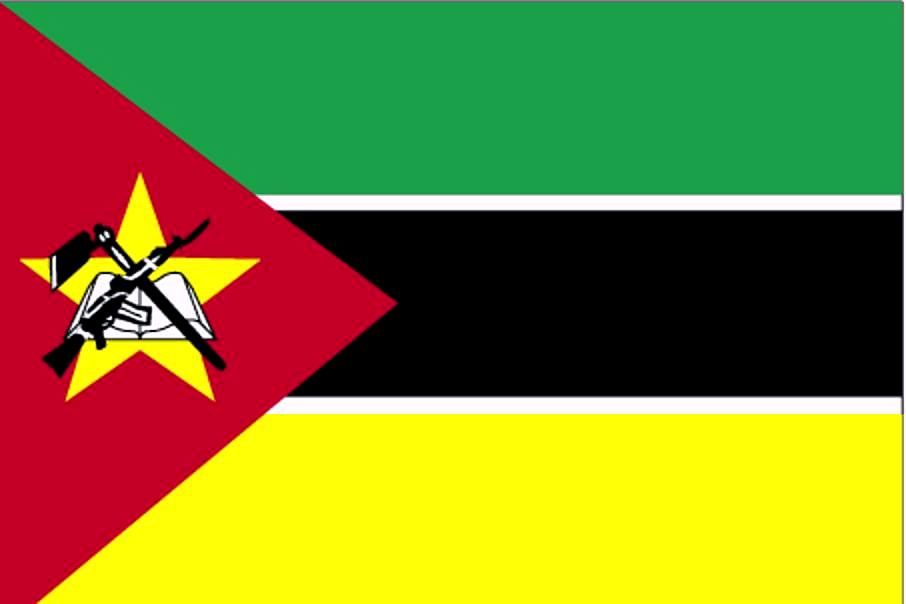
Mozambique is believed to be named after Mussa bin Bique, a local ruler encountered by Portuguese explorers. His name was adapted by the Portuguese and eventually applied to the entire region.
This origin reflects early interactions between African leaders and European explorers during the age of maritime expansion.


