The history of Earth is a dramatic saga of rise and fall, marked by cataclysmic events and the slow, inevitable march of evolution. While the mighty dinosaurs long ago became the silent fossils we study in museums, a handful of their contemporaries are still breathing, hunting, and swimming among us today.
These creatures are the ultimate survivors. They have witnessed the breakup of continents, the impact of world-ending asteroids, and the shifting of the planet's climate over hundreds of millions of years. They are living testaments to the idea that when nature achieves biological perfection, evolution simply stops.
Here are five ancient animals that have remained virtually unchanged since the dawn of time.
1. The Horseshoe Crab
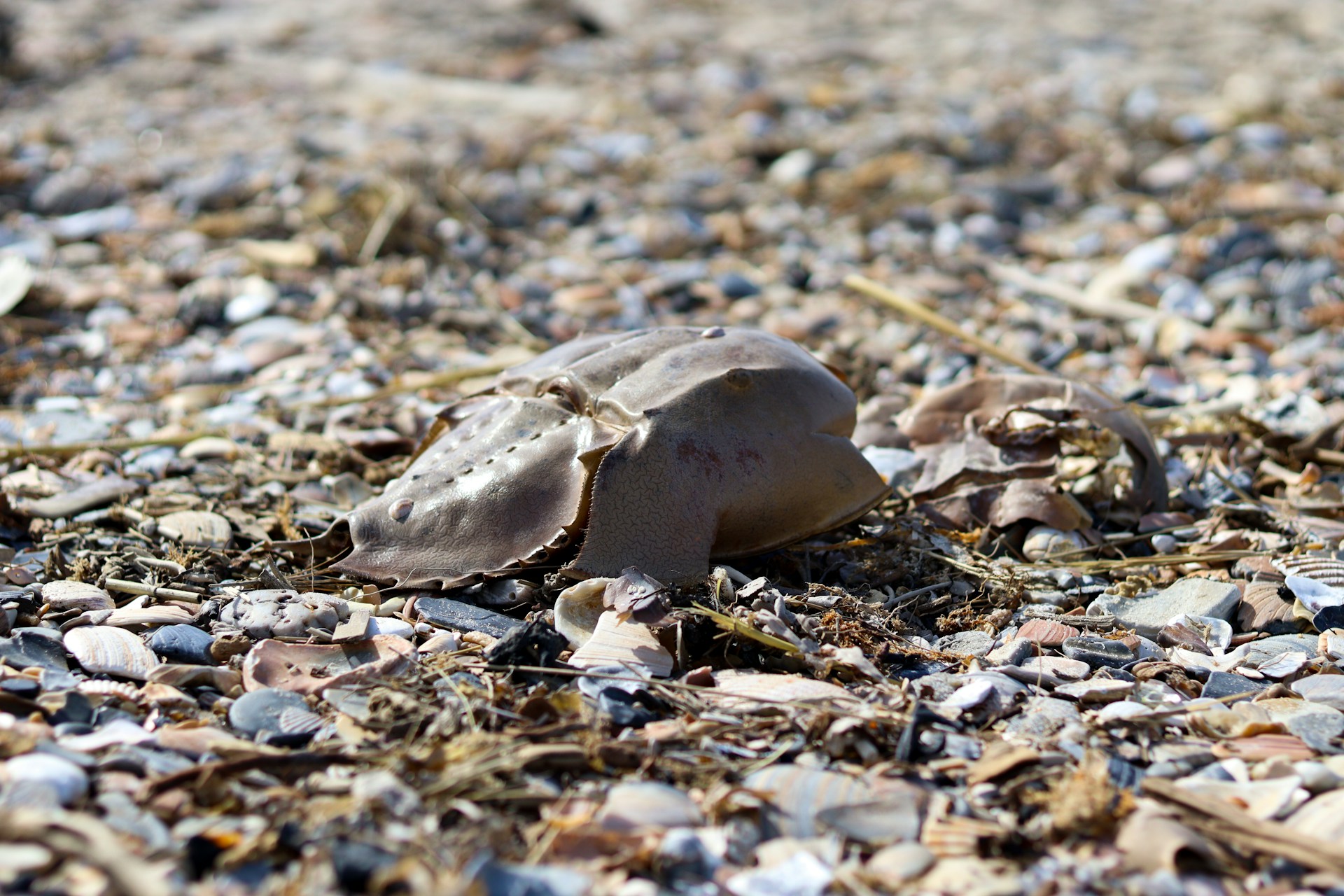
Despite their name, horseshoe crabs are distant relatives of spiders that have existed for 450 million years. Their armored shells and ten eyes allowed them to navigate the ocean floor long before the first dinosaurs appeared.
Their most famous feature is their blue blood, which contains a unique agent used to test the safety of modern vaccines. By protecting the human race from bacterial toxins, these silent heroes have secured their place in both ancient history and modern medicine.
2. The Crocodile
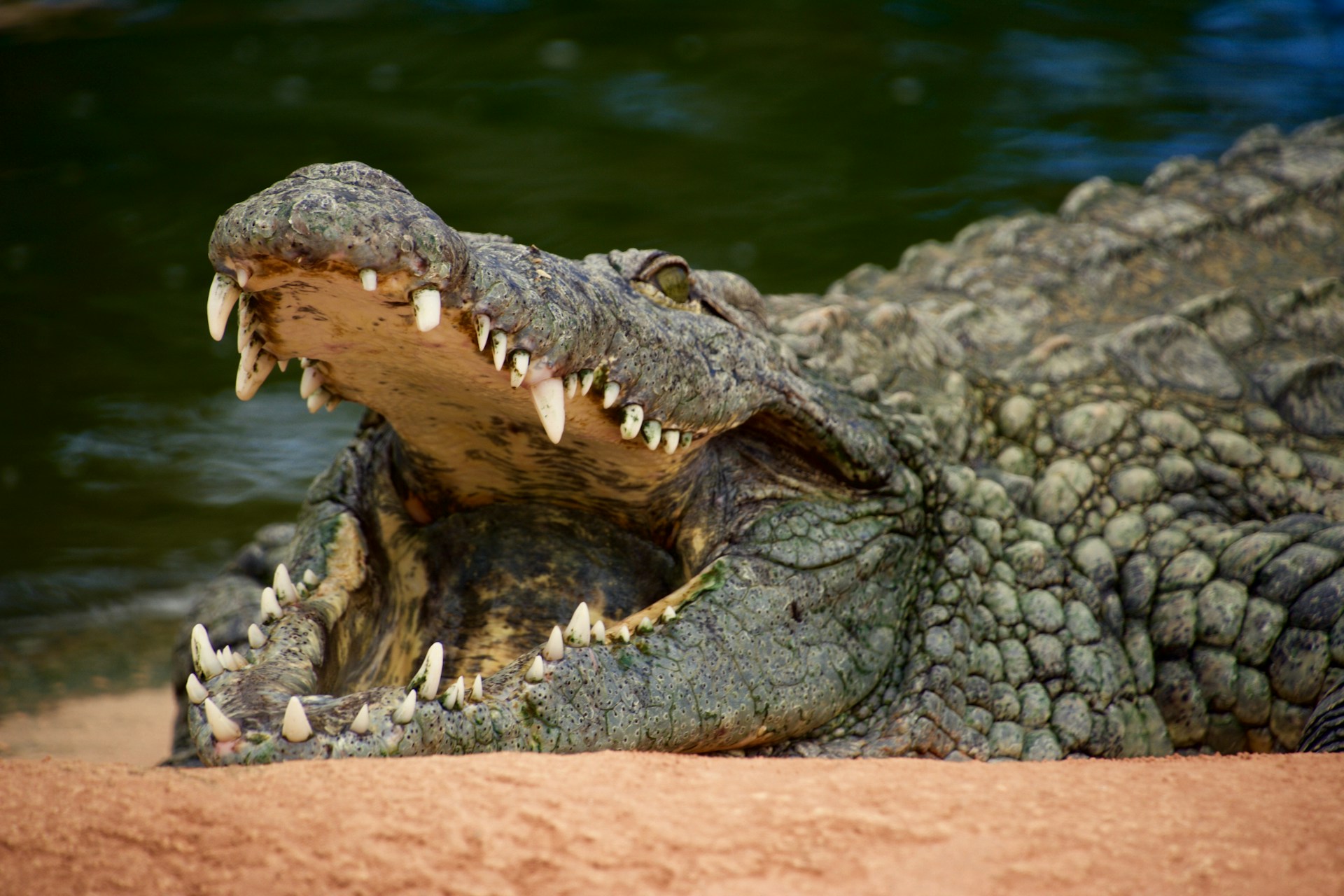
Appearing 200 million years ago, crocodiles are apex predators that once hunted alongside the massive Tyrannosaurus Rex. They are masterpieces of survival engineering, possessing the strongest immune systems and most powerful bites in the natural world.
These reptiles are masters of energy conservation, capable of surviving for several months without a single meal. Because their biological design is so efficient at capturing prey, they have remained the undisputed kings of the river since the Mesozoic Era.
3. The Sea Turtle
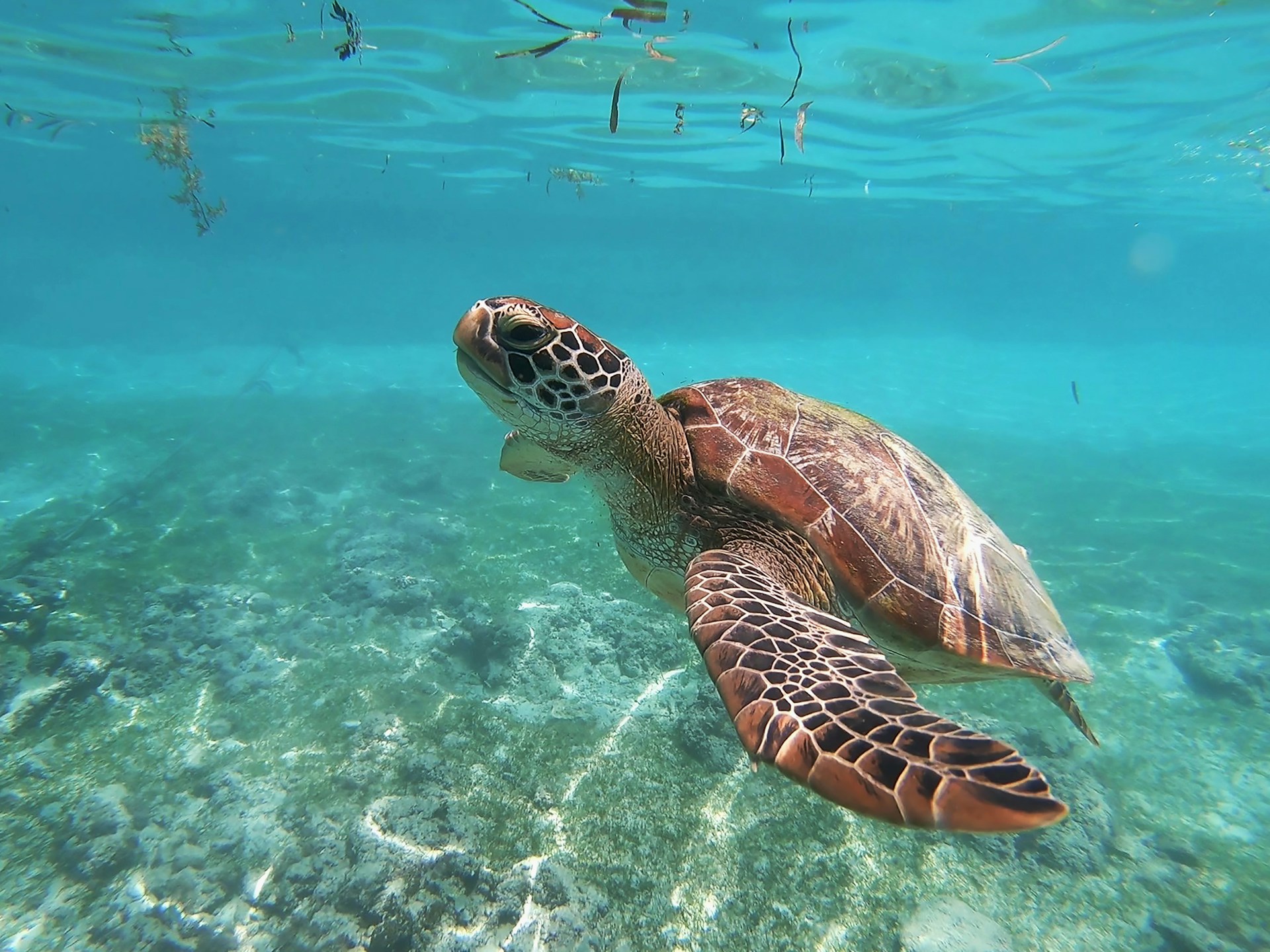
Sea turtles began navigating the global oceans roughly 110 to 220 million years ago when the world's continents were still joined together. While their shells provide vital protection, their true secret to survival is a sophisticated internal GPS.
By detecting the Earth’s magnetic field, they can navigate thousands of miles of featureless ocean with pinpoint accuracy. This ancient navigation system allows them to return to the exact beach of their birth to lay eggs, even decades later.
4. The Komodo Dragon
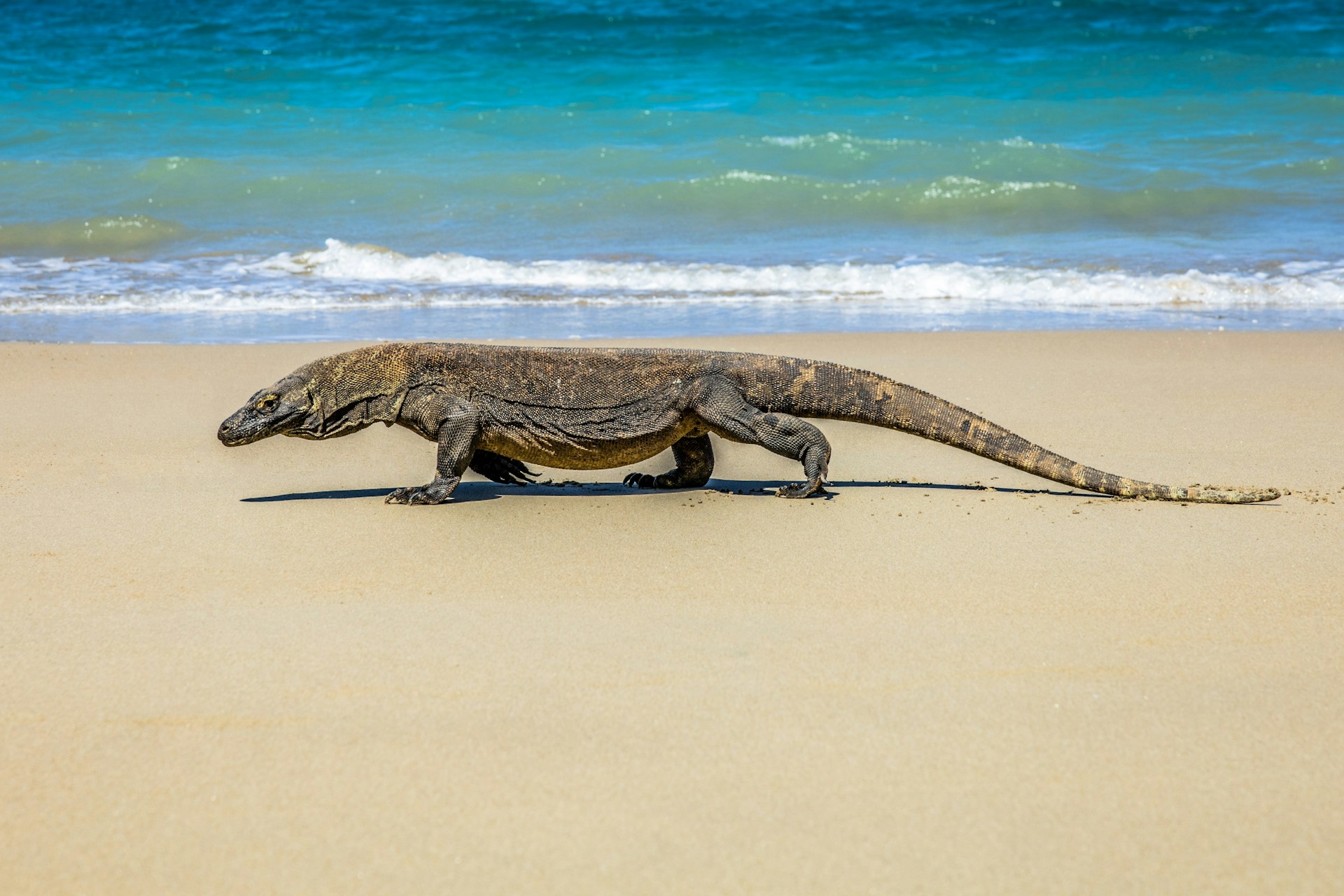
The Komodo dragon is the last of the true dragons, representing a lineage of giant monitor lizards that once dominated the prehistoric landscape. Reaching lengths of ten feet, they have maintained a brutal and primitive lifestyle in the isolation of Indonesia’s islands.
They utilize a lethal combination of physical strength and toxic saliva that prevents prey's blood from clotting. By dominating ecosystems with no natural enemies, they remain a vivid reminder of a time when giant reptiles ruled the land through sheer power.
5. The Nautilus
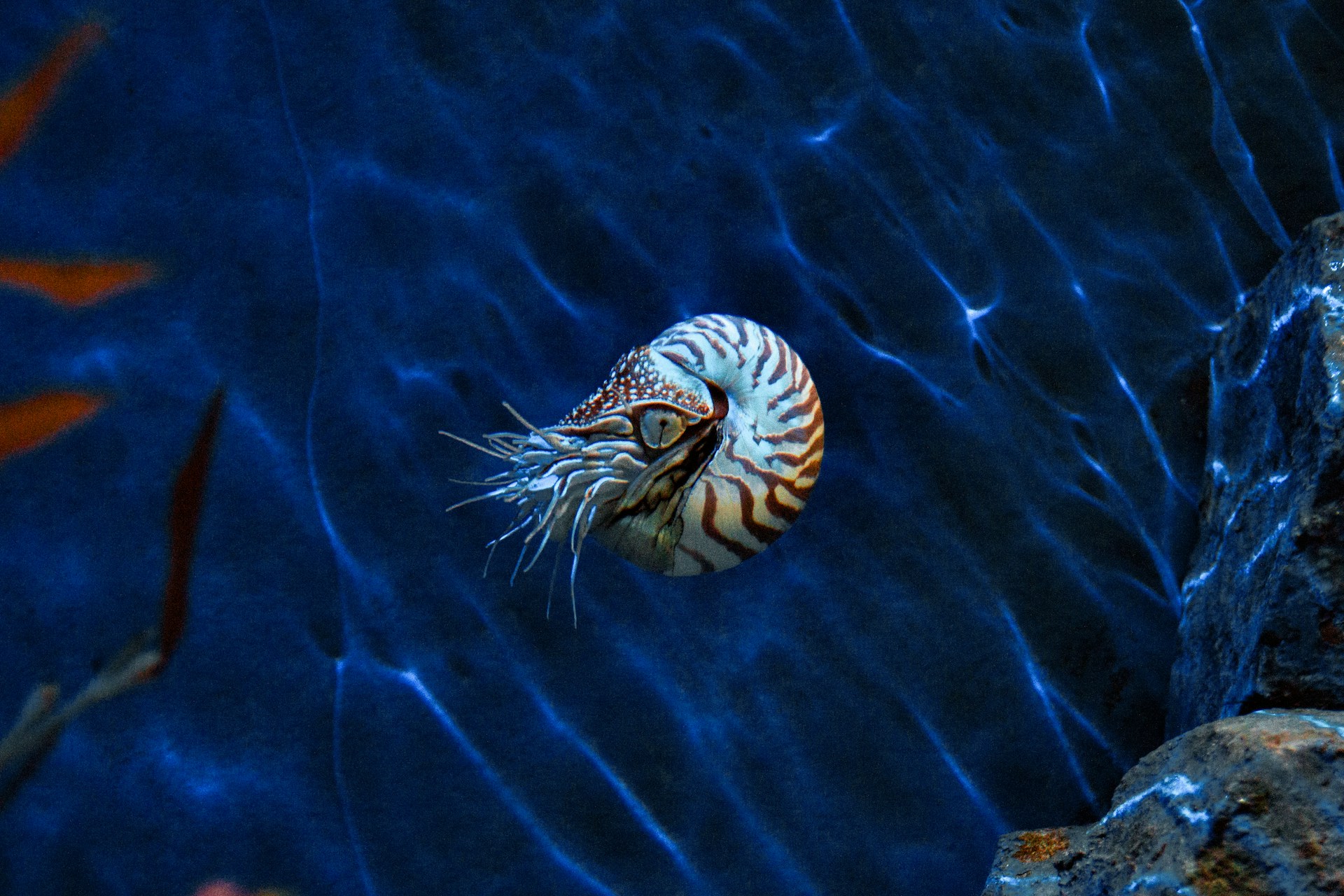
The Nautilus is a living fossil that has inhabited the deep slopes of the Indo-Pacific for over 500 million years. They have survived five major mass extinction events by relying on a mathematical masterpiece: their logarithmic spiral shell.
This shell acts as a buoyancy control device, allowing them to float or sink by filling internal chambers with gas. As the world’s first natural submarines, they continue to drift through the deep blue as silent witnesses to the entire history of multicellular life.