Most people have never heard of Bang Pa-In. It's a quiet district in Ayutthaya Province, about an hour north of Bangkok, better known for its royal summer palace than anything else.
But tucked inside its industrial estates sits one of the most critical manufacturing hubs on the planet, the place where a significant share of the world's data storage is physically assembled, tested, and shipped.
That's Thailand. And its grip on the global hard disk drive (HDD) industry is tighter than most people realize.
It Started With One Decision in 1983
The story begins with Seagate Technology, a California based storage company looking to cut costs and scale up production. In 1983, they moved their head stack assembly line from Singapore to Bangkok, one of the earliest major tech manufacturing relocations to Southeast Asia.
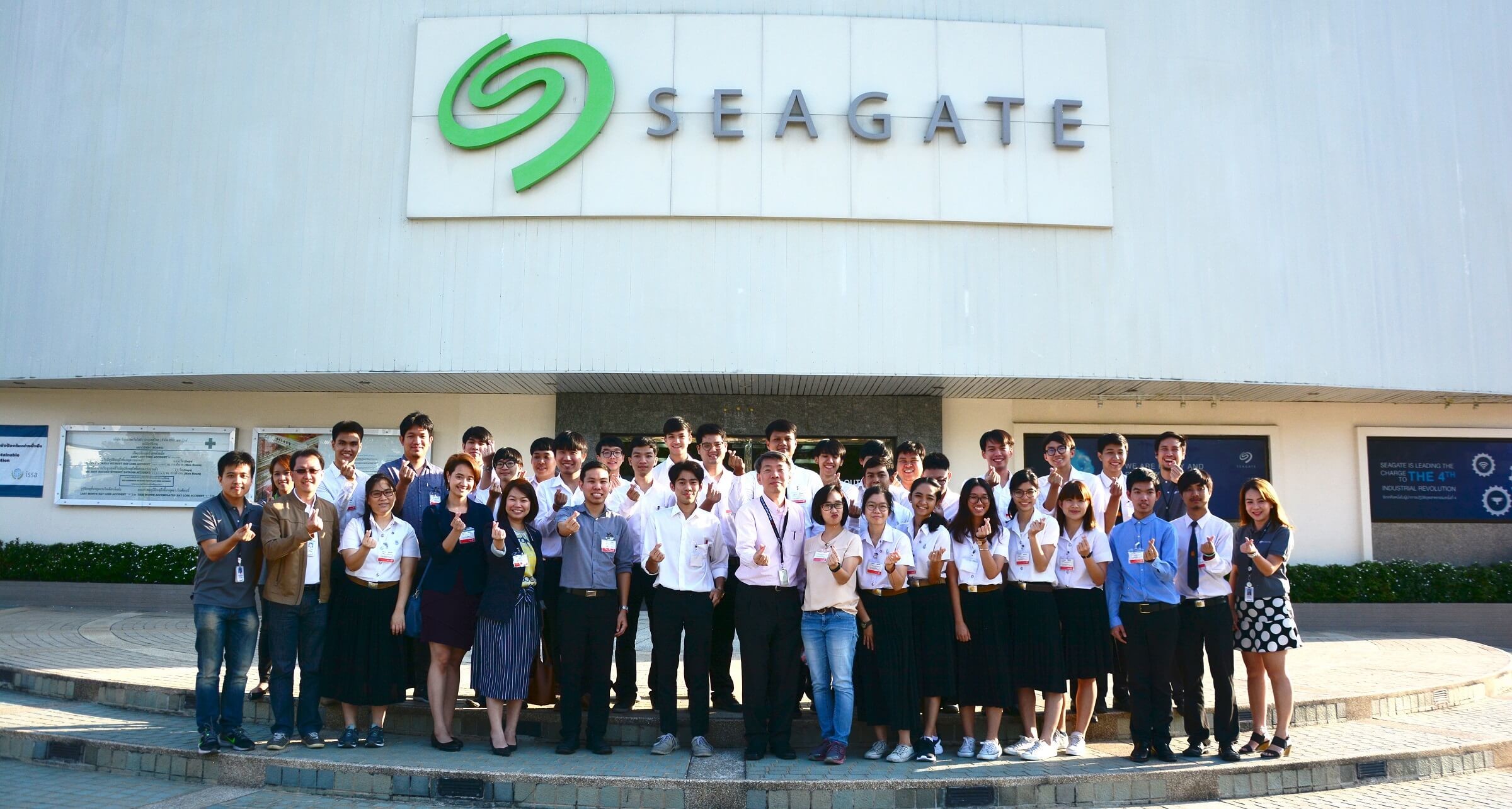
The logic was straightforward, skilled labor, government backed incentives, and a central location in Asia. What followed was a cascade. Through the 1990s, Fujitsu, IBM, and Western Digital all set up facilities across Thai provinces.
Component suppliers followed. Vocational programs were built around the industry. An entire ecosystem emerged, one layer at a time.
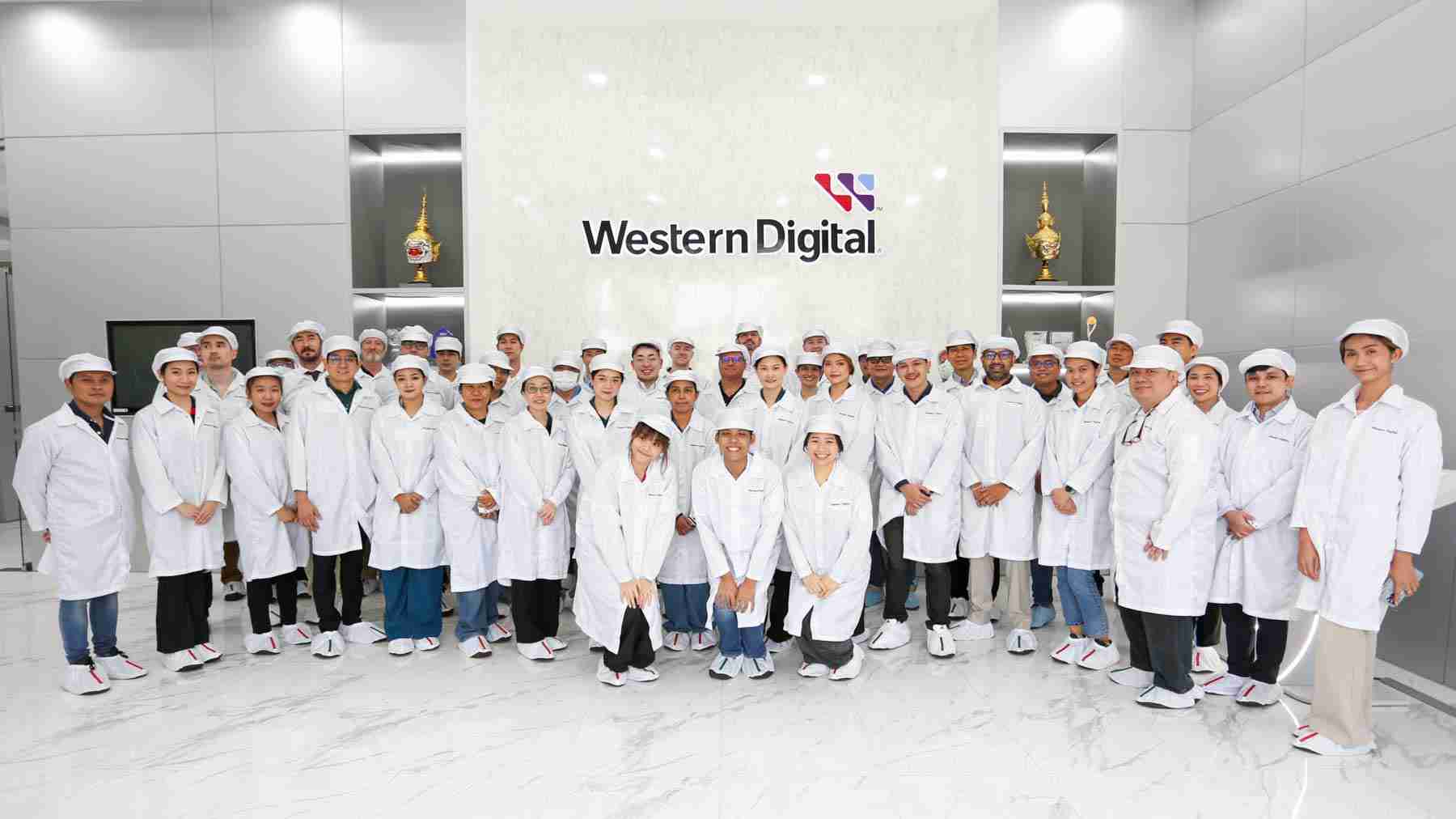
By 2005, Thailand had become the world's top HDD exporter. It hasn't given up that position since.
80 Percent of the World's Hard Drives
Today, Thailand accounts for approximately 80 percent of global HDD production. Both Seagate and Western Digital, the two companies that together control around 76 percent of the worldwide HDD market run their final assembly and testing operations there. Toshiba and Hitachi Vantara maintain core manufacturing facilities in the country as well.
The investment numbers back this up. Between 2015 and mid 2024, Thailand's Board of Investment (BOI) approved 42 investment applications in the HDD and components sector, totaling over 82.6 billion baht.
In August 2024 alone, Western Digital received BOI approval for a 23.5 billion baht expansion across facilities in Ayutthaya and Prachin Buri, a project projected to generate more than 200 billion baht in annual export value and add over 10,000 jobs.
Seagate, not to be outdone, announced a separate investment exceeding 16 billion baht for its Nakhon Ratchasima operations. Western Digital currently employs 28,000 people in Thailand. Around 60 percent of its global HDD production capacity runs through Thai facilities.
The Flood That Stopped the World's Hard Drives
The clearest proof of Thailand's role in global supply came not from a product launch or an investment record, but from a natural disaster.
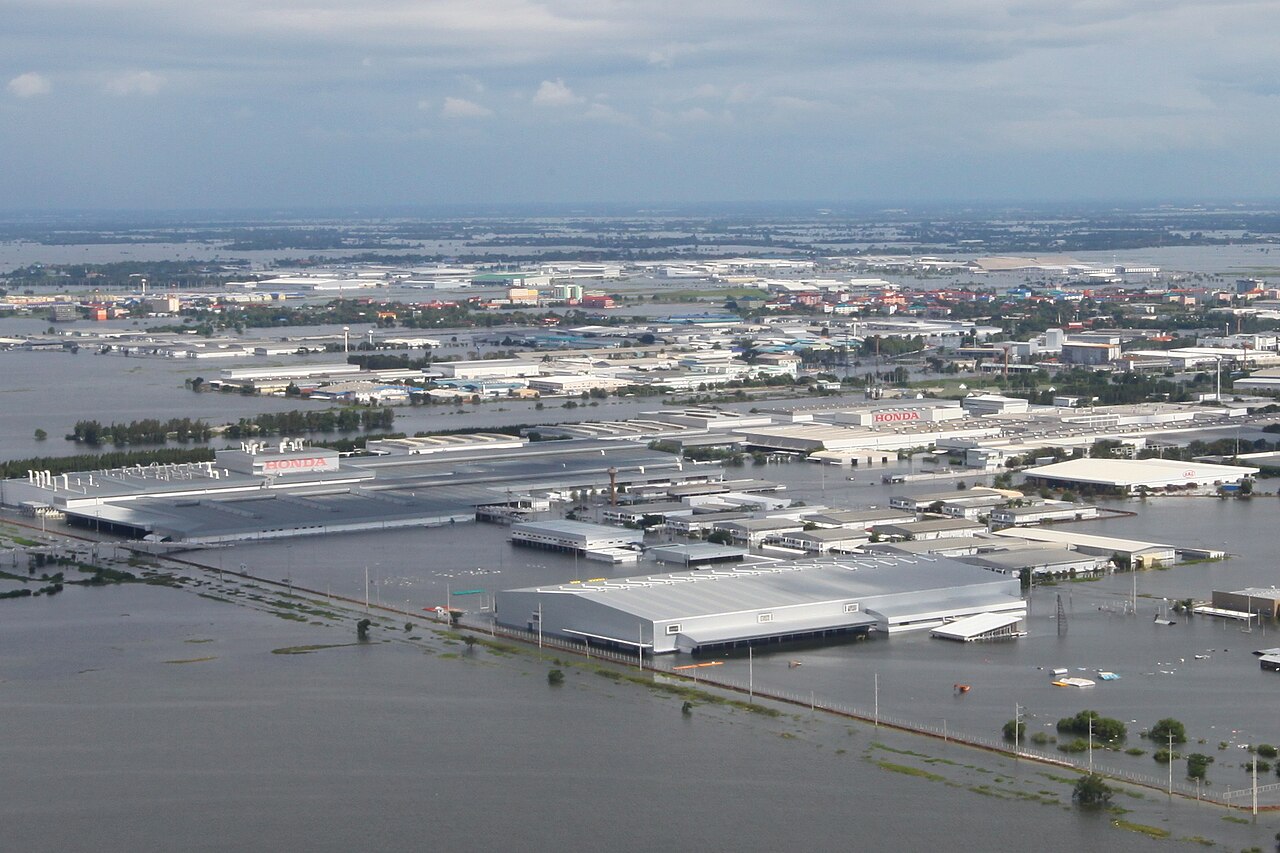
In October 2011, monsoon flooding submerged central Thailand, including the Bang Pa-In industrial zone in Ayutthaya. Western Digital's main plant went under more than 1.8 meters of water for over a month, production stopped.
Within weeks, HDD prices worldwide spiked. A Seagate Barracuda 3TB drive that had been selling for around $180 jumped to $430, a 138% increase. Global HDD supply was estimated to fall short by 150 million units by end of 2012.
The World Bank recorded the flooding as the fourth most costly natural disaster in history at that time. A single flood, in a single country, was enough to create a global hard drive shortage that lasted well into the following year.
Why Demand Is Rising Again
Consumer PC hard drives have been declining for years as solid state drives (SSD) take over. But a different segment is growing, high capacity drives for cloud data centers. In 2025, cloud and hyperscale operators accounted for 48 percent of total global HDD demand.
Thailand is being built up to serve exactly this market. Western Digital's latest BOI approved expansion targets high capacity production lines, including a 40 TB drive line projected to make up 35 percent of output at the expanded facilities.
Seagate launched its HAMR based 32 TB platform in June 2025. Western Digital expanded enterprise HDD capacity by 18 percent in the same year.
Seagate shipped over 108 million units globally in 2025. Western Digital shipped around 103 million. The majority of those drives passed through Thailand.
A Supply Chain Hidden in Plain Sight
Four decades of accumulated infrastructure, trained engineers, and embedded supplier networks have made Thailand's HDD industry difficult to replicate elsewhere.
The country processes the physical medium that stores the world's cloud data, AI training sets, surveillance footage, and enterprise backups, components invisible to most end users, but foundational to how the digital economy operates.