Jakarta has 10.68 million people, while Manila city proper has 1.9 million.
Based on those numbers alone, Jakarta is roughly 5 times more populous. But population and density are two different things and that's where Manila's story gets interesting.
Why Population and Density Are Two Different Things
When people discuss about "Jakarta" population in total, they often mean Jabodetabek, the greater metropolitan area covering Jakarta plus surrounding cities like Bogor, Depok, Tangerang, and Bekasi.
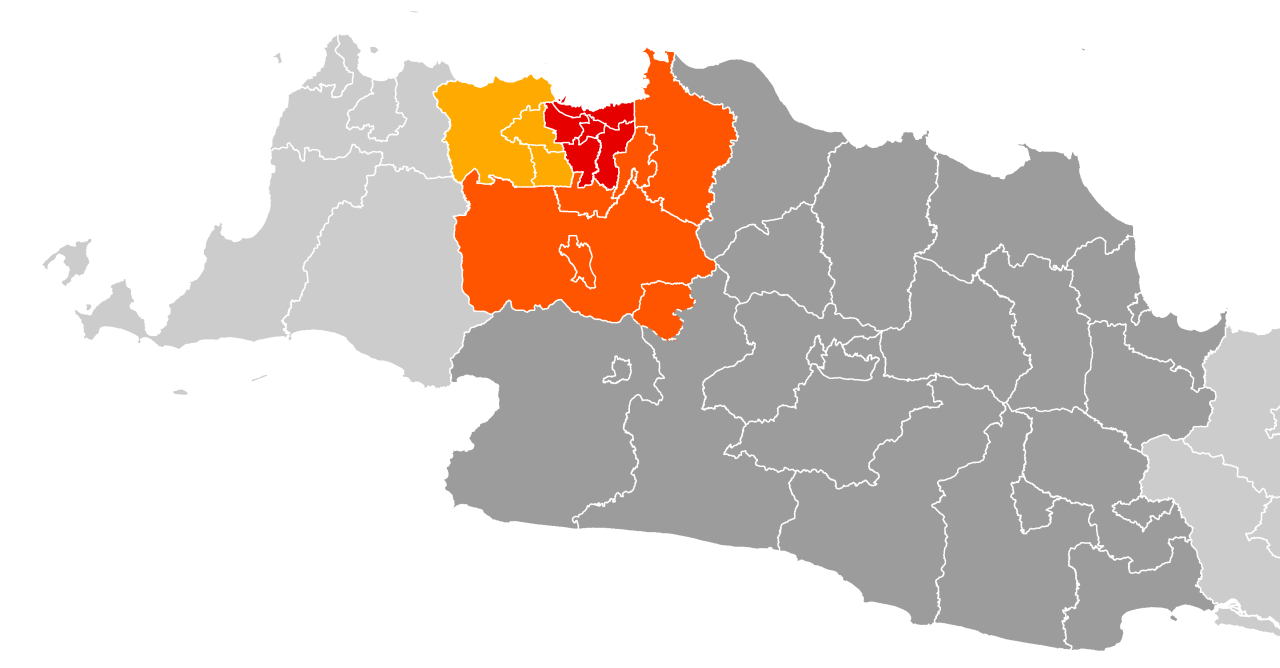
That region holds 32.3 million people across 6,822 km², according to The Indonesian Central Bureau of Statistics mid 2024 estimates. Jakarta city proper, the officially bounded Special Capital Region, covers 662 km² with around 10.68 million residents, a density of roughly 16,000 people per km².
Manila works differently. The city of Manila itself covers only 42.88 km².
But when people talk about “Manila” in a broader sense, they usually mean Metro Manila, officially the National Capital Region (NCR), consists of 16 cities and 1 municipality across 636 km². Metro Manila home to around 14 million people, according to the 2024 census by the Philippine Statistics Authority.
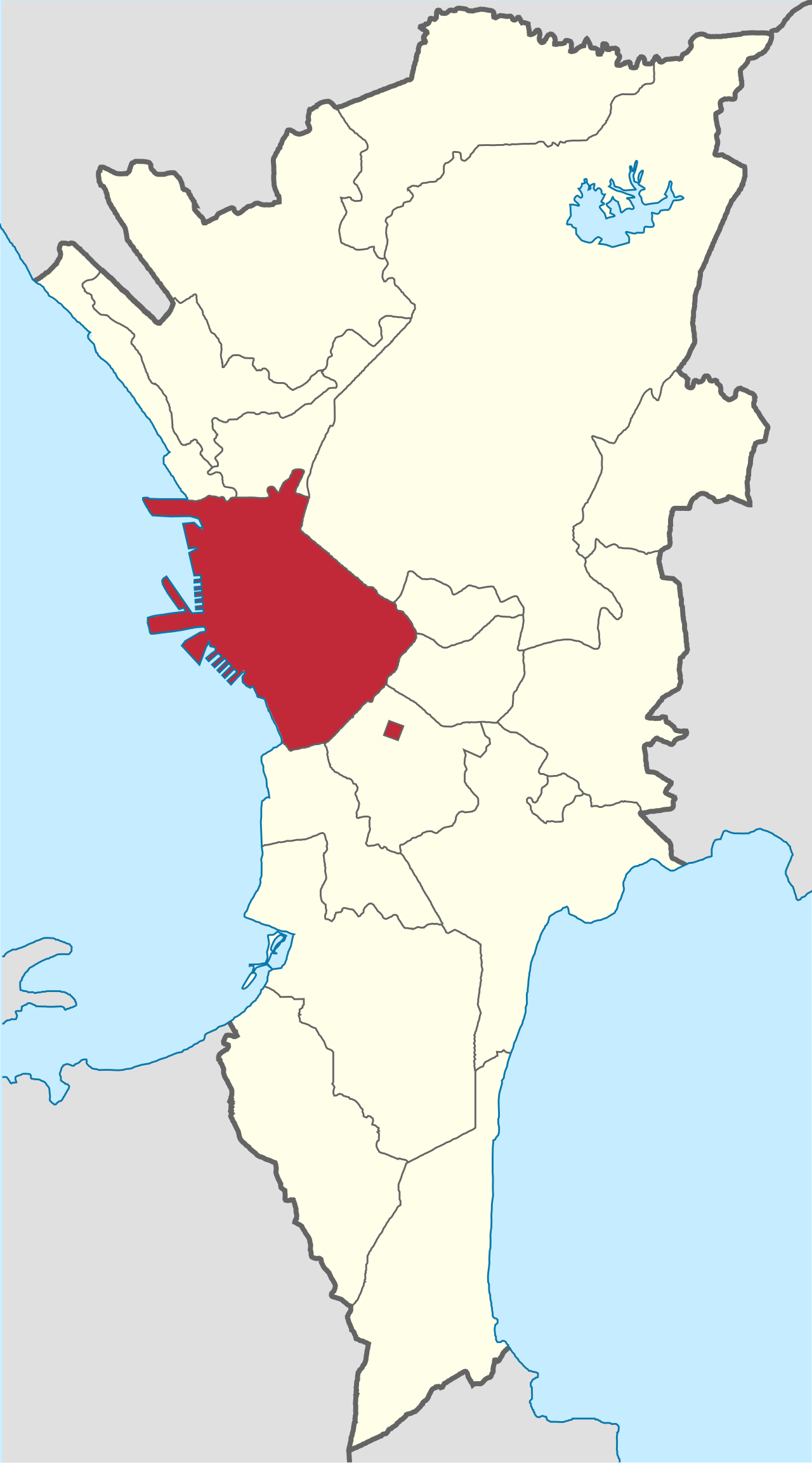
In other words, Manila City and Metro Manila are not the same thing.
And that's where many city comparisons become confusing. People often mix up total population with population density, even though they measure different things.
Population is a headcount, how many people live within a boundary. Density is about space, how tightly those people are packed into each square kilometer.
The Difference Between Manila and Metro Manila
Manila City proper is home to 1,902,590 people within just 42.88 km², according to the 2024 Philippine census. That translates to roughly 44,370 people per km², making it one of the most densely populated cities in the world.
To understand why that number matters, it helps to know what Manila actually is, and what it isn't. Manila city is just one of 16 cities that make up Metro Manila, officially called the National Capital Region (NCR).
The other 15 include Quezon City, Makati, Taguig, and Caloocan, each with their own local governments, boundaries, and population counts. When most people say "Manila," they usually mean the whole NCR. When data says "Manila," it usually means just the city, 42.88 km² on the western coast of Luzon.
This is why defining boundaries is crucial for density calculations. Greater 'Metro Manila' holds 14 million people across 636 km² (about 22,000 per km²). Yet, Manila City operates at an extreme 46,178 per km², making the inner city twice as crowded as the broader metropolitan area
Why is Manila So Dense?
First, geography. Manila sits on a narrow coastal plain hemmed in by other cities, leaving no room to sprawl. As neighbors like Quezon City grew independently, Manila’s administrative boundaries froze while its population surged inside.
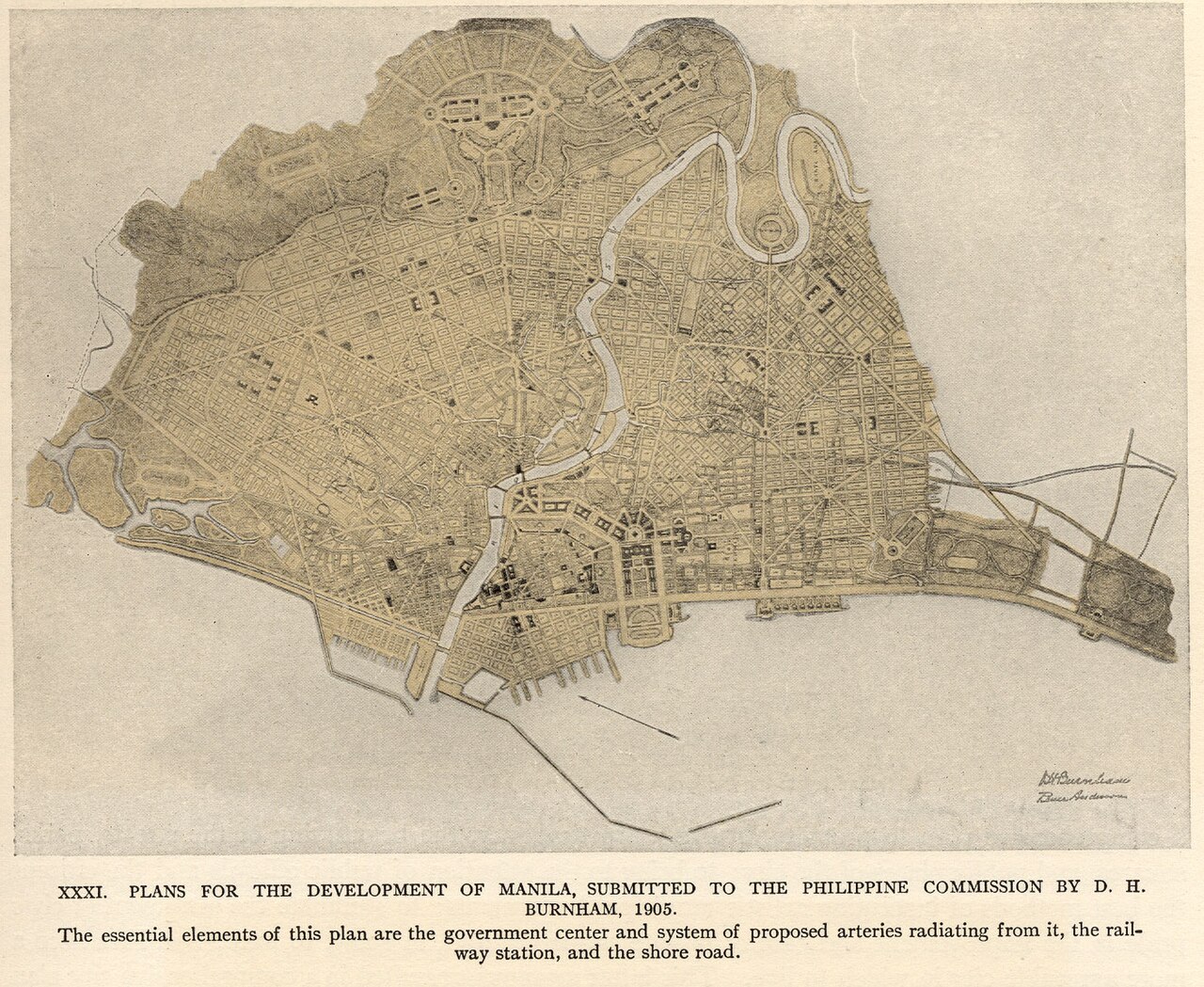
Second, colonial planning. Spanish colonizers concentrated power within a small city core for over 300 years starting in 1571. By the time American planner Daniel Burnham arrived in 1898 to redesign it, Manila was already locked into a tiny, fixed footprint that no plan could expand.
Third, migration. Manila is not just the capital of the Philippines, it is the country's historic economic nucleus. In 2024, the city alone contributed 4.7% of the Philippines' national GDP, generating ₱1.04 trillion (about US$16.9 billion at current exchange rates), according to PSA data.
Around 60,000 business establishments operate within its 42.88 km², making it one of the most commercially concentrated urban cores in Southeast Asia.
That concentration of jobs, government institutions, universities, and commerce has been pulling workers from across the Philippine archipelago into Manila city proper for over a century with nowhere for the city to physically expand.
Unlike Jakarta, which absorbed population pressure by growing outward into a wider provincial boundary, Manila's administrative borders were fixed by the Americans in 1901 and have not changed since. Every migrant who arrived looking for work had to fit inside the same 42.88 km².
Tondo District, Denser Than Anywhere on Earth
If Manila's average density of 44,935 per km² already seems extreme, the district of Tondo takes it further.
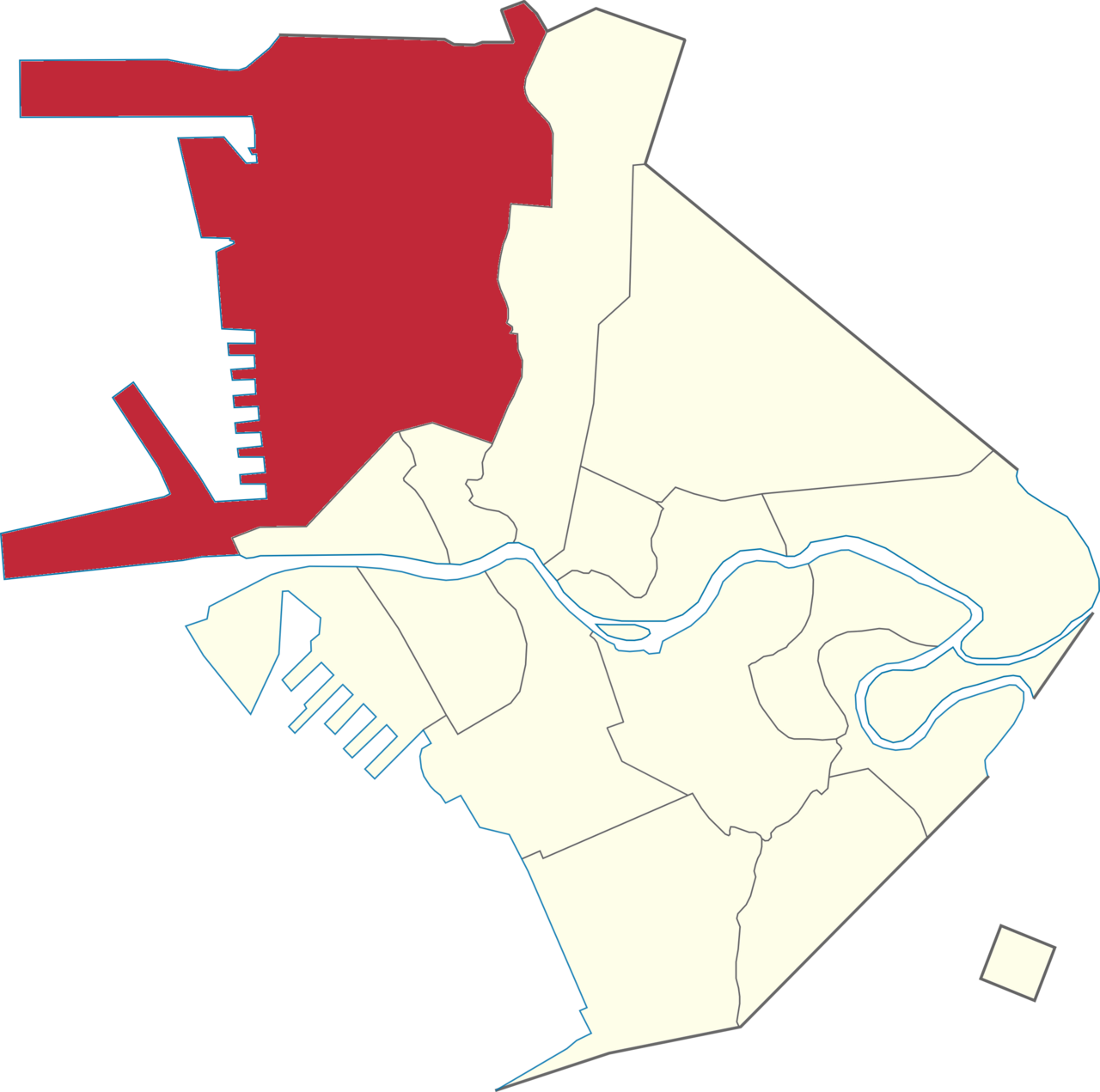
Home to 637,942 people in 2024 per PSA data, Tondo's density exceeds 69,000 people per km², more than 100 times denser than Los Angeles. Tondo occupies Manila's northern waterfront, historically the landing point for migrants arriving by sea.
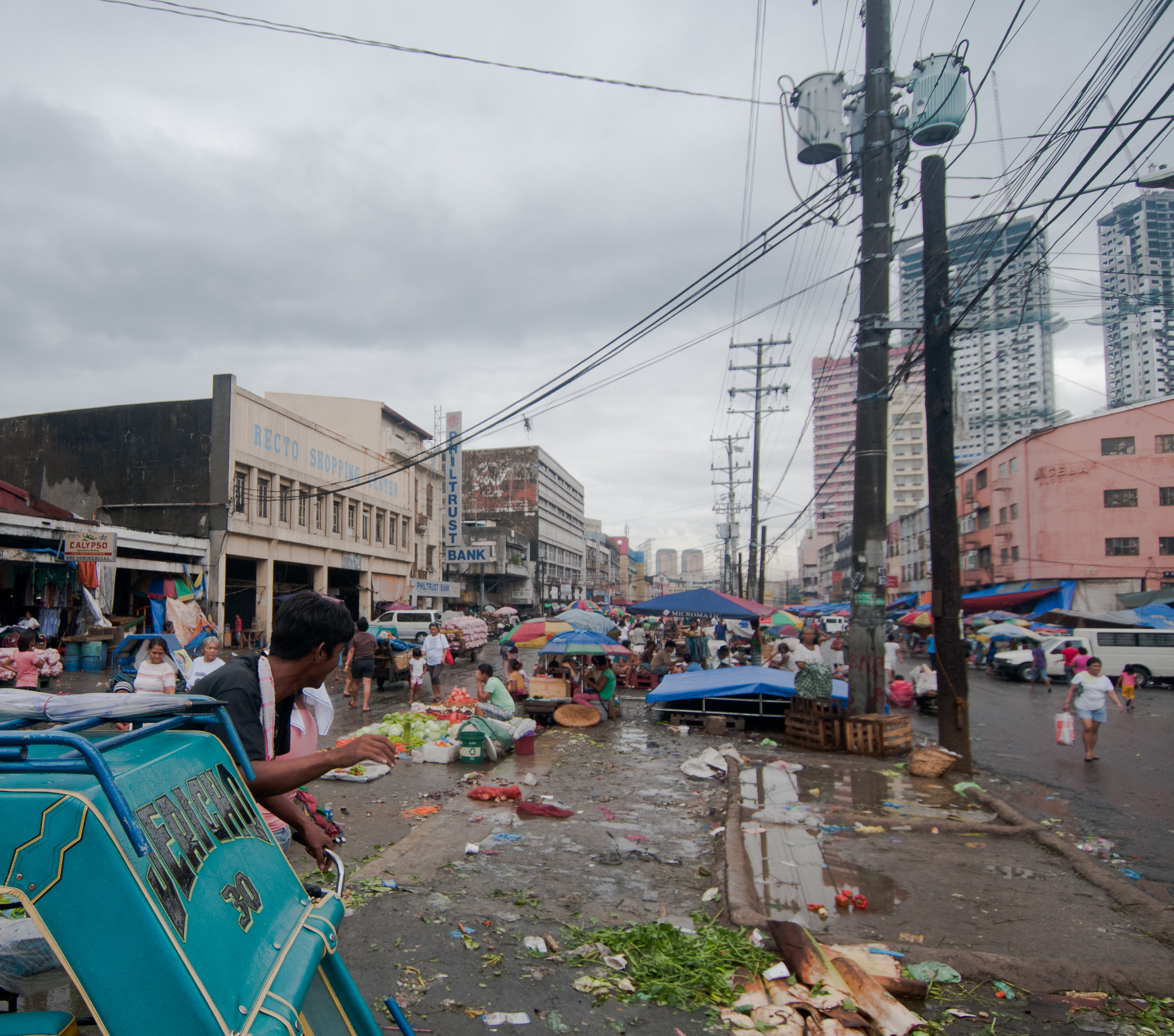
Over centuries, that geography made it the city's most contested and most crowded district.
Same Region, Different Scale
Even when looking at just the cities themselves, the difference is huge. Jakarta is home to 10.68 million people spread across a large area (662 km²). Meanwhile, Manila packs 1.9 million people into a tiny space (just 42.88 km²).
In short, Jakarta holds more people. Manila holds them closer together.