


A war unfolding nearly 3,000 kilometers from most of Asia is now shaping where travelers across the region spend their holidays. Marriott International reported that RevPAR (revenue per available room) in Asia Pacific grew by more than 7 percent year-on-year in the first quarter of 2026.
At the same time, Marriott projected that RevPAR in the Middle East would decline by around 50 percent year-on-year in the second quarter.
The same conflict that has hurt the hotel business in Dubai and Doha has coincided with a surge in bookings in destinations that have rarely been top choices for Asian travelers. These include Takamatsu in Japan, Quanzhou in China, and Puri in India.
According to Oxford Economics, disruptions stemming from the Iran conflict could affect 116 million tourist visits outside the Middle East throughout 2026. The same analysis estimates that as many as 858 million hotel nights are at risk of being disrupted globally.
At the same time, booking data from Japan, China, Viet Nam, Indonesia, and India point to a consistent trend. Travelers who cancel long-haul trips are not giving up on travel altogether. Instead, they are choosing second- and third-tier destinations within their own countries.
The Attack That Closed Gulf Airspace
The disruption began in late June 2025, when Iran launched a missile attack on Al Udeid Air Base in Qatar, the largest U.S. military base in the Middle East. The strike was carried out in retaliation for U.S. attacks on Iran's nuclear facilities.
Several Middle Eastern countries subsequently closed their airspace. Major airlines, including IndiGo, British Airways, Air France, KLM, Singapore Airlines, and Etihad, canceled or rerouted flights that normally transited through Doha, Dubai, Abu Dhabi, Riyadh, and Dammam.

Alternative routes were redirected north via the Caspian Sea through Turkey, Azerbaijan, and Turkmenistan, or south via the Red Sea and Saudi Arabia.
The impact has been significant given the Middle East's role in global aviation. Oxford Economics estimates around 14 percent of the world's flight-transit activity normally passes through airports in the region.
Marriott CEO Anthony Capuano noted that although the Middle East accounts for only 3 percent of Marriott's operating hotel rooms, it handles around 10 percent of global transit traffic. That is enough to create ripple effects in Asian markets connected through airlines such as Emirates and Etihad, including India.
From Delhi to Doha: A Changing Balance

India offers one of the clearest examples of how the disruption has reshaped travel patterns.
According to a report by the PHD Chamber of Commerce and Industry (PHDCCI), Indian airlines canceled around 1,770 international flights within a single week between late February and early March 2026. That represented nearly 46 percent of all scheduled international operations during the period.
Airlines that normally operated 300 to 350 daily flights to the Middle East reduced their schedules to just 80 to 90 flights per day.
PHDCCI projected that India would receive 15 to 20 percent fewer international tourists this year, with hotel demand declining by around 10 percent in major metropolitan areas such as Delhi, Bengaluru, and Hyderabad.
Secondary Cities Move Into the Spotlight
In China, the shift toward smaller cities became especially visible during the May 2026 Golden Week holiday. TravelDailyNews Asia reported that the country's transport network handled more than 1.52 billion interregional trips during the holiday period, while domestic tourism revenue reached 809 billion yuan, up 15 percent from the previous year.
The same data show Taizhou and Quanzhou recorded booking increases of up to 20 percent. . Meanwhile, H World Group, which operates more than 12,000 hotels across China, reported that the strongest demand came from hotels in second-tier cities through its Hanting and JI Hotels brands, which primarily serve mid-budget travelers.

Viet Nam has followed a different path but reached a similar outcome. According to the Viet Nam National Authority of Tourism (VNAT), the government aims to record 150 million domestic tourist trips by the end of 2026, up from 135.5 million in 2025.
This target is expected to be helped by the expansion of Da Nang International Airport, which now offers direct flights from across Asia and Europe without requiring transit through Bangkok or Ho Chi Minh City.
BPS-Statistics Indonesia recorded 106.16 million domestic trips in May 2026 alone, up 8.69 percent from a year earlier. Across Southeast Asia, domestic tourism accounted for 63.72 percent of the region's tourism market in 2025, according to Mordor Intelligence.
The Cities Tourists Have Been Overlooking
In Japan, the shift toward secondary cities is not directly driven by the Middle East conflict, but it reflects the same broader trend.
CNBC reported that Fukuoka, Sapporo, and Nagoya have become attractive to hotel investors as Tokyo's premium assets grow scarcer and yields decline. Fukuoka has also emerged as a startup and digital-economy hub drawing more business travel from Southeast Asia.
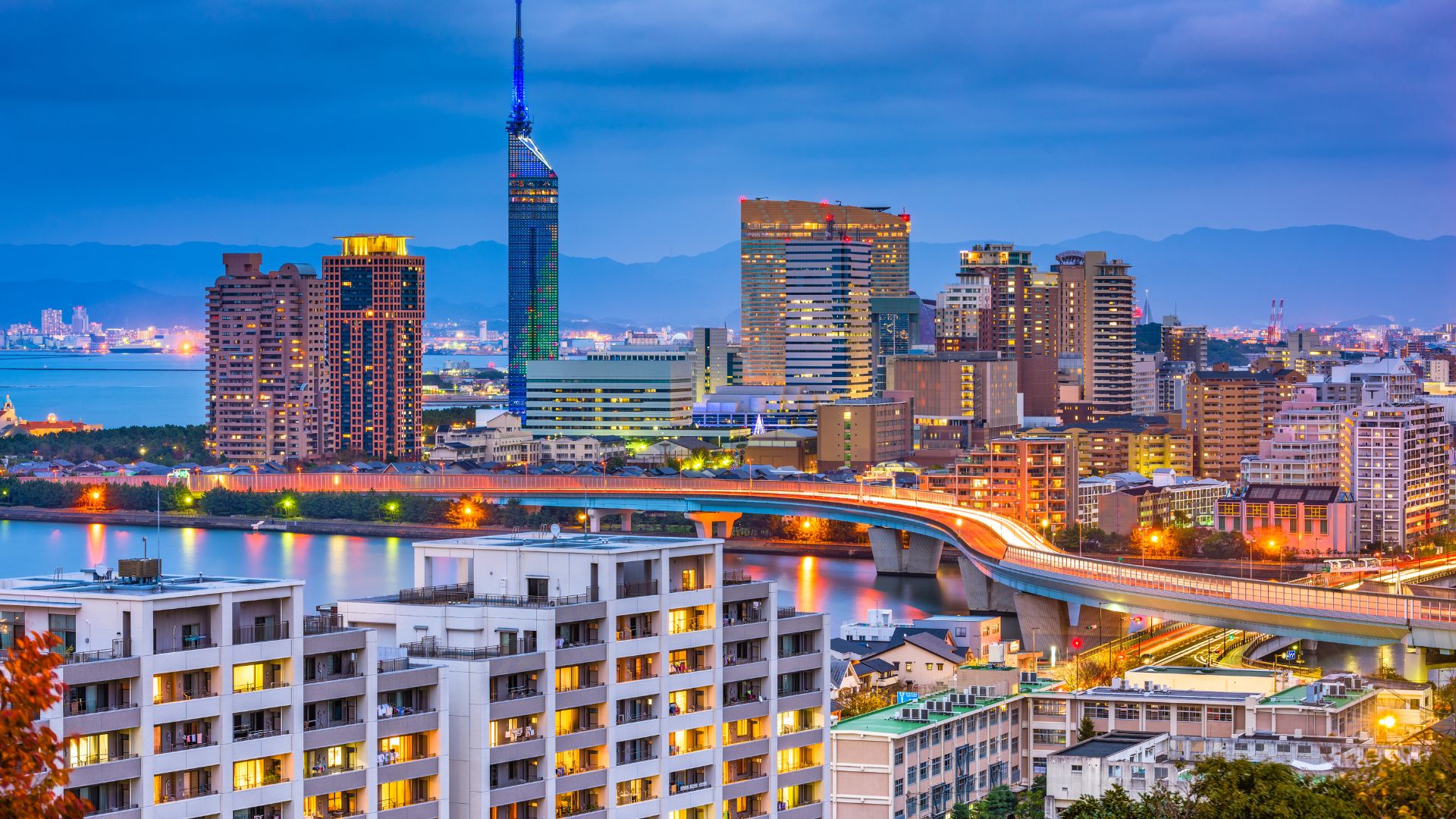
Agoda's 2025 booking data show the fastest growth came from destinations beyond the Tokyo–Kyoto–Osaka route. Takamatsu led with 63 percent growth, followed by Matsuyama (44 percent), Sendai (32 percent), Okinawa (27 percent), and Sapporo (26 percent).
The trend extends across Asia-Pacific. Skyscanner found that 34 percent of travelers now seek quieter destinations, while 31 percent prefer visiting popular places outside peak seasons.
Agoda also found that accommodation searches for secondary cities have grown 15 percent faster than those for major cities over the past two years. They accounted for 34 percent of all searches in the first half of 2025, before the Middle East conflict further accelerated the shift.


