In Bangkok, a spirit house often gets more daily attention than the building it stands beside. Office workers pause to light incense before clocking in, hotel staff refresh offerings each morning before guests even check in.
These miniature, temple-like structures line the streets outside homes, hotels, malls, and gas stations across Thailand, decorated with flowers, incense, fruit, and bottles of bright red soda.
Given that more than 93% of the population identifies as Buddhist, according to Thailand's Department of Religious Affairs, these shrines might look like another expression of Buddhism.
They're not.
Known as san phra phum, or spirit houses, they belong to a much older belief system that continues to shape Thailand's urban landscape.
A Belief Older Than Buddhism
Long before Buddhism arrived in mainland Southeast Asia, local communities believed that every piece of land was inhabited by guardian spirits.
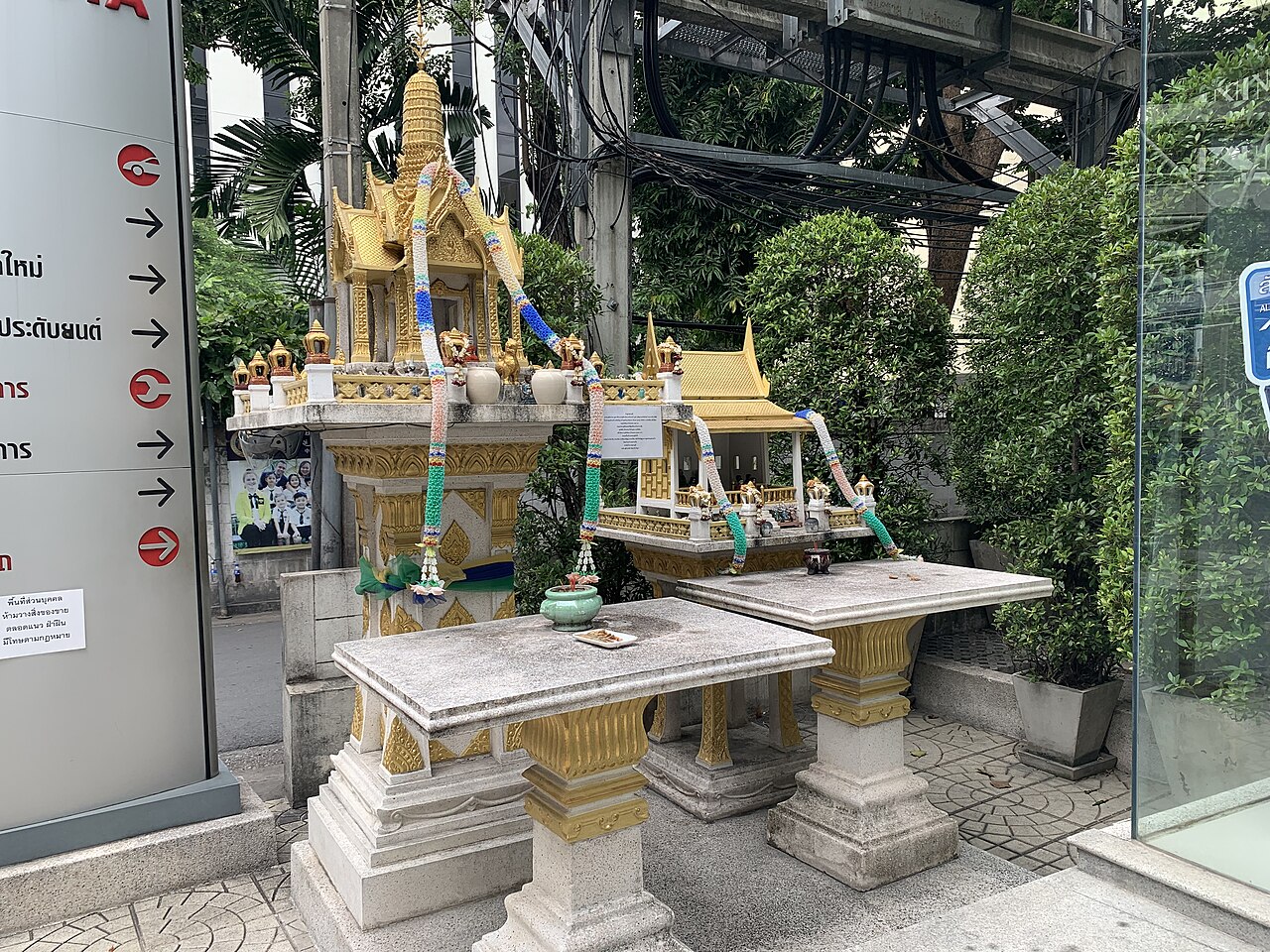
Building a house, hotel, or office meant disturbing those unseen occupants. According to traditional belief, a spirit house gives them a new place to reside, allowing people and spirits to coexist peacefully.
When Theravada Buddhism spread across what is now Thailand more than 700 years ago, during the Sukhothai period, these older animist traditions didn't disappear.
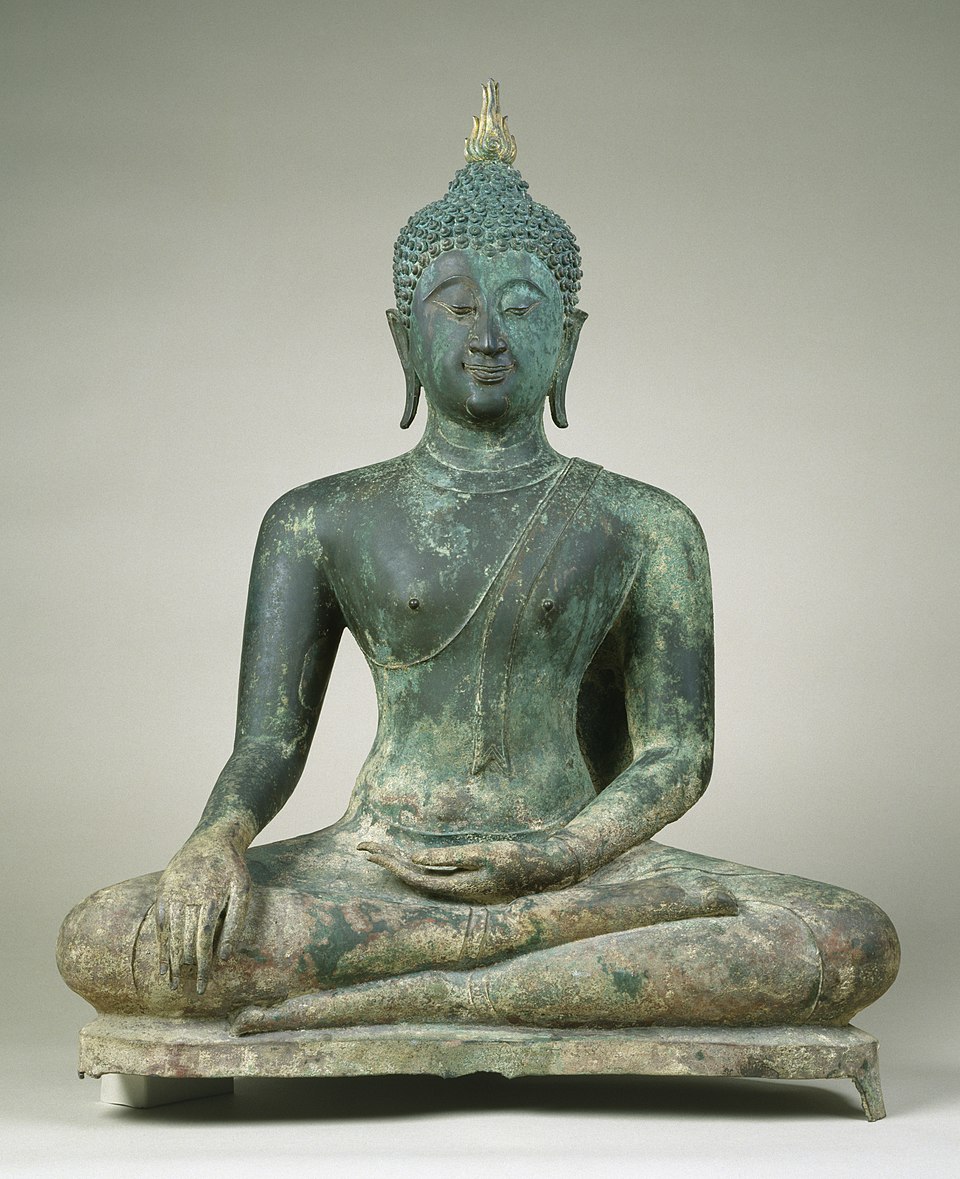
Instead, they gradually merged with Buddhist practices, creating the blend of beliefs that still characterizes Thai society today.
A Practice That Modernization Never Replaced
Spirit houses aren't limited to old villages or traditional neighborhoods. Luxury hotels, condominium towers, hospitals, shopping malls, factories, and offices frequently install one before opening.
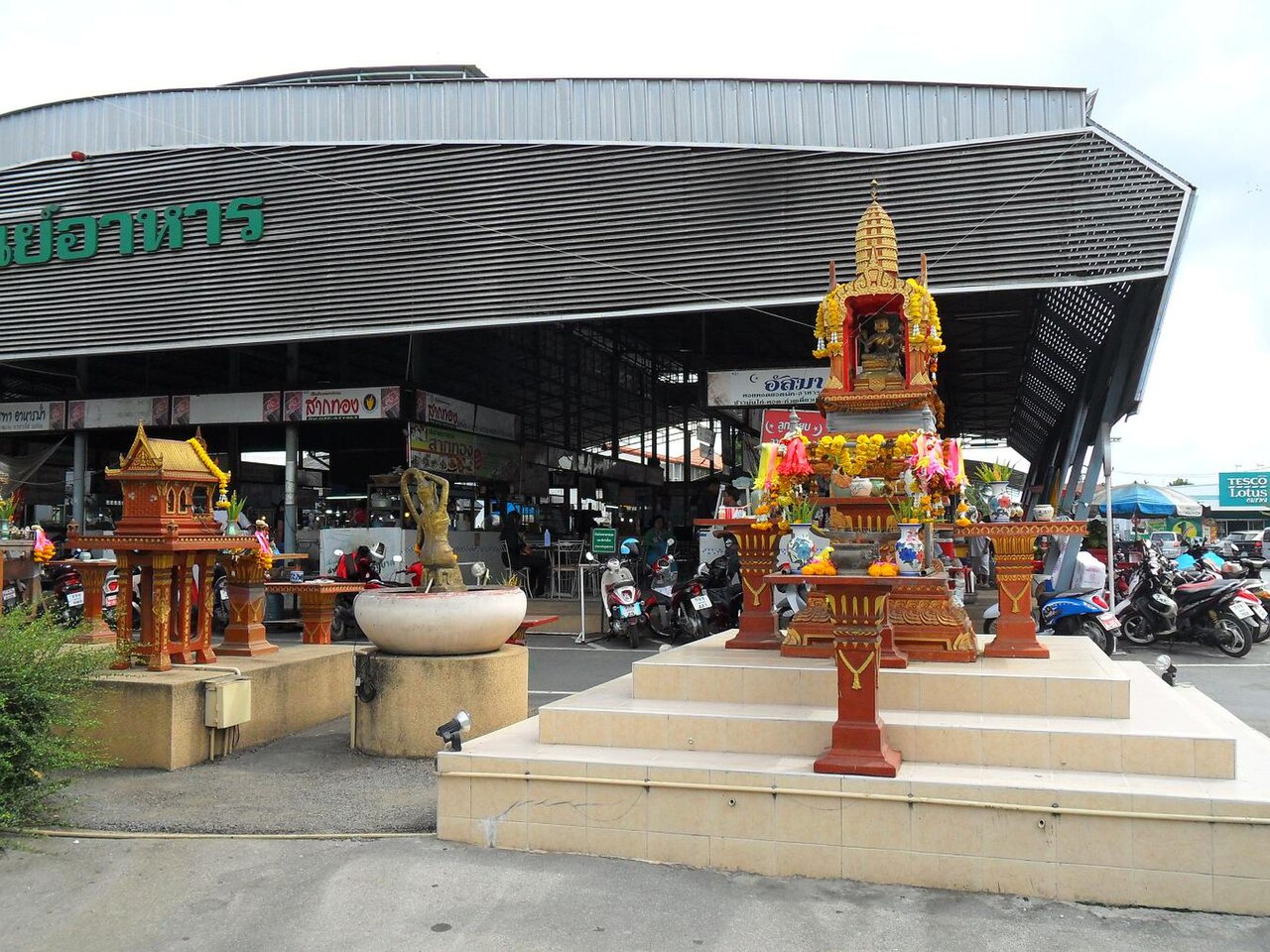
Thai tradition holds that developers should consult a Brahmin priest, rather than a Buddhist monk, to determine the most auspicious date and location for the installation, and that a spirit house should never stand beneath the shadow of the main building, as this is considered disrespectful to the guardian spirit.
Thailand welcomed more than 35 million international visitors in 2024, according to the Tourism Authority of Thailand, many of whom encounter one of these tiny shrines standing just a few meters from a skyscraper, a luxury mall, or an international hotel chain long before they ever visit a temple.
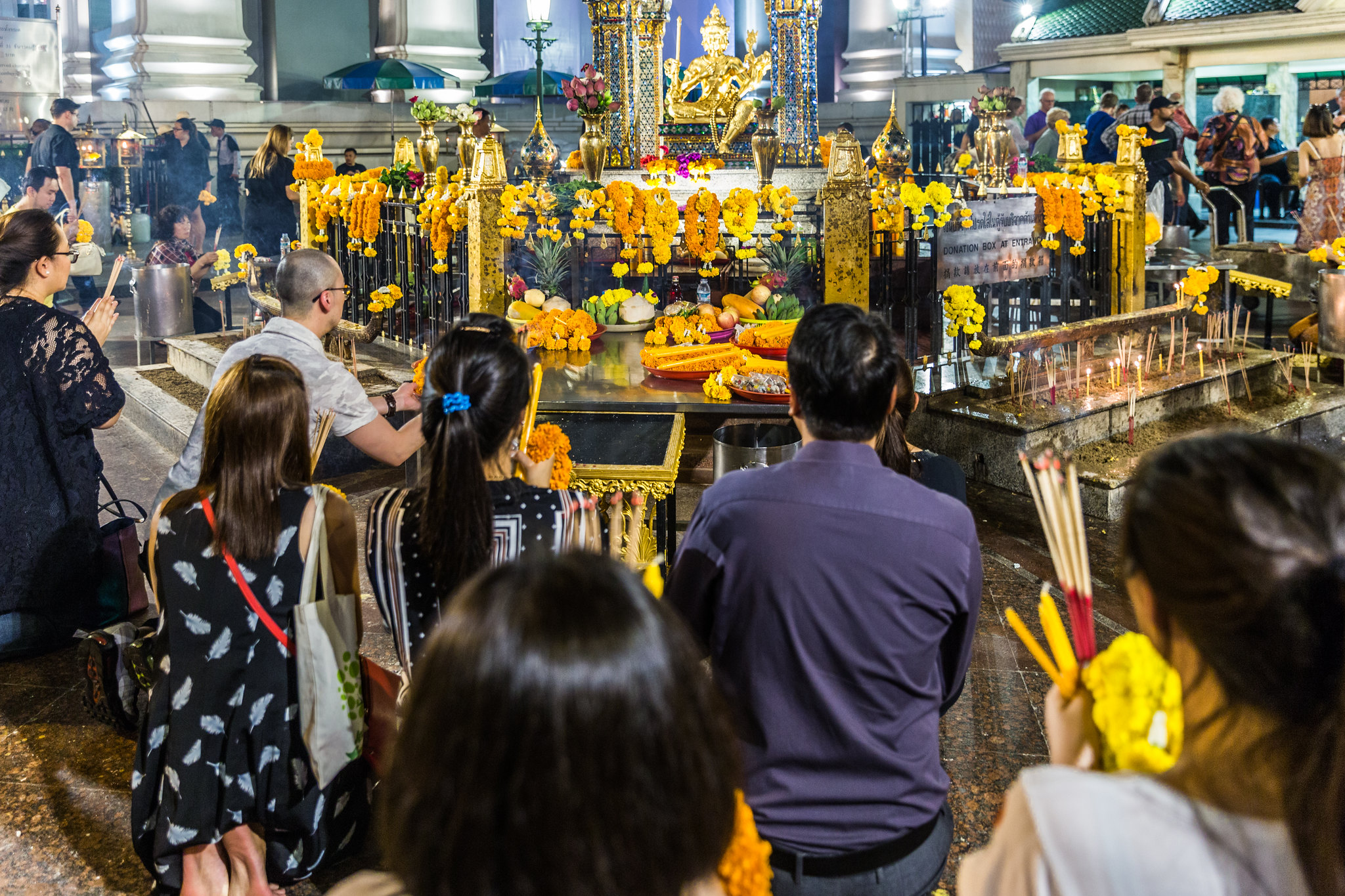
The practice illustrates something unique about Thailand, rapid modernization has largely coexisted with centuries old cultural traditions rather than replacing them.
Why Are There Bottles of Red Soda?
Perhaps the most recognizable feature of many spirit houses is the offering itself. Fresh flowers, incense, fruit, rice, miniature elephant figurines, and bottles of bright red soft drinks are common sights throughout the country.
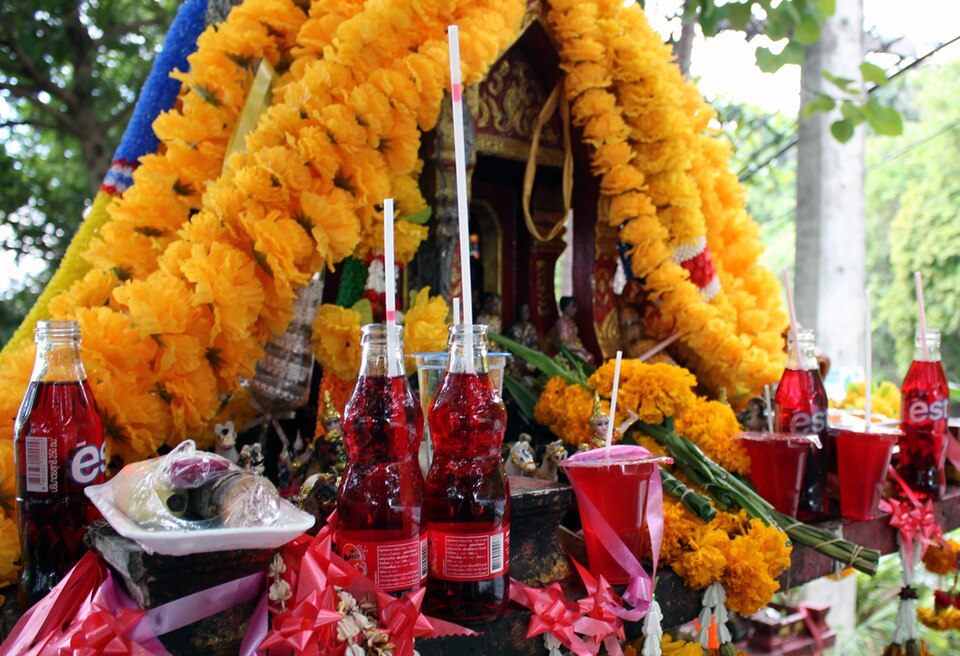
No single explanation for the red soda tradition is universally accepted.
Several folk theories attempt to explain the tradition. Some suggest the color symbolically replaced older animal sacrifice offerings, while others believe it echoes the red dye once left behind by burning incense in water.
Another theory is that red simply carries longstanding ceremonial significance in Thai and Chinese folk traditions.
What's clear is that as commercially bottled beverages became widely available through the twentieth century, red soda became the offering of choice.
A Small Structure With a Big Story
To many visitors, spirit houses are simply another distinctive feature of Thailand's streetscape. For many Thais, however, they represent respect for place, tradition, and beliefs that have shaped communities for centuries.
That is why, whether outside a family home, a neighborhood cafe, or beneath the glass façade of a modern skyscraper, these miniature houses remain one of Thailand's most enduring cultural landmarks.