Cambodia has a coastline.
But for centuries, one of its most important routes to the sea was controlled by another country. Today, Cambodia is building a new canal to connect its inland waterways directly to the Gulf of Thailand.
The project is not only about transportation. It is also connected to a centuries old shift in control over the Mekong Delta.
The Mekong Delta Was Once Connected to Cambodia
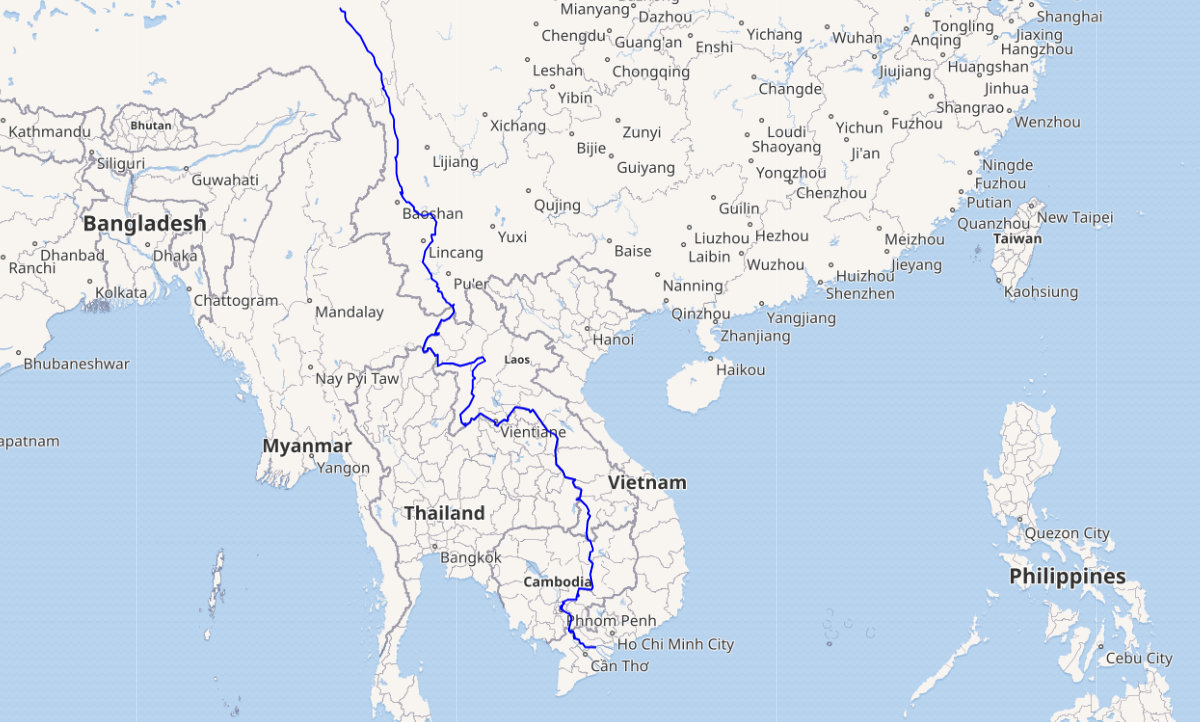
The Mekong River flows through China, Myanmar, Laos, Thailand, Cambodia, and Viet nam before reaching the South China Sea.
But the river does not have only one route to the ocean.
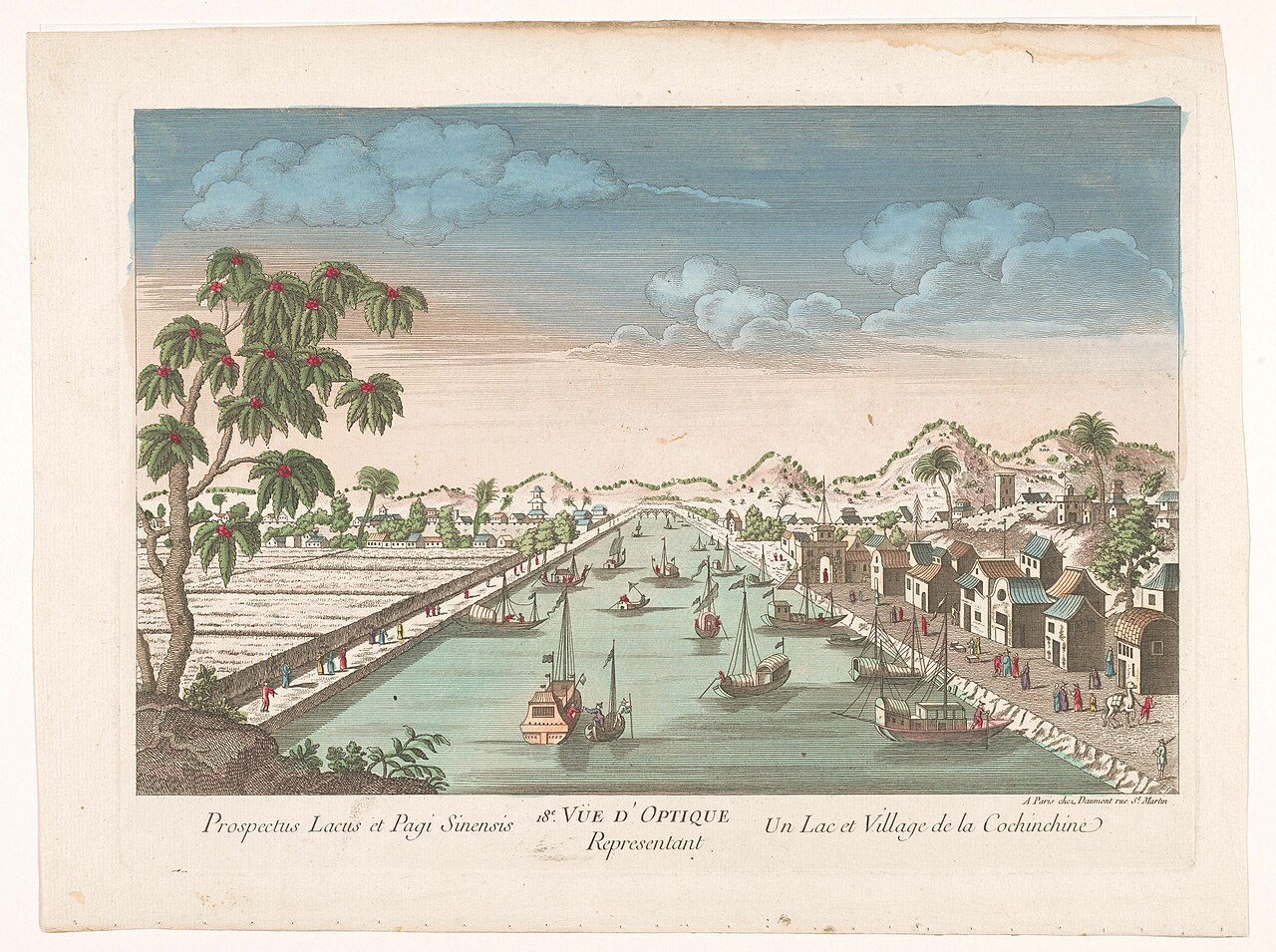
The Mekong divides into multiple channels in the delta region. Historically, some of the most important waterways connected Cambodia's interior to the sea through the region that is now southern Viet nam. The area was historically associated with the Khmer kingdom and is known in Cambodia as Kampuchea Krom.
Over several centuries, however, Vietnamese control expanded southward into the Mekong Delta.
By the late 17th century, Viet nam had established control over key areas around the Mekong Delta, including Saigon and the surrounding region. By the early 19th century, the Nguyễn dynasty had consolidated control over most of the territory that is now southern Viet nam.
The result was a major geopolitical change for Cambodia.
Cambodia still had a coastline along the Gulf of Thailand. But it no longer controlled the main Mekong Delta routes connecting much of its inland economic heartland directly to the sea.
A Country With a Coastline, But a Difficult Trade Route
This did not make Cambodia landlocked.
The country still has approximately 443 kilometres of coastline along the Gulf of Thailand. However, Cambodia's main economic and population centres are located inland, around the Mekong and Tonlé Sap river systems.
Historically, access to international trade therefore depended on a combination of routes through Cambodia's own ports and waterways, as well as routes connected to neighbouring territories.
The port of Sihanoukville, Cambodia's only deep water port, eventually became the country's main maritime gateway. But much of Cambodia's modern container trade has also historically moved through ports in neighbouring Viet nam.
In a May 2024 interview with Reuters, Cambodian Deputy Prime Minister Sun Chanthol said approximately 33% of cargo travelling to and from Cambodia depends on Vietnamese ports via the Mekong River route for international trade.
That is the historical context behind one of Cambodia's biggest infrastructure projects today.
The Canal That Could Change the Route
In August 2024, Cambodia began construction of the Funan Techo Canal.
The approximately 180 kilometer canal is designed to connect the Mekong river system near Phnom Penh with Cambodia's coastal province of Kep on the Gulf of Thailand. The project is estimated to cost around US$1.7 billion and is being developed under a build-operate-transfer arrangement involving Cambodia and Chinese companies.
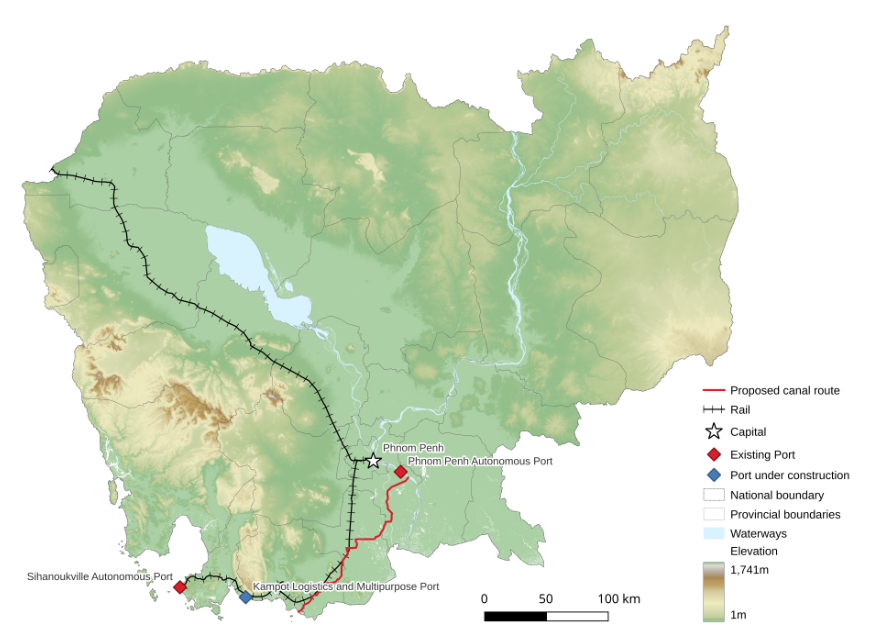
The canal is designed to accommodate vessels of up to approximately 3,000 deadweight tonnes. For Cambodia, the intended result is a new route from the country's inland waterways directly to its own coastline.
Cambodian officials have said the project could reduce the country's reliance on Vietnamese ports, with Deputy Prime Minister Sun Chanthol telling Reuters the canal could cut the share of cargo moving through Viet nam from 33% to around 10%, a roughly 70% reduction in current shipping volumes through that route.
Viet nam, meanwhile, has raised concerns about the canal's potential environmental impact on the Mekong Delta, particularly regarding water flows and the region's already vulnerable ecosystem.
The Route Is Changing Again
For centuries, Cambodia's relationship with the Mekong Delta shaped its access to trade and the sea.
Today, Cambodia is attempting to create a new route. The Funan Techo Canal will not restore the historical waterways that Cambodia once controlled. Instead, it represents a modern attempt to build an entirely new connection between Cambodia's inland river system and the Gulf of Thailand.
A country that once lost control of its most important route to the sea is now building another one.