The focus of dengue prevention has been on reducing mosquito populations through the use of insecticides, eliminating breeding sites, and public awareness campaigns. However, Indonesia took a different approach: releasing more mosquitoes to combat a disease spread by mosquitoes.
The mosquitoes released by scientists carry a naturally occurring bacteria called Wolbachia, which reduces their ability to transmit dengue fever. The program is part of the World Mosquito Program (WMP), a global research initiative developed by Australia’s Monash University.
In Indonesia, the program began in Yogyakarta, a historic city on the island of Java known as one of the country’s major cultural and educational centers. The project was carried out through a partnership between Monash University, Universitas Gadjah Mada (UGM), one of Indonesia’s leading public universities located in Yogyakarta, and the Tahija Foundation, an Indonesian philanthropic organization.
The Wolbachia Method
The program uses Aedes aegypti, the mosquito species responsible for spreading dengue.
Scientists introduce Wolbachia bacteria into these mosquitoes. The bacteria does not infect humans, but it affects the dengue virus inside the mosquito. When mosquitoes carry Wolbachia, the virus has difficulty multiplying, making the mosquito less likely to transmit dengue when it bites.
The bacteria can also be passed from mosquito parents to their offspring. Over time, mosquitoes carrying Wolbachia become established within the local mosquito population.
Unlike traditional mosquito control methods that aim to kill mosquitoes, the Wolbachia approach focuses on changing mosquito populations so they are less capable of spreading disease.
Yogyakarta Trial Showed Significant Results
Yogyakarta became the location of one of the world’s largest studies testing the effectiveness of Wolbachia mosquitoes.
The study, known as the Applying Wolbachia to Eliminate Dengue (AWED) trial, compared areas where Wolbachia mosquitoes were released with areas where they were not.
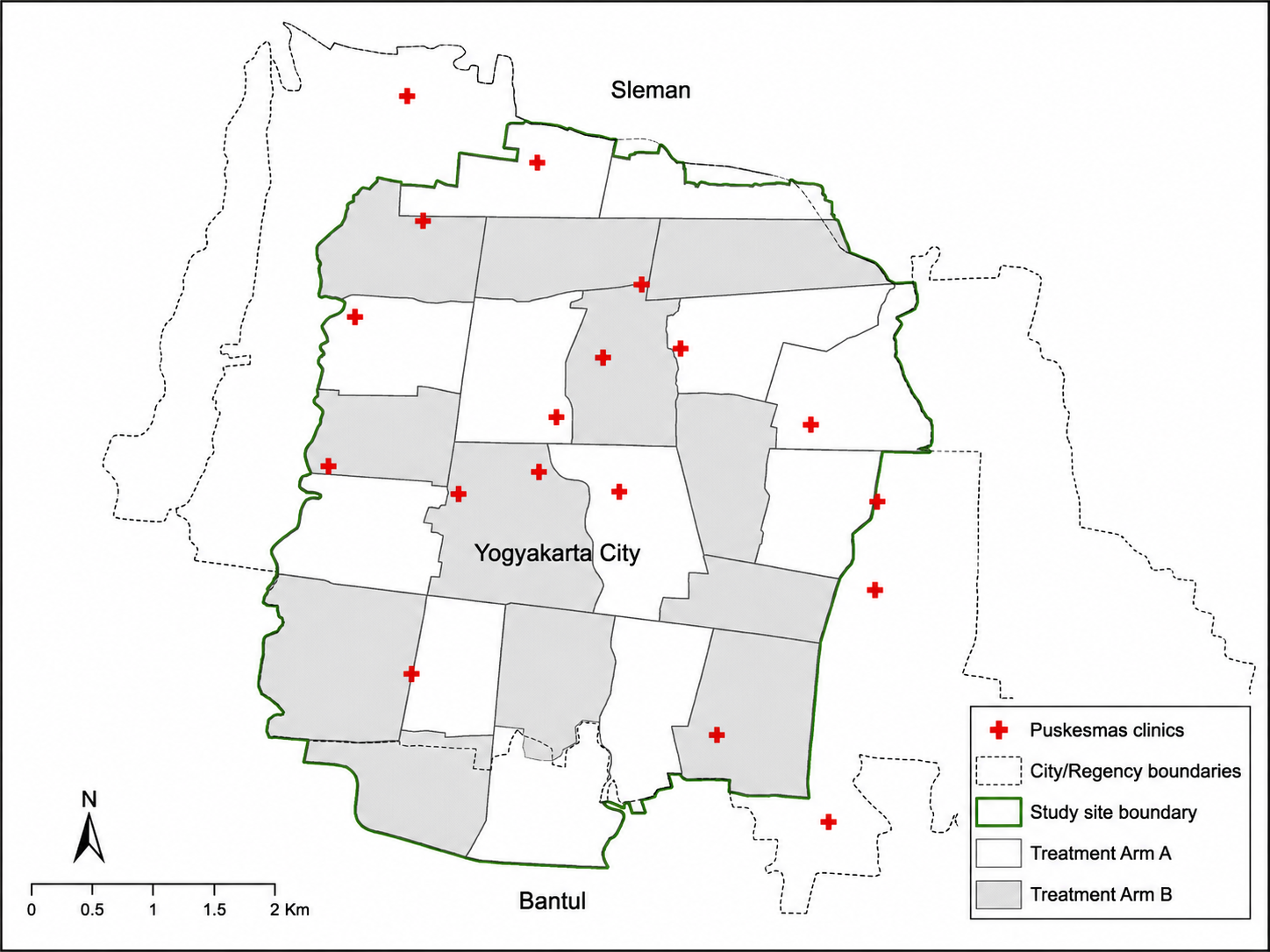
A 2021 study published in the New England Journal of Medicine found that releasing Wolbachia-infected mosquitoes in Yogyakarta reduced dengue cases by 77.1% and dengue-related hospitalizations by 86.2% compared with areas without the intervention.
The study provided evidence that the method could reduce dengue transmission in urban communities.
From Local Project to Wider Implementation
Following the results in Yogyakarta, the program expanded to more areas.
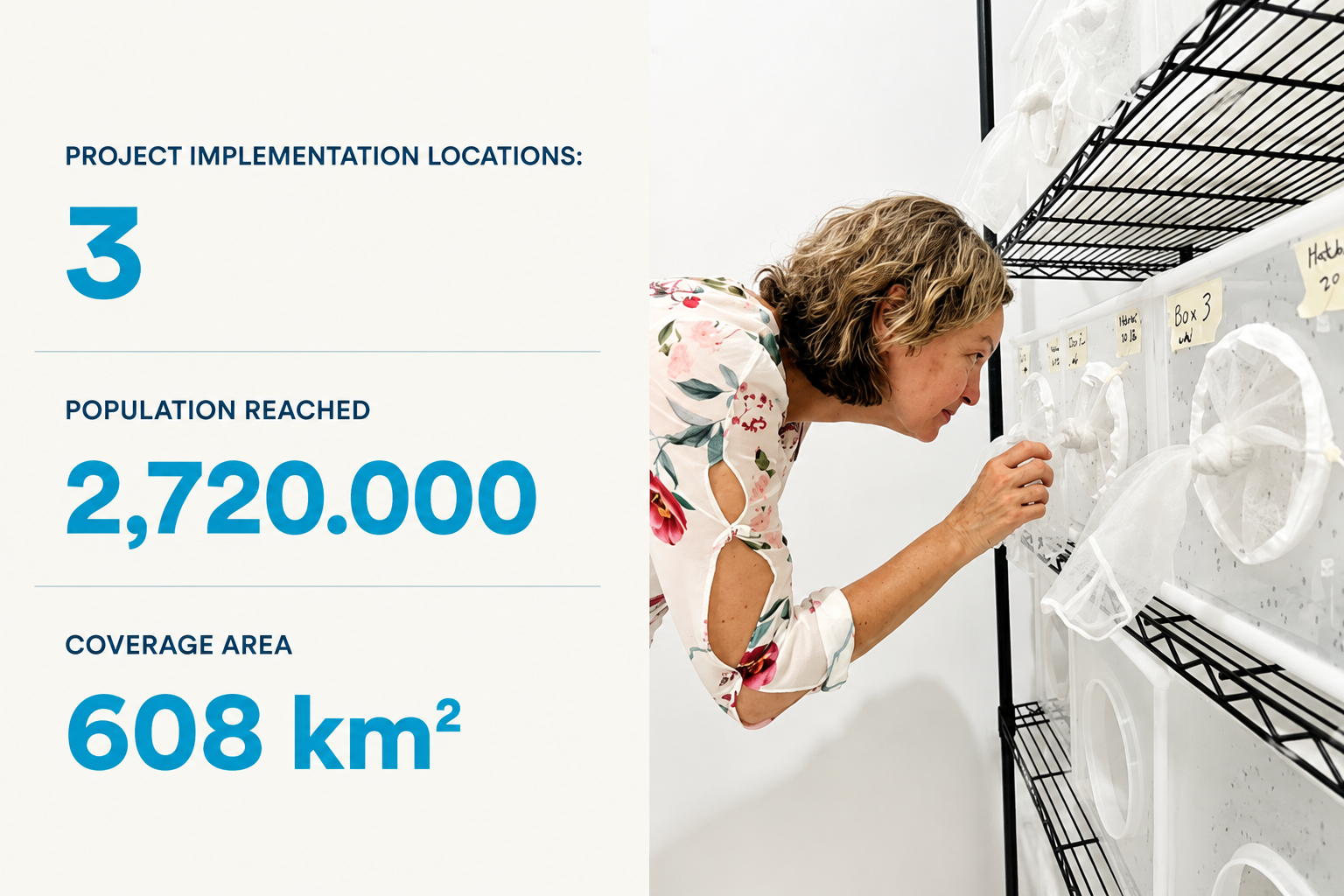
According to the World Mosquito Program, more than 1.7 million people in Yogyakarta and surrounding regions now live in areas where Wolbachia mosquitoes have been deployed. In some locations, Wolbachia populations have remained established for more than 10 years.
Community participation has also been a key part of the program. More than 12,400 local volunteers have supported activities including mosquito distribution, monitoring, and public education.
In 2023, Indonesia expanded Wolbachia implementation beyond Yogyakarta to additional priority areas, including Bali, as part of the Ministry of Health’s dengue prevention strategy.
Indonesia’s Role in Global Dengue Control
Indonesia’s Wolbachia program is part of a global effort led by the World Mosquito Program. Similar projects have been implemented in countries including Australia, Brazil, Colombia, Vietnam, Fiji, and Sri Lanka.
Dengue remains one of the world’s most widespread mosquito-borne diseases. The World Health Organization (WHO) estimates that billions of people live in areas at risk of dengue infection.
Rather than attempting to eliminate mosquitoes completely, the Wolbachia strategy changes the mosquito population itself, reducing its ability to spread dengue.
Indonesia’s experience in Yogyakarta has become one example of how biological methods can be integrated into public health programs to reduce mosquito-borne disease transmission.