


Time is running out for Manila's ASEAN chairmanship, and the message from Philippine foreign policy leaders is uncompromising. ASEAN and Beijing are locked in an intensive race to finalize a code of conduct for the South China Sea, with officials insisting that speed will not come at the expense of substance.
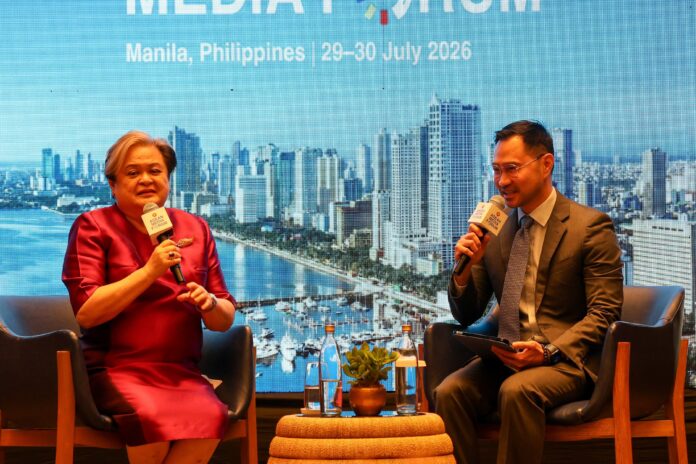
Addressing the 10th ASEAN Media Forum in Manila, Philippine Foreign Secretary Theresa Lazaro maintained a clear stance. While commentators have argued that having no code is preferable to a flawed one, she stated that neither ASEAN nor China desires a weak framework.
Accelerating the Diplomatic Pace
Negotiators are working under intense pressure to avoid a repeat of severe geopolitical disruptions. They point to the paralyzed maritime traffic seen during the Strait of Hormuz crisis as a cautionary tale. Discussions have shifted into high gear to meet this ambitious goal. ASEAN Secretary-General Kao Kim Hourn revealed that talks have accelerated into monthly meetings since January 2026.
Discussions have moved beyond technical committees to elevated diplomatic tiers to speed up the drafting process. Expressing strong optimism, Kao pointed to the 2002 Declaration on the Conduct of Parties and roughly 65 existing cooperation mechanisms as proof that regional consensus is achievable.
Despite the accelerated timeline, major disagreements continue to stall progress. Negotiators must still resolve several critical stumbling blocks. Parties remain divided over whether the final code should hold a legally binding status. Consensus is missing regarding the precise geographic boundaries covered by the agreement. Furthermore, clear definitions for self-restraint and behavioral terms detailing the rules of engagement at sea remain fiercely contested.
Lazaro emphasized that any viable agreement must remain firmly within the framework of the 1982 United Nations Convention on the Law of the Sea. The document must protect third-party rights and effectively govern maritime behavior.
Navigating Regional Tensions
Fresh confrontations threaten to derail this diplomatic momentum. A maritime clash at a disputed shoal last week left a Philippine sailor injured, with Manila and Beijing trading blame over the incident. Regional diplomats responded in their recent Manila gathering by agreeing on a joint communique that stresses the need for a conducive environment, highlighting practical measures to reduce tensions, accidents, and miscalculations.
Broader geopolitical shifts are also drawing attention, marked by US Secretary of State Marco Rubio visiting Manila for security talks with President Ferdinand Marcos Jr. Chinese Foreign Minister Wang Yi maintains that maritime disputes should not obstruct broader regional relations. Malaysia, Brunei, and Vietnam join the Philippines as the primary ASEAN claimant states navigating these negotiations.
Maritime security represents only one facet of the Philippines' extensive diplomatic workload this year. Lazaro, who also serves as ASEAN's special envoy to Myanmar, announced plans for a humanitarian mission to the conflict-affected nation later in the year. A potential meeting with detained leader Aung San Suu Kyi highlights ongoing efforts to demonstrate ASEAN's central role in resolving complex regional crises.


