Torch ginger, also known as Etlingera elatior, is a perennial herbaceous spice belonging to the ginger family. Pseudostems of torch ginger grow upright to form tall green clumps that can reach a height of 3 to 4 meters.
Leaves of torch ginger have an elongated lanceolate shape with parallel veins. Under the ground, torch ginger is anchored by a thick yellowish-brown rhizome and strong fibrous roots.

Stems of torch ginger produce single flower buds in bright pink colors. The pink blossom resembles an upright torch that gives the plant the common name torch ginger.
Torch ginger grows wild in the tropical rainforests of Indonesia, Malaysia, and Thailand. The highest concentration of native species diversity is found on the island of Borneo.
Culinary Roles in Traditional Dishes
Flowers and other parts of torch ginger serve as common culinary ingredients. In Indonesia, raw petals are sliced as a mixture for sambal, a traditional chili paste.
Boiled flower buds are also added to a traditional vegetable salad dish mixed with peanut sauce known as pecel.
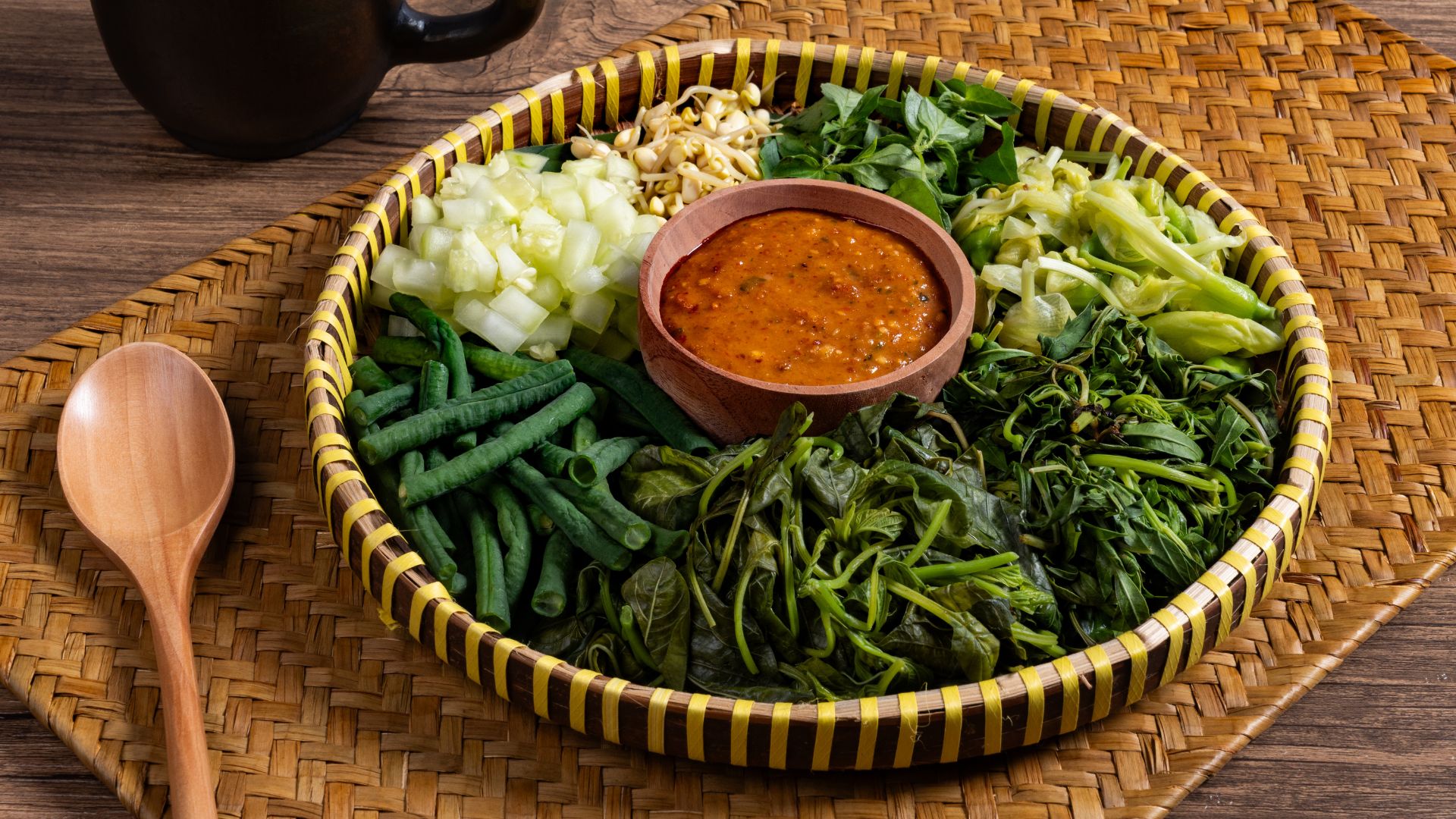
Torch ginger contains natural essential oils that help reduce fishy odors in culinary ingredients. Young stems of torch ginger are also used as ingredients in aromatic sour soups.
Rich Phytochemical Profile with Protective Compounds
Torch ginger offers more than distinct culinary flavors, as the plant also contains natural compounds beneficial for health and food preservation.
The Medicinal Plant and Traditional Medicine Research and Development Center of the Indonesian Ministry of Health notes that torch ginger blossoms are rich in antioxidants.
Active constituents in the blossom include phenols, polyphenols, saponins, tannins, and flavonoids such as kaempferol and quercetin.
The highest concentration of natural antioxidant activity occurs in the flowers of torch ginger. Rhizomes, stems, and leaves of torch ginger follow in sequence as viable botanical antioxidant sources.
The Indonesian Ministry of Health also confirms that torch ginger contains natural antibacterial compounds. Active compounds in the flower, such as flavonoids, tannins, and saponins, suppress the growth of common food-spoilage bacteria like Escherichia coli and Staphylococcus aureus.
The antibacterial compounds allow torch ginger to function as a natural food preservative. Torch ginger can help preserve cooked dishes because its antibacterial compounds slow down microbial spoilage.
Functional Applications of Aromatic Compounds
Torch ginger also provides practical uses in personal hygiene, pest control, and traditional medicine.
Fragrant essential oils extracted from the flowers are used as raw materials in soaps, shampoos, and perfumes. Leaves of torch ginger are rich in aromatic essential oils and active phytochemicals.
Based on laboratory findings by the Indonesian Ministry of Health, torch ginger leaf oil provides a mosquito repellency rate exceeding 94 percent.
Extracts from torch ginger leaves and rhizomes also exhibit larvicidal activity. Phytochemicals in the plant, particularly saponins, tannins, and essential oils, disrupt the growth cycle of Aedes aegypti mosquito larvae in stagnant water.
In traditional medicine, people in Indonesia use warm decoctions of torch ginger leaves to wash external skin wounds and reduce body odor. Fresh juice pressed from torch ginger fruit is also applied to ease earaches.
References:
- Choon, S. Y., & Ding, P. (2016). Growth stages of torch ginger (Etlingera elatior) plant. Sains Malaysiana, 45(4), 507–515.
- Farida, S., & Maruzy, A. (2016). Torch Ginger: A review of Its Traditional Uses, Phytochemistry and Pharmacology. The Journal of Indonesian Medicinal Plant, 9(1), 19–28. https://doi.org/10.22435/toi.v9i1.6389.19-28