Malaysia isn't a name that usually comes up when people talk about the Boeing 787 Dreamliner. But drive out to Serendah, a small town in Selangor, and you'll find a factory floor where workers build a critical piece of one of the aircraft's engines.
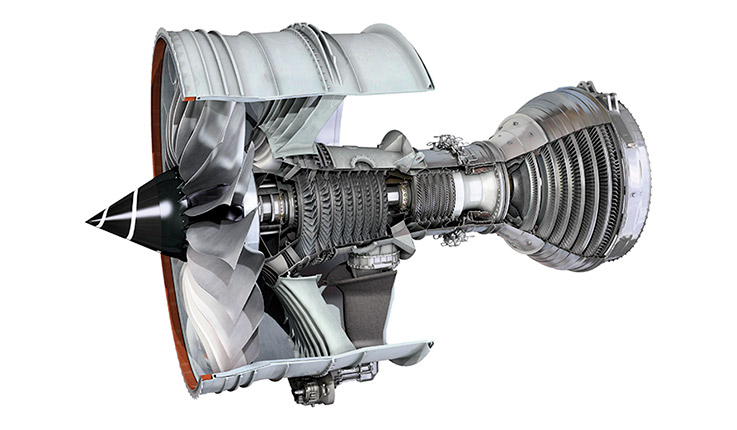
The company is UMW Aerospace, and it makes fan cases for the Rolls Royce Trent 1000, one of two engines Boeing offers for the 787, the other being GE Aerospace's GEnx-1B.
It sounds like a niche detail, but it's enough to have made UMW Aerospace a Tier-1 supplier to Rolls Royce, the first Malaysian company to earn that status.
What Exactly Gets Made There?
UMW Aerospace isn't building the whole engine.
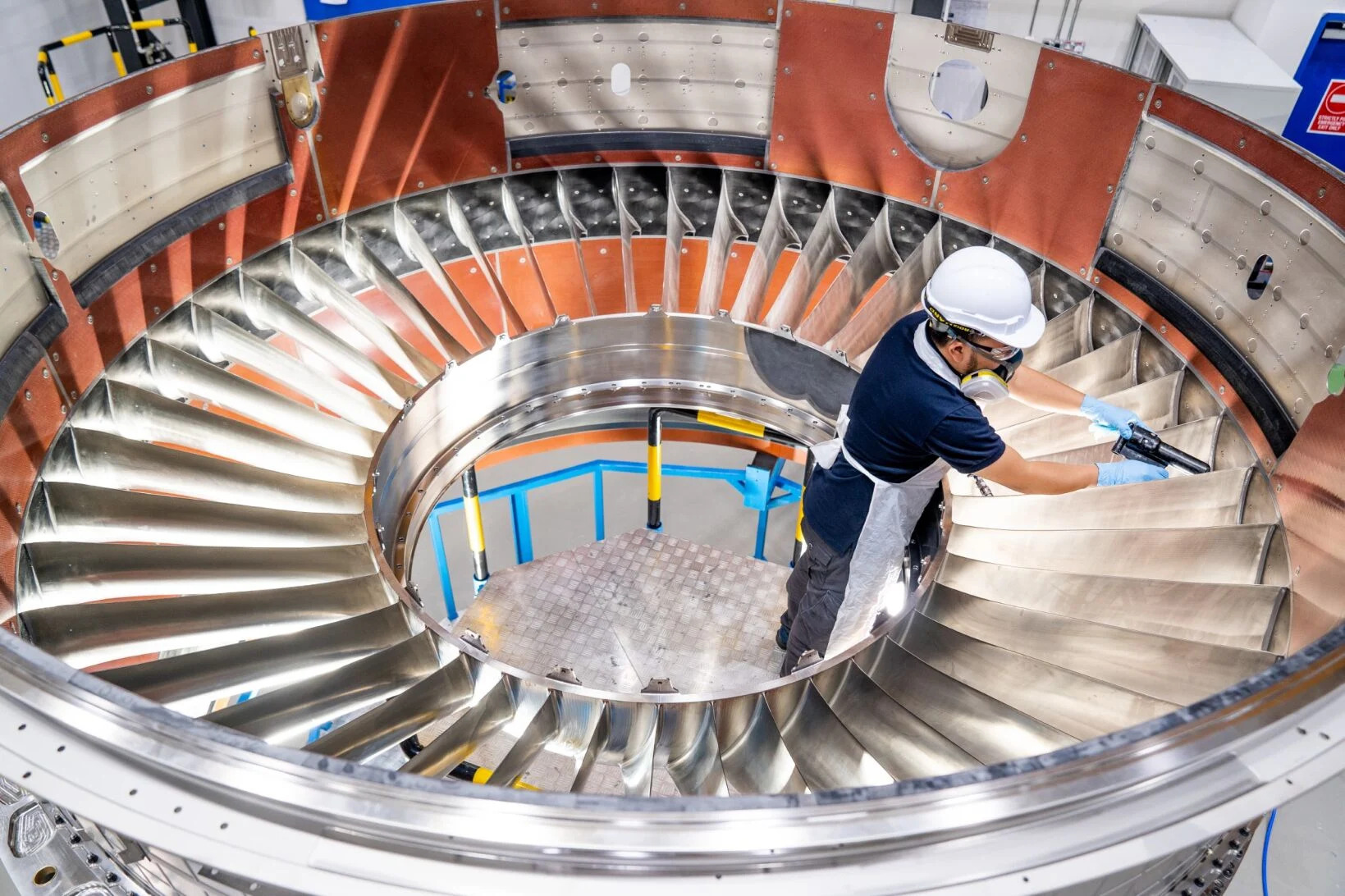
What it produces is the fan case, the large structural shell that wraps around the engine's fan assembly. It's not a small part, either. The first unit shipped out weighed roughly a tonne and was made of titanium, and getting it right meant meeting the kind of precision and quality standards that commercial aviation demands.
Getting there wasn't cheap.
UMW Group poured about RM750 million (roughly USD 186 million) into building its aerospace facility in Serendah, Malaysia. The plant initially employed around 100 workers, with the workforce expected to reach approximately 170 at full capacity.
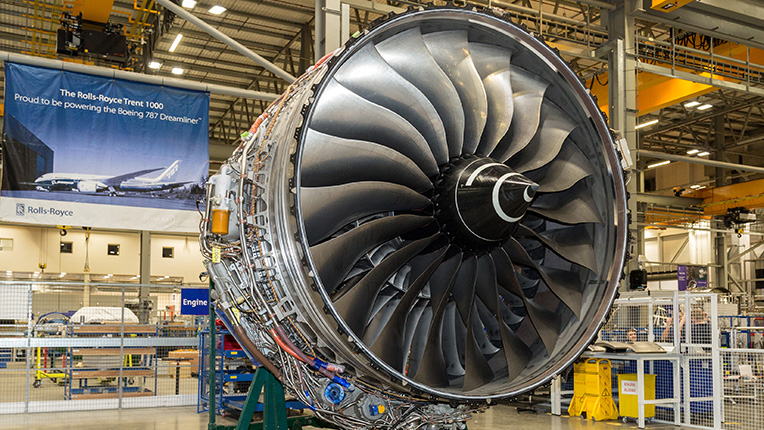
The relationship with Rolls Royce dates back to August 12, 2015, when UMW Aerospace signed a 25 year manufacturing agreement, with an option to extend for another five years, to produce fan cases for the Trent 1000 and Trent 7000 engines.
Two years later, in November 2017, the first Trent 1000 fan case rolled off the Serendah production line and was delivered to Rolls Royce's facility in Seletar, Singapore. The first Trent 7000 fan case followed in October 2020.
The ramp-up was gradual. UMW delivered six fan cases in 2017, with production initially targeted at 80 units in 2018 and 160 in 2019, according to Kenanga Research. UMW Aerospace reached EBIT break even in 2019 at around the 160 unit production level.
The plant was ultimately designed for 250 fan cases per year, although reaching full capacity took longer than initially projected. By 2022, Kenanga Research estimated annual output at 96 units, rising to 192 units in 2023, with full capacity of 250 units expected around 2025.
However, publicly available data do not confirm that UMW Aerospace actually reached the 250 unit mark in 2025.
The Work Has Grown Since Then
UMW Aerospace hasn't stood still. In April 2023, it landed a second contract with Rolls Royce, this time to manufacture rear cases for the same two engines, a deal reportedly worth around RM1 billion (roughly USD 248 million) over 15 years, according to Malaysia's Investment Development Authority (MIDA).
The company is putting up to RM65 million (roughly USD 16 million) into new chemical milling capabilities at its Serendah site to handle it. Until now, rear cases had to be imported and then assembled into the finished fan case, bringing that step in-house means more of the supply chain actually happens on Malaysian soil.
The recognition has followed the work. UMW Aerospace picked up Rolls Royce's "Trusted to Deliver Excellence" award in 2018, and in 2021 it was inducted into the company's High Performing Supplier Group, a distinction reserved for the top 5% of Rolls Royce's suppliers worldwide.
That year it was also the only Southeast Asia company selected in the complex machining category. Along the way, the plant built up a safety record worth noting too over 2,100 days without a lost time injury by mid 2022, according to the company press release.
From Malaysia to Singapore
The journey of the component shows how global the aircraft industry has become.
A component can be manufactured in one country, transported to another for engine assembly and testing, and eventually installed on an aircraft assembled somewhere else.
In this case, UMW Aerospace manufactures the fan cases in Malaysia before they are sent to Rolls Royce’s Seletar facility in Singapore. According to Rolls Royce, its Singapore campus is one of the company’s major aerospace manufacturing and assembly locations and is capable of assembling and testing Trent engines.
None of this means Malaysia is building Boeing 787s, or even full engines. It's one component, made in one factory, in one town in Selangor. But that component ends up flying, thousands of times over, on one of the world's most widely used long haul aircraft.
That makes Malaysia part of a much larger aerospace supply chain stretching across Southeast Asia.