In Indonesia, making a phone call once meant walking into a small kiosk, picking up a phone and paying for the minutes.
These places were called Wartel, short for Warung Telekomunikasi.
They spread across Indonesian cities in the 1980s and 1990s, when having a telephone at home was still uncommon.
It Started in Bali
The early story of the wartel goes back to Kuta, Bali.
At the time, Indonesia's state owned telecommunications operator, Perumtel, was responsible for domestic telecommunications services. The company would become today's PT Telkom Indonesia in 1991.
According to former Telkom president director Setyanto P. Santosa, the first telephone kiosk appeared in Kuta, Bali, in 1982. The idea came from the need for greater access to telephone services in Denpasar and nearby tourist areas, where public telephone facilities were largely limited to Telkom offices.
Telkom initially developed the kiosks itself. Between 1984 and 1988, 48 wartels were built. The government then pushed the concept across Indonesia from 1988, with the number reaching 128 in 1989 and 1,190 by 1993, according to Setyanto.
The wartel later developed into a franchised public-call-office model operated by small private entrepreneurs, a model documented by the International Telecommunication Union (ITU).
A Small Business Built Around Phone Calls
Wartels were not public payphones operated by Telkom.
The model allowed small private entrepreneurs to run public call offices through a franchise arrangement with Telkom. The business owner paid for the installation and rental of telephone lines, while Telkom handled the connection and technical side.
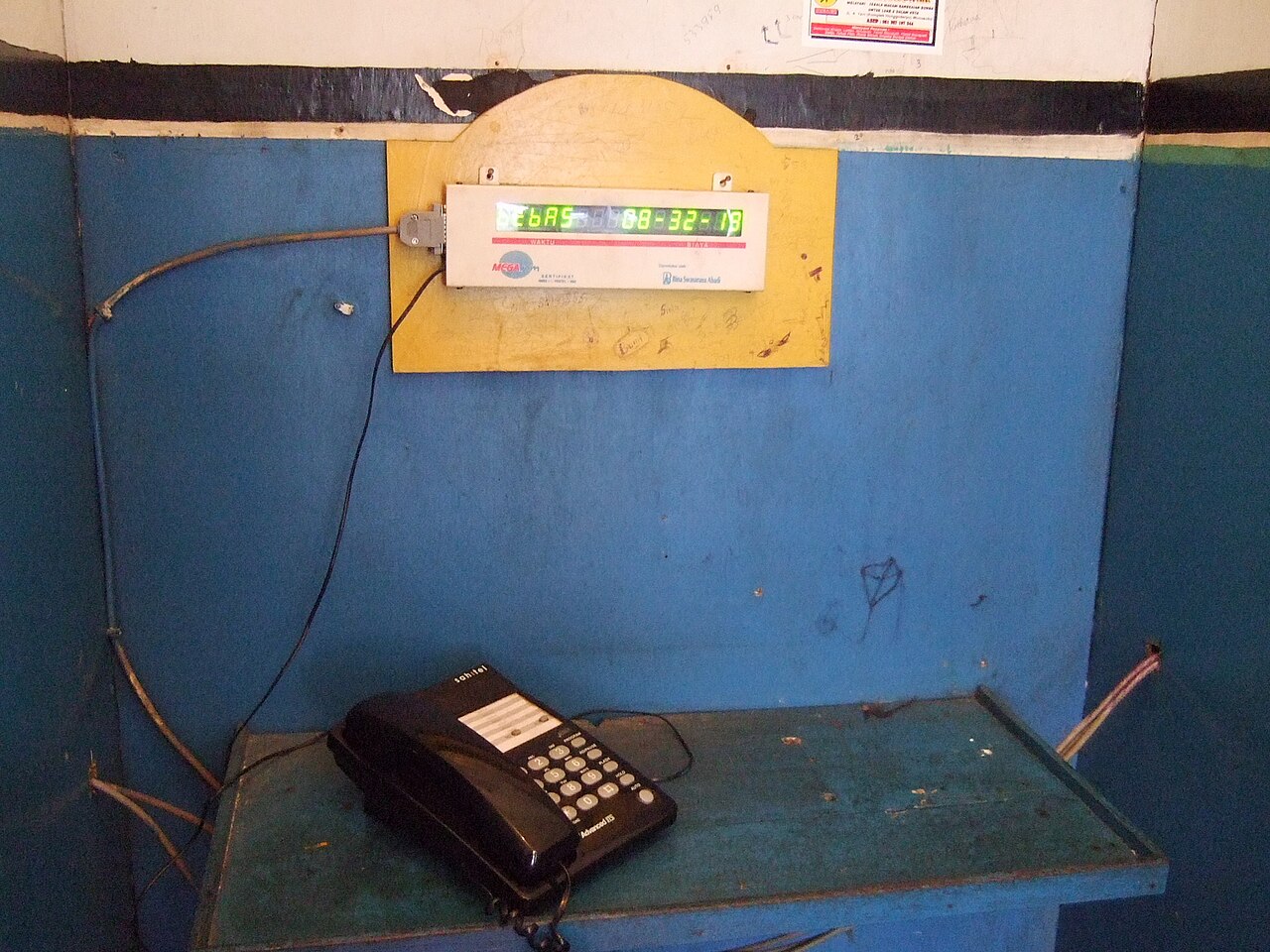
Customers could then walk in, use a telephone booth and pay for their calls.
The service was not limited to ordinary local calls. According to the ITU, wartels offered local, long distance and international calls, as well as fax, telegram, telex and, increasingly, internet services.
Thousands of Kiosks
The model expanded rapidly.
The ITU reported more than 1,500 wartels by 1994, with its historical data showing the number reaching 1,692 that year.
The organization described Indonesia's wartel system as a successful example of franchised public-call offices, typically operated by small private entrepreneurs under agreements with PT Telkom.
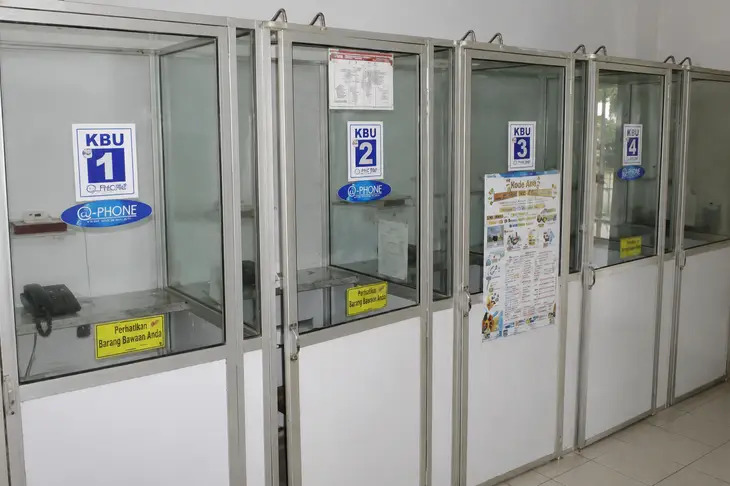
The businesses were also making serious money. In 1994, wartels generated more than US$60 million in revenue, equivalent to roughly Rp129.5 billion at the exchange rate at the time, according to the ITU. That would be about Rp1.06 trillion at today’s exchange rate.
The report estimated about US$9,000 in revenue per line that year. For people without a telephone at home, wartels filled an obvious gap.
A person could call relatives in another city, contact a business, or make an international call without owning a telephone line themselves. In some locations, customers even had to wait for a booth to become available.
Then Mobile Phones Took Over
The wartel's decline came as mobile phones became cheaper and easier to use. With prepaid services becoming widely available, people could make calls from their own phones instead of going to a kiosk.
That change gradually made wartels less useful. The lack of home telephone lines that had helped create the demand for wartels was no longer as important.
Many wartels eventually closed, while others moved into different businesses as mobile phones became part of everyday life.
Today, wartels are mostly remembered as part of Indonesia's pre-mobile phone era. For people who grew up without a telephone at home, however, these small kiosks were once a simple and familiar way to stay in touch.