


Today, Indonesia and Malaysia are known as two of the world's largest palm oil producers. Yet the history of oil palm in Southeast Asia began with a plant that was not initially grown for its oil.
In 1848, four oil palm seedlings were planted at Buitenzorg Botanical Gardens, now Bogor Botanical Gardens. According to the Journal of Global History, the seedlings came from botanical collections in Amsterdam and Mauritius.
Their descendants later spread across Southeast Asia. It took more than 60 years before oil palm began to be cultivated as a plantation crop. From this very small population, one of the region's largest plantation industries would eventually emerge.
Oil Palm Was Initially an Ornamental Plant
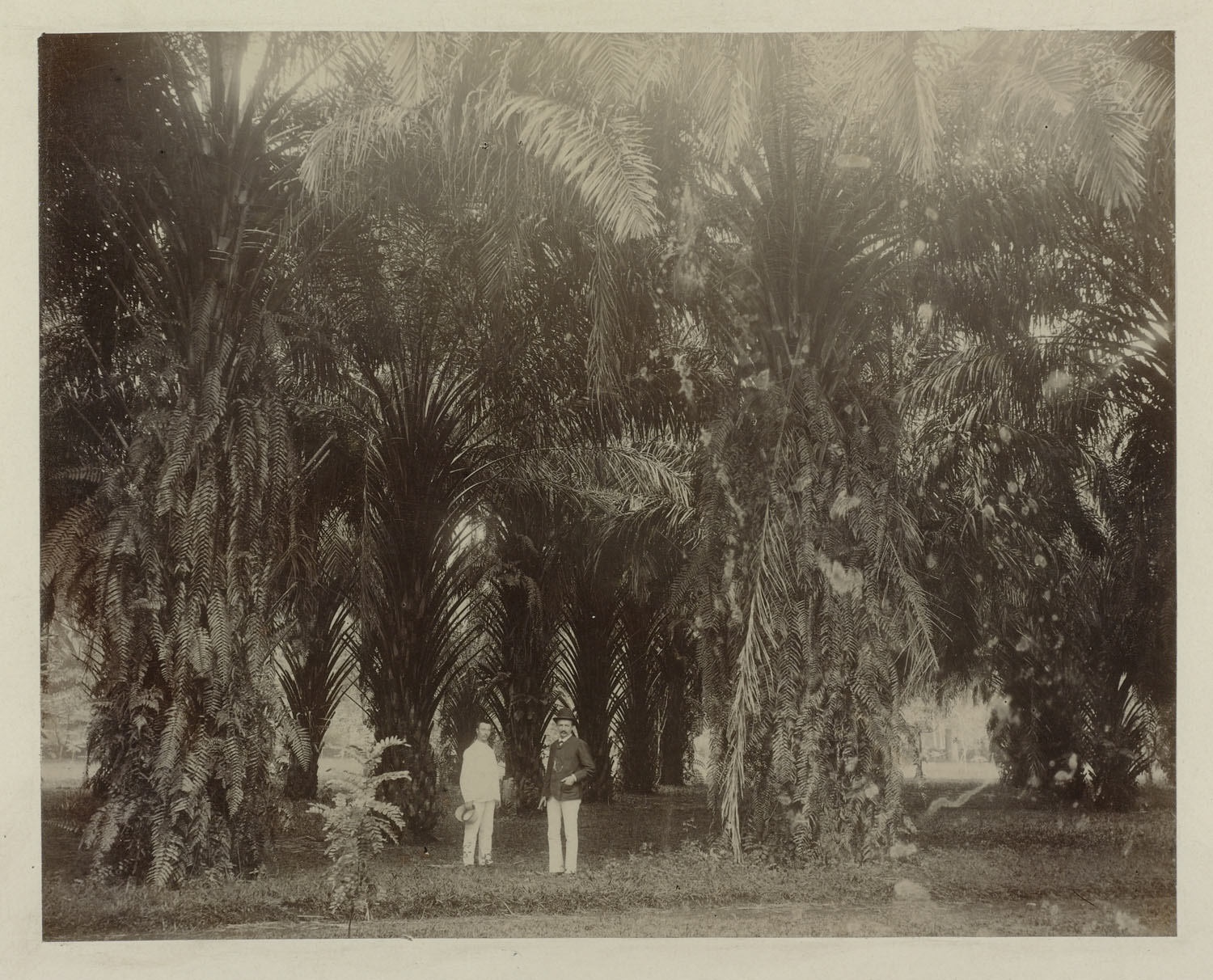
The four seedlings planted in Bogor marked the beginning of oil palm's introduction to Southeast Asia. According to Plant Resources of South-East Asia (PROSEA), all four were dura, a type of oil palm with a thick fruit shell and relatively thin flesh.
Over the following decades, their descendants spread to Sumatra, particularly to Deli. Because these dura palms were widely grown and selected in the Deli region, they later became known as Deli dura. At the time, however, oil palm was not yet cultivated as a plantation crop for large-scale oil production.
In the 1870s, the palms were mainly planted as ornamental trees along roads in Deli and other parts of Sumatra. Their role was still largely decorative, long before oil palm became a major commercial crop.
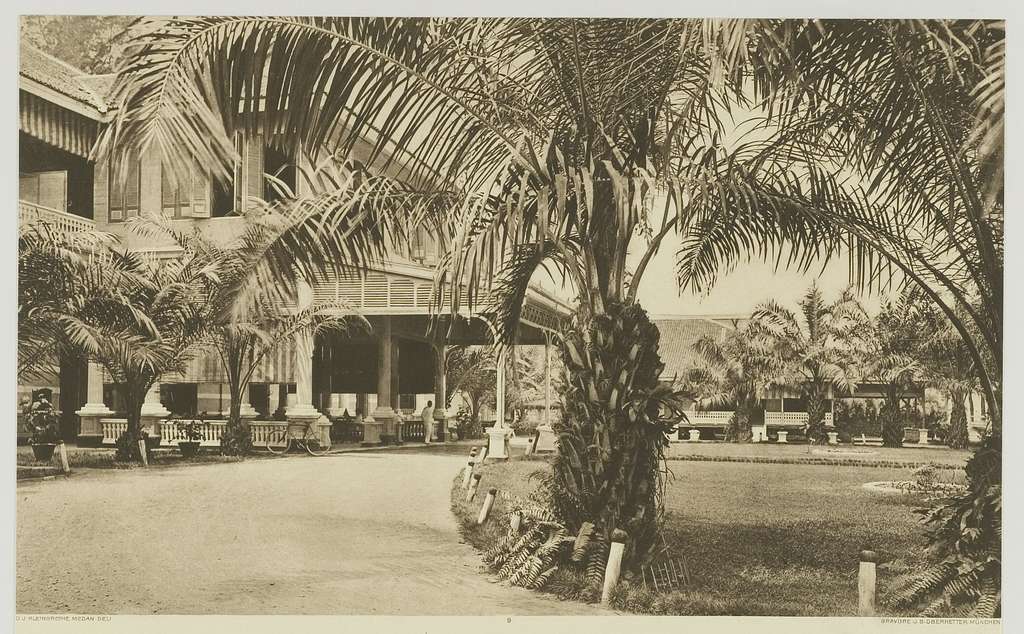
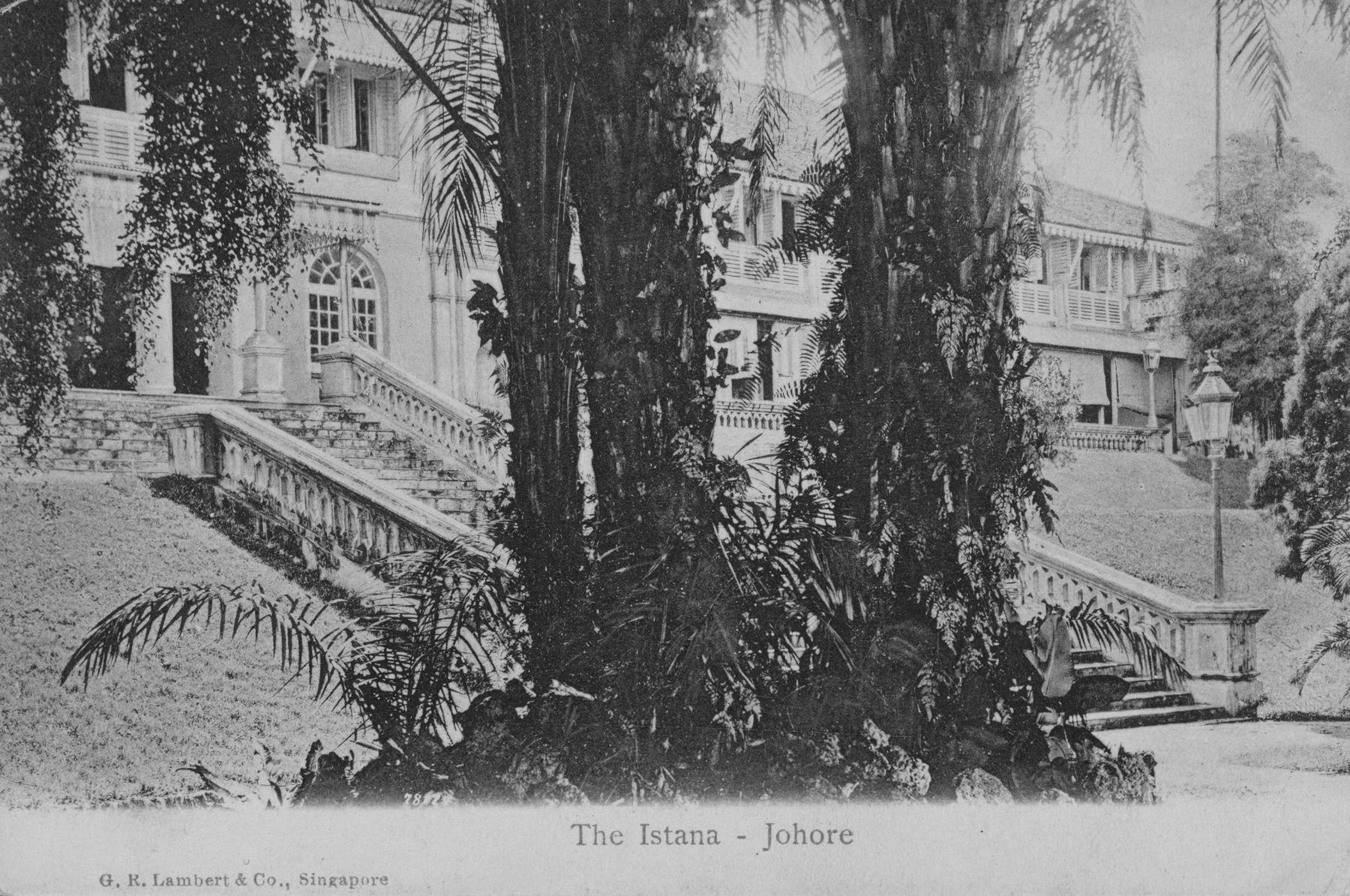
Oil palm also began spreading to other parts of the region. In 1875, it was planted at the Singapore Botanic Gardens. According to the Journal of Global History, the seedlings may have arrived from London through Ceylon, or may have come from oil palms that had previously been brought to Java.
For several decades, then, oil palm was already growing in different parts of Southeast Asia, but its role was still far removed from the plantation crop it would eventually become.
Oil Palm Became a Business Only in the 1910s
The shift began when people started seeing the potential to grow oil palm on a large scale for oil production. By then, oil palm was already being cultivated commercially in Africa, providing experience that helped demonstrate its potential in Asia.
Adrien Hallet, a Belgian agronomist and businessman who had worked with oil palm in the Congo, was among those who recognized this opportunity. He later invested in plantations in Sumatra and Malaya as the rubber industry was expanding.
In 1911, Hallet established the first oil palm plantation in Deli. Six years later, the first oil palm plantation in Malaya began operating in Selangor.
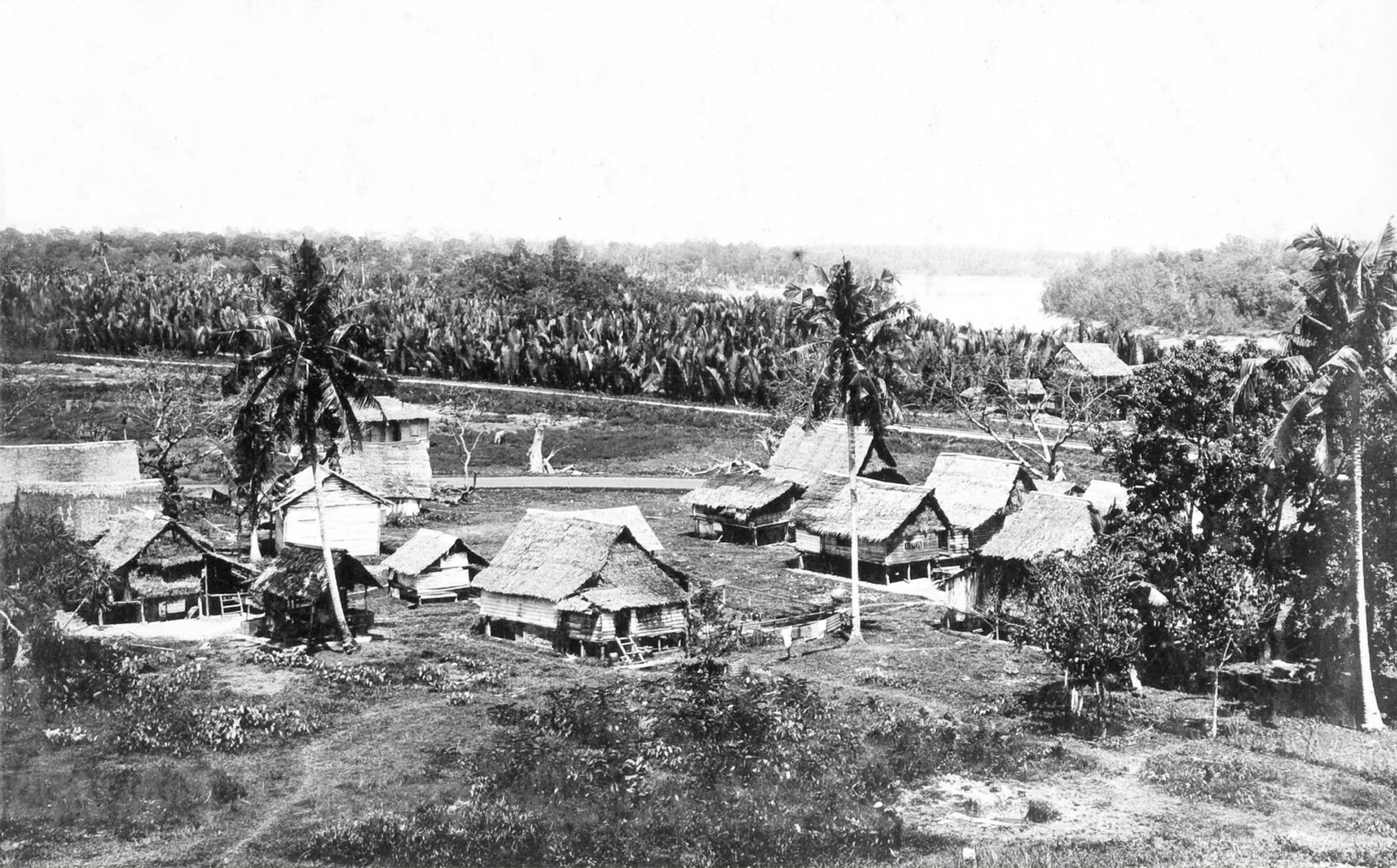
The development of oil palm in both areas also benefited from the plantation system that had already been built for rubber. Companies already had access to plantation land, labor, transport routes, and trading networks. These resources could then be used to develop another commercial crop.
At this point, oil palm began to shift from an ornamental tree to a crop grown for its economic value.
Seeds from Roadside Trees Shaped the Future of Oil Palm
The next stage of the story began with the palms that had already been planted along Deli's roads.
According to the Journal of Oil Palm Research, seeds from these roadside palms continued to be used to grow new trees. When farmers or plantation managers repeatedly chose seeds from trees that grew well and produced better fruit, those desirable traits became more common over successive generations.
This was not yet a formal plant-breeding program. But repeated selection gradually produced oil palm populations with traits that were better suited to plantation production.
Formal breeding began in the 1920s in Indonesia and Malaya. Breeders selected higher-yielding plants and crossed them to produce more productive offspring.
One important development involved differences in fruit-shell thickness. Researchers found that this trait was inherited through a single gene.
This knowledge later helped breeders develop dura × pisifera (DxP) crosses, which combined traits that were more advantageous for plantation production.
From Four Trees to a Southeast Asian Industry
The early oil palm population in Southeast Asia was actually very small. As a result, breeding programs across the region continued to rely heavily on Deli dura as a female parent.
Over decades of breeding, however, this small population produced more uniform palms with larger bunches and higher fruit-flesh content. These planting materials helped shape the modern oil palm plantation.
By the late 1930s, Southeast Asia had already overtaken Africa as the leading exporter of palm oil, according to the Journal of Southeast Asian Studies.
The transformation was not driven by better plants alone. Colonial policies, access to land and labor, and the plantation networks already in place also played major roles in determining where oil palm flourished.
But the story began with something much smaller: four seedlings planted in Bogor in 1848. The descendants of those trees, first grown as part of a botanical collection, would eventually become one of the foundations of Southeast Asia's palm oil industry.
References:
- Giacomin, V. (2018). The transformation of the global palm oil cluster: Dynamics of cluster competition between Africa and Southeast Asia (c.1900-1970). Journal of Global History, 13(3), 374-398. https://doi.org/10.1017/S1740022818000207
- Hardon, J. J., Rajanaidu, N., & van der Vossen, H. A. M. (2001). Elaeis guineensis Jacq. Dalam Plant Resources of South-East Asia No. 14: Vegetable oils and fats. PROSEA Foundation. https://prosea.prota4u.org/view.aspx?id=830
- Kushairi, A., & Mohd Din Amiruddin. (2020). Development of new oil palm cultivars in Malaysia. Journal of Oil Palm Research, 32(3), 420-426. https://doi.org/10.21894/jopr.2020.0037
- Robins, J. (2020). Shallow roots: The early oil palm industry in Southeast Asia, 1848-1940. Journal of Southeast Asian Studies, 51(4), 538-560. https://www.cambridge.org/core/journals/journal-of-southeast-asian-studies/article/abs/shallow-roots-the-early-oil-palm-industry-in-southeast-asia-18481940/EB9B53BBAF6698ED0EE151BD11CF93E2


