


For a food vendor in Manila or a family in Jakarta, energy insecurity arrives through everyday expenses: fuel, electricity and the cost of moving goods. Following this week’s regional energy meetings in the Philippines, ASEAN’s challenge is to turn cross-border cooperation into reliable supplies and greater protection from price shocks.
Bringing Energy Cooperation Home
The 44th ASEAN Ministers on Energy Meeting and associated business forum opened in Manila on October 7, with regional power connections and petroleum security high on the agenda. Priorities include putting an enhanced ASEAN Power Grid agreement into practice and developing legal and regulatory guidelines for submarine electricity cables.
Philippine Energy Secretary Sharon Garin described the pressures governments have faced from shifting prices, disrupted shipping and emergency spending to support households.
“Each Member State is made stronger by belonging to a community of nations that look out for one another,” she said at the opening.
The exposure is substantial. The International Energy Agency’s Southeast Asia Energy Outlook 2026 reports that, before the Middle East crisis, approximately 60% of the region’s crude oil imports and one-third of its gas imports came from the Middle East. Without sufficient changes, its energy import bill could rise from more than US$80 billion in 2024 to around US$245 billion by 2035. These are projections, rather than unavoidable outcomes.
Building on a Connection That Already Works
The Lao PDR–Thailand–Malaysia–Singapore Power Integration Project, or LTMS-PIP, provides a working example of regional electricity cooperation.
Launched in June 2022, it enabled hydropower from Laos to reach Singapore through Thailand and Malaysia. Its second phase expanded the trading ceiling from 100 megawatts to 200 megawatts, incorporating additional supply from Malaysia. An August 2026 update from Singapore’s Energy Market Authority described trade of up to 200 megawatts across the four countries. That figure represents the maximum trading capacity, not a constant flow.
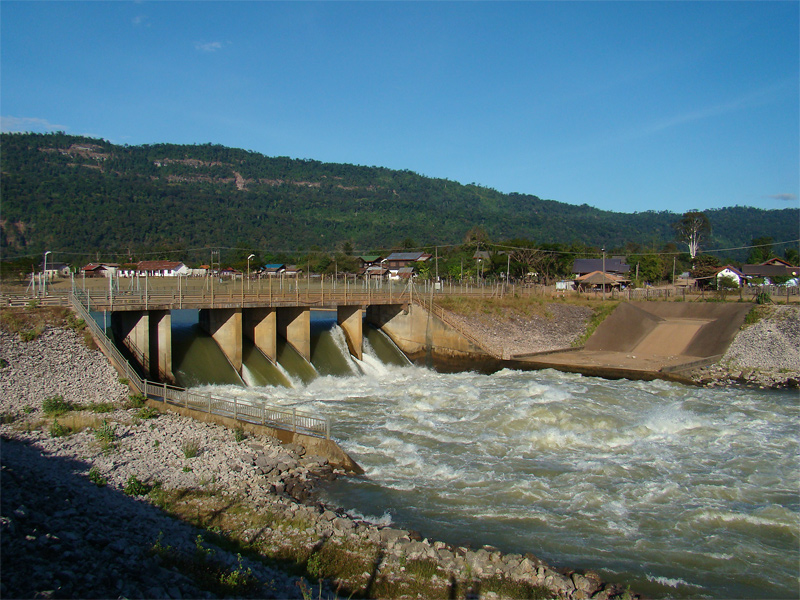
The project demonstrates that electricity can cross several national systems under agreed commercial and technical arrangements. It also gives countries experience in negotiating transmission access and coordinating supply.
However, four-country trading does not mean ASEAN already operates a fully integrated electricity market. Wider interconnection still requires investment and compatible rules.
Turning Grid Ambitions Into Affordable Power
Regional connections can help countries use neighbouring energy resources and reduce dependence on imported fuels. But affordability depends on the total cost of generation, transmission and contracts, and on how national electricity markets pass savings to consumers.
“No country or institution can successfully navigate the energy transition on its own,” EMA chief executive Puah Kok Keong said at an August 2026 energy forum.
The same forum highlighted an estimated requirement of more than US$300 billion in regional grid investment between 2025 and 2040. Malaysia also described an ongoing feasibility study for a second interconnector with Singapore, with a minimum capacity of 1,000 megawatts. This remains a project under study, rather than electricity already available to households.
For maritime connections, governments must resolve cable routes, permits, financing and responsibility for interruptions. Clear agreements about who pays—and who bears the risks—are as necessary as the cables themselves.
Preparing a Shared Fuel Safety Net
Electricity integration addresses one part of energy security. Transport and other fuel-dependent activities also need protection against petroleum disruptions.
The ASEAN petroleum-security framework provides a basis for coordinated emergency responses. The ASEAN Centre for Energy serves as its secretariat, supporting data analysis and coordination for emergency measures. It complements power-grid and gas-connectivity initiatives.
An agreement, however, cannot substitute for available fuel, storage and delivery capacity. Regional support must be organised before a shortage becomes acute.
On October 8, Reuters reported that Asian partners were pursuing national stockpiling and voluntary regional arrangements. The Philippines was considering a reserve that could also support regional needs. These developments indicate preparation, rather than an already guaranteed emergency supply system.
Connecting Security With Cleaner Energy
ASEAN’s 2026 programme also includes work on battery storage and technologies for integrating variable renewable electricity. These efforts can support cross-border trade as solar and wind deployment expands.
The test of regional cooperation will be practical: dependable connections, workable emergency arrangements and costs that households can manage. ASEAN’s energy future will become more secure when agreements translate into infrastructure and services people can rely on every day.


