


Across the Madura Strait, Suramadu’s towers and cables mark a journey that once depended on ferry schedules and queues. Connecting Surabaya with Bangkalan, Indonesia’s longest bridge has made travel between Java and Madura easier—and brought jobs, markets and cultural encounters within closer reach.
Seventeen years after its inauguration, the bridge’s achievement extends beyond its impressive dimensions. Its continuing story is about how better connections can create opportunities for the communities on either shore.
An Engineering Achievement Across the Strait
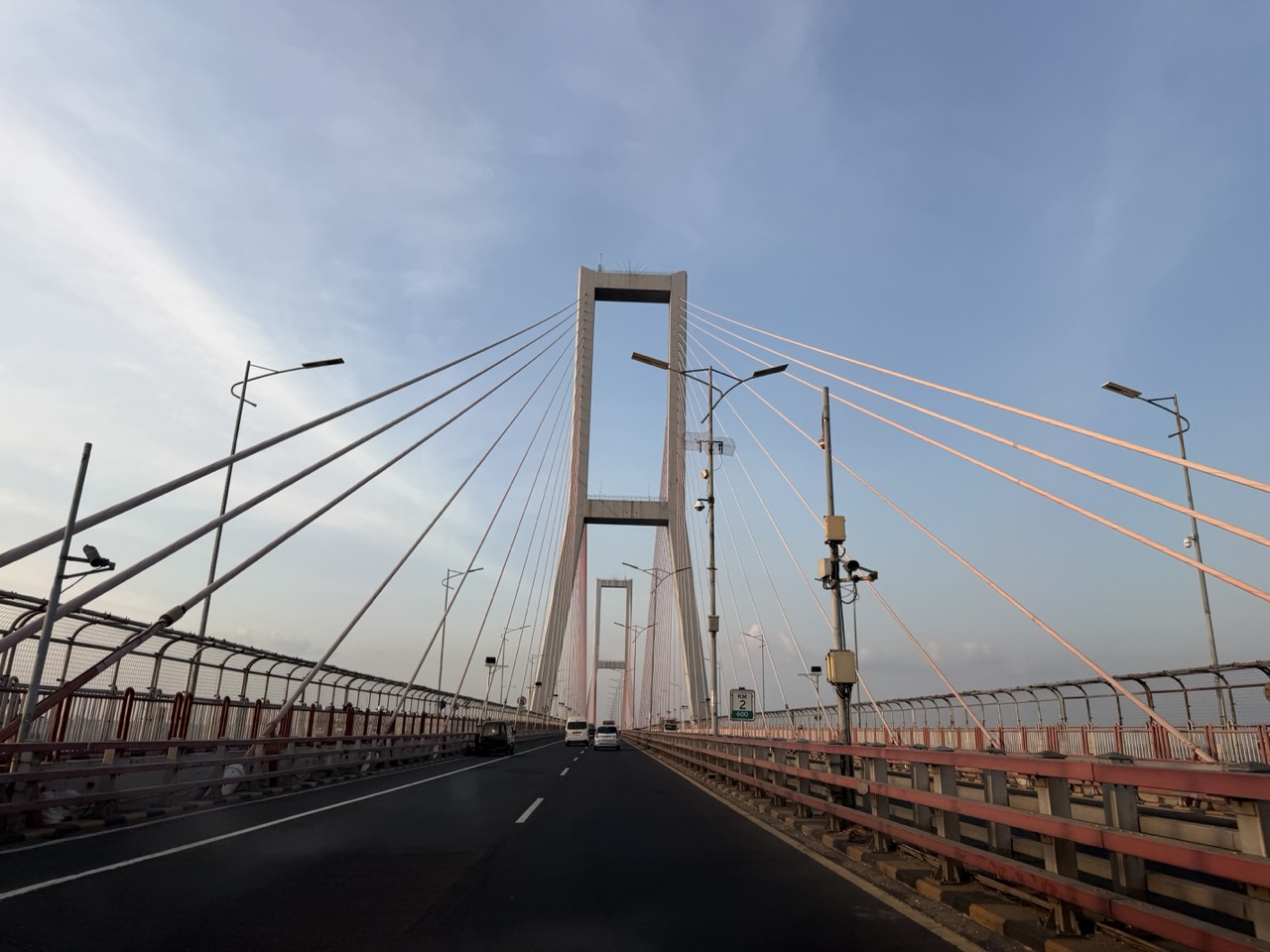
Stretching 5,438 metres, Suramadu takes its name from the two places it connects: Surabaya and Madura. Construction began on August 20, 2003, under President Megawati Soekarnoputri, and President Susilo Bambang Yudhoyono inaugurated it on June 10, 2009. The project carried an estimated construction cost of Rp4.5 trillion.
Its most recognisable feature is the cable-stayed central section, supported by twin towers rising approximately 140 metres. Two traffic lanes in each direction accommodate larger vehicles, while separate motorcycle lanes recognise the importance of two-wheeled transport in everyday Indonesian life.
For an archipelagic country, this was a significant demonstration of infrastructure capability. The crossing created a continuous road connection where a stretch of sea had previously interrupted journeys, linking a major commercial city with an island whose communities maintain their own language, traditions and economic identity.
A Crossing Made More Accessible
Opening the bridge was one milestone; making it affordable was another.
Motorcycles were exempted from tolls in 2015. On October 27, 2018, President Joko Widodo removed charges for all vehicles, converting Suramadu into a public, non-toll road. The decision placed accessibility and regional development at the centre of its operation.
“The state’s calculations concern social justice,” Jokowi said at the time, translated from Indonesian. His explanation framed the bridge as a public investment whose value should include welfare and fairness.
Then-Vice President Jusuf Kalla reinforced that purpose three days later: “This is also to advance Madura so that its economy becomes more vibrant,” he said, translated from Indonesian. He also acknowledged that the anticipated industrial development had not yet materialised as hoped.
The bridge crossing itself can take around ten minutes under favourable conditions. That is different from the total journey between destinations, but it removes the need to board a ferry and can make travel easier to plan. For frequent commuters and small businesses, eliminating tolls also removes a recurring expense.
Connecting People with Opportunity
Suramadu’s economic contribution deserves a closer look than a simple claim that a bridge automatically produces prosperity.
Research summarised by Universitas Airlangga in September 2025 found evidence of poverty reduction in Madura several years after the bridge opened. Using a synthetic-control method, the researchers compared the island’s experience with an estimated scenario in which the bridge had not been built.
Their findings suggested that improved access to employment in Surabaya was an important mechanism. Easier movement of people appeared more influential than the large-scale industrial investment originally envisaged. Benefits also varied across Madura’s four regencies: Bangkalan, Sampang, Pamekasan and Sumenep.
That distinction gives the achievement a human dimension. Infrastructure can help households by widening where people can work, study and conduct business—even when factories do not immediately follow. Turning that access into lasting local prosperity still requires skills, dependable connecting roads and support for smaller enterprises.
A Gateway to Madura’s Living Culture
The bridge also makes it easier to discover an island whose appeal long predates the crossing.
Madura’s karapan sapi, or traditional bull races, attracted visitors even when ferries were the principal means of access. Farther east, Sumenep’s palace and museum introduce travellers to royal history, while coastal landscapes and local food offer other reasons to continue beyond Bangkalan.
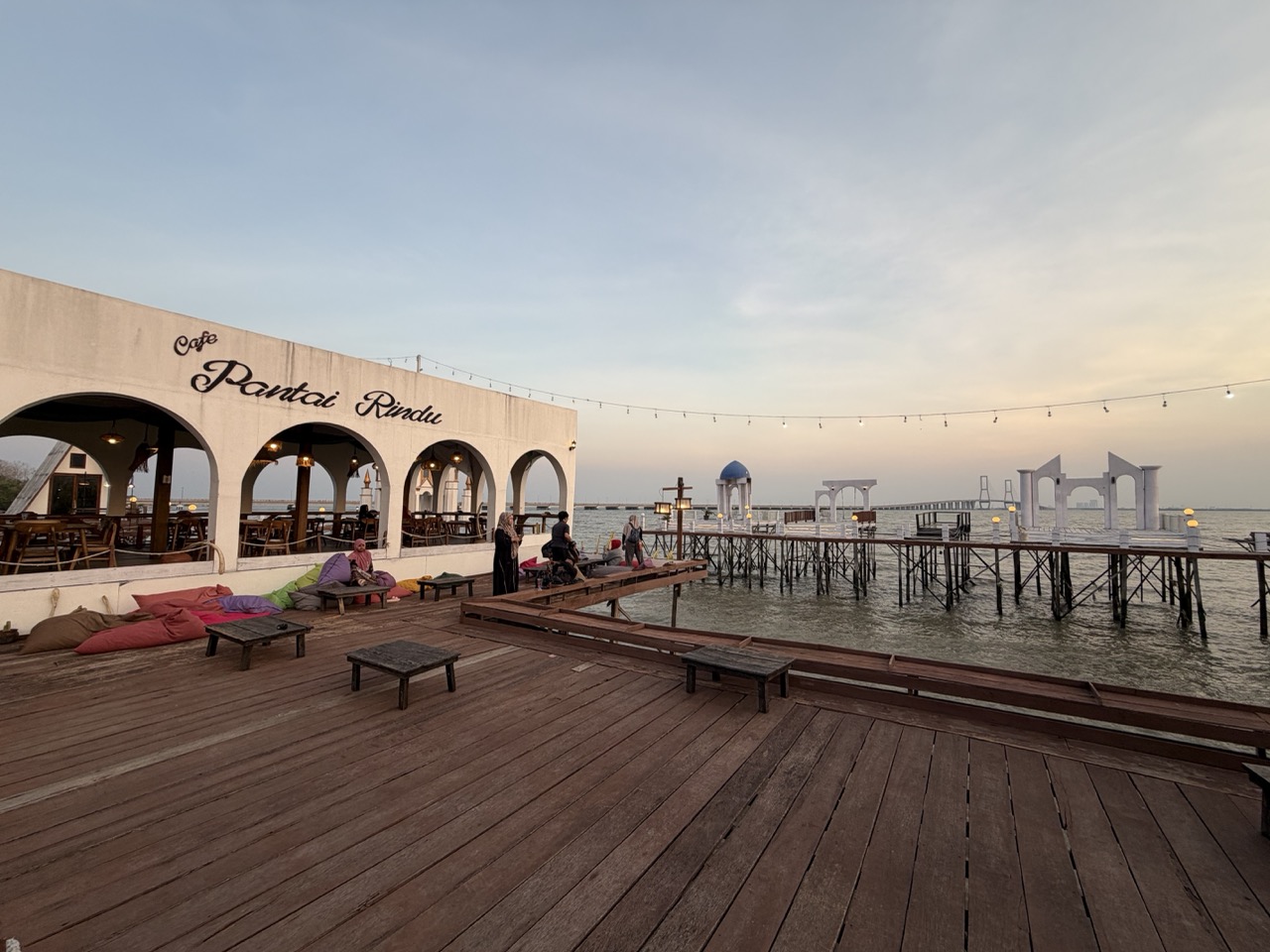
Suramadu can therefore serve as the beginning of a journey rather than its sole attraction. A visit that includes local guides, food sellers and cultural venues gives residents more opportunities to participate in tourism.
The distinction is important: easier access creates possibilities, but visitor numbers alone do not show how widely the benefits are shared. Thoughtful tourism should encourage spending within communities while respecting places of worship, local customs and the landscapes that draw people there.
Keeping the Connection Strong
The next chapter also depends on caring for the structure itself. Public Works authorities continue to undertake preservation and structural inspection programmes to maintain Suramadu’s safety and reliability. A bridge exposed to a marine environment requires sustained attention long after its opening ceremony.
Suramadu remains a landmark of Indonesian engineering achievement. Its enduring value will be measured in reliable journeys, wider opportunities and the ability of Madura’s communities to shape the growth arriving across the strait.


