The Bermuda Triangle is a loosely defined area of the western North Atlantic Ocean, commonly described as lying between Florida, Bermuda, and Puerto Rico.
Books, magazine articles, and television programs have linked the area to ships that vanished without warning, aircraft that lost contact with the ground, and compasses that reportedly stopped working. Some accounts go further and describe it as a portal to another dimension or a site of extraterrestrial activity.
The US National Oceanic and Atmospheric Administration (NOAA) says there is no evidence that mysterious disappearances happen more often there than in other large, heavily traveled areas of the ocean.
Origin of the Term and Early Research
The term Bermuda Triangle was popularized by writer Vincent Gaddis, whose article “The Deadly Bermuda Triangle” appeared in Argosy magazine in February 1964. The article presented several incidents, including Flight 19, as part of a pattern of mysterious disappearances.
The idea gained wider attention through later publications, particularly Charles Berlitz’s 1974 bestseller "The Bermuda Triangle".

In 1975, researcher Larry Kusche published "The Bermuda Triangle Mystery: Solved", in which he examined accounts of the reported incidents against available records, including contemporary newspaper reports and weather information.
He found that many of the cases had been exaggerated, took place well outside the area usually described as the Triangle, or happened during severe weather. Other accounts had left out details that explained what happened, and some of the incidents involved ships that never went missing at all.
Boundaries of the Area
The boundaries of the Bermuda Triangle have never been formally established. The US Board on Geographic Names does not recognize “Bermuda Triangle” as an official geographic name, and no universally accepted map defines its limits.
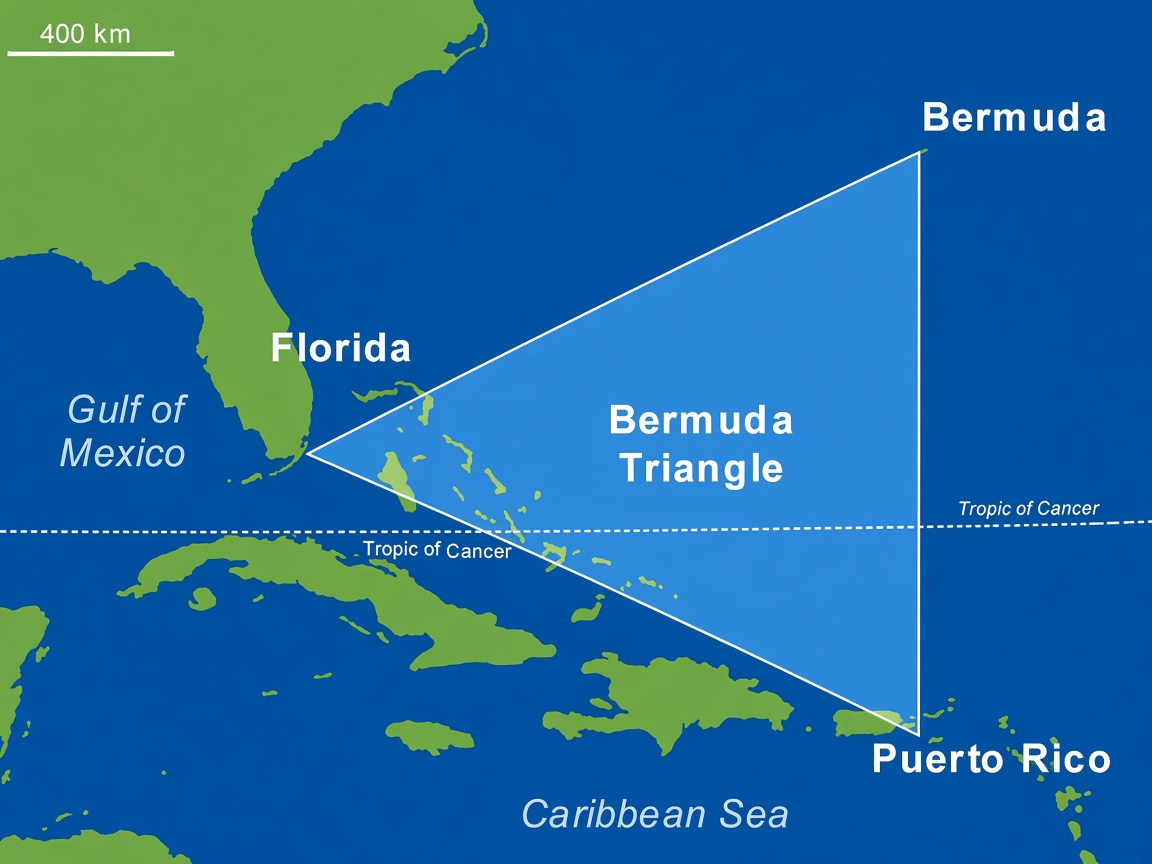
Without fixed boundaries, different accounts can include different incidents under the same label. As a result, some reported disappearances may fall outside the area described by other sources, making the number of incidents difficult to compare.
In a June 1974 article titled “Exorcizing the Devil’s Triangle” published in Sealift, the varying estimates of the Triangle’s boundaries and the number of vessels and aircraft reportedly lost there were highlighted as inconsistencies between accounts.
The region is heavily traveled. Ships and aircraft regularly move between North America, the Caribbean, and other Atlantic destinations, and more traffic means more opportunities for accidents.
Flight 19
Five U.S. Navy TBM Avenger aircraft departed Naval Air Station Fort Lauderdale, Florida, on December 5, 1945, for a navigation and bombing training mission over the Bahamas.
Known as Flight 19, the formation became one of the best known incidents associated with the Bermuda Triangle.
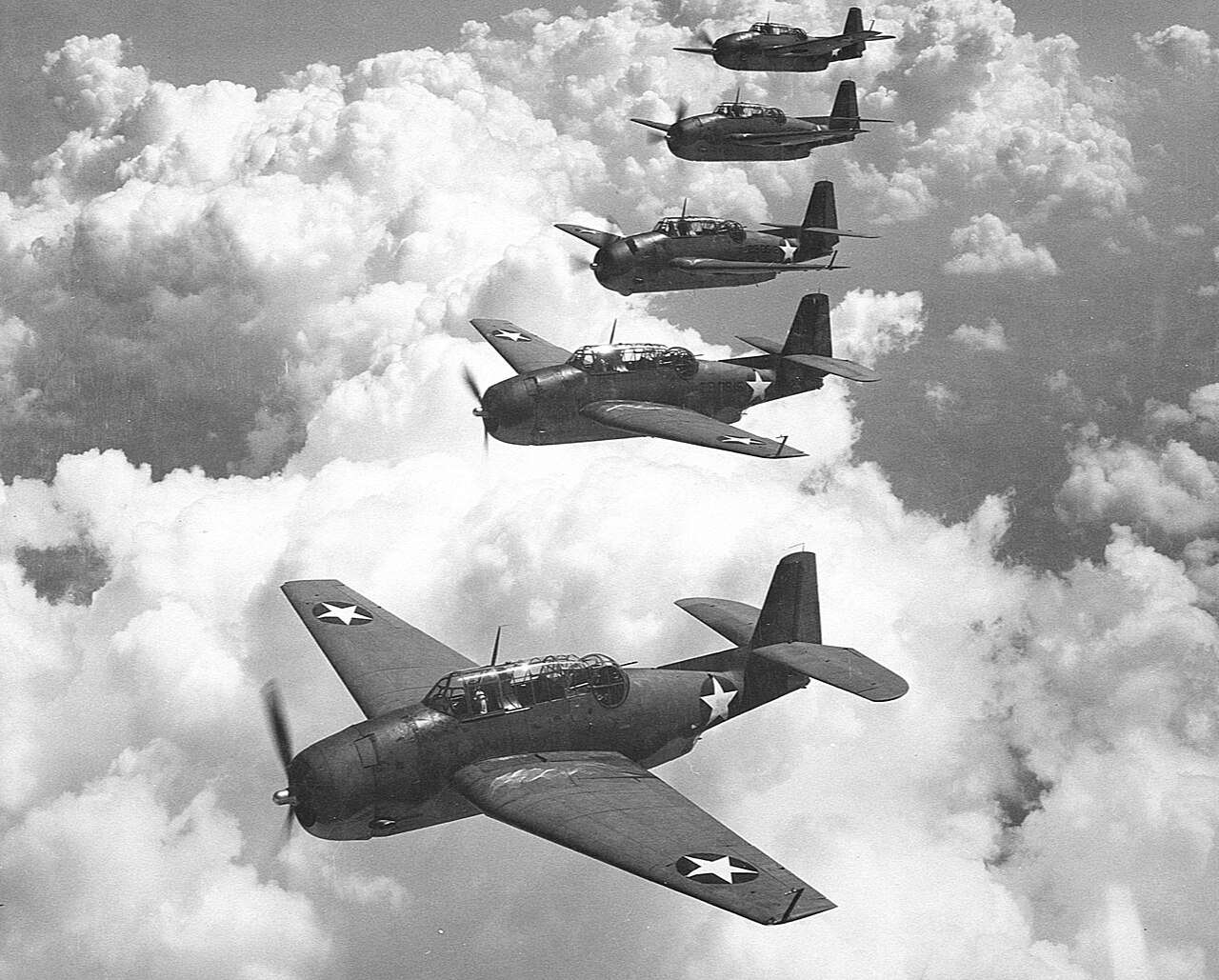
After completing their exercises, the pilots encountered navigation problems on the return route.
Radio communications indicated that flight leader Lieutenant Charles C. Taylor believed they were over the Florida Keys, although their position was far to the northeast. As the weather deteriorated and fuel ran low, the five aircraft and all 14 men aboard disappeared and were never found.
A Martin PBM Mariner carrying 13 crew members also disappeared while searching for Flight 19. The U.S. Navy’s historical account suggests the rescue aircraft may have suffered an in-flight fire or explosion, but its exact cause remains unknown.
The loss of Flight 19 has been attributed to navigational errors, with disorientation and fuel exhaustion considered plausible explanations. Neither the five Avengers nor the rescue aircraft has been conclusively identified in recovered wreckage.
Weather, Currents, and Navigation
The western North Atlantic and the Caribbean are exposed to tropical storms and hurricanes, and weather in the region can change quickly.
Before modern forecasting and satellite monitoring, crews had fewer ways to anticipate dangerous conditions. Severe weather can damage vessels, reduce visibility, and make rescue operations harder.
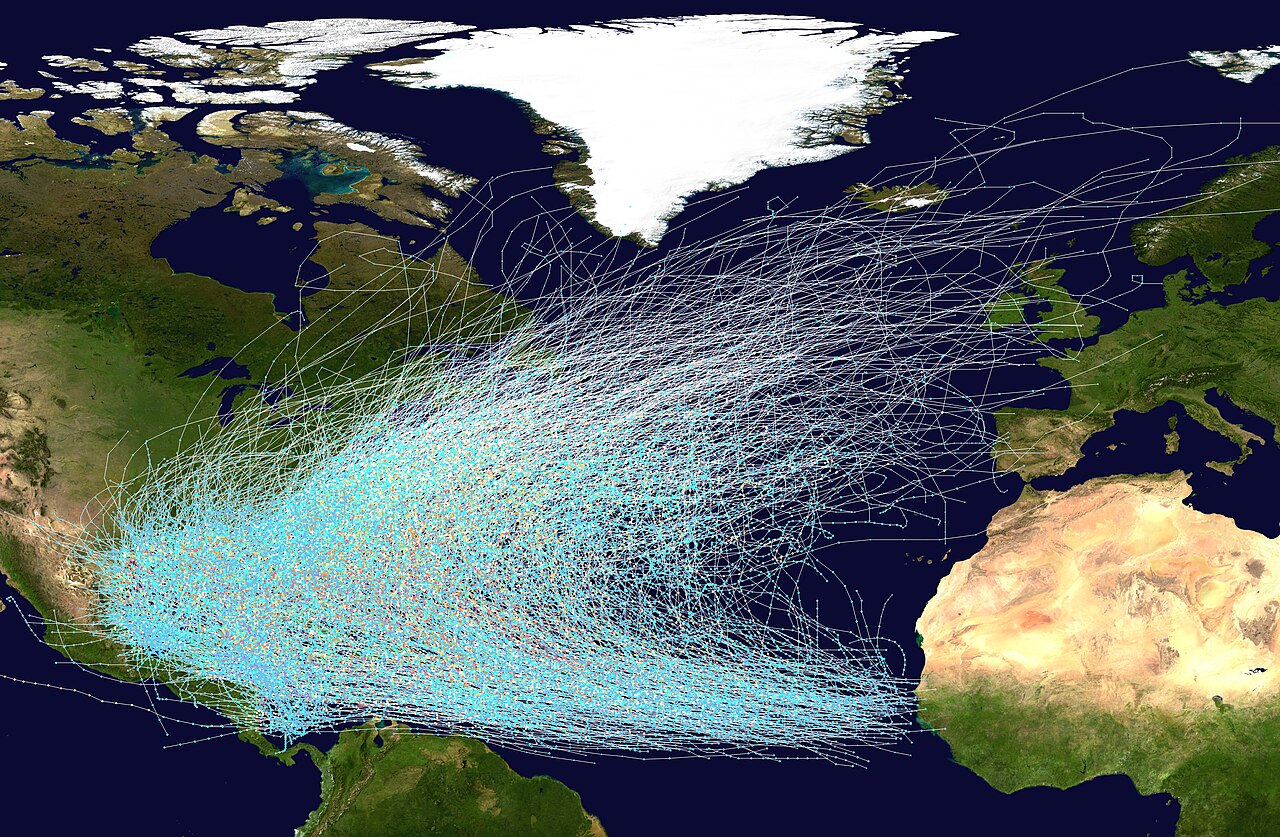
The Gulf Stream is a powerful ocean current that flows northward along the eastern coast of the United States before turning northeast across the Atlantic. Ocean currents and winds can carry floating debris far from the site of an accident, making it harder for search teams to determine where an incident occurred.
Changing weather and sea conditions can further complicate search efforts.
Human and mechanical factors also play a part in accidents at sea and in the air. Navigation mistakes, equipment failures, and communication problems can have serious consequences far from land. Before satellite navigation became widely available, fixing a precise position over open water was harder.
Compasses and Methane Claims
Some accounts claim that unusual magnetic properties in the Bermuda Triangle cause compasses to malfunction. However, there is no reliable evidence that the region has a unique magnetic anomaly responsible for ships or aircraft disappearing.
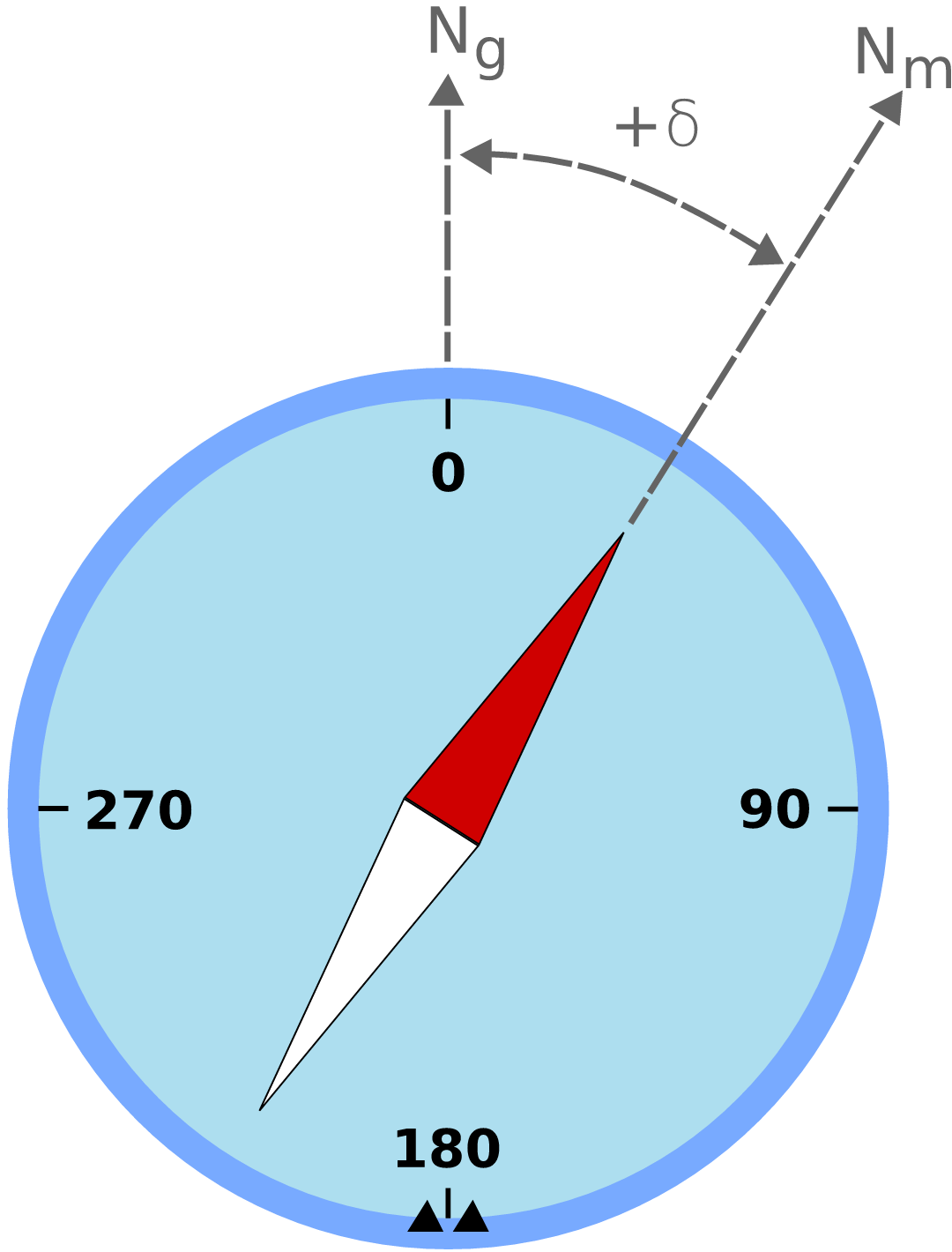
A compass points toward magnetic north, which differs from geographic north. The angle between these directions is called magnetic declination. It varies by location and changes over time, and navigators account for it when determining their bearings.
This is a normal feature of Earth's magnetic field, not evidence of a compass malfunction.
Another proposed explanation involves sudden releases of methane gas from the ocean floor. In theory, a sufficiently large release of gas bubbles could reduce the buoyancy of water and affect a vessel's ability to remain afloat.
However, there is no evidence linking methane releases to the well known disappearances associated with the Bermuda Triangle.
Why Some Cases Stay Unsolved
Many of the incidents linked to the Bermuda Triangle took place decades ago, and the surviving records are often incomplete. Ships and aircraft lost over deep water are difficult to locate, and in some cases no wreckage has ever been recovered.
Without wreckage or detailed records, the cause of many of these losses was never officially established.