Agriculture emerged around 12,000 years ago, and in the millennia that followed, communities built permanent settlements that grew into cities.
Technological change sped up sharply after the Industrial Revolution. The Wright brothers made the first powered, controlled flight of a heavier-than-air aircraft in 1903, and Apollo 11 landed astronauts on the Moon in 1969, 66 years later.
Humans are the only known species to have traveled to another celestial body. Six Apollo missions landed crews on the Moon, and 12 people have walked on its surface.
Farming, Writing, and Accumulated Knowledge
Agriculture allowed some communities to produce their own food, according to the Smithsonian Institution’s National Museum of Natural History. This made permanent settlements possible and supported growing populations.
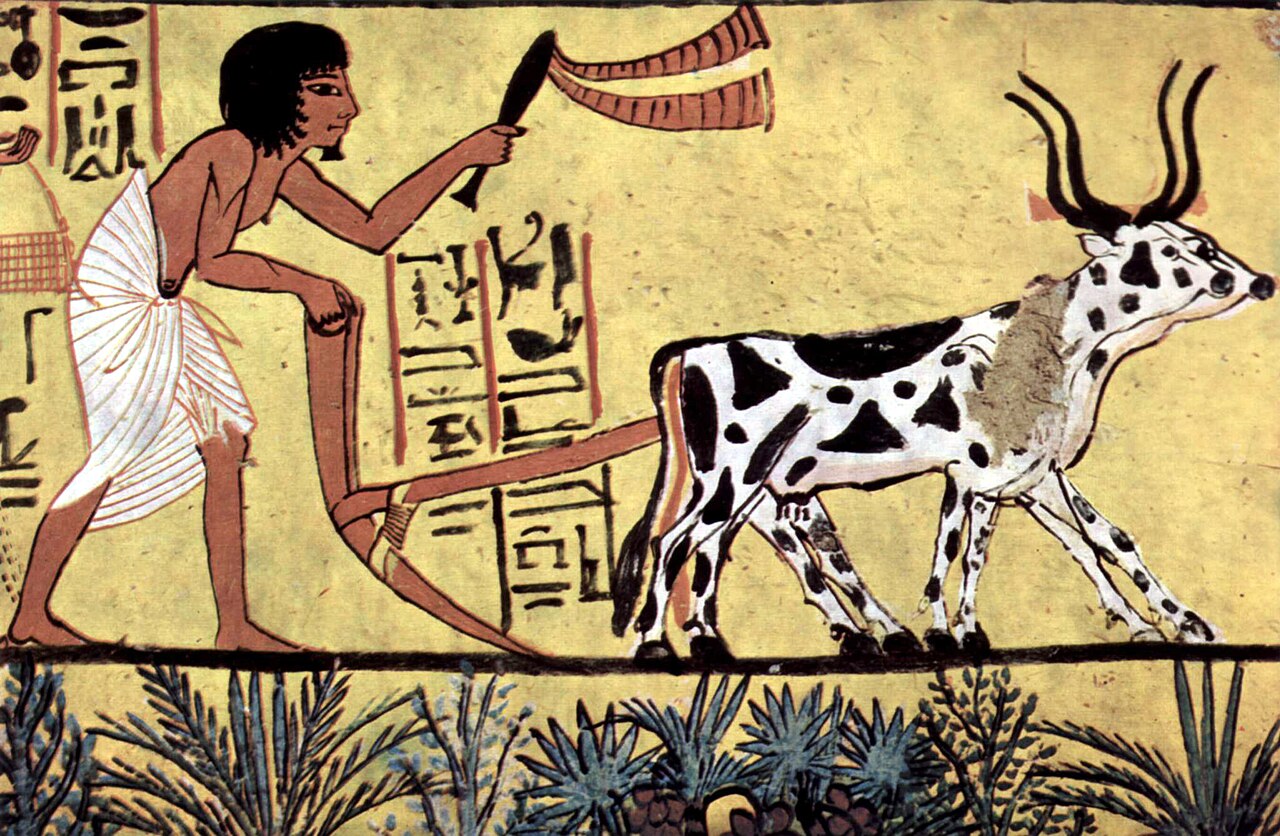
Over the following millennia, societies developed writing systems, mathematical methods, navigation techniques, and more advanced tools.
Knowledge accumulated across generations. Mathematics gave people ways to measure and calculate, and astronomy added to what they understood about the movements of celestial bodies. Metallurgy produced stronger and more versatile materials. Knowledge also moved between societies, so ideas spread beyond the places where they began.
Civilizations developed technologies along different paths, and many innovations took centuries to spread. The ability to observe the natural world, preserve discoveries, and build on earlier work laid the foundations for more complex inventions.
These accumulated capabilities were later combined with new ways of producing energy and manufacturing machinery.
Steam, Machines, and the Wright Brothers
The Industrial Revolution began in Britain in the 18th century and transformed how goods were produced through mechanization and new sources of power. A 2011 study titled “The Early Diffusion of the Steam Engine in Britain, 1700-1800: A Reappraisal” published in Cliometrica, explains how steam engines spread across Britain during this period.
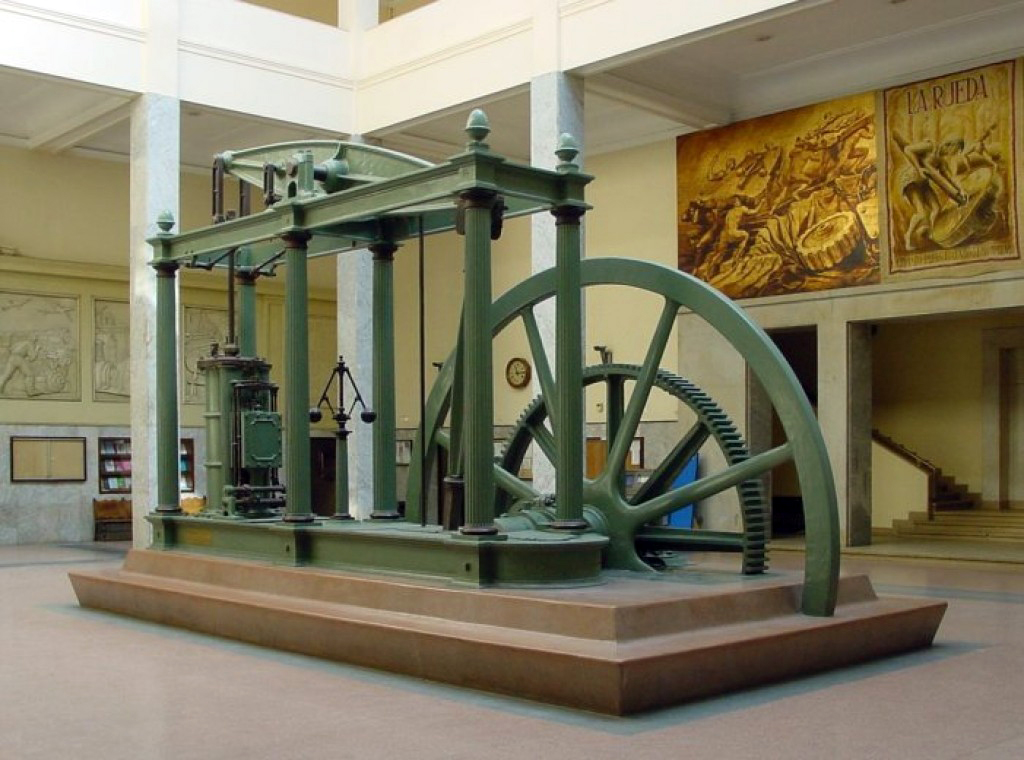
Early steam engines were used mainly to pump water out of mines, while subsequent improvements expanded their potential uses in industry. Combined with advances in engineering and manufacturing, these developments helped make increasingly complex machinery possible and supported the growth of industrial production.
Industrialization developed over several generations. Steam powered railways and ships changed transportation during the 19th century, and advances in electrical engineering and the internal combustion engine opened further possibilities.
By the late 1800s, inventors had access to a growing body of scientific knowledge, better manufacturing capabilities, and new mechanical systems.
These developments helped create the conditions for powered flight. An aircraft needed an engine that could produce thrust, enough lift, a lightweight structure, and a reliable way to control its movement in the air.
Wilbur and Orville Wright worked on these problems through systematic experimentation. They studied existing aeronautical research, tested gliders, built their own wind tunnel, and investigated how to control an aircraft in three dimensions. When they could not find a suitable engine, they built a lightweight 12 horsepower engine themselves.
Their work led to a practical flying machine.
Rockets, Satellites, and the Cold War
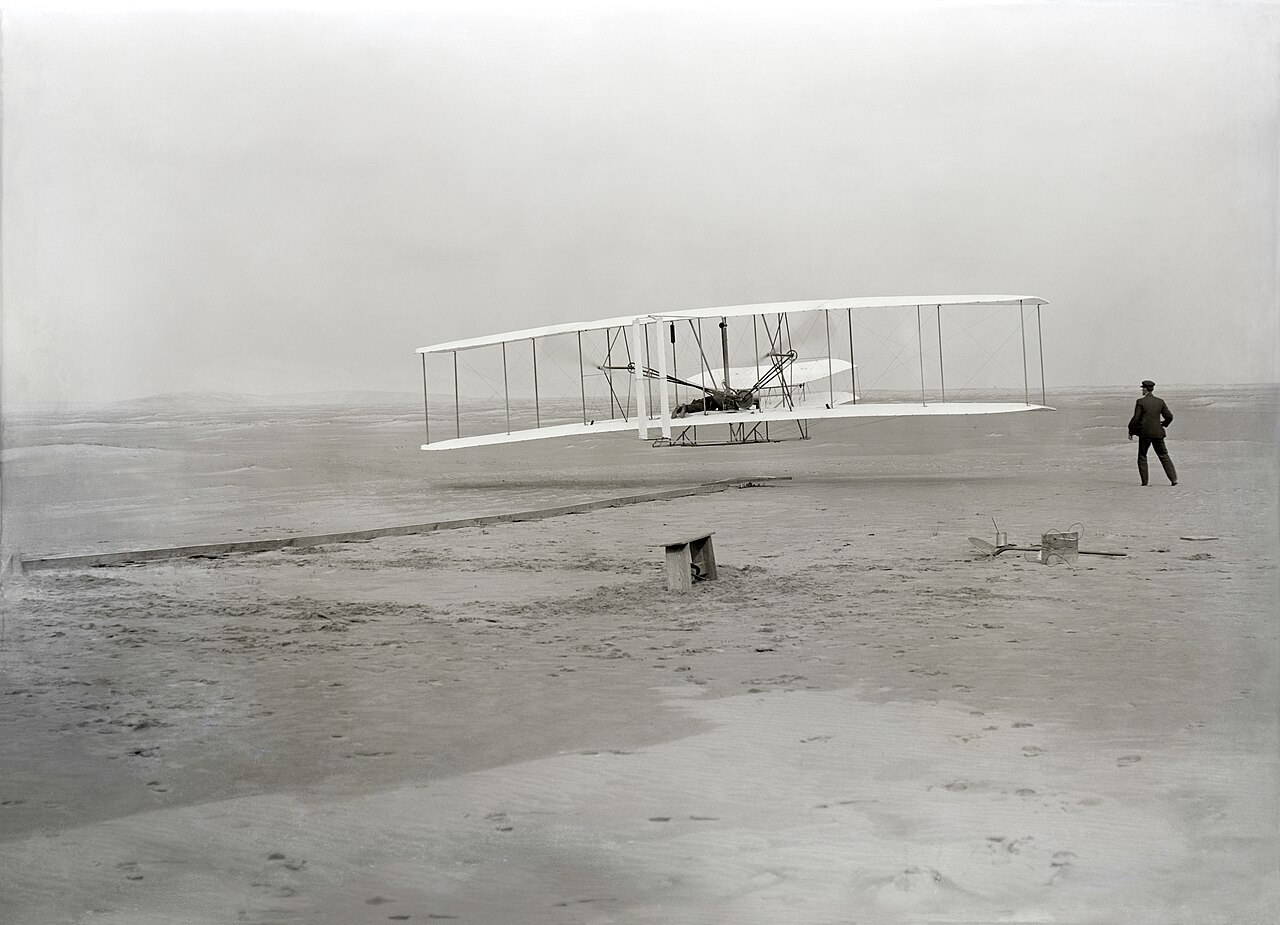
Orville Wright piloted the Wright Flyer on December 17, 1903, in the first powered, controlled flight of a heavier-than-air aircraft. The flight lasted 12 seconds and covered about 36.5 meters.
The brothers made three more flights that day, and the longest covered about 260 meters in 59 seconds, according to NASA.
Less than four decades later, rocket technology developed for warfare helped lay the groundwork for the Space Age.
Nazi Germany developed the V-2, the world’s first operational long range ballistic missile, during World War II. German rocket engineer Wernher von Braun led its design. The first successful launch took place in October 1942, and V-2s were used against targets in Western Europe from September 1944.
The V-2 advanced liquid-fueled rocket engineering. Its propulsion systems and design later served as foundations for ballistic missiles and space launch vehicles. Its development also showed that rockets could travel far beyond the reach of conventional aircraft.
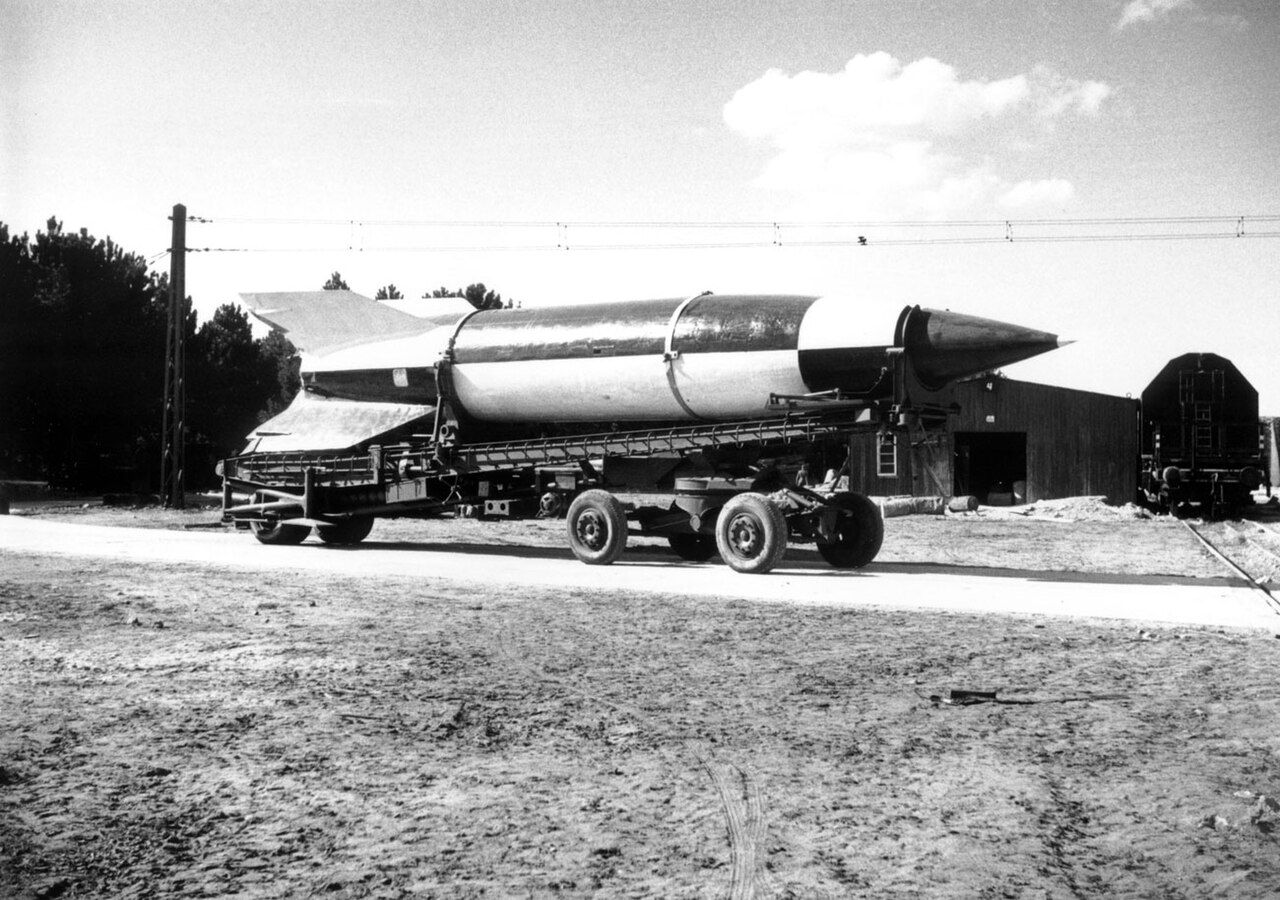
Germany was defeated in 1945, and the United States then brought von Braun and other German rocket specialists to America through Operation Paperclip. Captured V-2 rockets and components were also shipped to the United States for testing.
Von Braun’s team first worked with the US Army on missiles and launch vehicles, and he joined NASA in 1960. He later led development of the Saturn V rocket that carried Apollo astronauts toward the Moon.
Rocketry also advanced on both sides of the Cold War. The Soviet Union launched Sputnik 1, the first artificial satellite to orbit Earth, in 1957. Four years later, Yuri Gagarin became the first human to travel into space and orbit the planet.
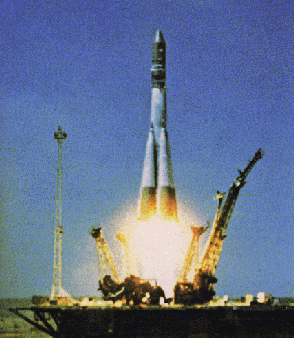
US President John F. Kennedy committed the United States in May 1961 to landing a human on the Moon and returning them safely before the decade ended. In a speech at Rice University in Houston on September 12, 1962, he said:
“We choose to go to the Moon in this decade and do the other things, not because they are easy, but because they are hard...”
Reaching that goal required advances in propulsion, computing, navigation, communications, life support, and spacecraft engineering, along with large investment and coordination among scientists, engineers, manufacturers, and government agencies.
66 Years from the Wright Flyer to the Moon
Apollo 11 landed Neil Armstrong and Buzz Aldrin on the lunar surface on July 20, 1969, while Michael Collins remained in lunar orbit. Armstrong became the first human to walk on the Moon, according to NASA.
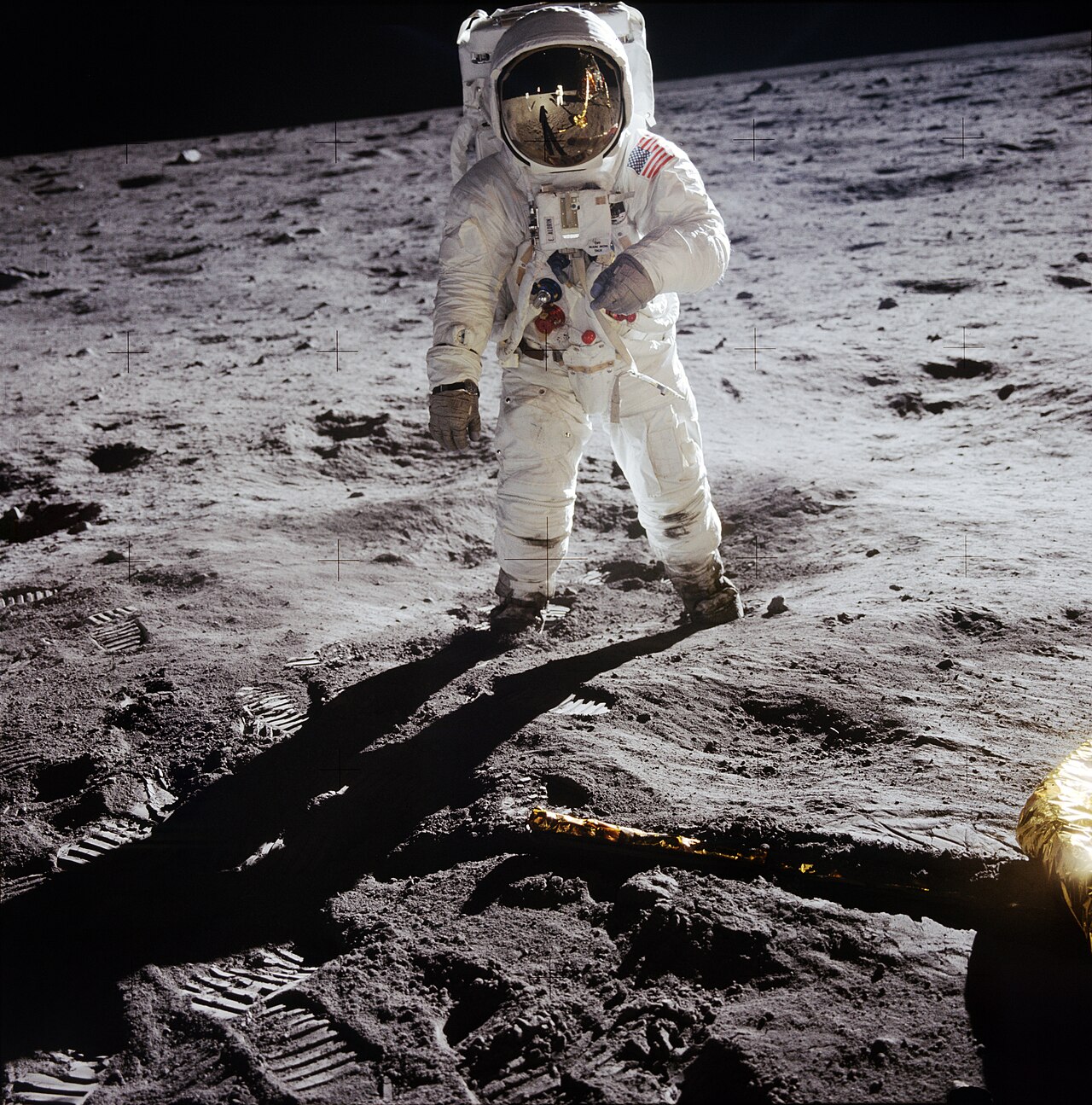
The crew returned safely to Earth on July 24, 1969. The mission drew on knowledge accumulated over centuries, along with experimentation, industrial capacity, scientific collaboration, and a large investment of resources.
The Wright Flyer covered just 36.5 meters on its first powered flight in 1903. Only 66 years later, humans had traveled about 386,000 kilometers to the Moon and walked on its surface.
Compared with the thousands of years it took humans to transition from hunting and gathering to farming, the progress from the first powered flight to the Moon landing happened in a remarkably short period of time.
Reference
Nuvolari, A., Verspagen, B., & von Tunzelmann, N. (2011). The early diffusion of the steam engine in Britain, 1700–1800: A reappraisal. Cliometrica, 5, 291-321. https://doi.org/10.1007/s11698-011-0063-6