Batam sits about 20 kilometers from Singapore, yet it is Indonesian territory governed by Indonesian law. In 2025, manufacturing alone accounted for 57.01 percent of the island’s gross regional domestic product, and the economy grew 6.76 percent year on year, according to Statistics Indonesia (BPS).
Part of the Riau Islands province, Batam lies near the Strait of Singapore and the Strait of Malacca, two major international shipping routes. It operates under a Free Trade Zone and Free Port framework that provides specific trade and customs facilities.
A 1973 Decree Changed Batam
Batam’s industrial story began in the early 1970s, when the Indonesian government developed the island as a logistics base for offshore oil and gas operations run by state-owned Pertamina.
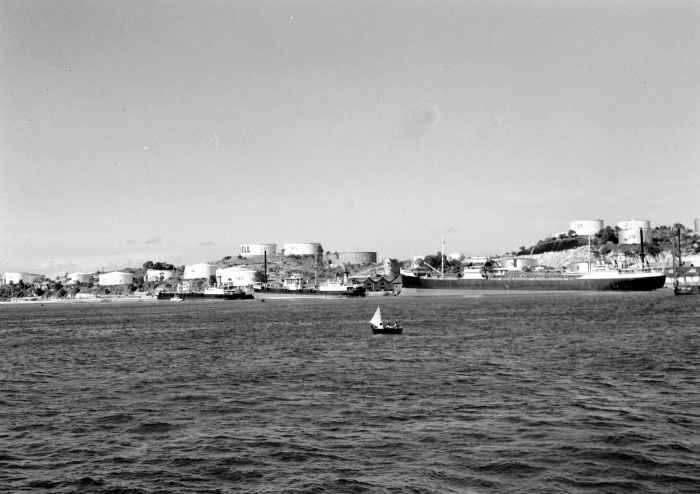
On 22 November 1973, Presidential Decree No. 41 designated Batam as an industrial area and entrusted its development to the Otorita Pengembangan Daerah Industri Pulau Batam, the predecessor of today’s BP Batam.
The plan rested on Batam’s location near Singapore, major shipping routes, and regional markets, with the aim of attracting investment and building a manufacturing and trade base.
Infrastructure followed from the 1980s, covering roads, ports, and airport facilities. The Barelang Bridge system, built between 1992 and 1998, added six bridges linking Batam with neighboring islands including Rempang and Galang.
Manufacturing and trade then grew alongside the island’s original oil and gas role.
One Island, Two Institutions, and a Free Trade Status
Batam was designated a Free Trade Zone and Free Port, known in Indonesia as Kawasan Perdagangan Bebas dan Pelabuhan Bebas (KPBPB), under Government Regulation No. 46 of 2007, which has since been amended.
The framework provides customs and fiscal facilities for trade, investment, and industrial activity, subject to applicable regulations. Qualifying goods and transactions may receive specific tax and customs treatment, while the status does not exempt every product from all taxes, duties, or customs procedures.
Administration is split between two bodies. The city government handles local government affairs, while BP Batam manages, develops, and operates the free trade and free port area, including land management and investment. The mayor of Batam serves ex officio as head of BP Batam.
Batam’s special status covers trade, customs, and area management.
Manufacturing Takes 57 Percent of Batam’s GRDP
Manufacturing accounted for 57.01 percent of Batam’s gross regional domestic product (GRDP) in 2025, making it the city’s largest economic sector, according to BPS.
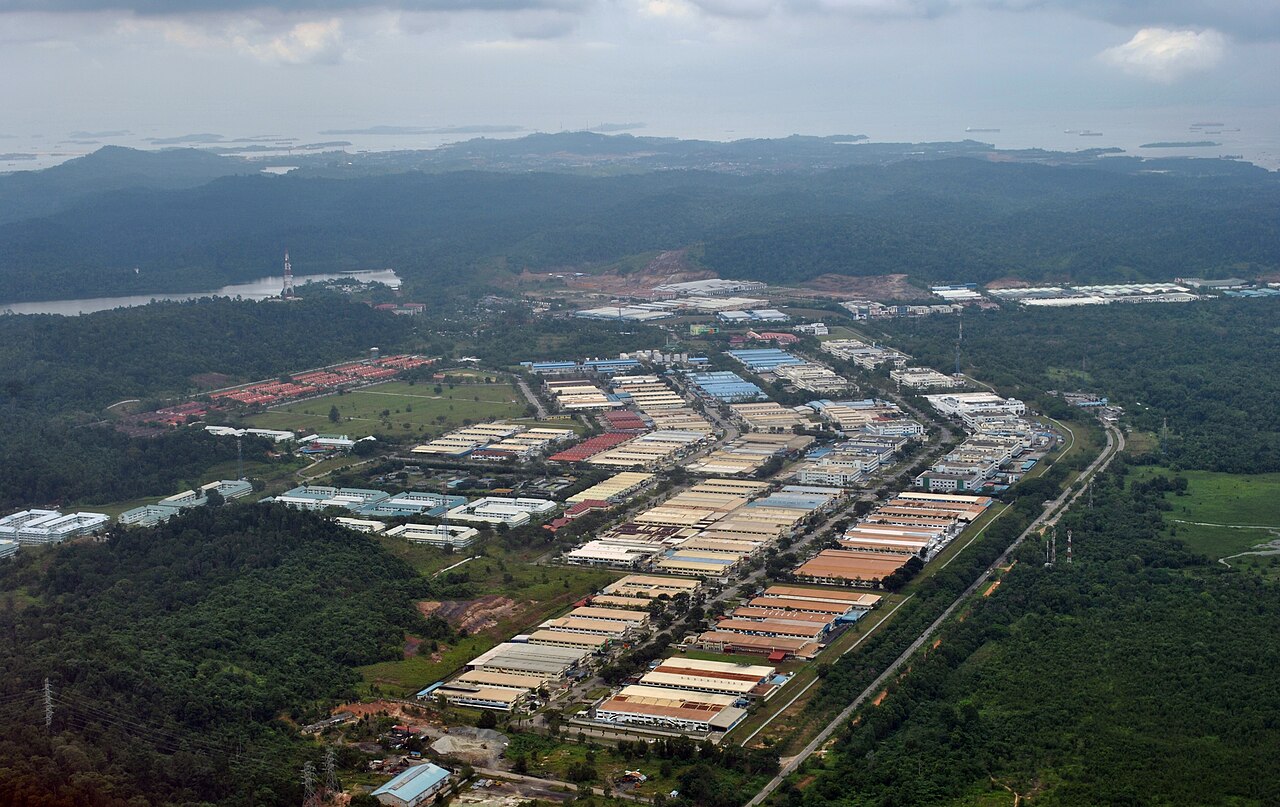
BPS also reported real economic growth of 6.76 percent that year, measured using constant-price GRDP.
Batam’s manufacturing industries include electronics, electrical equipment, machinery, medical equipment, shipbuilding, and oil and gas equipment. Industrial estates and port facilities support manufacturing and trade.
Singapore was the largest source of foreign direct investment in Batam between 2020 and the first quarter of 2025, contributing Rp33.78 trillion (approximately US$1.87 billion), according to Indonesia’s Ministry of Investment and Downstream Industry.
| Indicator | Figure | Source |
|---|---|---|
| Manufacturing share of GRDP (2025) | 57.01 percent | BPS |
| Real economic growth (2025) | 6.76 percent | BPS |
| Singapore investment (2020 to Q1 2025) | Rp33.78 trillion | Ministry of Investment and Downstream Industry |
Who Lives in Batam
Batam had an estimated 1.79 million residents in 2025, according to Katadata, which cited Statistics Indonesia (BPS) data. This made it the most populous regency or city in the Riau Islands province. Katadata also reported an average annual population growth rate of 4.66 percent over the preceding five years.
Migration is an important factor in Batam’s population growth. BPS data from the 2025 Intercensal Population Survey (SUPAS) show that all regencies and cities in the Riau Islands province were net destinations for recent migrants.
According to figures cited by the Batam City Government in November 2025, Malays accounted for 17.61 percent of residents, followed by Batak at 14.97 percent and Minangkabau at 14.93 percent. Chinese Indonesians made up 6.28 percent, while other ethnic groups formed the rest of the population.
In 2025, Batam residents aged 25 and above had an average of 11.34 years of schooling, according to BPS data reported by Katadata. This was higher than the provincial average of 10.72 years and the national average of 9.07 years.