Psychedelic rock is a style of rock music built on experimental sounds, unusual effects and a dreamlike atmosphere, often meant to evoke an altered state of consciousness. As the genre gained popularity in the West, Cambodian musicians also took it up, mixing its sounds with Khmer melodies, distinctive vocal styles and other international influences.
An American band later brought this music to a wider international audience.
Dengue Fever, formed in Los Angeles in 2001, blends psychedelic rock with Cambodian pop influences from the 1960s and 1970s. Its Cambodian lead singer, Chhom Nimol, performs in Khmer, according to NPR's Fresh Air.
Through its music, the band has introduced international listeners to a period of Cambodian music that the Khmer Rouge regime cut short in 1975.
Cambodian Music Before and After 1975
Cambodian popular music flourished from the 1950s through the early 1970s.
Singers such as Sinn Sisamouth and Ros Serey Sothea became major figures in Cambodia’s popular music scene. South Coast Repertory’s historical overview, The Sound Before the Silence, describes Cambodian musicians in the 1960s blending Khmer musical traditions with rock and roll, surf music and other international influences to produce a local sound.
The Khmer Rouge took power in 1975 and disrupted this scene. The same overview describes the regime’s devastating effect on Cambodia’s musical community. Artists were persecuted, cultural expression was suppressed and much of the country’s artistic life was destroyed.
Numerous musicians were killed or disappeared, including prominent figures from the pre-1975 music scene.
Some recordings survived on cassette tapes and vinyl records kept by collectors and music fans. These copies later allowed new listeners to rediscover songs from Cambodia’s pre-1975 pop scene. Cambodian musicians, collectors and diaspora communities have also helped preserve recordings and pass them on to new audiences.
Dengue Fever used these recordings as a starting point and is one of several contributors to the renewed international interest in Cambodian pop music.
How Dengue Fever Formed
Keyboardist Ethan Holtzman told NPR’s Fresh Air that he discovered Cambodian pop music on a trip to Cambodia in 1997 and 1998, where he bought as many cassette tapes as he could.
His brother, guitarist Zac Holtzman, had independently found similar music through compilations from Aquarius Records in San Francisco. When the brothers reconnected in Los Angeles, they discovered a shared interest in Cambodian rock and began working on a band inspired by it.
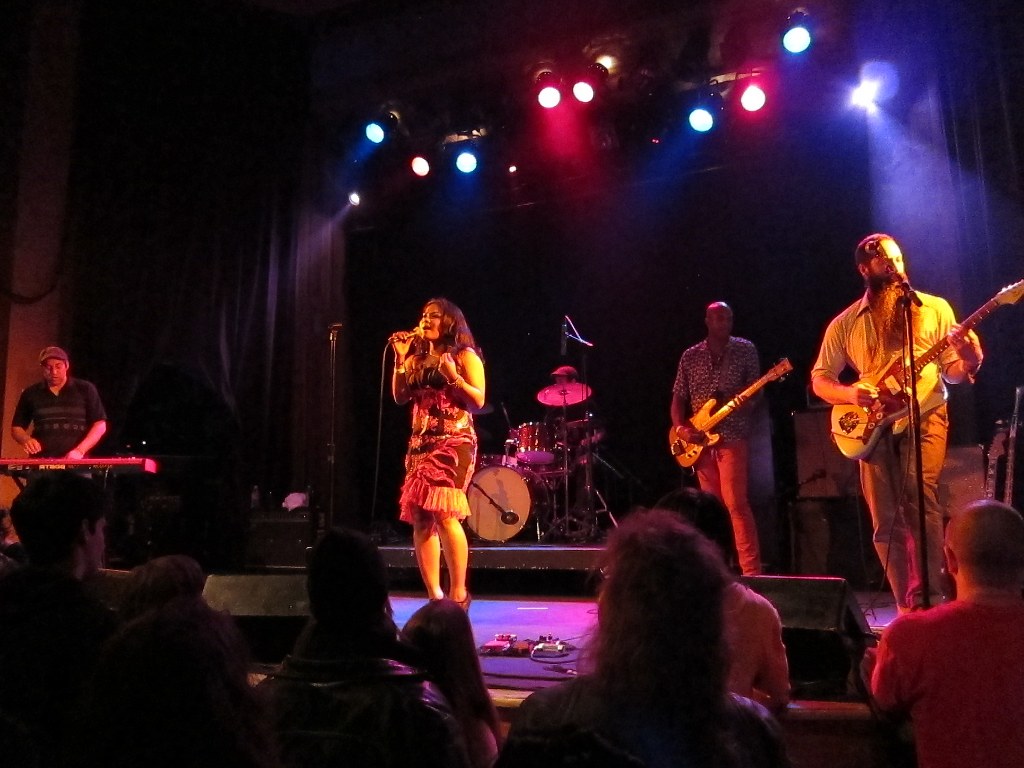
UCLA International Institute’s article, Infected by the Fever, describes Chhom Nimol as a singer from Battambang who came to the United States in 2000 for a six month singing tour with her brother. The Holtzman brothers later saw her perform at Dragon House, a venue in Long Beach with a large Cambodian clientele, and invited her to join the band.
Dengue Fever released its self-titled debut album in 2003, featuring mostly covers of Cambodian pop classics. With Escape from Dragon House in 2005, the band moved toward original songwriting.
Dengue Fever After 2005
Dengue Fever travelled to Cambodia to perform in 2005. The tour was documented in Sleepwalking Through the Mekong, a documentary released in 2007 that follows the band as it plays in the country whose music inspired its formation.
The film shows the band’s reinterpretation of Cambodian pop reaching local audiences and explores Chhom Nimol’s connection to her homeland. It also touches on the relationship between Cambodia’s pre-1975 music scene and the international musicians who later discovered its recordings.
Venus on Earth, the band’s third studio album, came out in 2008 and featured a varied collection of original songs. The band released Ting Mong, its sixth full length album of new material, in 2023, two decades after its debut.