Hardly anyone fighting in the First World War called it that. Calling a war "the first" means expecting another, and in 1914 nobody wanted to. So each country used its own name. Numbers came later, although one turned up surprisingly early.
In February 1919, three months after the first war ended, a British newspaper ran an article titled "World War No. 2". It was not about a new war, it was about the struggle against economic hardship, but the phrase was in print more than twenty years before the Second World War broke out in 1939.
Both wars ended up with their names in much the same way. Newspapers started using them, the public got used to them, and governments later made their own versions official.
World War I: A War With Many Names
When the war began in 1914, every country had its own name for it. American newspapers called it "The European War". In Britain it was "The Great War", and Germans said Weltkrieg, which simply means "world war".
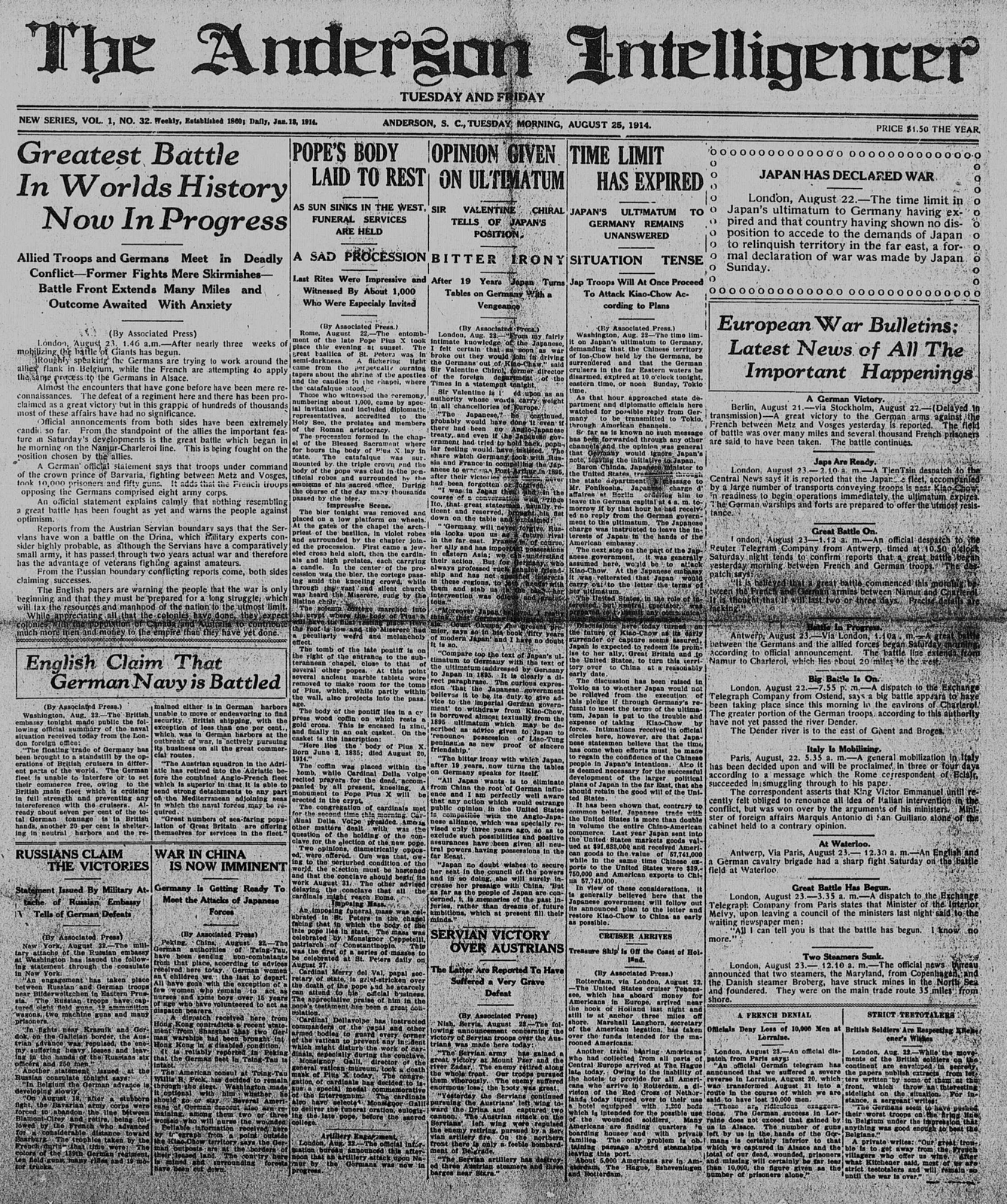
The phrase was not new, either. The Oxford English Dictionary has an example of "world war" in print from 1848, more than sixty years earlier. What changed in 1914 was the scale. The fighting spread beyond Europe and pulled in empires, colonies, and countries on several continents.
On September 20, 1914, the German biologist Ernst Haeckel told the Indianapolis Star that the war, still widely called the European War, would become "the first world war in the full sense of the word". It is one of the earliest known uses of the phrase for this conflict, but it took years to catch on.
A Name That Implied a Sequel
A numbered name carries a quiet admission, because if there is a first, there may be a second. Few people wanted to believe that. They hoped this war would be the last, and that hope had its own slogan.
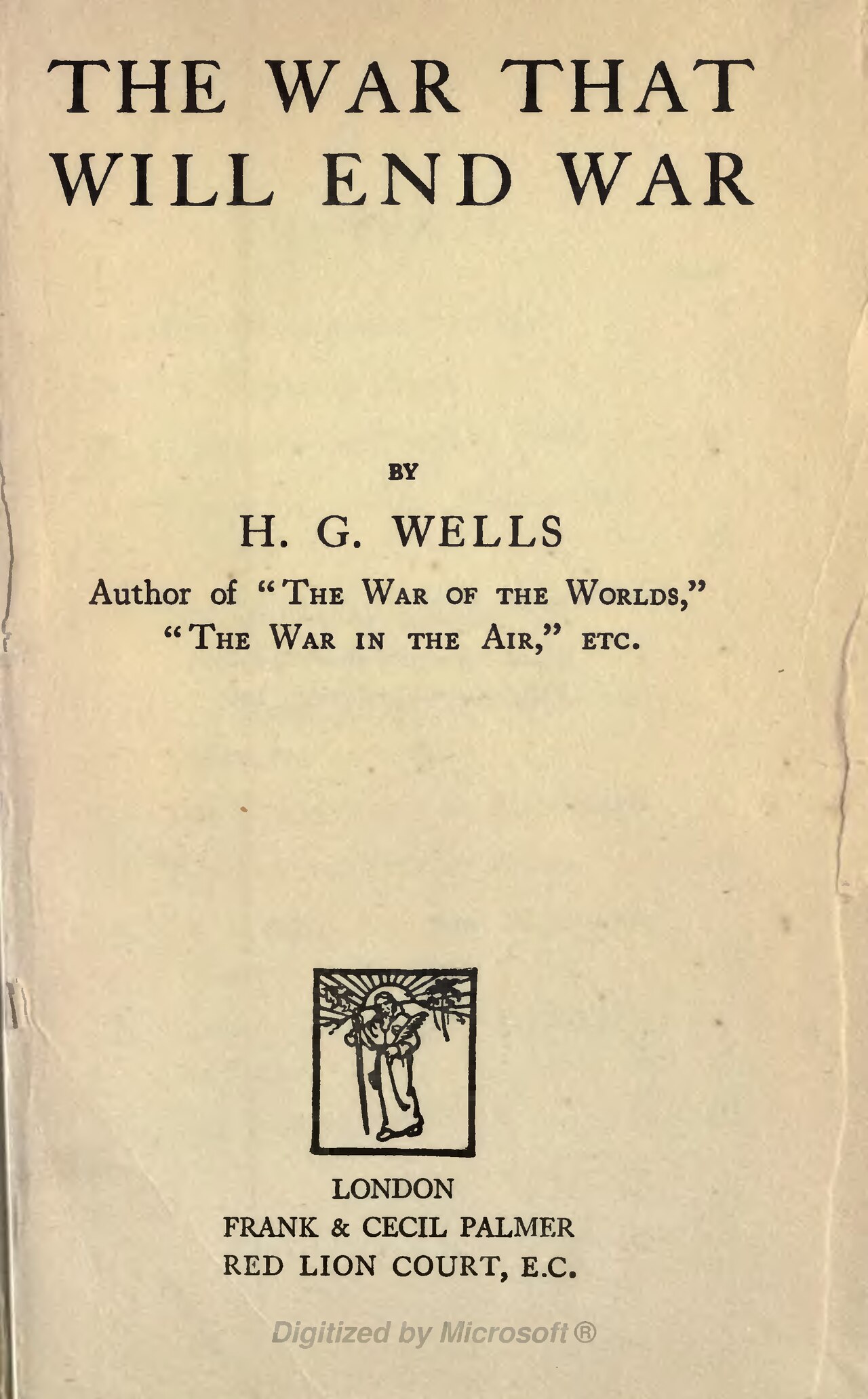
In 1914, the British writer H. G. Wells published a collection of essays titled The War That Will End War, and the idea soon hardened into a popular nickname, "the War to End All Wars".
In the United States, President Woodrow Wilson suggested calling the conflict "The World War" in a letter to Secretary of War Newton D. Baker on July 31, 1919.
According to the US National Archives, the War Department subsequently issued General Orders No. 115 on October 7 that year, directing officials to use that name for the war against the Central Powers in official communications and publications.
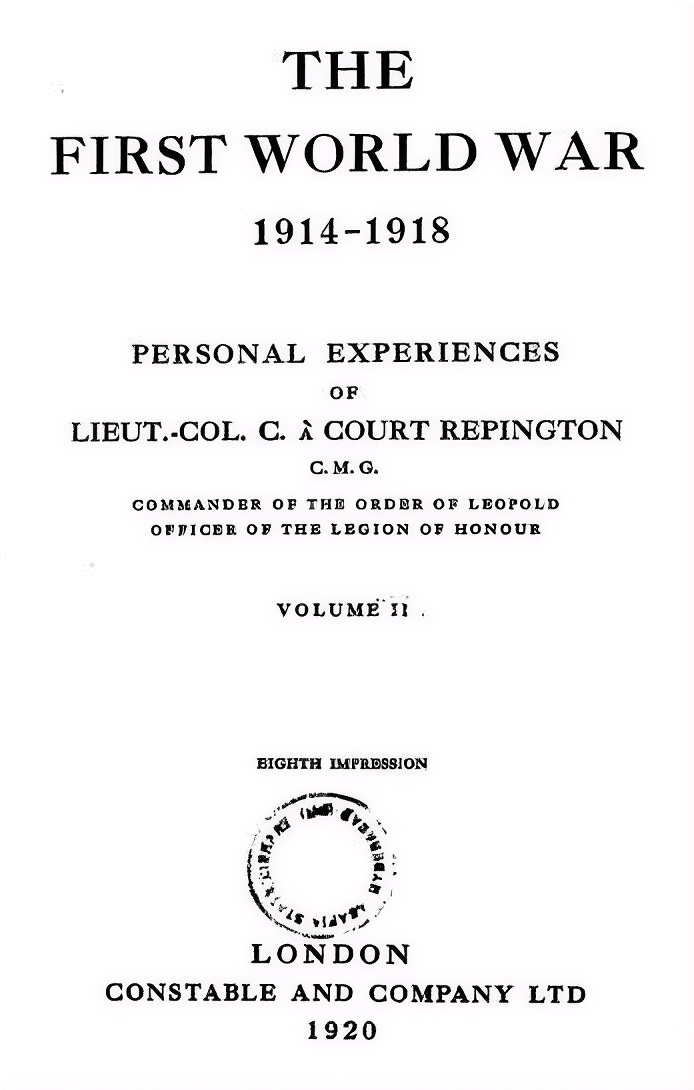
The numbered name reached a book cover a year later, in Britain. British war correspondent Charles à Court Repington is widely associated with the early use of the term "First World War" in print. According to HistoryExtra, the phrase appeared in 1920 as the title of Repington's two-volume memoir, The First World War, 1914-1918.
The name did not replace "The Great War" right away. In Britain, the old name stayed more familiar for years.
So the two countries used different names. American government documents said "The World War", while the British kept saying "The Great War". The numbers only caught on later, when a second world war made them necessary.
World War II: The Phrase Was in Print in 1919
A version of the phrase "World War II" was in print before the war itself began. On February 18, 1919, The Manchester Guardian published an article by Richard Whiteing titled "World War No. 2".
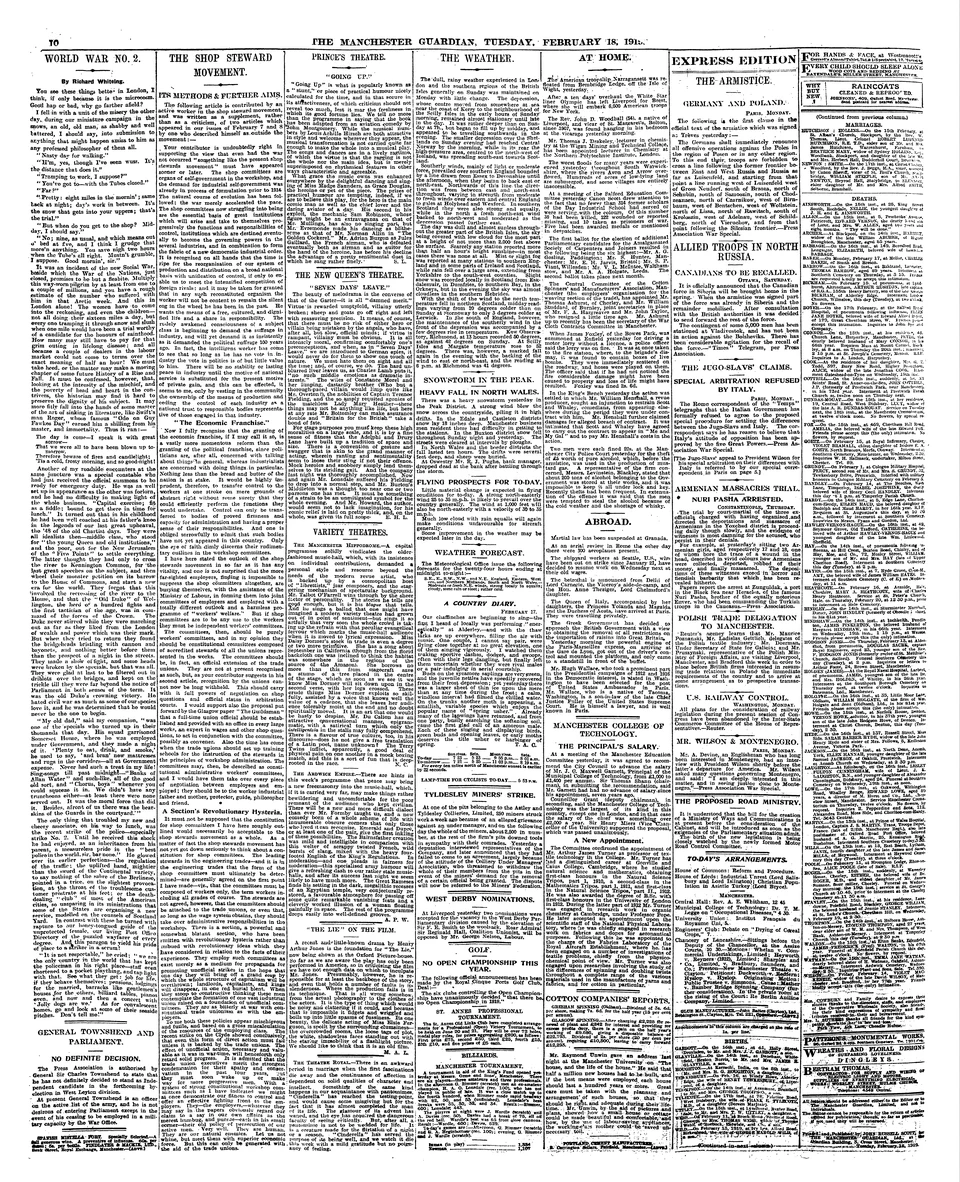
Whiteing's article used the phrase for the struggle against poverty and economic hardship, not for a future military conflict. Even so, it shows that the wording "World War No. 2" existed more than twenty years before the outbreak of war in 1939.
When Germany invaded Poland in September 1939, the numbers suddenly made sense. TIME magazine used "World War II" in its September 11 issue and said the war had started on September 1. The name helped separate the new war from the one in 1914-1918.
President Franklin D. Roosevelt used "Second World War" in a radio address on March 8, 1941. By then other publications were already using it, but a president saying it on the radio gave it more weight in the United States.
Britain went a different way. During the fighting, people there mostly just said "the War". "Second World War" became the official British name only in January 1948, when the government chose it for its upcoming series of official war histories.
Washington Makes It Official
In the United States, the name became official only after the fighting was over.
According to the US National Archives, the War Department reviewed the terminology used in government records, legislation, publications, and radio broadcasts in the summer of 1945. Officials found that "World War II" was already widely accepted and had appeared in at least seven public laws.
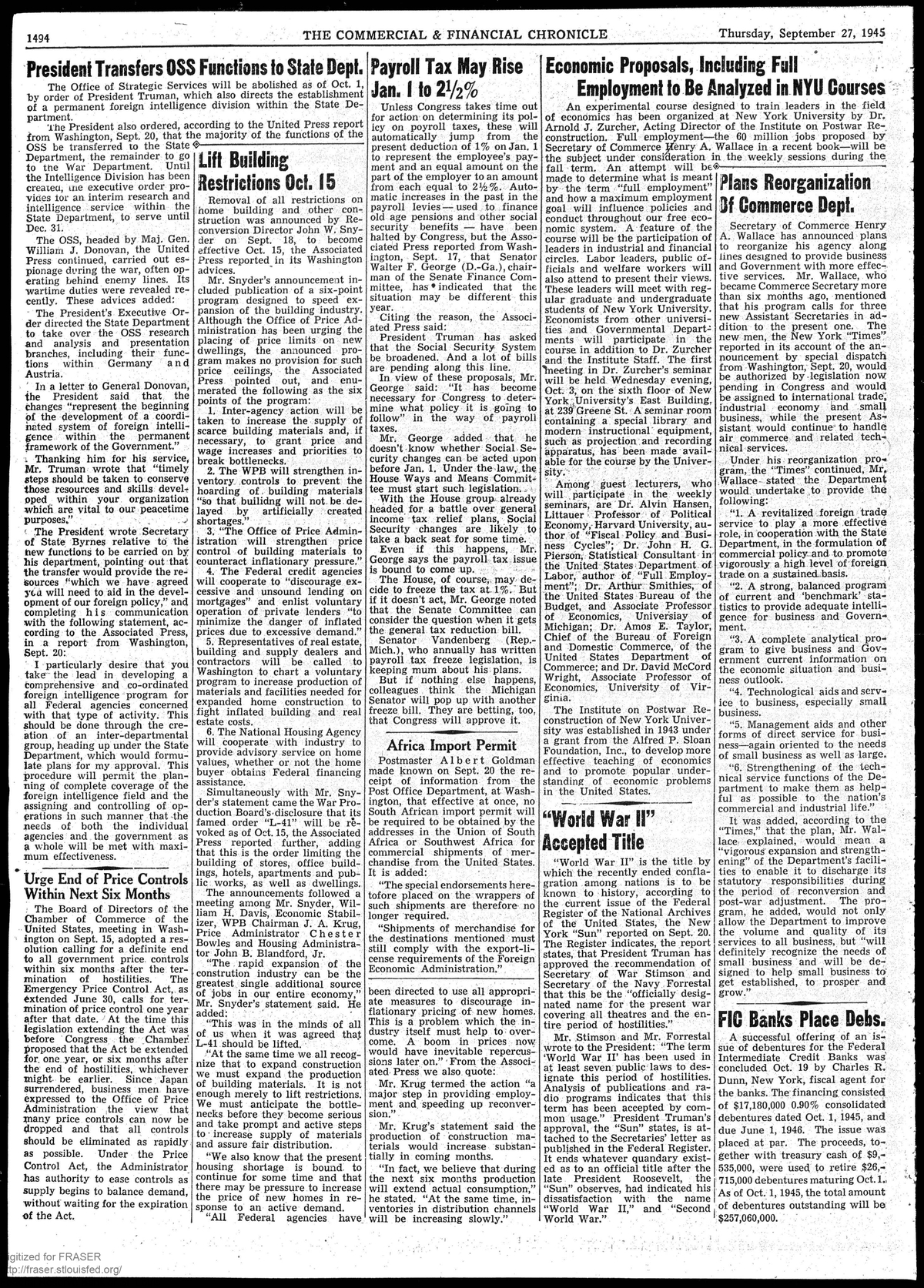
On September 11, 1945, President Harry S. Truman approved a joint recommendation from the secretaries of war and the navy to designate the conflict officially as "World War II". The War Department then issued General Orders No. 80 on September 19, directing officials to use the name in official communications and publications.
The rule covered only the US government. By then, most people were already calling it World War II.
Nobody Voted on the Names
No single decision, and no international meeting, gave either war its name. The names came from newspapers, books, speeches, and government orders, and each country settled on its own at its own pace.
The first war became “World War I” only after a second one arrived. The second was named while it was still being fought, because people were already saying it.