


For nearly a century, the white elephant was the main feature of Siam’s flag, when Thailand was still known by that name before 1939. The animal, which held a special place in the kingdom, first appeared alongside a white chakra wheel on a red background in 1817.
However, the design began to change in the early 20th century. In 1916, King Vajiravudh (Rama VI) simplified it into red and white stripes. A year later, blue was added, creating the three-colour flag known as Trairong, which Thailand continues to use today.
The changes took place in several stages, from adjustments to the white elephant emblem to the selection of colours associated with royal traditions. Here is how Thailand’s flag evolved into its present design.
The White Elephant Becomes a Symbol of Siam
The white elephant first appeared on Siam’s flag around 1817, during the reign of King Rama II. At the time, the elephant was placed inside a white chakra wheel against a red background.
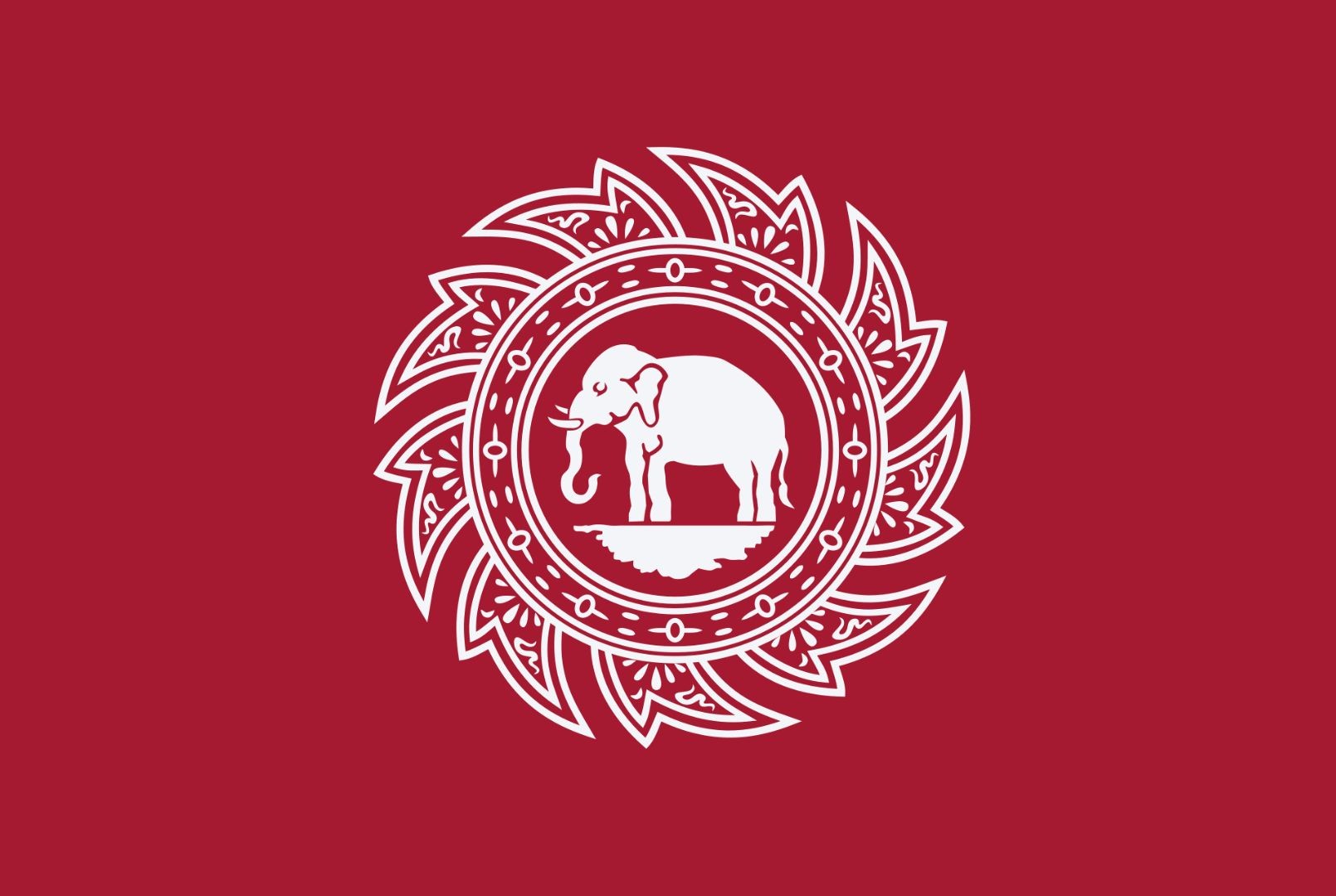
In 1855, King Mongkut (Rama IV) simplified the flag by removing the white chakra wheel surrounding the elephant. From then on, Siam’s flag featured a white elephant against a red background.
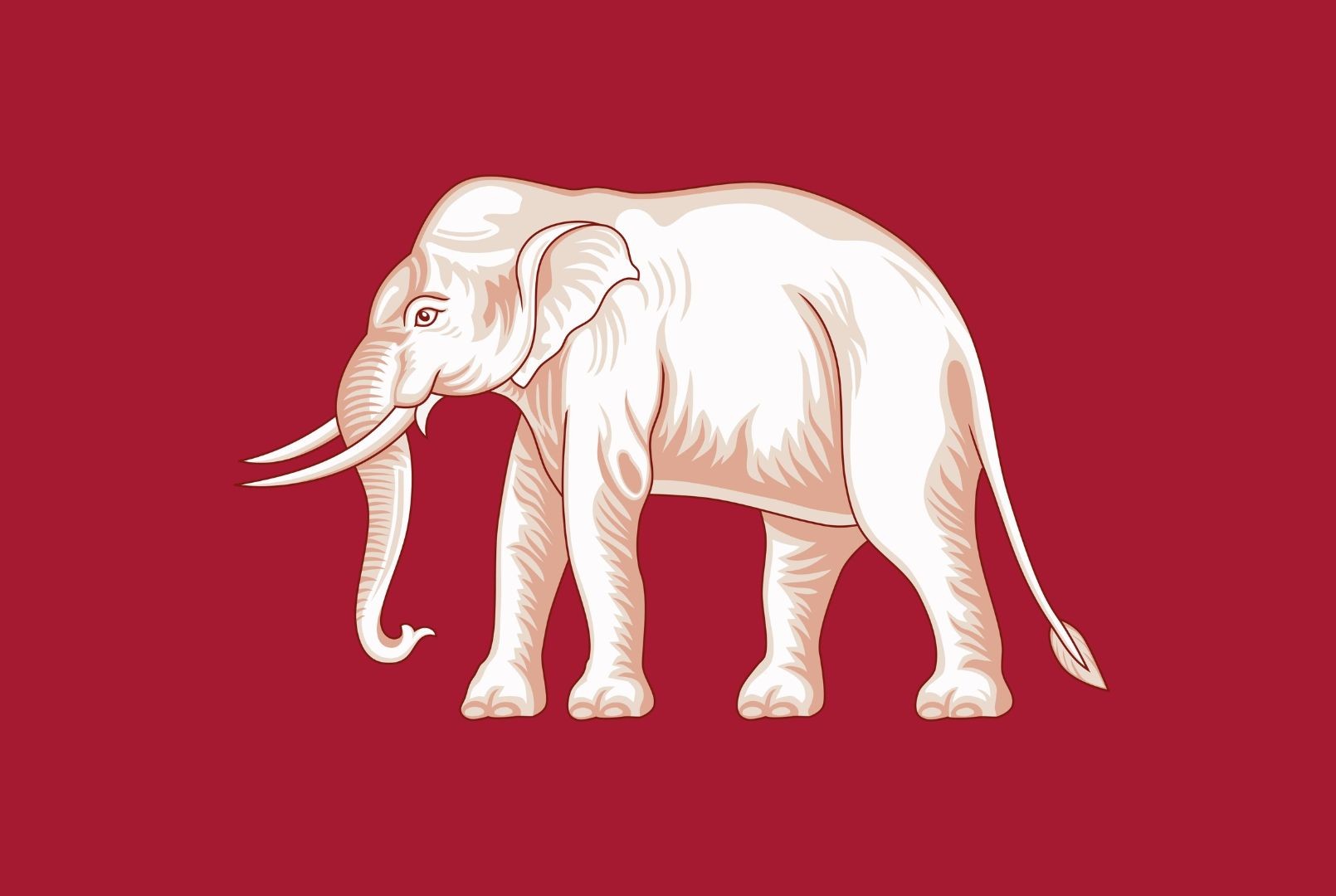
The emblem also served a practical purpose at sea. According to a booklet by Thailand’s Department of Fine Arts cited by Flags of the World, Siamese vessels had previously flown plain red flags, making them difficult to distinguish from foreign ships. The white elephant therefore served as a distinctive marker, allowing Siamese vessels to be more easily identified.
The design was later officially adopted as the national flag through the R.S. 129 Flag Act in 1910, during the reign of King Rama V.
Changes During the Reign of King Vajiravudh
When Vajiravudh (Rama VI) ascended the throne in 1910, Siam’s national flag still featured a white elephant against a red background. However, the design underwent several changes during his reign, beginning in 1916.
According to the Thai Parliament Museum, Vajiravudh considered the elephant difficult to recognise from a distance and felt that its appearance did not adequately convey royal dignity. He therefore ordered a new design featuring a white elephant standing on a pedestal against a red background.
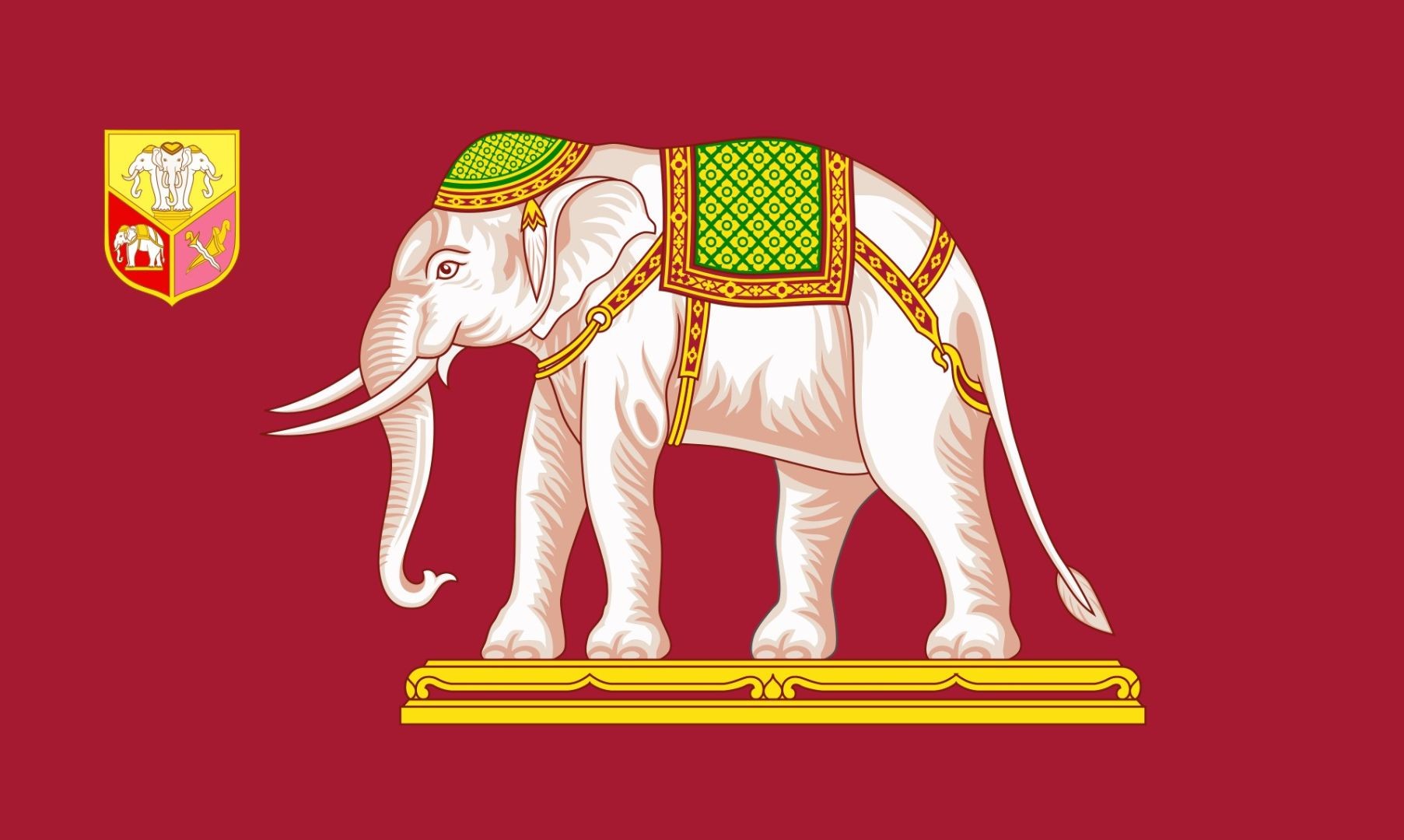
The flag was later simplified further into horizontal red and white stripes. A popular story links this change to an incident in September 1916, when Vajiravudh reportedly saw a white elephant flag hanging upside down at a house during a visit to Uthai Thani.
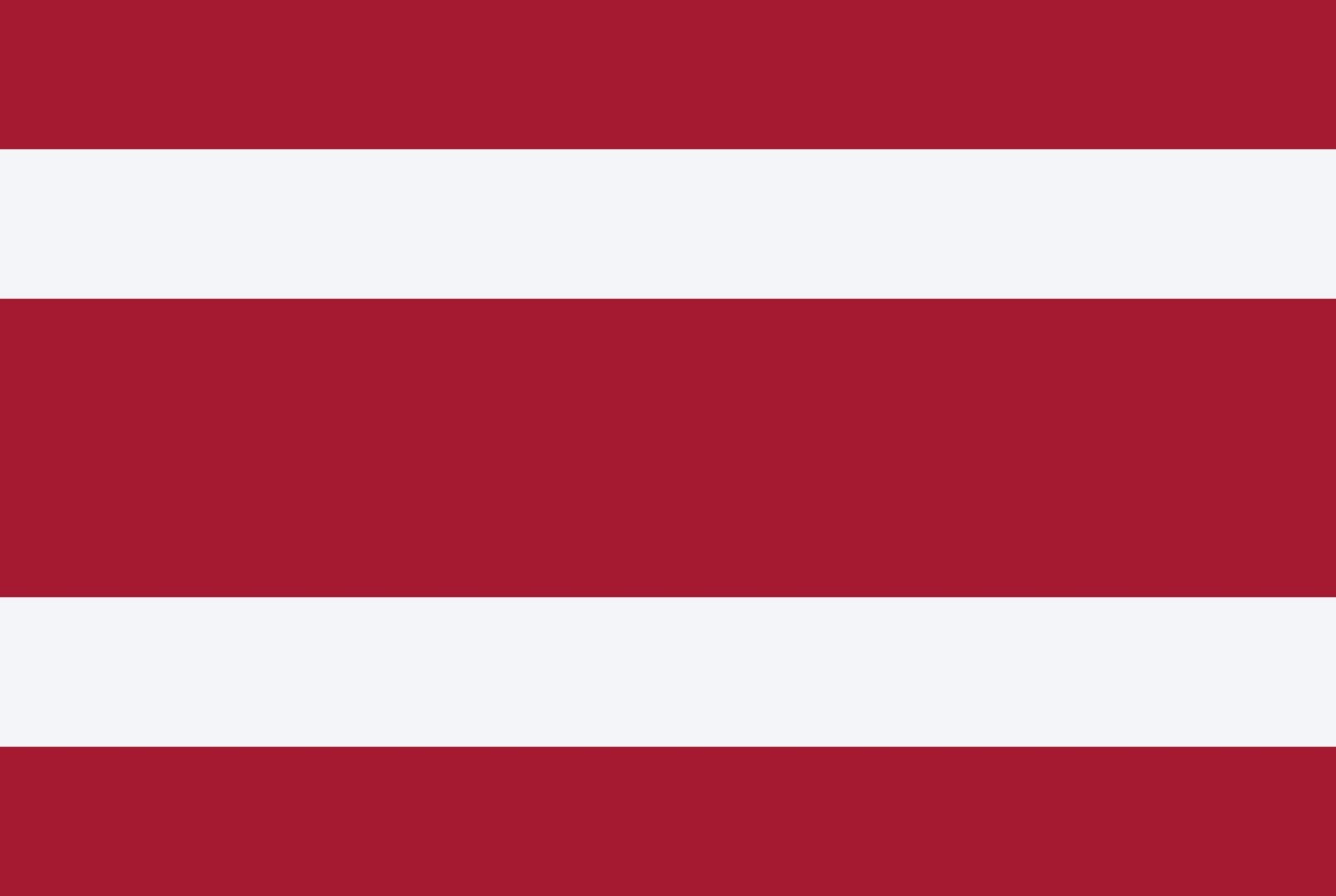
According to a report by MGR Online, local residents had put up a flag borrowed from Nakhon Sawan because their own supply was limited. The story suggests that the incident prompted the king to choose a design that could not appear upside down.
However, the story remains disputed. Sarakadee magazine describes it as an account passed down from the royal court, while FlagDB notes that palace records placed the king in Bangkok on the date commonly associated with the visit.
Blue Completes Thailand’s Flag in 1917
The red-and-white striped design was revised once again. On 28 September 1917, Vajiravudh introduced the change through the Flag Act B.E. 2460.
The central white stripe was replaced with blue, creating five horizontal stripes in the order of red, white, blue, white, and red. The blue stripe was twice as wide as each of the other stripes.
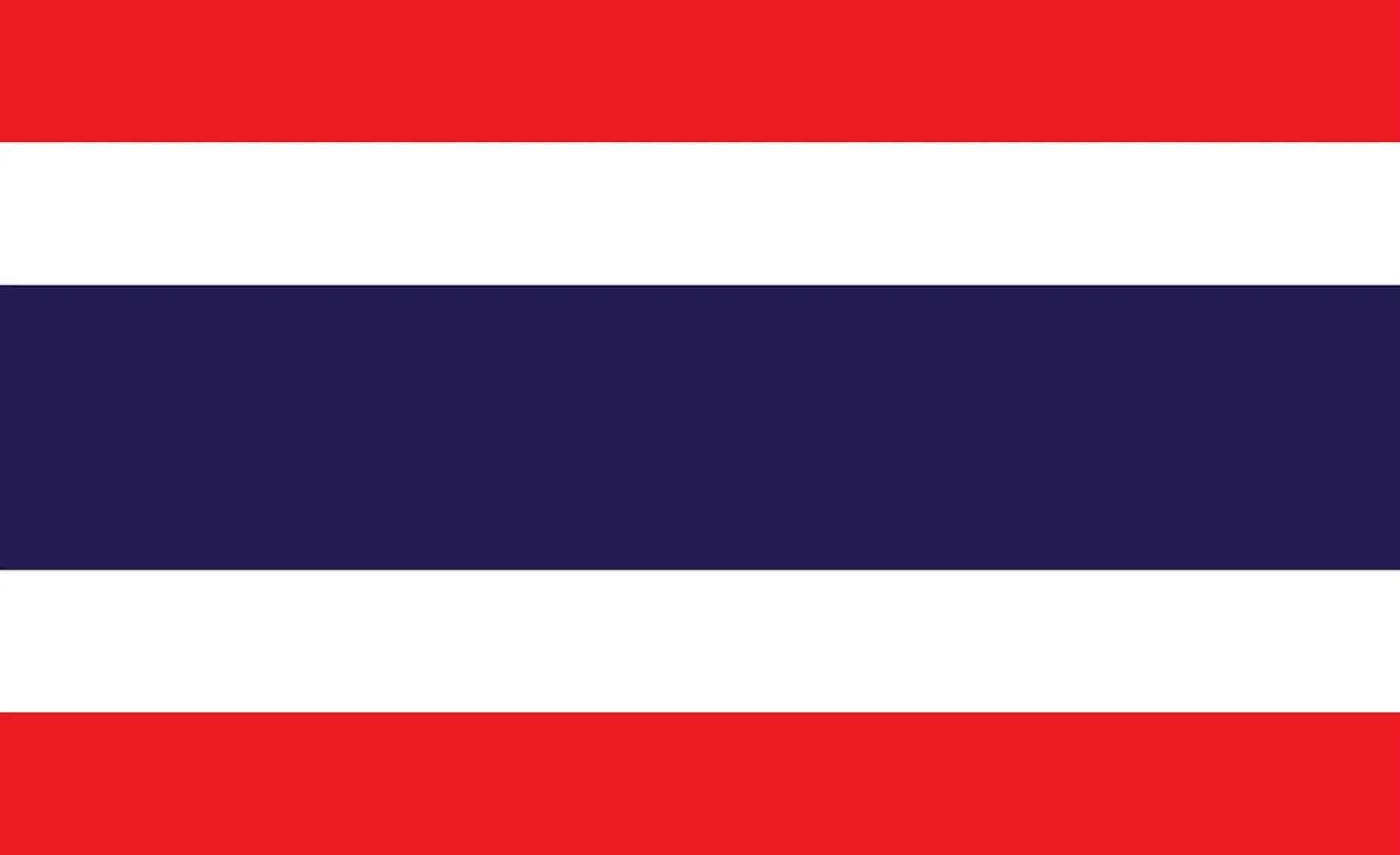
There are two explanations for the choice of blue. Thai PBS links it to Siam’s desire to adopt a design resembling the three-colour flags used by several other countries. Meanwhile, MGR Online and FlagDB identify blue as Vajiravudh’s personal colour.
In Thai tradition, each day of the week is associated with a particular colour. Indigo blue is associated with Saturday, the day on which the king was born, 1 January 1881. Both explanations may have influenced the choice of blue.
The three colours on Thailand’s flag are now commonly interpreted as representing the nation, religion, and monarchy. However, according to FlagDB, this interpretation has never been formally established.
The Legacy Behind National Flag Day
Although it no longer appears on the national flag, the white elephant remains an important symbol of Thailand. It is still featured on the Royal Thai Navy flag, where a white elephant appears against a red disc.
Thailand also commemorates the adoption of the Trairong flag through National Flag Day on 28 September. The Cabinet approved the date on 20 September 2014, and the first observance took place on 28 September 2017, marking the centenary of the adoption of the current flag.


