


As Southeast Asia marks World Tsunami Awareness Day this November 5, the message for coastal communities is clear: preparation begins before a warning arrives. This year’s theme, “Be Tsunami Ready: Resilience Starts With You,” puts households, schools and neighbourhoods at the centre of efforts to save lives.
Remembering the Past, Preparing for the Next Wave
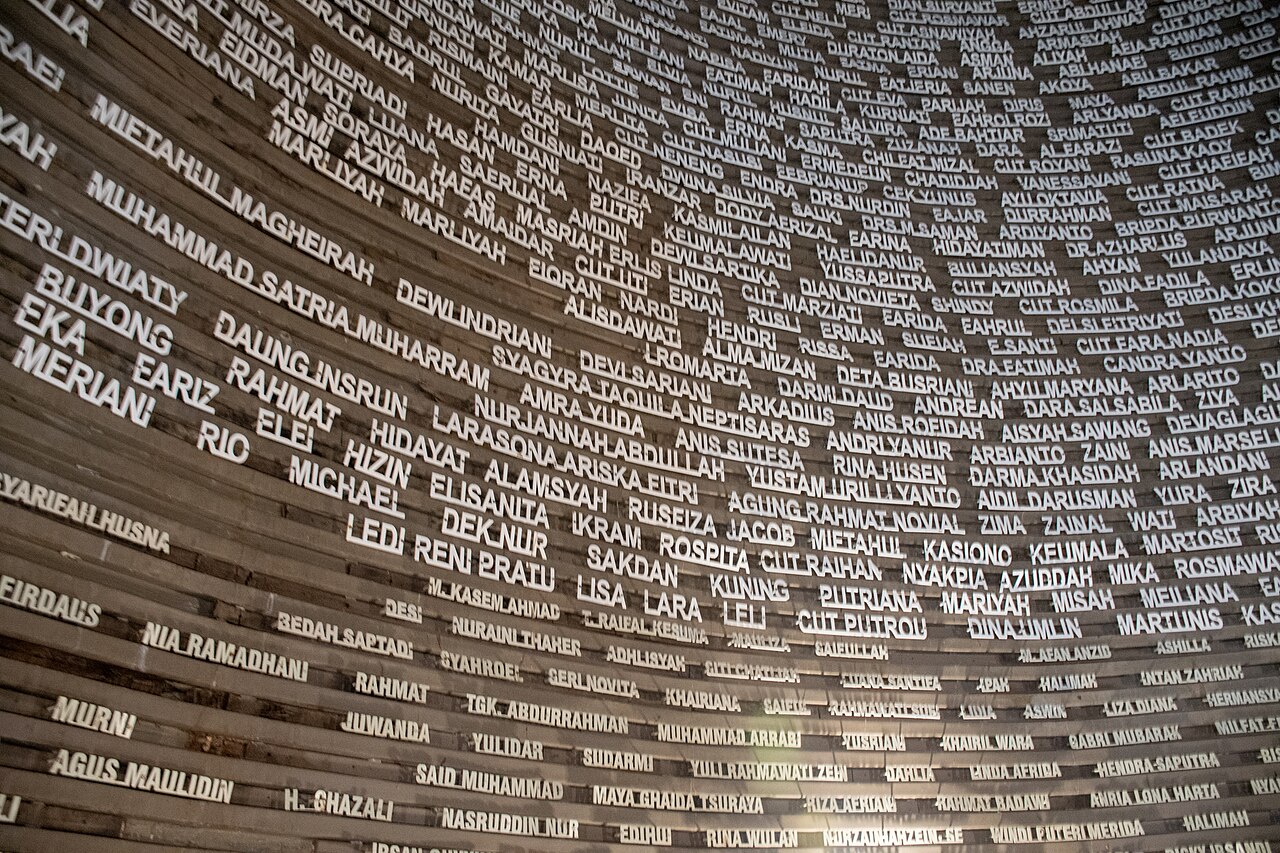
The Indian Ocean tsunami of December 26, 2004, killed more than 230,000 people across the ocean basin. Its legacy continues to shape regional cooperation, warning systems and public education, giving today’s observance particular significance for Southeast Asia.
Indonesia’s disasters in 2018 reinforced the urgency of local preparedness. Tsunami waves reached settlements along Palu Bay within six minutes of the earthquake. That December, the eruption and partial collapse of Anak Krakatau generated a tsunami in the Sunda Strait, demonstrating that dangerous waves can also originate from volcanic activity.
Remembering these events carries a practical responsibility: ensuring that residents and visitors know where to go and when to move.
Getting Warnings from Screens to Shorelines
Indonesia’s Meteorology, Climatology and Geophysics Agency, BMKG, operates the Indonesia Tsunami Early Warning System. In April 2026, the agency explained that its procedures require an initial warning within three minutes of an earthquake, including potential threats and estimated arrival times.
But an alert only helps when people receive, understand and act on it. Nearby tsunamis may arrive before an official message, making recognition of natural warning signs essential.
Philippine authorities teach “shake, drop and roar”: strong shaking, an unusual sea-level change, or a loud sound from the sea. PHIVOLCS Director Teresito Bacolcol has stressed that observing even one sign should prompt movement to higher ground. People should not wait for every sign or an official advisory. After protecting themselves during shaking, those in coastal danger zones should evacuate promptly along designated routes to high ground or inland.
Young People Bring Preparedness to Life
This year’s Tsunami United programme connects 677 students and 232 teachers from 117 schools across 11 countries. Convened by UNESCO, UNDRR, BMKG, U-INSPIRE Indonesia and Pacifico, it includes 362 students from Indonesia, 74 from Thailand, 19 from the Philippines and five from Malaysia.
Its Creative Wave campaign is scheduled for launch today, translating lessons into youth-led awareness activities. The programme connects students across the Indian Ocean region, encouraging them to share knowledge and bring preparedness into their own communities.
Bali offers an earlier example of learning through participation. During the 2025 Tsunami Amazing Race in Serangan, 20 teams navigated six checkpoints, practising warning interpretation and evacuation procedures. Students with disabilities participated alongside their peers.
“Preparedness can be fun and interactive. Kids learn by doing, that’s what makes the difference,” said I Putu Suta Wijaya, head of Bali’s Disaster Risk Reduction Forum, according to UNDP.
Readiness Means Including Everyone
UNESCO-IOC’s Tsunami Ready programme evaluates communities against 12 indicators covering risk assessment, preparedness and response. Recognition acknowledges measures to reduce risk; it does not mean a community is tsunami-proof.
In Bali’s Tanjung Benoa, ten hotels signed agreements with authorities and nearby schools to serve as temporary evacuation centres, demonstrating how tourism businesses can support community safety.
As this November 5 afternoon unfolds, the lasting task extends beyond the observance: learn the evacuation route, prepare the household and plan assistance for neighbours who need it. Readiness grows when these actions become familiar long before the sea changes.


