Koh Kret is a small island located in Pak Kret District, Nonthaburi Province, Thailand. The territory lies approximately 20 kilometers north of the city center of Bangkok.
The entire boundary of the island is surrounded by the flow of the Chao Phraya River. The land area of the region covers approximately four square kilometers.
The land area remains physically separated from the Pak Kret mainland as a result of 18th-century canal digging and river erosion.
Early Formation of the Island via Canal Digging
Before forming an island, Koh Kret was a peninsula in the middle of a meander in the Chao Phraya River. The curving waterway made navigation routes for ships bound for the capital of Ayutthaya slow.
King Thai Sa of the Ayutthaya Kingdom ordered the digging of a shortcut canal in 1722. The two-kilometer shortcut across the neck of the peninsula was named Khlong Lat Kret.
The construction of the new canal cut the winding sailing route by approximately four kilometers. Swift currents flowing through the new passage gradually eroded the riverbanks on both sides of the canal.
Decades of erosion widened the canal channel until it severed the peninsula from the mainland. The separation permanently altered the status of the peninsula into a river island in the middle of the Chao Phraya.
The Khlong Lat Kret canal eventually developed into the main course of the Chao Phraya River. The former river course to the west gradually shifted into a secondary channel.
Mon Ethnic Pottery Center
Settlement on Koh Kret began to grow during the Thonburi Kingdom period around 1774. King Taksin granted settlement permission to Mon refugees arriving from Burma.
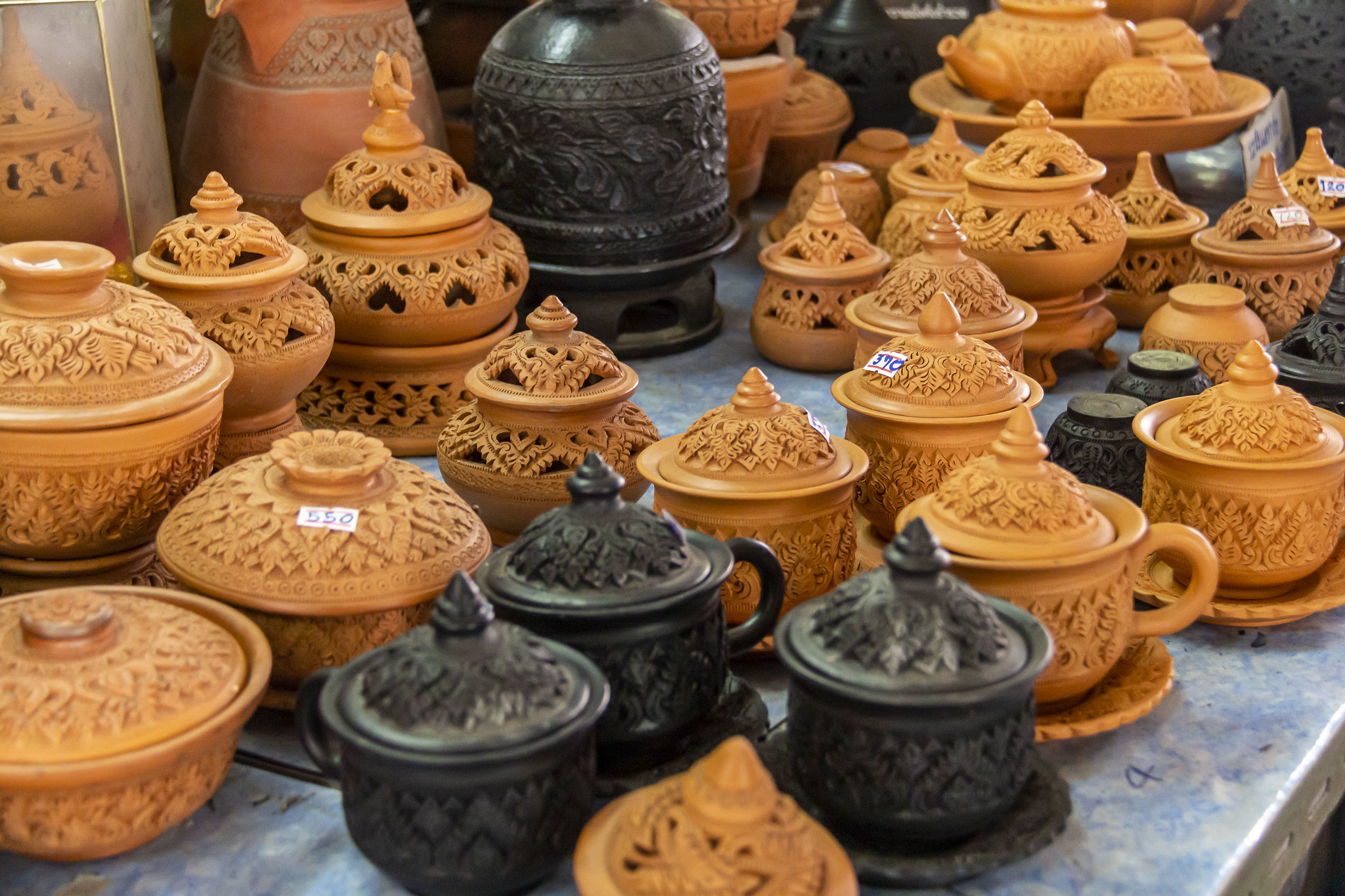
Mon refugees utilized clay deposits along the banks of the Chao Phraya River. The clay material was processed into unglazed terracotta earthenware, known as the Kwan Aman tradition.
The phrase Kwan Aman in the Mon language literally translates to potter village. Earthenware produced in the settlement was distributed via merchant boats along the river to major markets in Bangkok.
Traditional pottery crafting techniques applied geometric patterns engraved onto the red clay surface. The firing process took place inside large wood-fired kilns located in the northern part of the island.
The collection of Mon pottery works is preserved at the Ban Kwan Aman Mon Cultural Center Museum. The museum, situated in the northern section of the island, displays antique pottery molds and 19th-century manual potter's wheels.
Historical Sites of the Island Area
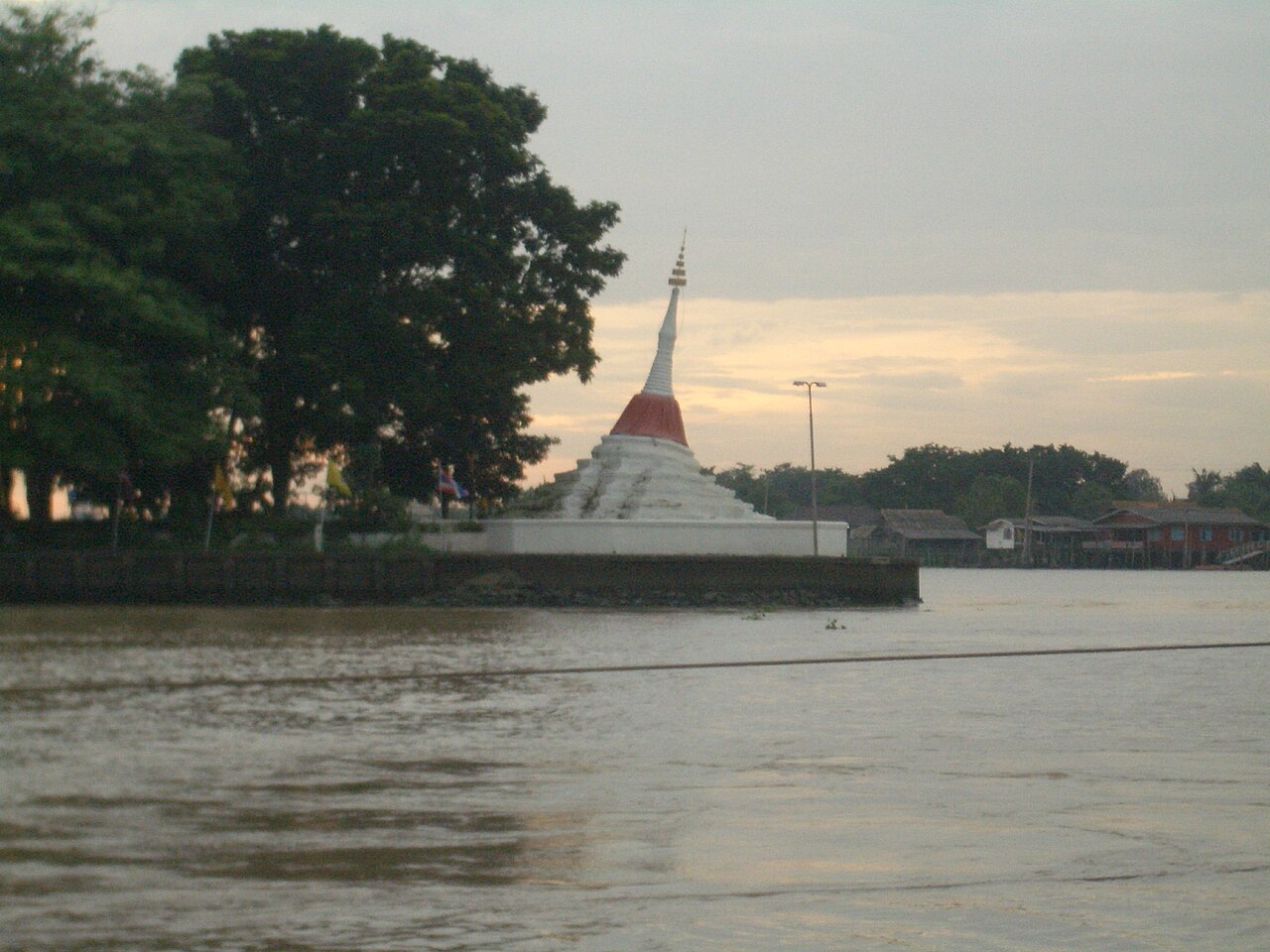
On Koh Kret island, the primary religious site is Wat Poramai Yikawat. The temple area was renovated during the reign of King Chulalongkorn, incorporating Mon architectural elements.
The temple area features a prominent landmark in the form of the Leaning Chedi Mutao Pagoda on the riverbank. The structure tilts due to water current erosion that gradually undermined the soil foundation underneath.
In addition, other places of worship include Wat Chimphli Sutthawat and Wat Pai Lom. Both structures were constructed during the Ayutthaya Kingdom era in the eastern part of the island.
Access to the island is connected by ferry boats from Wat Sanam Nuea Pier at a fare of two baht per person. A weekend market operates on Saturdays and Sundays along the residential pathways of Koh Kret. Vendors sell traditional Mon foods such as fried flowers and coconut desserts alongside unglazed terracotta pottery.
Across the island, a two-meter-wide concrete walkway functions as the main ground route. The five-kilometer path encircles the land area without automobile access, leaving movement restricted to pedestrians, bicycles, and small motorcycles.