In Timor-Leste, executive authority is divided between two distinct national leaders. The political system operates with both a President of the Republic and a Prime Minister.
The executive framework has defined the government structure of Timor-Leste since the nation restored its independence. The arrangement officially took effect under the Constitution of the Democratic Republic of Timor-Leste, which was adopted on May 20, 2002.
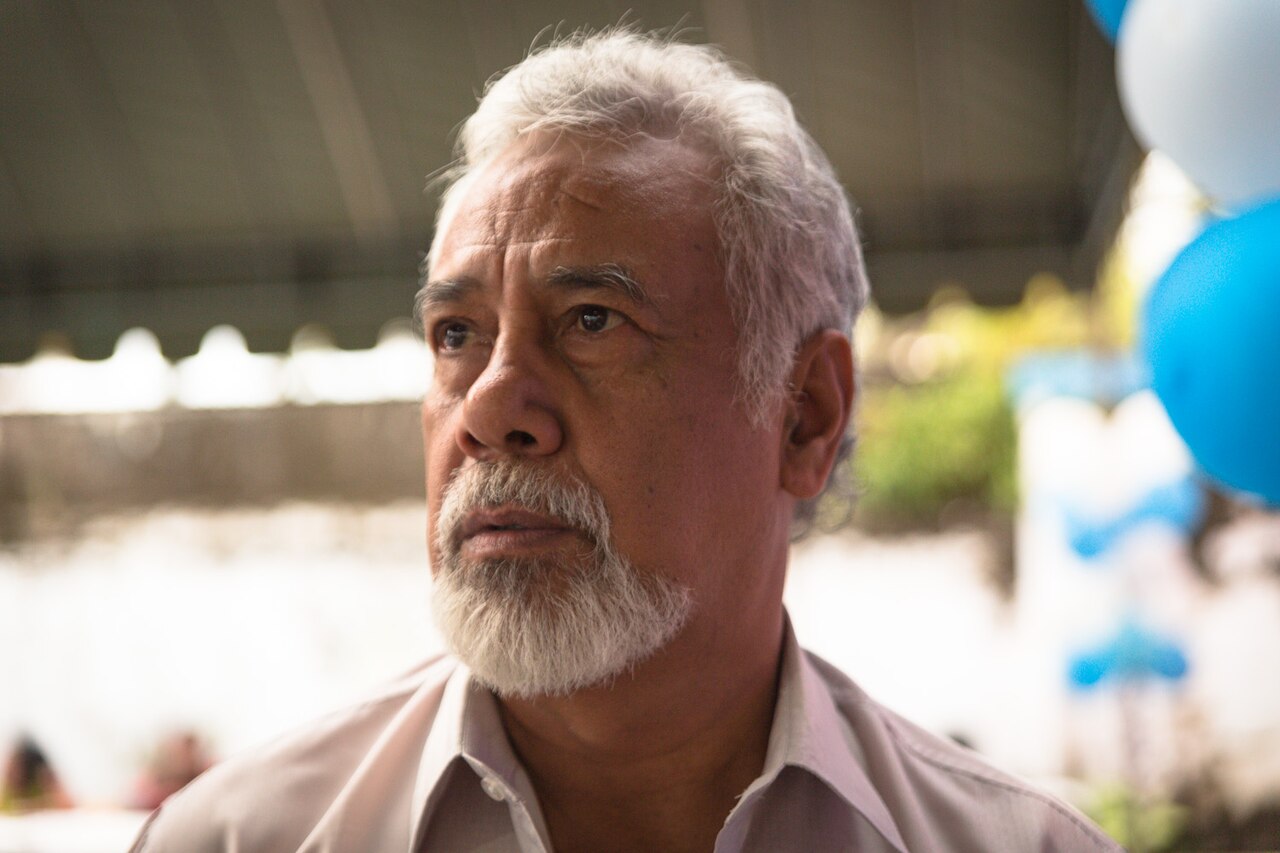
Under the constitutional design, the President serves as the Head of State. Meanwhile, the Prime Minister functions as the Head of Government.
The governance structure is classified as a semi-presidential republic. The model separates political representation from day-to-day administrative authority.
How Does the Voting System Choose Each Leader?
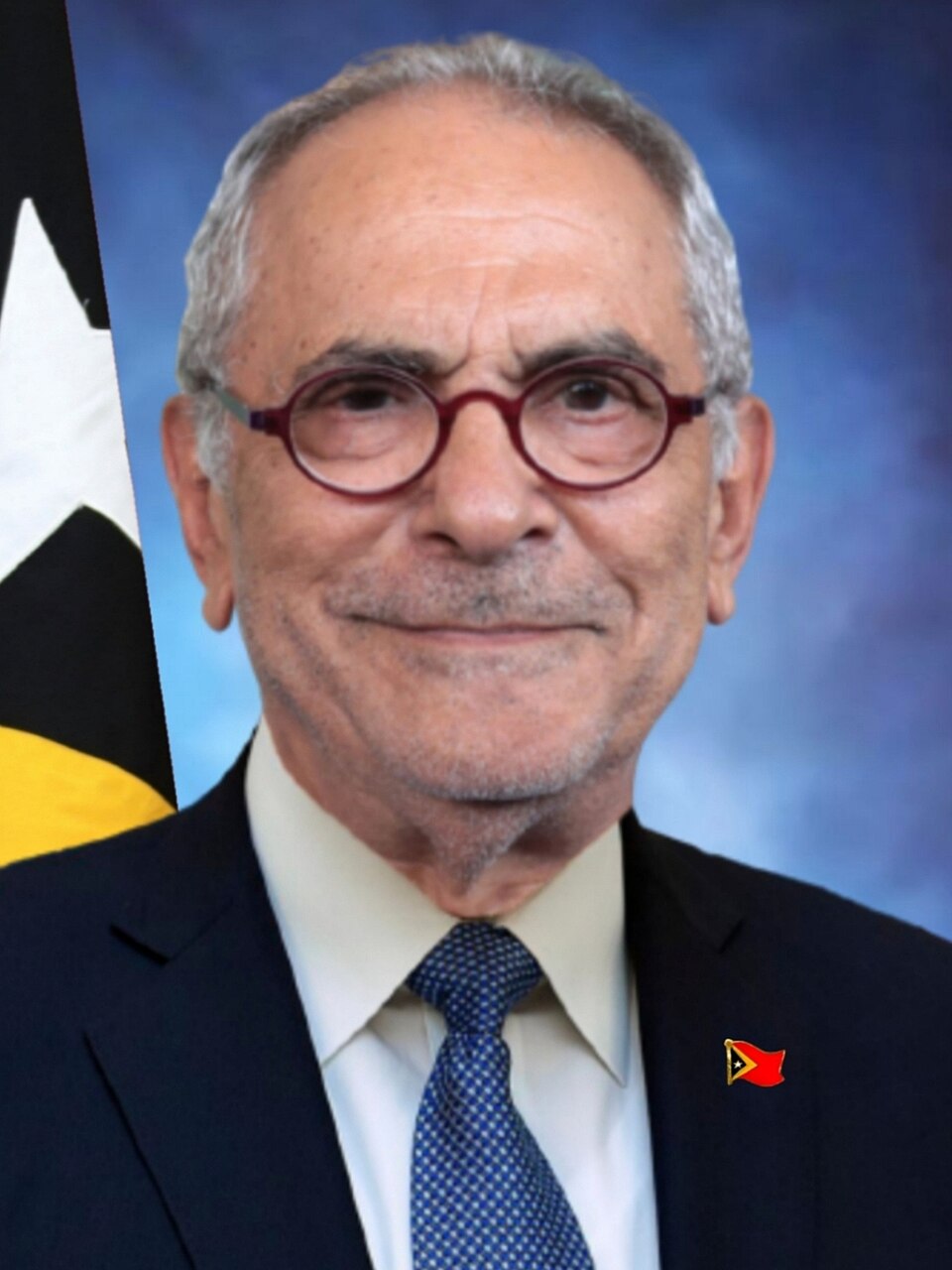
The selection of the President occurs through a direct popular vote. Citizens of Timor-Leste cast their ballots in nationwide presidential elections held every five years.
To secure victory, a presidential candidate must obtain an absolute majority of the valid votes cast. If no candidate achieves more than fifty percent in the first round, a runoff election takes place between the top two candidates.
The position of Prime Minister follows a completely different selection path. The Prime Minister is not directly elected by voters on a separate ballot.
Instead, the appointment depends on the outcomes of parliamentary elections. Citizens of Timor-Leste vote for political parties or coalitions competing for seats in the 65-member National Parliament, known as the Parlamento Nacional.
Following the certification of election results, the party or coalition holding a parliamentary majority nominates a candidate for Prime Minister. The President then formally appoints the designated leader to form a government.
The dual selection mechanism ensures that the President receives a direct electoral mandate from citizens, while the Prime Minister relies on forming a working majority within the legislature.
Where Did the Dual Executive Model Come From?
The origin of the dual executive framework traces back to the constitutional drafting process between 2001 and 2002. Following the 1999 independence referendum, the Constituent Assembly formed to establish a legal system for the new nation.
Legal models from Portugal directly influenced the drafting of the constitution. Portugal had established a semi-presidential system under its 1976 constitution, which divided authority between a directly elected president and a parliamentary prime minister.
The structure also reflected the political reality of Timor-Leste in 2002. The political party FRETILIN held a dominant majority in the Constituent Assembly, while resistance leader Xanana Gusmão held widespread popular support as an independent candidate.
Adopting the semi-presidential model accommodated the two distinct political mandates. The framework created a presidential office centered on national unity, alongside a prime minister leading government administration through parliament.
The Constituent Assembly officially approved the constitution on March 22, 2002. The legal framework permanently established the division of executive powers before full independence was restored on May 20, 2002.
Who Actually Runs Daily State Operations?
Daily administrative management of the state falls under the authority of the Prime Minister. The Prime Minister heads the Council of Ministers and directs overall domestic policy.
The office of the Prime Minister oversees government ministries, state departments, and public administration. The head of government is responsible for formulating the national budget, implementing legislative acts, and managing civil infrastructure projects.
The Prime Minister also represents the government in parliamentary debates. The cabinet must maintain the political confidence of the National Parliament to remain in office.
In contrast, the President holds specific constitutional powers centered on state representation and constitutional oversight. The President acts as the Supreme Commander of the Armed Forces of Timor-Leste, known as FALINTIL-FDTL.
The President holds the authority to promulgate laws passed by the National Parliament or veto proposed legislation on constitutional grounds. The Head of State also retains the power to dissolve parliament if the legislature fails to pass the state budget or approve the government program.
Diplomatic representation also involves both offices based on designated constitutional roles. The President accredits foreign ambassadors and ratifies international treaties, while the Prime Minister handles bilateral agreements related to economic policy, trade, and sectoral development.