Macaques trained to perform tricks on Indonesian streets, elephants that carried tourists around Angkor, bears kept in captivity in Viet Nam, roosters fighting in licensed cockpits in the Philippines.
Animals appear in Southeast Asia’s daily life and tourism in many forms, from pulling carriages and supporting agricultural work to entertaining crowds. Some of these practices have drawn concerns over harsh working conditions, captivity, and the way animals are used for entertainment.
Governments across the region have responded in different ways. Some have banned particular activities. Others allow them under specific regulations, and a few have chosen to set welfare standards without ending the practice itself.
Indonesia, Monkey Performances and Working Horses
Topeng monyet is a traditional street performance in Indonesia in which macaques are trained to perform tricks for audiences.
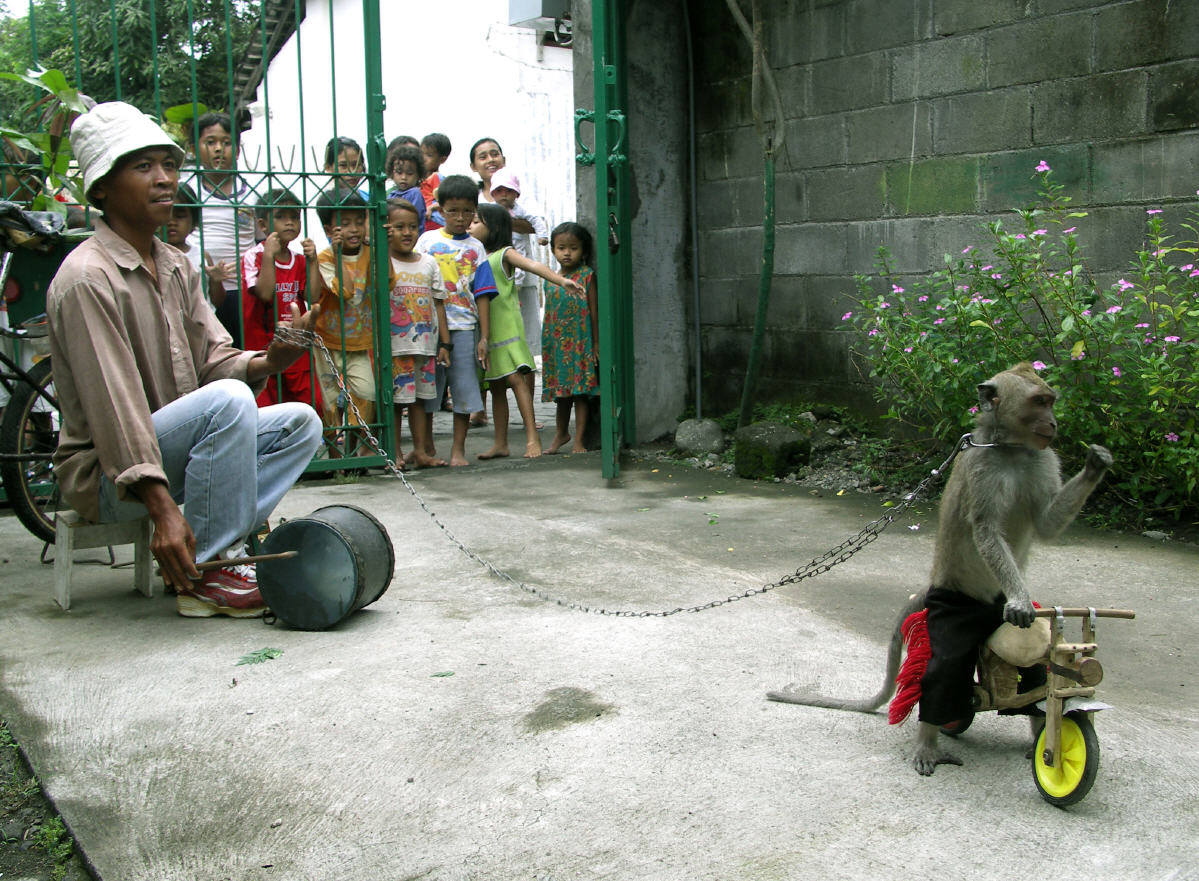
Authorities in Jakarta began cracking down on the practice in 2013. The Jakarta Animal Aid Network (JAAN) documented the scale of the issue. JAAN and government agencies seized 170 monkeys used in street performances in Jakarta between 2013 and 2018, and 145 of them were eventually released into the wild after rehabilitation.
Horses also remain part of transportation and tourism in several regions, where they pull traditional carriages such as dokar, andong, and cidomo. The Ministry of Agriculture published the Animal Welfare Guide for Working Horses (Panduan Kesejahteraan Hewan pada Kuda Pekerja) in 2024 as guidance for these activities.
The document covers feeding, housing, healthcare, transportation, and the treatment of horses throughout their working lives. It recommends that horses work no more than six hours a day, with at least one full day of rest each week.
Minister of Agriculture Regulation No. 32 of 2025 on Animal Welfare, enacted in December 2025, sets broader provisions for welfare implementation and supervision, particularly in livestock operations.
Thailand, Elephant Tourism
Thailand is widely associated with elephant tourism, and visitors can encounter elephants through riding, performances, and other tourist experiences. The treatment of captive elephants in the industry has drawn growing international criticism.
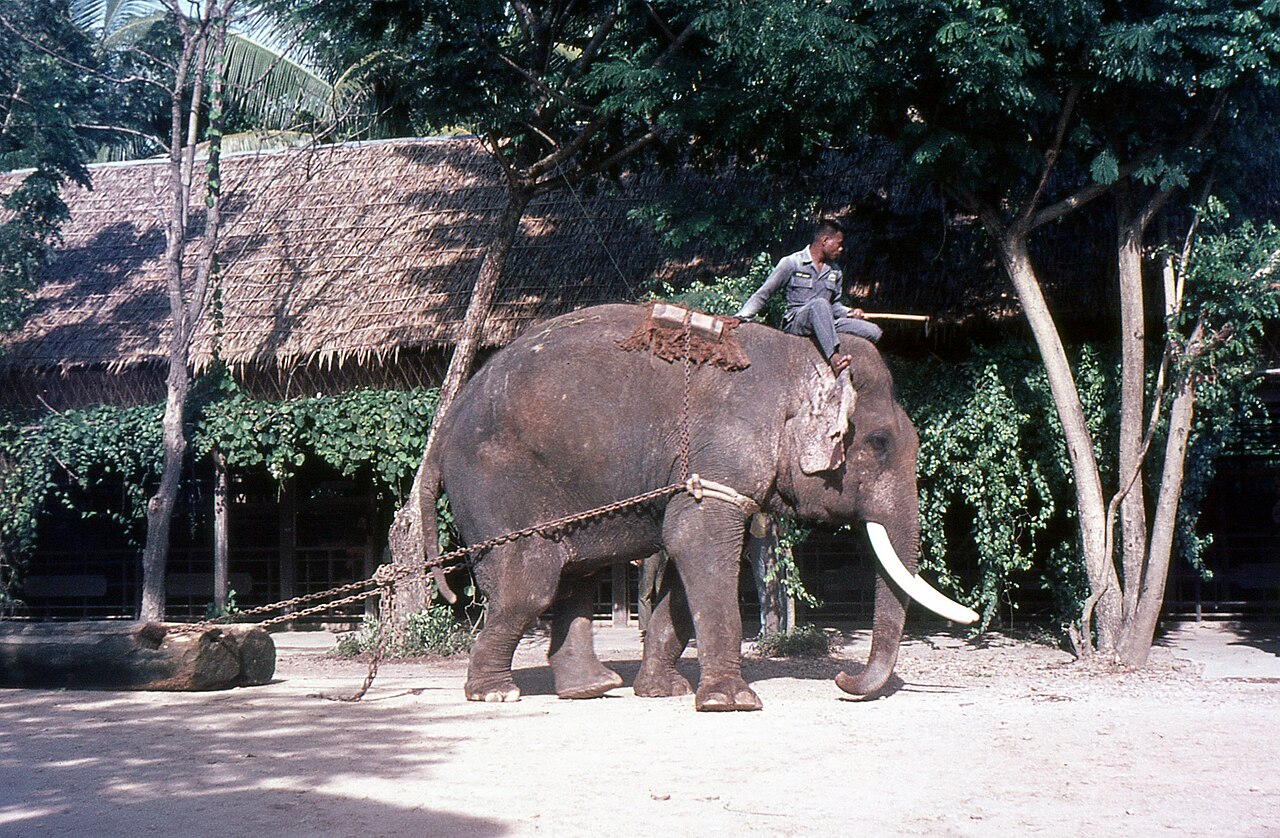
The Cruelty Prevention and Provision of Animal Welfare Act, introduced in 2014, provides legal protection for animals against cruelty. Thailand also adopted the Thai Agricultural Standard TAS 6413-2021, which sets welfare guidelines for elephant facilities.
The standards cover food, water, accommodation, veterinary care, and the responsibilities of elephant handlers, and they apply to facilities that use elephants for tourism and entertainment.
World Animal Protection examined 2,849 elephants across 236 tourism facilities in Thailand in a report published in January 2026, based on research conducted between February 2024 and January 2025.
Of the elephants surveyed, 69% lived in poor conditions and 43% were still used for elephant riding, down from 92% in 2010. More than half were kept at venues offering washing, feeding, or other close-contact activities.
Viet Nam, Bear Bile Farming
Bear bile was traditionally extracted from captive bears and used in certain forms of traditional medicine. Viet Nam banned the hunting and trading of bears in 1992 and bile extraction in 2005.
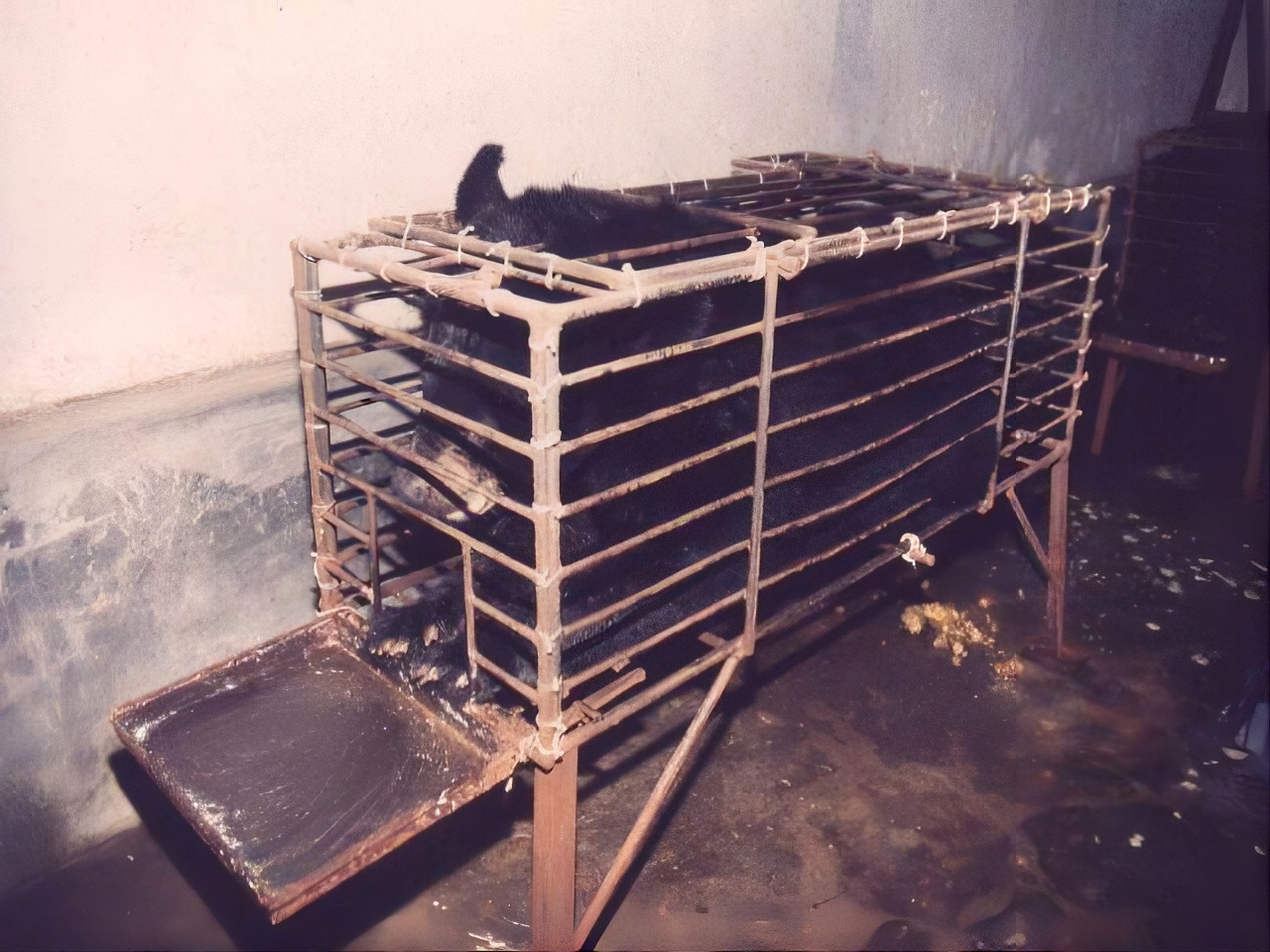
Registered private owners were still allowed to keep bears, and illegal extraction remained a concern. More than 4,000 bears were reportedly kept in captivity across the country in 2005. Viet Nam’s forest authorities and Animals Asia signed an agreement in 2017 to work toward closing bear bile farms and rescuing the remaining animals.
Viet Nam’s Ministry of Agriculture and Environment reported in August 2026 that 206 bears remained in captivity as of July 2026. Other groups report lower counts. Wildlife group ENV recorded 129 bears in September 2026, focusing on facilities involved in bear bile farming.
Philippines, Cockfighting
Cockfighting, locally known as sabong, is a legal and culturally established activity in the Philippines.
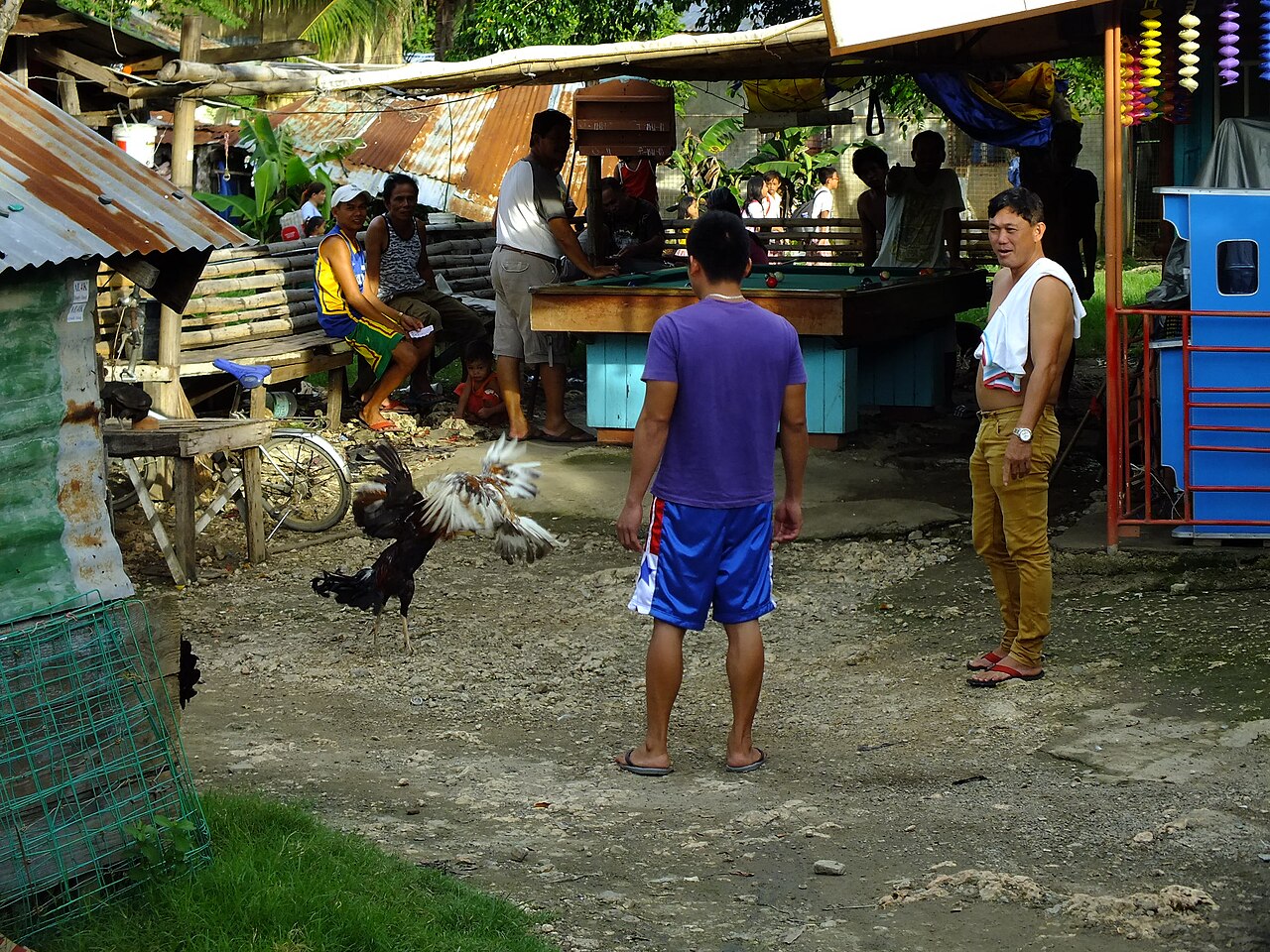
The Animal Welfare Act, introduced through Republic Act No. 8485 in 1998 and amended by Republic Act No. 10631 in 2013, prohibits animal cruelty and establishes protections for animals against abuse and neglect.
Cockfighting operates under a separate legal framework. Presidential Decree No. 449, also known as the Cockfighting Law of 1974, regulates the activity and permits it under specific conditions, including licensed cockpits and designated occasions.
Cambodia, Elephant Rides at Angkor
Elephants were used to carry visitors around Angkor Archaeological Park, one of Cambodia’s most important tourist destinations. The practice drew criticism over concerns about the animals’ health and working conditions.
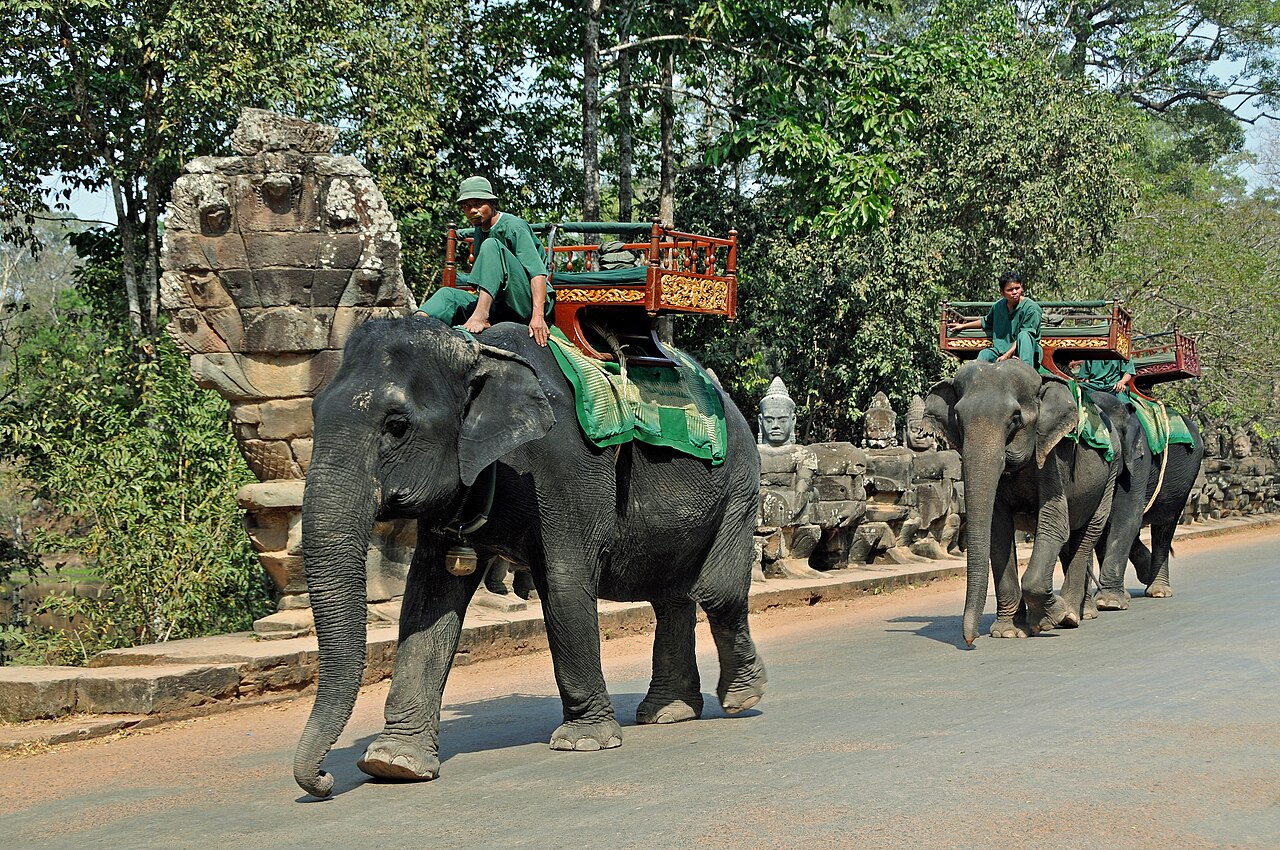
The Apsara National Authority, which manages the Angkor complex, announced in November 2019 that elephant rides would be discontinued from early 2020.
Fourteen elephants were being used to transport visitors around the site at the time. After the decision, they were relocated to Bos Thom Community Forest near Phnom Kulen, about 40 kilometers from the Angkor temple complex.
The elephants now live at Kulen Elephant Forest, which describes itself as their retirement habitat and lets visitors observe them without riding. The decision did not establish a nationwide ban on elephant riding.
References
- World Animal Protection. (2026, January 13). Bred to entertain: A new assessment of Thailand’s elephant tourism industry. https://www.worldanimalprotection.ca/our-work/reports-library/bred-to-entertain-report/
- Tim Direktorat Kesehatan Masyarakat Veteriner. (2024). Panduan kesejahteraan hewan pada kuda pekerja. Pertanian Press. https://epublikasi.pertanian.go.id/pertanianpress/catalog/book/92