


Survival in the wild is becoming increasingly difficult for many animals. Shrinking forests, poaching, illegal wildlife trade, and other human activities are putting more species at risk. According to the International Union for Conservation of Nature (IUCN), more than 47,000 species have been assessed as threatened with extinction.
The Living Planet Report also found that the average size of monitored global vertebrate wildlife populations has declined by 73% since 1970. Against this backdrop, here are 10 animals facing serious threats to their survival in the wild.
10. Hawksbill Turtle
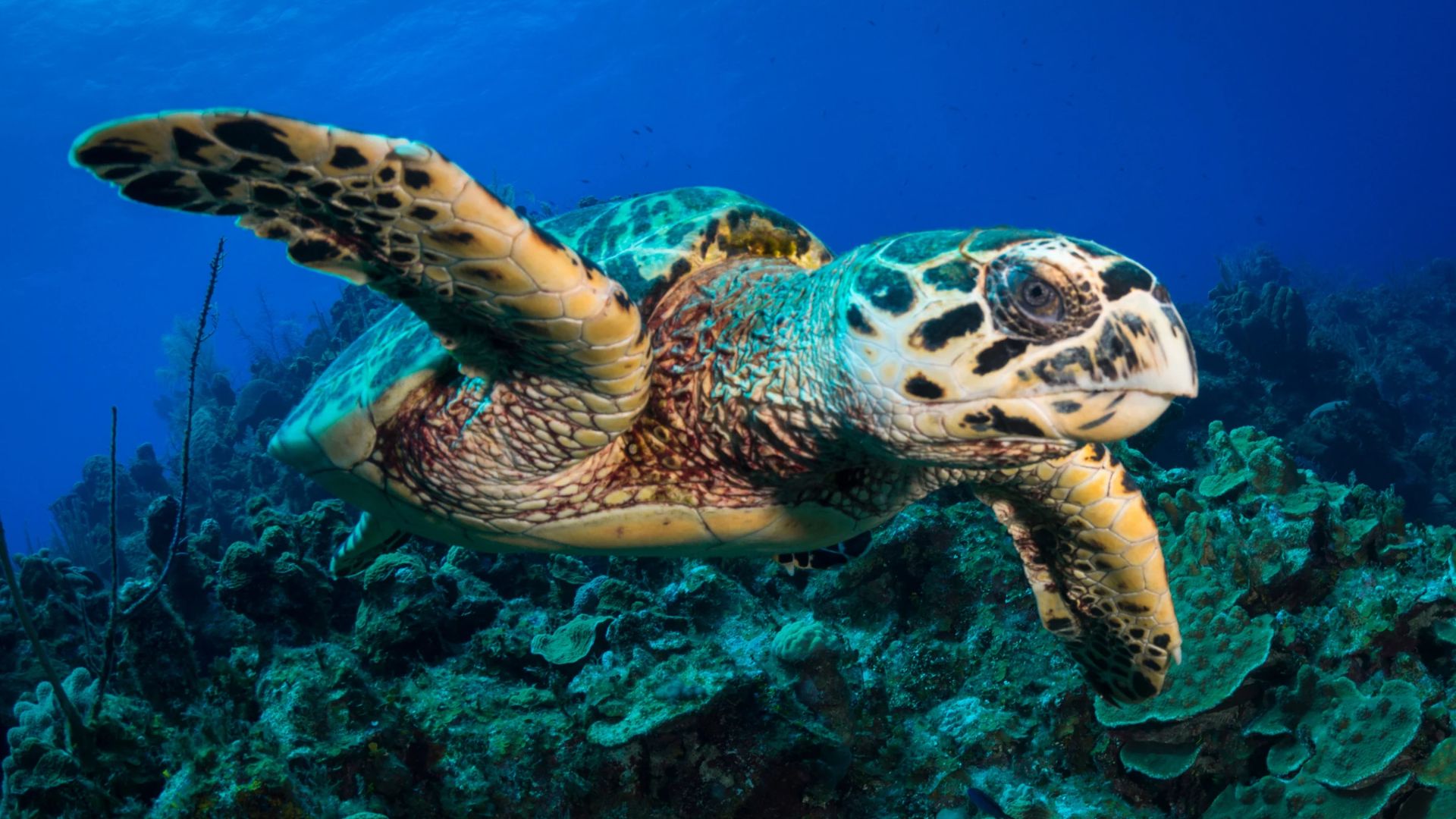
Hawksbill turtles inhabit tropical and subtropical waters across the Atlantic, Indian, and Pacific Oceans. Their global populations have declined by an estimated 80% over the past three generations, placing them in the IUCN's Critically Endangered category.
Their decline is driven by accidental capture in fishing gear, the degradation of nesting habitats and coral reefs, and the illegal trade in their shells. Plastic pollution and climate change pose additional threats.
9. Sumatran Orangutan
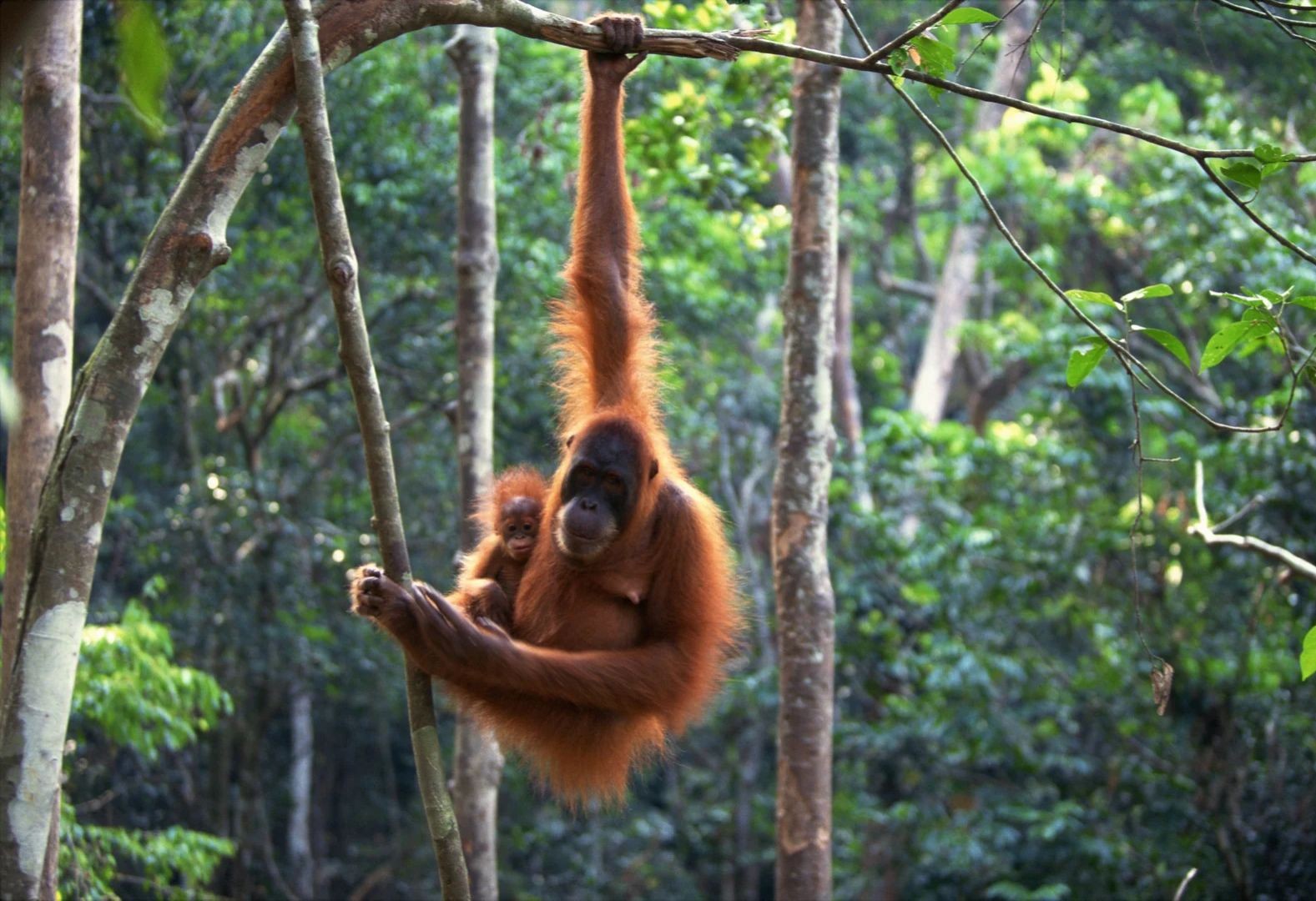
Sumatran orangutans are found exclusively on the Indonesian island of Sumatra. Fewer than 14,000 are estimated to remain in the wild, and the species is classified as Critically Endangered.
Deforestation, agricultural expansion, infrastructure development, and illegal wildlife trade continue to threaten their survival. Between 1985 and 2007, Sumatran orangutans lost an estimated 60% of their forest habitat. Today, most of the remaining population lives in the Leuser Ecosystem in northern Sumatra.
8. African Forest Elephant
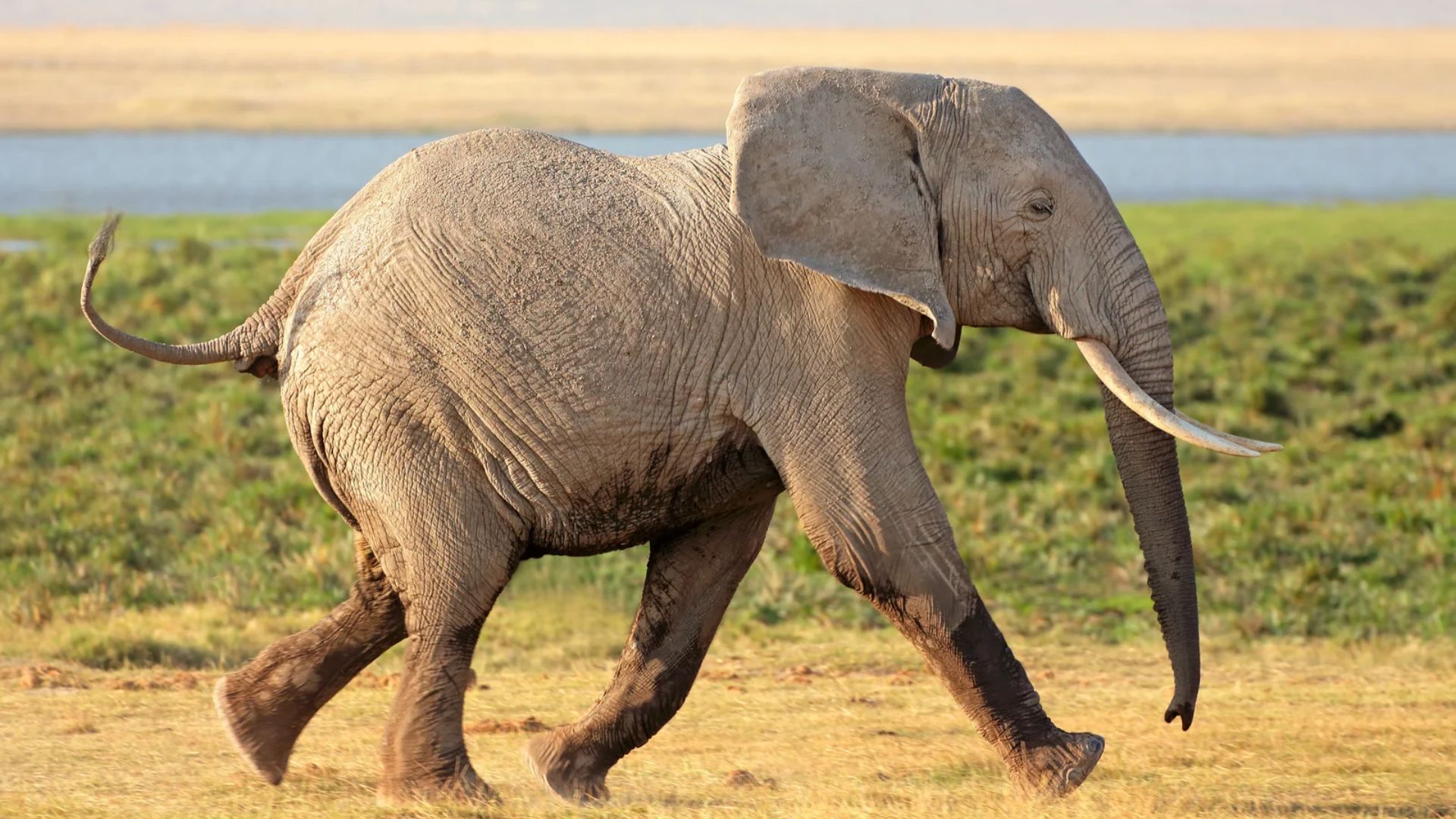
African forest elephants inhabit the dense forests of West and Central Africa. Although their exact population remains uncertain, their numbers are estimated to have declined by more than 80% over the past century.
Poaching is their main threat, followed by agricultural expansion and other land-use changes that fragment their habitats. Today, African forest elephants occupy only around 25% of their historical range. Approximately 72% of the remaining population lives in Gabon and the Republic of Congo.
7. Black Rhino
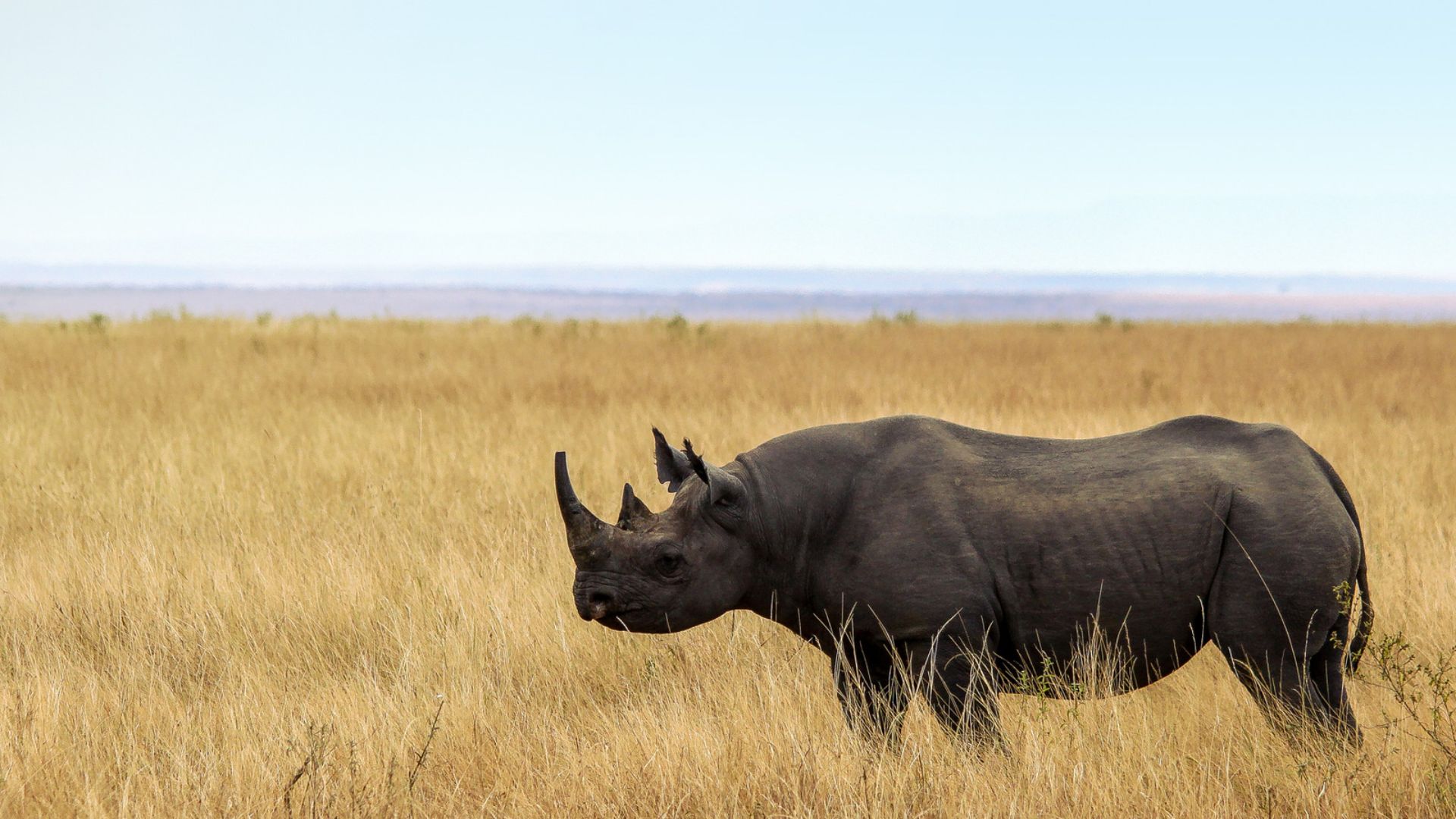
Large-scale poaching caused a dramatic decline in black rhino populations. Between 1960 and 1995, only around 2% of their population survived. Conservation efforts have since helped their numbers more than double from their 1990s levels.
Despite this recovery, black rhinos remain Critically Endangered, with an estimated 6,421 individuals in the wild. Poaching for their horns remains their biggest threat. Around 95% of the remaining population is concentrated in four countries: Kenya, Namibia, South Africa, and Zimbabwe.
6. Yangtze Finless Porpoise
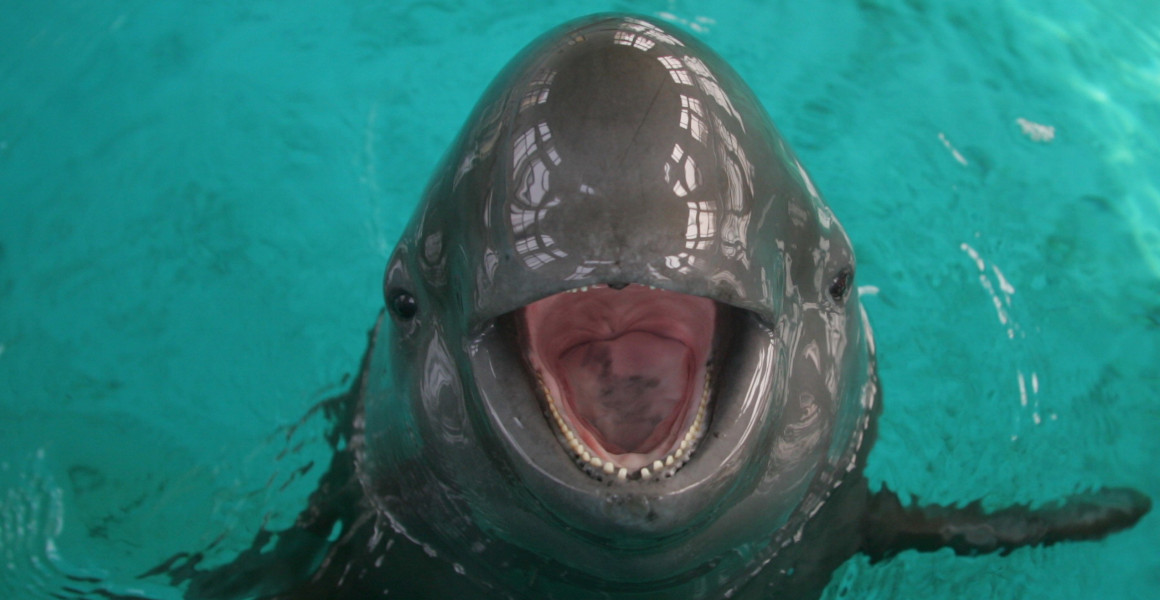
The Yangtze finless porpoise is the only living member of the porpoise family found in freshwater. It inhabits China's Yangtze River, where pollution, environmental degradation, and overfishing have damaged the ecosystem.
In 2021, China granted the species its highest level of legal protection and introduced a 10-year fishing ban along the entire river. The measures have shown encouraging results. A 2022 census recorded an increase in the population from 1,012 to 1,249 individuals over five years.
5. Bornean Orangutan
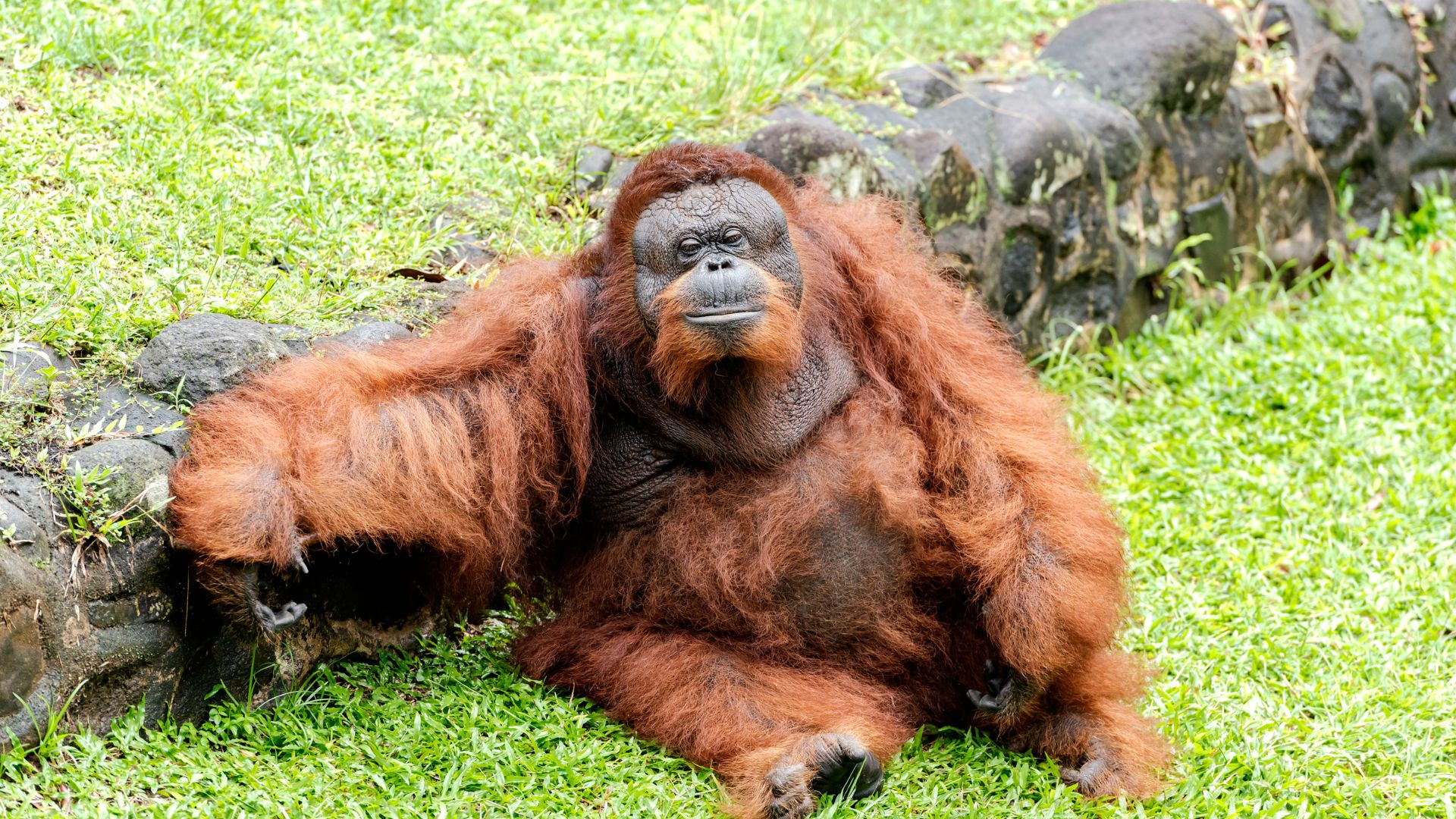
The Bornean orangutan is the world's largest tree-dwelling mammal and is found exclusively on the island of Borneo. Although an estimated 104,700 individuals remain in the wild, more than 100,000 orangutans are believed to have been lost between 1999 and 2015.
Habitat loss remains the main threat to the species. Around 40% of its key habitat disappeared between 1973 and 2010. Most surviving Bornean orangutans now live in degraded forests or areas used for timber production.
4. Mountain Gorilla
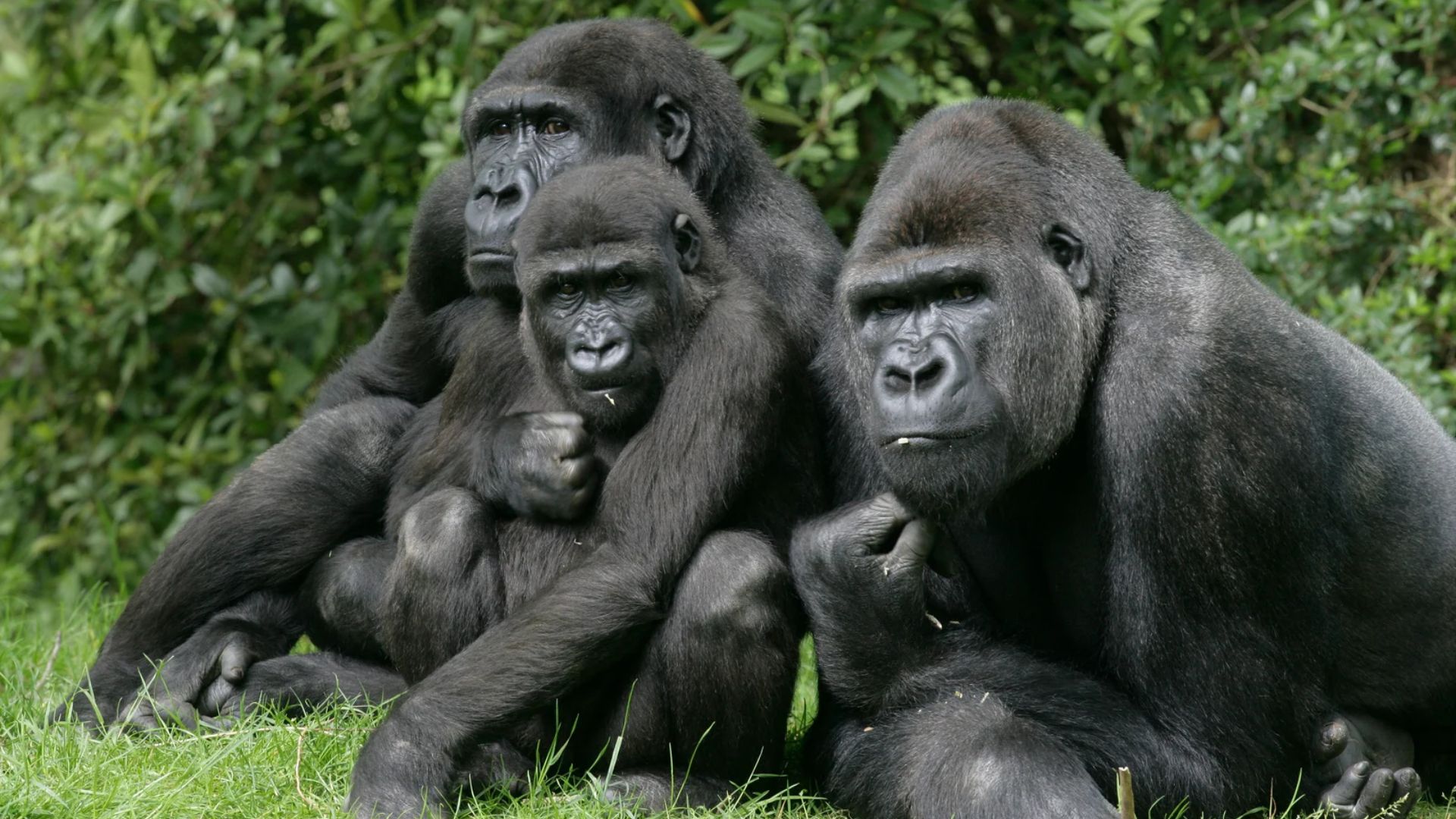
Mountain gorillas inhabit high-altitude forests in East Africa, particularly within national parks in the Democratic Republic of Congo, Rwanda, and Uganda. Their wild population is estimated at 1,063 individuals, and the species is currently classified as Endangered.
In addition to habitat loss and civil unrest, mountain gorillas risk being injured by illegal snares set to capture other wildlife. Their DNA is 98% similar to that of humans, making them vulnerable to diseases transmitted by people. Despite these threats, their population has shown signs of recovery thanks to local and international conservation efforts.
3. Sunda Tiger
The Sunda tiger, also known as the Sumatran tiger, is the world's smallest tiger subspecies, weighing up to 140 kilograms. It is found exclusively on the Indonesian island of Sumatra.
Forest loss driven by development and population growth is steadily reducing its habitat. As a result, encounters with humans and human-tiger conflicts could become more frequent. Poaching and the illegal trade in tiger parts also pose serious threats to its survival.
2. Amur Leopard
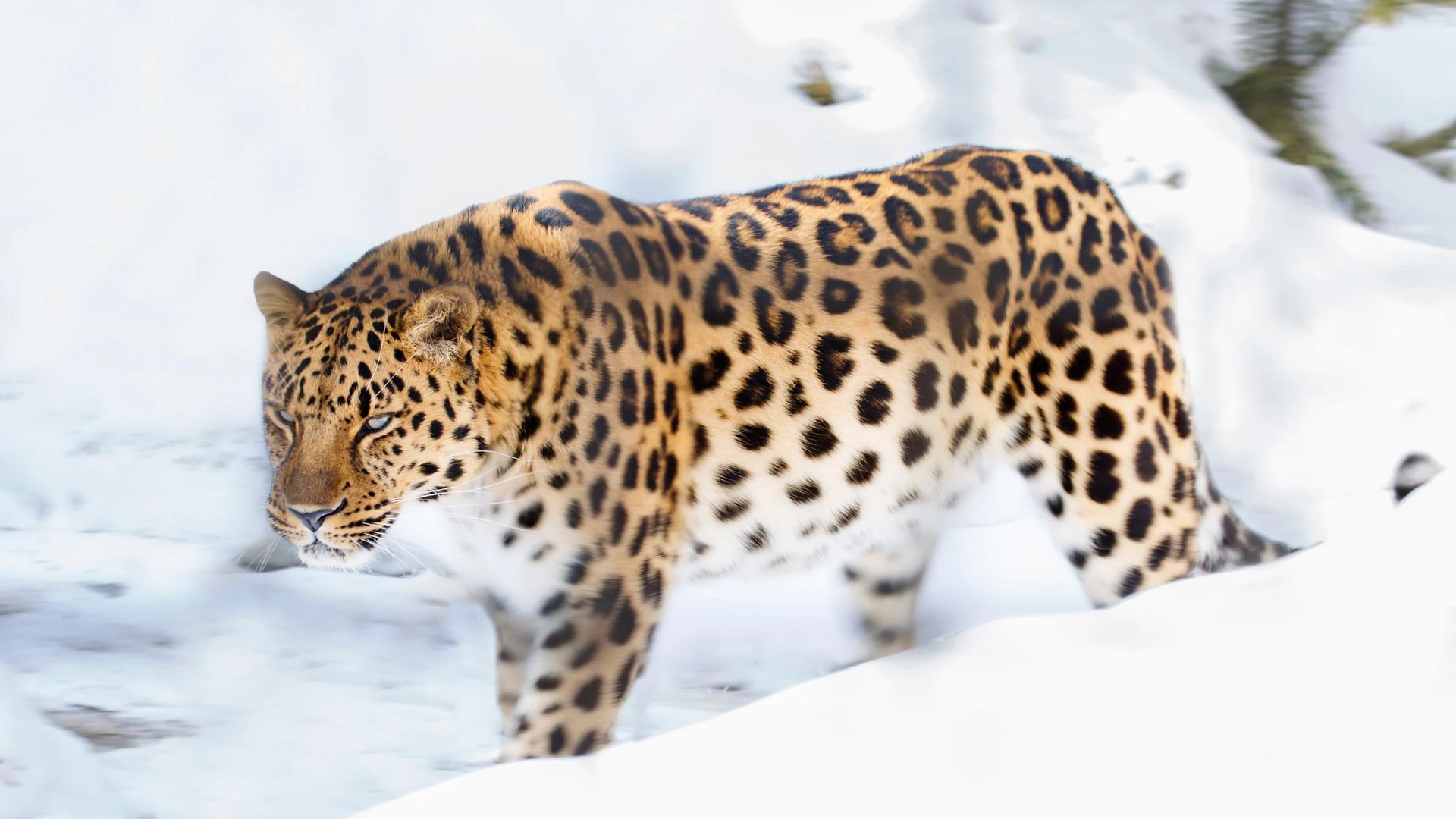
The Amur leopard is one of the world's rarest big cats. Only around 130 individuals are estimated to remain in the wild, with their habitat limited to Russia's Far East and northeastern China.
Habitat loss, declining prey populations, and road development threaten their survival. Although their population appears to be stable and increasing, the subspecies remains Critically Endangered. Around 90% of its current range is now covered by protected areas.
1. Sunda Pangolin
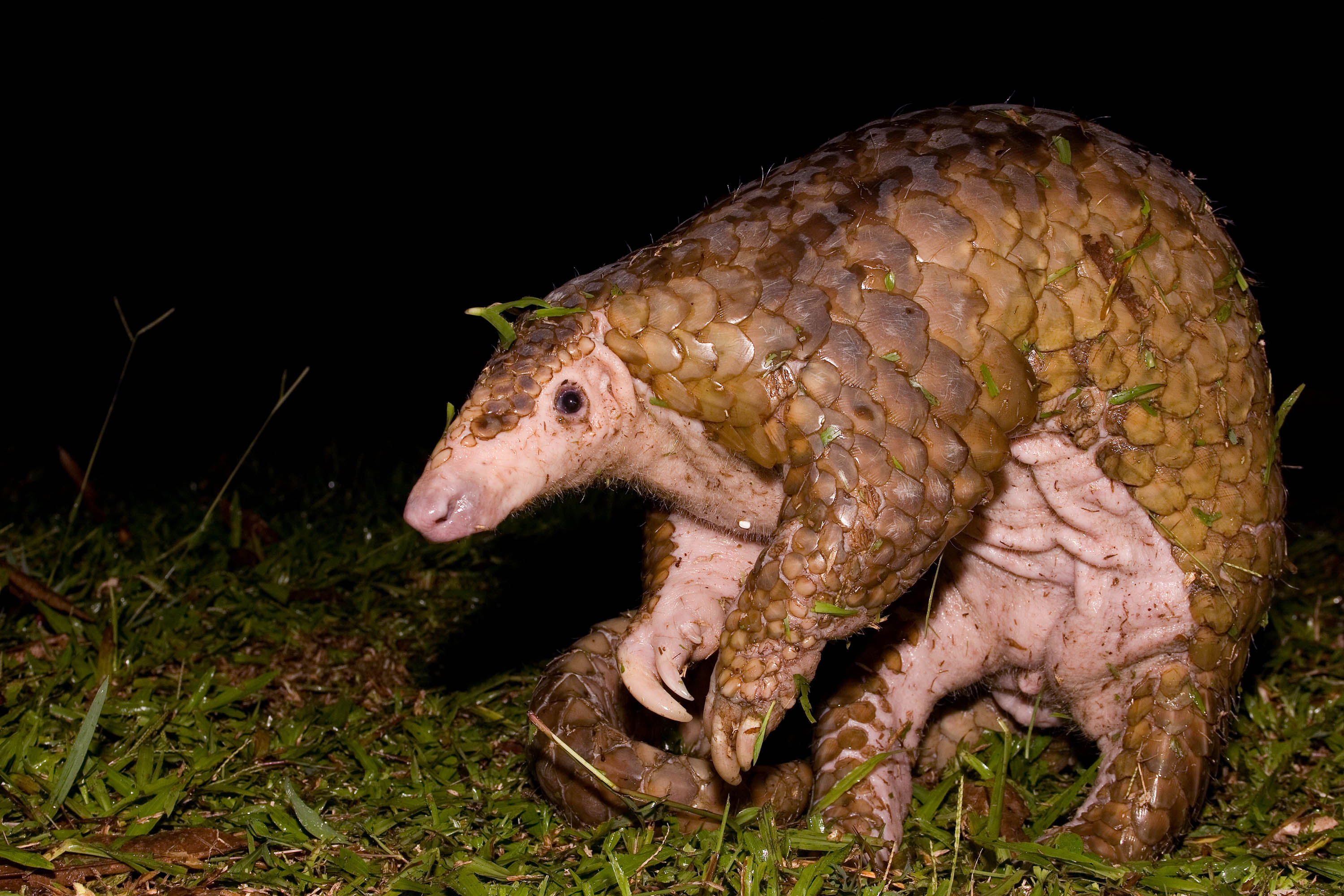
The Sunda pangolin inhabits forests across Southeast Asia and is primarily active at night. It is heavily targeted by hunters because its meat is considered a luxury food in some countries, while its scales are used as ingredients in traditional medicines.
International trade in all pangolin species has been banned. However, large-scale seizures continue, including shipments involving thousands of animals. Ongoing poaching and illegal trade have made the Sunda pangolin increasingly rare across much of its former range.


