In Nagasaki Prefecture, Japan, lies an uninhabited island named Hashima Island. The island is located about 15 kilometers from the center of Nagasaki City. Its area spans around 6.3 hectares or 0.063 square kilometers.
A seawall surrounds the edges of the island. Abandoned concrete buildings stand within the island area. Hashima Island is one of 505 uninhabited islands in Nagasaki Prefecture.
Before becoming empty, the island was inhabited as an undersea coal mining area. Continuous habitation lasted from 1887 to 1974. Extraction activities in the area operated during the industrialization of Japan.
Why Is Hashima Island Nicknamed Battleship Island?
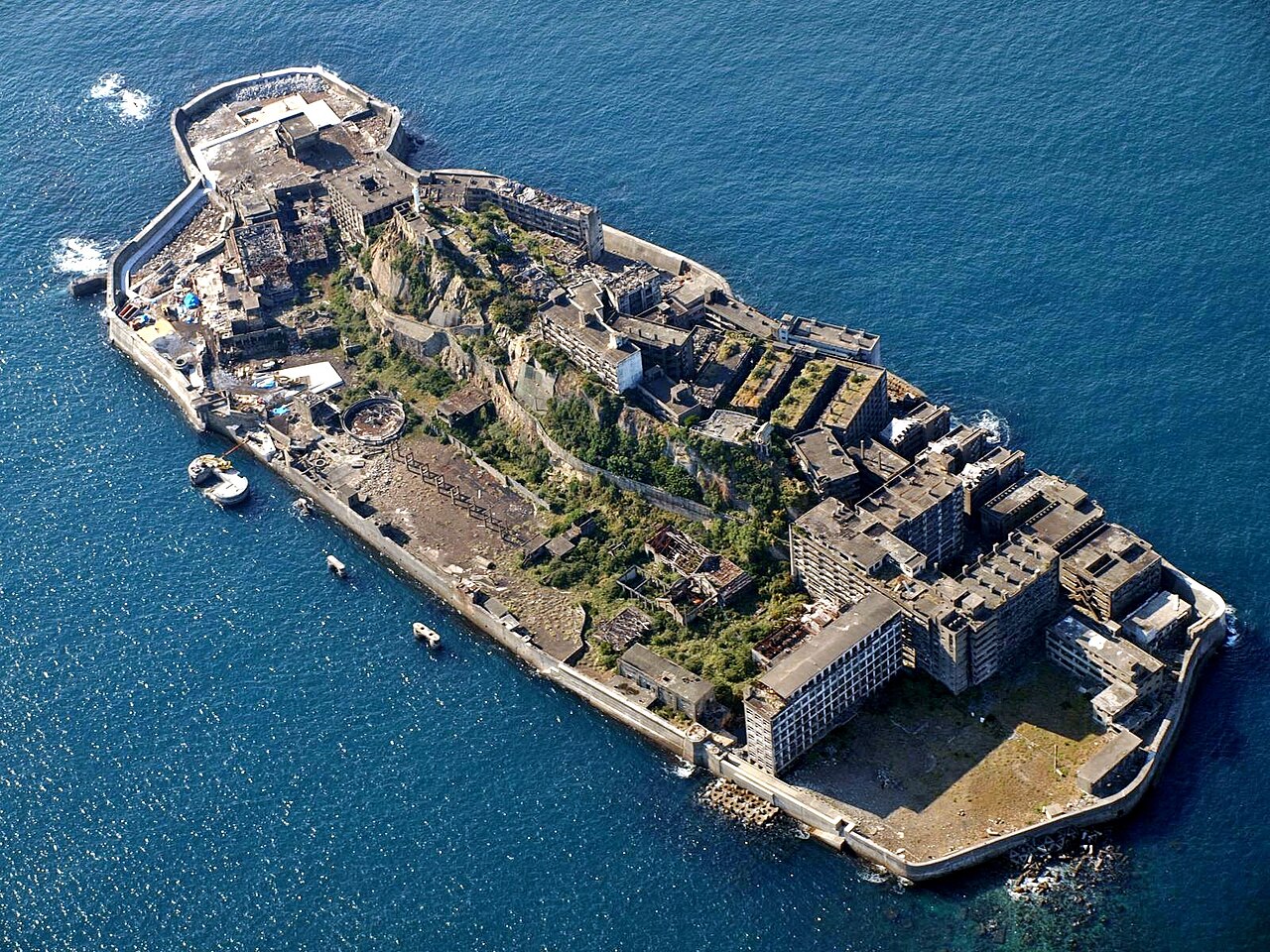
Japanese people know Hashima Island as Gunkanjima, which means Battleship Island. The nickname came from the island's resemblance from a distance to the Japanese battleship Tosa. Notable physical features on the island include the surrounding seawall and the concrete buildings inside.
Coal reserves on the island were discovered around 1810. Mitsubishi Goshi Kaisha bought the island in 1890 to begin undersea coal extraction. Besides starting mining operations, the company built seawalls and carried out land reclamation that tripled the size of the island.
Mining operations on Hashima Island relied on four main mine-shafts reaching up to one kilometer deep. One of the shafts connected to neighboring Nakano Island. Between 1891 and 1974, around 15.7 million tons of coal were excavated from mines with temperatures of 30 degrees Celsius and 95 percent humidity.
Once Inhabited by More Than 5,000 People
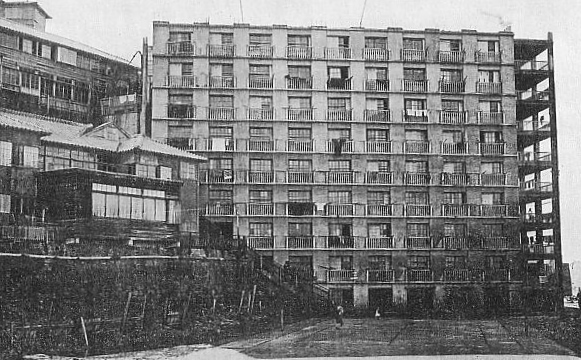
To accommodate the growing number of mine workers, Mitsubishi built a seven-floor reinforced concrete apartment block in 1916. The structure was recorded as Japan's first large reinforced concrete building. Concrete was specifically chosen to protect the building from typhoon destruction.
Over the next 55 years, more new buildings were constructed on the island. Basic service facilities such as a school and a hospital were built to support the workers and their families. Besides basic services, the management also provided entertainment facilities ranging from a cinema to a communal bath for the workers and their families.
The population of Hashima Island reached its peak of 5,259 people in 1959. Population density across the entire island at the time hit 835 people per hectare or 83,634 people per square kilometer. Density in the residential area reached 1,391 people per hectare.
Abandoned in 1974 After Mining Operations Ended
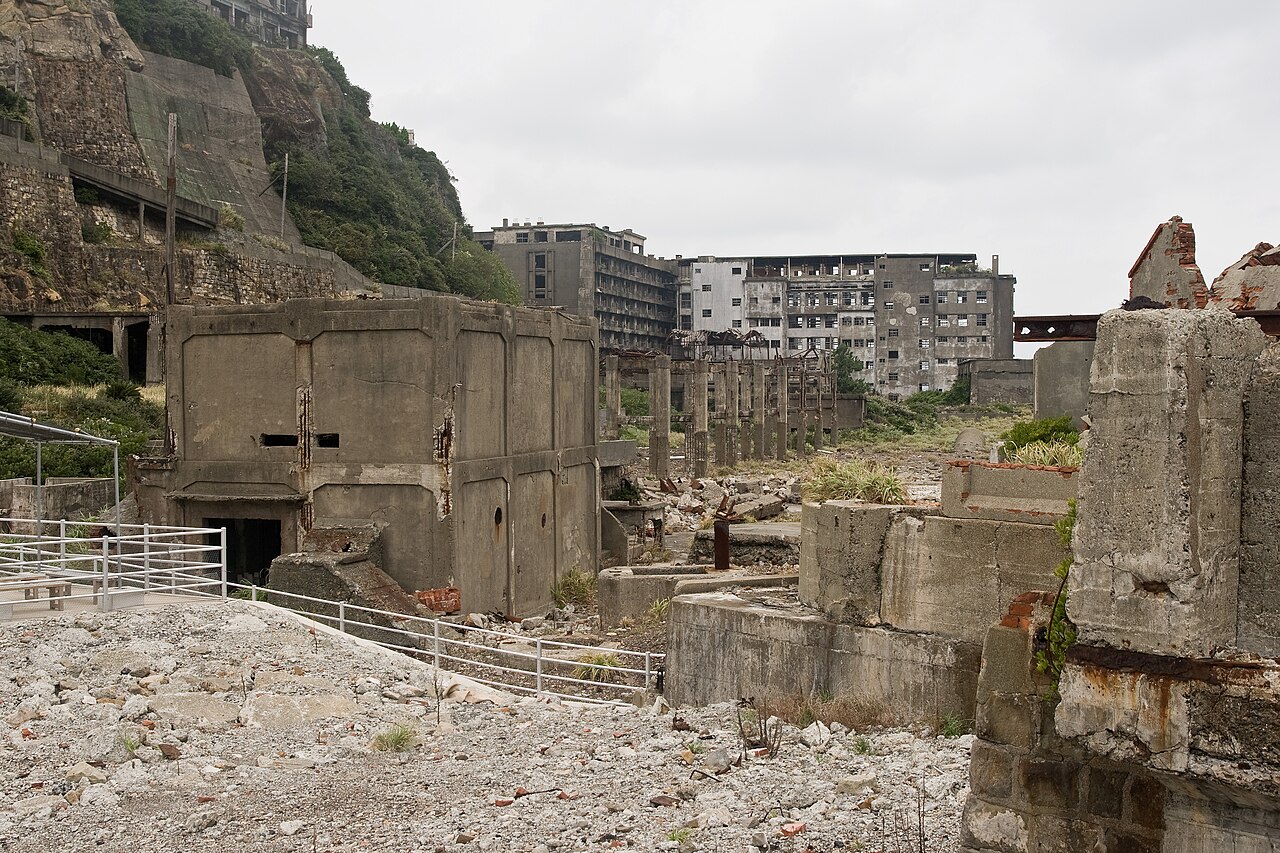
Entering the 1960s, petroleum began replacing coal in Japan. The shift caused many coal mines across Japan to shut down. Mitsubishi officially closed the mine on Hashima Island in January 1974.
All people departed Hashima Island on April 20, 1974, and the island area became empty. Over the following three decades, the concrete buildings on the island remained empty without maintenance. Damage from typhoons caused several buildings to collapse.
Ownership of the island transferred from Mitsubishi to Takashima Town in 2002 before the area merged into Nagasaki City administration in 2005. The Nagasaki City government then reopened limited tourist access to Hashima Island on April 22, 2009. Outside the opened tour route, more than 95 percent of the island area remains off-limits to people during tours.
Besides opening for limited tourist visits, the coal mine site on Hashima Island was formally approved as a UNESCO World Heritage Site on July 5, 2015. The designation was part of the Sites of Japan's Meiji Industrial Revolution series.