


Southeast Asia is home to some of the world's richest rainforests, coral reefs, mangroves, and wildlife habitats. But as the region pursues economic growth, urban development, and expanding tourism, protecting these natural assets requires more than drawing boundaries around national parks. UNESCO's Man and the Biosphere (MAB) Programme offers another approach: enabling people and nature to thrive together.
With three new biosphere reserves designated in June 2026, Southeast Asia now has 51 UNESCO Biosphere Reserves across eight countries. From Indonesia's tropical rainforests to Timor-Leste's Coral Triangle coastline, these landscapes are becoming important examples of how conservation, scientific research, and sustainable livelihoods can work together.
A New Conservation Model: Where People and Nature Thrive Together
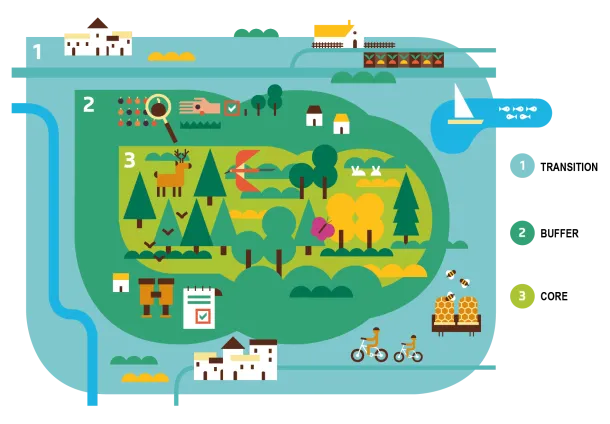
Established in 1971, UNESCO's MAB Programme promotes a more integrated relationship between people and the environment. Its biosphere reserves function as living laboratories, where governments, researchers, businesses, and local communities develop practical solutions to biodiversity loss and sustainable development.
Unlike conventional protected areas that primarily focus on restricting human activities, biosphere reserves operate through three interconnected zones. Core areas provide strict protection for important ecosystems and wildlife. Buffer zones support activities such as environmental education, scientific research, and responsible tourism. Transition areas allow communities to live and work through sustainable agriculture, fisheries, agroforestry, and other environmentally responsible businesses.
The model connects three essential functions: biodiversity conservation, research and education and sustainable economic development.
51 Biosphere Reserves: Southeast Asia's Growing Green Network
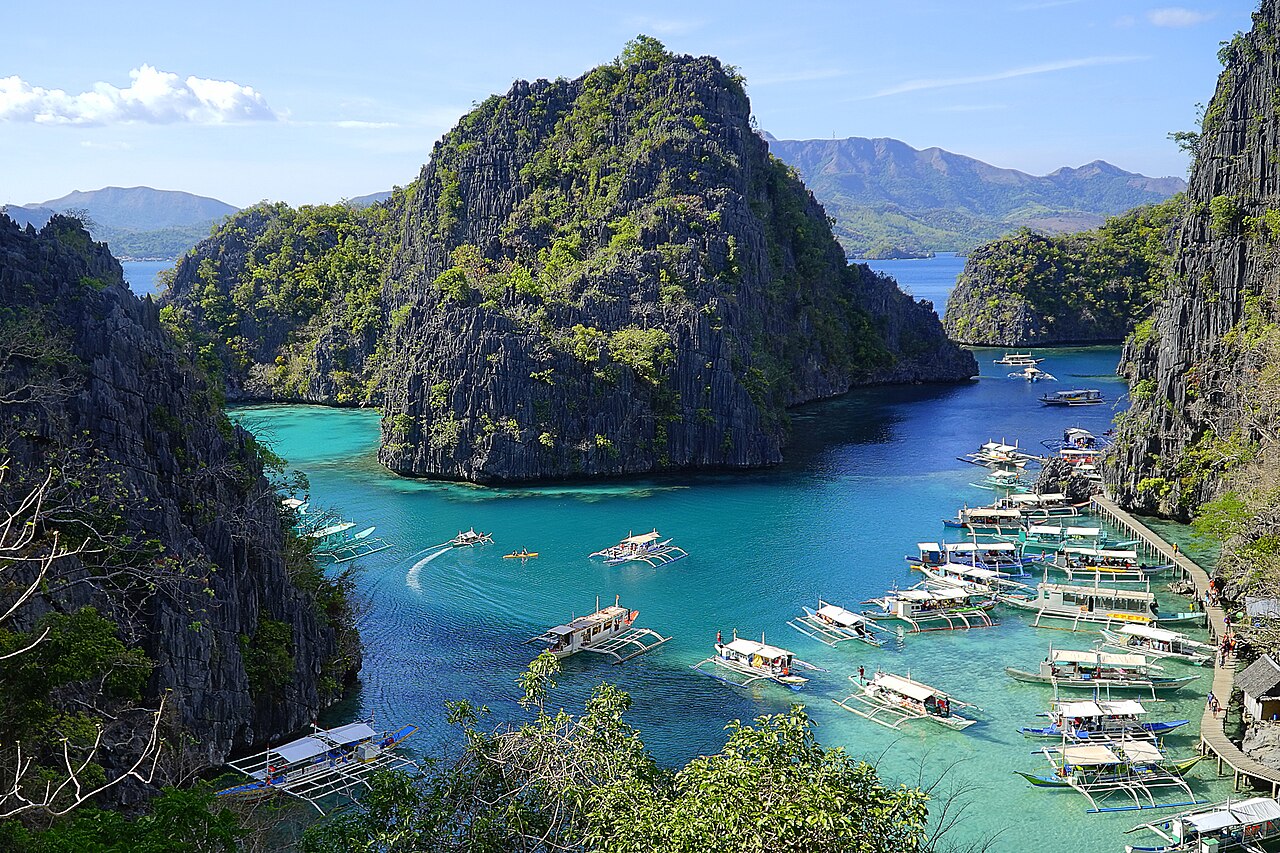
Indonesia leads the region with 21 biosphere reserves, including Komodo, Gunung Leuser, Raja Ampat, Wakatobi, and Tanjung Puting. Vietnam follows with 12, featuring Can Gio Mangrove, Cat Ba, Langbiang, and the newly designated Phong Nha–Ke Bang.
Thailand and the Philippines each have five reserves. Thailand's examples include Ranong and Doi Chiang Dao, while the Philippines features Palawan, Albay, and the newly recognised Matibay na Bayan ng Sablayan. Malaysia has four, including Crocker Range, Penang Hill, Kinabatangan, and Tasik Chini. Myanmar has two, Inlay Lake and Indawgyi, while Cambodia has one, Tonlé Sap.
Timor-Leste joined the network in 2026 with Nino Konis Santana, bringing the regional total to 51 across eight countries.
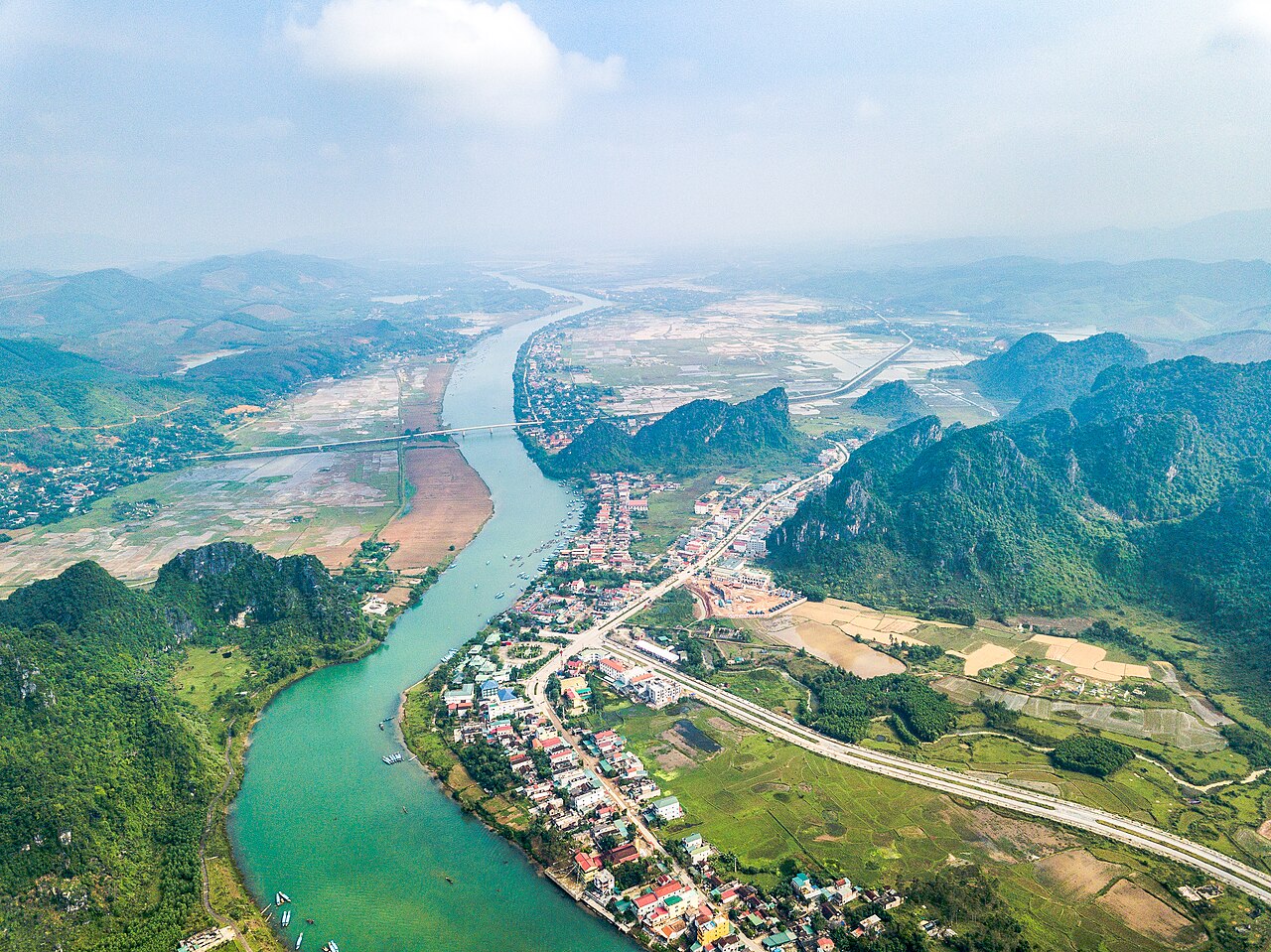
The newest additions demonstrate the region's ecological diversity. Nino Konis Santana in Timor-Leste connects tropical forests, wetlands, coral reefs, seagrass meadows, and traditional cultural landscapes. Phong Nha–Ke Bang in Vietnam encompasses 515,830 hectares of limestone mountains, ancient caves, and tropical forests. Meanwhile, Matibay na Bayan ng Sablayan in the Philippines strengthens recognition of the relationship between mountain forests and marine ecosystems.
Maki Katsuno-Hayashikawa, Director of UNESCO's Regional Office in Jakarta and Representative to Timor-Leste, described the country's first designation as a reflection of its commitment to protecting natural heritage while ensuring communities can thrive alongside it.
Turning Conservation into Community Opportunities
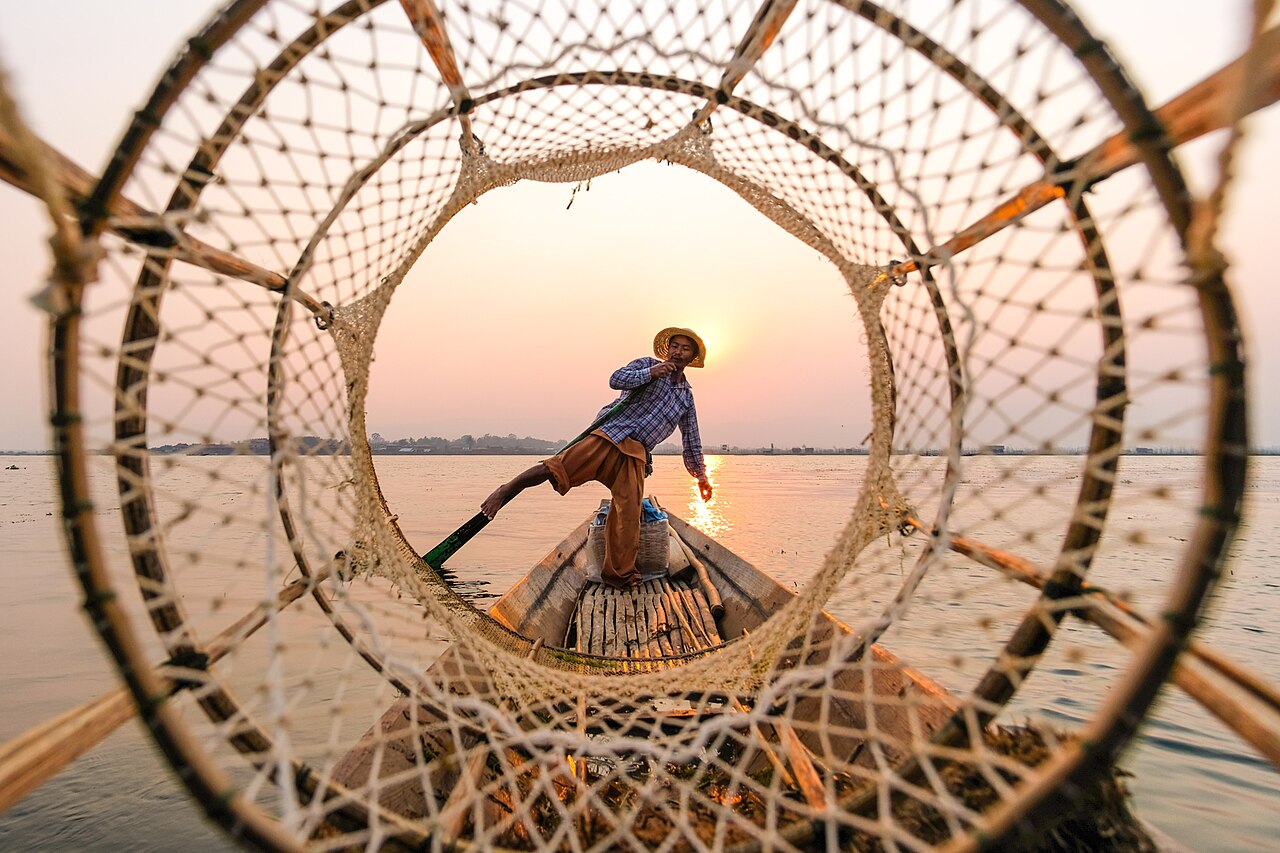
Beyond protecting wildlife, biosphere reserves can create economic opportunities for communities living within their transition zones. Sustainable tourism, specialty agricultural products, fisheries, and forest-based enterprises can generate income while encouraging responsible resource management.
Indonesia offers an interesting example through the Menoreh area of the Merapi Merbabu Menoreh Biosphere Reserve in Yogyakarta. In Jatimulyo Village, a bird-friendly conservation initiative introduced a nest adoption scheme that protects rare songbirds while generating income through ecotourism. Former bird trappers have also been encouraged to become conservation advocates, demonstrating how environmental protection can create alternative livelihoods.
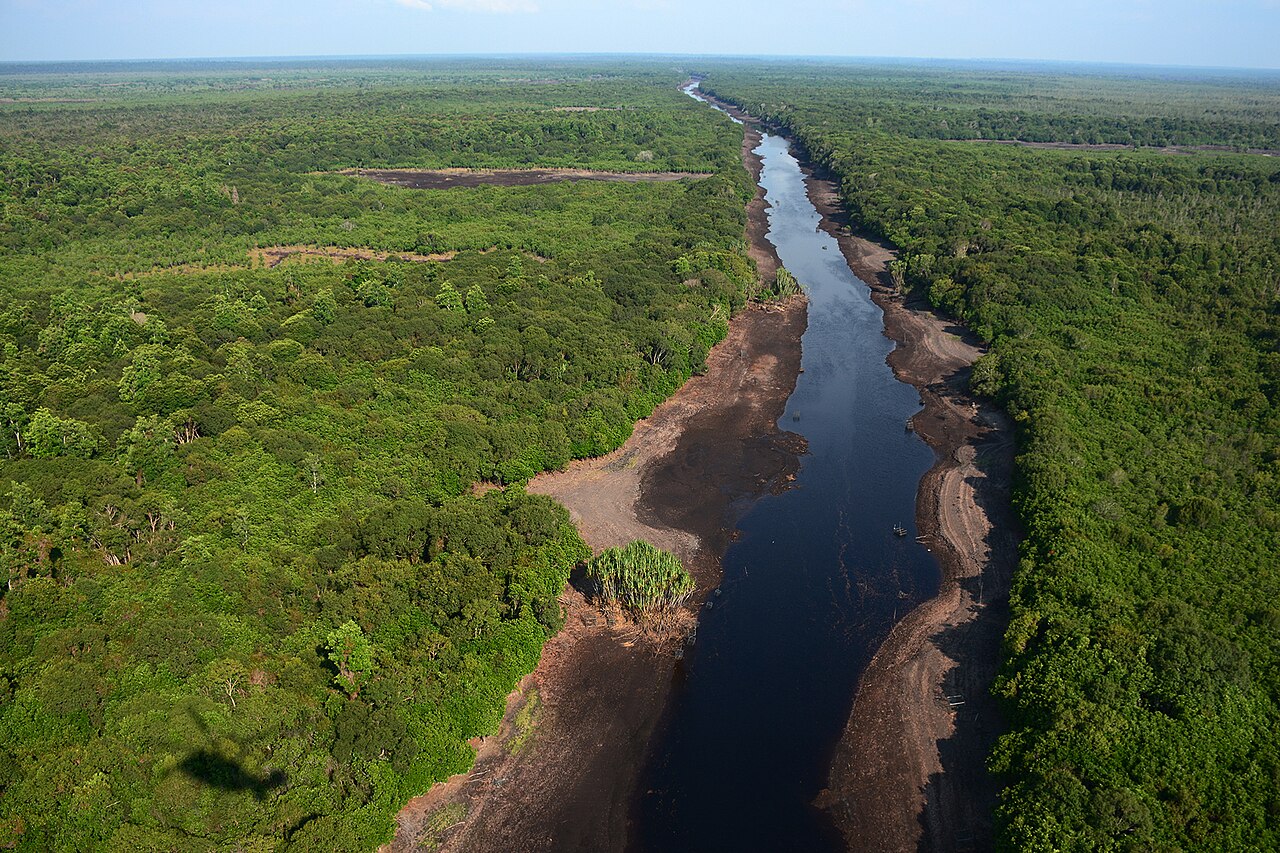
Another example is the Giam Siak Kecil–Bukit Batu Biosphere Reserve (GSK-BR) in Riau, Sumatra. Covering approximately 705,000 hectares, the landscape contains important peatland ecosystems and habitats for Sumatran elephants and tigers. Its peatlands also store substantial carbon, making their protection relevant to Indonesia's climate commitments.
Former Indonesian Foreign Minister Retno L.P. Marsudi highlighted the economic and environmental benefits of the programme, saying that the inclusion of Belambangan in UNESCO's network was expected to support conservation and research while promoting sustainable development for local communities.
Overcoming Challenges in a Changing Climate
Despite their potential, biosphere reserves face considerable challenges. Infrastructure expansion, mining, agricultural land conversion, illegal logging, and unsustainable tourism can undermine conservation objectives, particularly when development activities extend into sensitive ecosystems.
Climate change adds another layer of pressure. Rising sea temperatures threaten coral reefs in Raja Ampat and Wakatobi, while coastal mangroves face increasing risks from sea-level rise and extreme weather. Meanwhile, forest fires and peatland degradation remain concerns in parts of Sumatra.
Recognition by UNESCO does not automatically guarantee adequate funding or effective enforcement. Successful management requires sustained government support, scientific monitoring, community participation, and cooperation between different levels of administration.
Professor Purwanto, Chair of Indonesia's National Committee for the Man and the Biosphere Programme, emphasised the need to strengthen management arrangements, stating, "It is also necessary to revitalize the GSK-BR, with a task force needed in each zone." His observation highlights why international recognition must be accompanied by practical management and accountability.
SeaBRnet: Building a Regional Conservation Partnership
Environmental challenges do not stop at national borders. Shared rivers, migratory species, marine ecosystems, and interconnected forests require cooperation beyond individual conservation sites.
Established in 1998, the Southeast Asian Biosphere Reserve Network (SeaBRnet) provides a platform for participating countries to exchange scientific knowledge, management experiences, and sustainable development practices. Coordinated by UNESCO's Regional Office in Jakarta, the network connects 51 biosphere reserves across eight countries.
Its activities include technical consultations, capacity-building workshops, research collaboration, and discussions on community-based economic development. One recent initiative brought more than 100 regional stakeholders together to explore bioprospecting and the development of biodiversity-based products.
Looking towards 2030, biosphere reserves also have an important role in supporting the Kunming-Montreal Global Biodiversity Framework, particularly its ambition to conserve 30% of the world's land and oceans.
A Greener Future Starts with Local Communities
Southeast Asia's 51 biosphere reserves represent more than international environmental recognition. They demonstrate how conservation can become part of everyday economic and social life, from farmers and fishers to researchers, entrepreneurs, and tourism operators.
As the region continues to develop, the challenge is to ensure that economic progress does not come at the expense of its natural heritage. Ultimately, the success of UNESCO's MAB Programme will depend not only on the landscapes it protects but also on the communities it empowers to build a more sustainable future.


