

Brunei Darussalam
The Land of Unexpected Treasures
Search
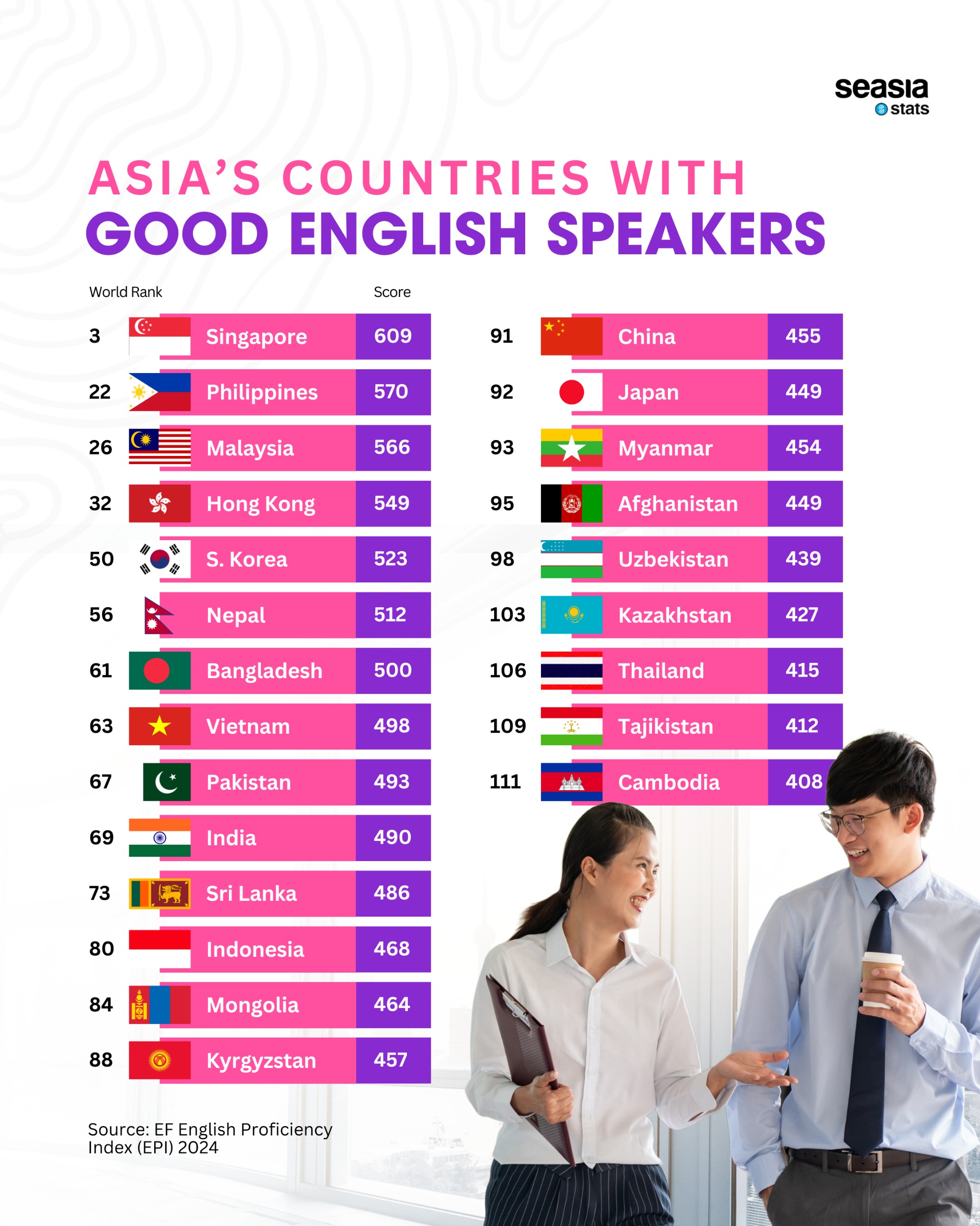
As globalization accelerates, English proficiency has become a key asset for individuals and economies across Asia. Whether in business, education, or international relations, strong English skills provide numerous advantages.
Asian countries with high English proficiency tend to be more competitive in global markets. Nations like Singapore, Malaysia, and the Philippines have leveraged English to attract multinational companies, boost tourism, and strengthen trade. Many international businesses require employees who can communicate effectively in English to expand their operations across borders.
English is the primary language of higher education, particularly in fields like science, engineering, and medicine. Many top universities in Asia offer English-taught programs to attract international students. Additionally, job seekers with strong English skills often secure higher salaries and better career prospects, especially in industries like IT, finance, and customer service.
With Asia being home to diverse cultures and languages, English serves as a common medium of communication in diplomacy and regional cooperation. Organizations such as ASEAN (Association of Southeast Asian Nations) use English as their working language, ensuring effective collaboration among member states.
The rise of the digital economy, e-commerce, and remote work has made English proficiency even more critical. From freelancing to content creation and global trade, English allows individuals and businesses in Asia to connect with a worldwide audience. Countries like India and the Philippines have capitalized on this trend by becoming global hubs for outsourcing and IT services.
English is the dominant language for research, technology, and scientific advancements. Good English speakers in Asia have better access to knowledge, allowing them to stay ahead in innovation and development. Countries investing in English education can foster more competitive industries and skilled workforces.
In an increasingly interconnected world, English proficiency is a valuable skill that enhances economic growth, education, diplomacy, and technological advancements in Asia. Governments, businesses, and individuals who invest in learning and improving English stand to benefit from greater opportunities in the global landscape.


The Land of Unexpected Treasures

Land of the Khmer

The Emerald of the Equator

The Land of a Million Elephant

Land of Indigenous Malay

The Land of the Golden Pagoda

Pearl of the Orient Seas

The Lion City

Southeast Asia Region

The Land of Smiles

A Nation of the 21st Century

The Land of Blue Dragon

Beyond Southeast Asia