

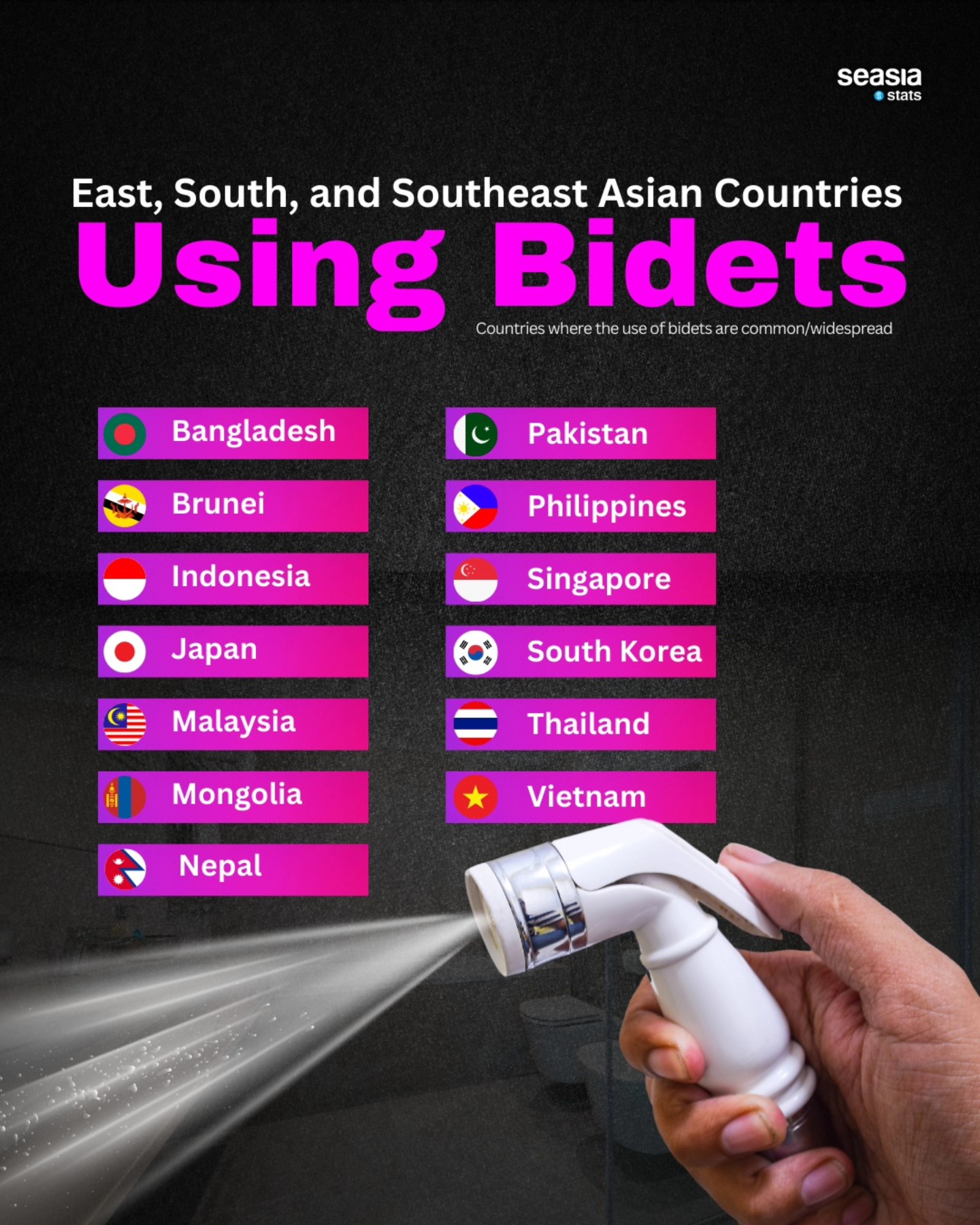
In countries like Indonesia and Malaysia, the use of bidets is deeply rooted in cultural and religious practices. With their predominantly Muslim populations, both nations emphasize cleanliness as an essential aspect of daily life. Islam prescribes the use of water for purification after using the toilet, a practice that has shaped household preferences for bidets or other water-based cleansing methods. This religious obligation highlights the importance of integrating hygiene with spiritual practices.
The widespread use of bidets in these countries goes beyond religion. For many, the preference for water-based cleansing is also a reflection of long-standing cultural habits. Modern bathrooms in urban and rural areas alike commonly include bidets or similar fixtures, demonstrating how tradition and convenience are effectively combined.
Practical Preferences in Thailand and Viet Nam
In Thailand, water-based cleansing methods are widely favored due to both practicality and cultural norms. The hot and humid climate, combined with a strong cultural emphasis on cleanliness, supports the use of bidets or water sprayers. Bathrooms in Thai households and public spaces often include facilities for water-based cleaning, indicating the country’s preference for efficient and hygienic practices.
Similarly, Viet Nam has seen an increase in bidet usage in modern bathrooms. This trend aligns with global standards of hygiene while still respecting traditional practices. The adoption of bidets in Viet Nam reflects a balance between maintaining cultural habits and adapting to contemporary preferences for improved cleanliness.
Modern Hygiene Practices in Singapore
Singapore represents a modern urban environment where hygiene is a priority. The adoption of bidets is widespread, influenced by the country's high standards of cleanliness and public health. Bidets are not only valued for their functional benefits but also for their contribution to personal comfort and well-being.
The use of bidets in Singapore reflects a synthesis of cultural beliefs and modern conveniences. Public awareness campaigns promoting hygiene have further solidified water-based cleaning as a norm, making bidets an essential feature in many Singaporean households.
The Broader Context of Bidet Use in Southeast Asia
The preference for water-based cleaning methods across Southeast Asia underscores the intersection of cultural and religious values with practical hygiene practices. The prevalence of bidets in the region demonstrates how tradition continues to influence modern life, with water remaining a preferred medium for achieving cleanliness.
Whether driven by religious obligations, cultural habits, or contemporary standards, the widespread use of bidets in Southeast Asia highlights the region’s commitment to hygiene. This enduring preference reflects a harmonious blend of tradition and practicality, ensuring that water-based cleaning remains an integral part of daily routines.


