


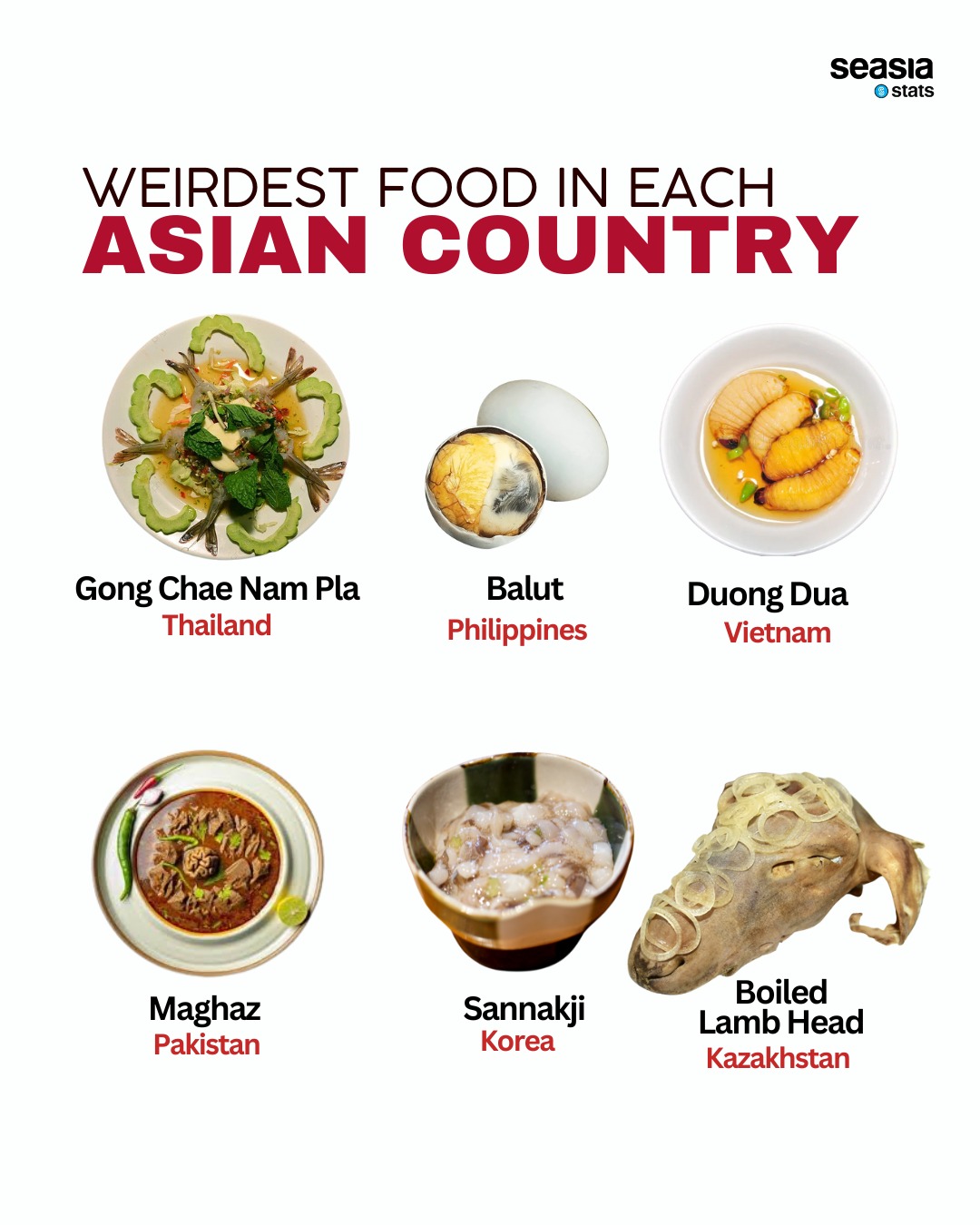
Asia is home to an extraordinary array of flavors, blending comfort and boldness in a fusion of traditional and unusual dishes. While many familiar Asian foods have gained international popularity, others remain niche, testing the limits of adventurous eaters. These daring delicacies highlight the diverse cultures and unique ingredients found across the continent. If you're ready to embark on a gastronomic journey, here are some of Asia's most unusual foods:
China: Century Eggs
Century eggs, also known as preserved eggs, are one of China’s most distinctive and surprising dishes. These eggs are traditionally preserved for weeks or even months in a mixture of clay, ash, salt, quicklime, and rice hulls. The process transforms the egg into a dark green or grayish yolk with a creamy, cheese-like texture. The egg white becomes a dark, translucent jelly with a slightly salty flavor. While the appearance may initially shock unprepared eaters, century eggs are a popular ingredient in various Chinese dishes, often paired with pickled ginger to balance their bold flavor.
Century eggs are a true test of culinary boundaries and are commonly served in salads, soups, or as a side dish. Though the concept of a preserved egg may seem daunting, those willing to embrace the unique flavors find them to be a fascinating part of Chinese cuisine, enjoyed by many for centuries.
India: Jadoh
Jadoh is a traditional Khasi dish from the Meghalaya region of India, offering a daring twist for those seeking something out of the ordinary. This rice and pork dish is notably prepared with pig's blood, which imparts a rich, savory flavor and a deep, dark color to the dish. The combination of rice, pork, and blood creates a hearty meal with a complex taste profile, both comforting and bold. While pig’s blood may sound unusual to some, it is an integral part of the dish and is valued for its unique contribution to its taste and texture.
Often served with a side of chutney or pickle, jadoh is a cultural delicacy in Meghalaya, where it has been passed down through generations. The use of blood as an ingredient is not uncommon in various traditional cuisines around the world, but for many, jadoh stands as a memorable and daring culinary experience.
Indonesia: Rujak Cingur
Rujak Cingur, a Javanese salad, is a flavorful yet daring dish that will challenge even the most adventurous of eaters. This salad includes slices of buffalo or cow’s mouth (cingur), mixed with fresh vegetables, fruits, and a spicy peanut sauce. The cingur offers a chewy texture and a slightly gamey flavor that pairs surprisingly well with the other ingredients, creating a dish with bold and complex flavors. While the thought of eating animal mouth may seem unusual, it is a delicacy cherished by many in Indonesia.
Rujak Cingur is a common street food in Java, and its combination of ingredients reflects the rich diversity of Indonesian cuisine. The dish’s balance of spicy, sweet, and savory elements makes it an unforgettable experience for those willing to embrace its unique components.
Malaysia: Sup Torpedo
Sup Torpedo, a Malaysian soup, is infamous for its use of male goat’s reproductive organs as its star ingredient. The dish is often touted for its alleged aphrodisiac qualities and is typically served in a rich broth with various spices. The soup is said to possess powerful health benefits, especially in promoting vitality and virility, though this belief is steeped in local folklore and tradition. For those with a taste for the unusual, Sup Torpedo offers a rare and challenging culinary experience.
In Malaysia, Sup Torpedo is often enjoyed during special occasions or as part of traditional medicine. Despite its controversial main ingredient, it remains a popular choice among locals who appreciate its unique flavor and cultural significance.
Japan: Shirako
Shirako, a Japanese delicacy, is not for the faint of heart. It consists of the sperm sacs of male cod and is considered a luxurious dish in Japanese cuisine. The soft, creamy texture of shirako, combined with its delicate, slightly sweet flavor, makes it a unique addition to the culinary world. Served in various ways, such as grilled, steamed, or in hot pots, shirako is often enjoyed by those who seek a truly distinct gastronomic experience.
Although the dish may sound strange to those unfamiliar with it, shirako is celebrated in Japan for its smooth texture and delicate taste. Often paired with sake or other traditional beverages, it is a dish that highlights the Japanese appreciation for unusual yet exquisite flavors.
Thailand: Gong Chae Nam Pla
For those seeking a real test of bravery, Thailand's Gong Chae Nam Pla is a true culinary challenge. This Thai salad consists of raw mantis shrimp marinated in fish sauce, lime juice, and chilies. The shrimp, with its crunchy texture and naturally sweet flavor, provides a unique contrast to the sharp, spicy marinade. While the dish is often enjoyed by those with a penchant for raw seafood, the thought of consuming live shrimp can be unsettling for some.
Gong Chae Nam Pla is a beloved dish in Thailand, particularly in coastal regions, where fresh seafood is abundant. The dish’s bold flavors and the crunch of the mantis shrimp make it a refreshing, albeit daring, choice for adventurous eaters.
Philippines: Balut
Balut, one of the Philippines' most iconic street foods, is not for everyone but is certainly a culinary adventure. A fertilized duck or chicken egg, incubated for 14 to 21 days, balut is boiled and eaten in its entirety, including the partially developed embryo. The dish is often enjoyed with a pinch of salt, pepper, and sometimes vinegar, making it a savory snack that is both comforting and controversial.
Though it may seem strange to outsiders, balut is deeply ingrained in Filipino culture. It is commonly sold by street vendors in bustling markets and is enjoyed by many for its rich flavor and nutritional value. For the brave, balut offers a fascinating insight into Filipino culinary traditions.
Pakistan: Maghaz
Maghaz, a traditional dish from Pakistan, features lamb brains cooked in a spicy curry sauce. The brains, with their soft, creamy texture, absorb the rich, aromatic spices, creating a dish that is both savory and indulgent. For those unfamiliar with the concept of eating organ meats, maghaz offers an opportunity to explore a culinary practice that dates back centuries in South Asian cuisine.
In Pakistan, maghaz is considered a delicacy, often served during special occasions or as part of a lavish meal. While it may not appeal to everyone, its inclusion in Pakistani cuisine highlights the use of all parts of the animal in traditional cooking.
Korea: Sannakji
Sannakji, a Korean dish made from live baby octopus, is not for the faint of heart. The octopus is chopped into pieces and served immediately, with the tentacles still wriggling on the plate. The dish offers a truly unique dining experience, as the movement of the octopus pieces creates a sensation of squirming in your mouth. The tender, slightly chewy texture and delicate flavor of the octopus make it a popular dish for those seeking a new adventure in Korean cuisine.
Sannakji is typically enjoyed with a side of sesame oil and salt, and it is often served as part of a larger Korean meal. While it may challenge even the most daring eaters, it is a dish that has been celebrated in Korean culinary culture for its freshness and unique texture.
Viet Nam: Duong Dua
Duong Dua, a Vietnamese dessert, is made from coconut worms harvested from coconut trees. These worms are cleaned and cooked in a variety of ways, resulting in a chewy texture and a sweet, nutty flavor. While the thought of eating worms may seem unappealing, the dish is regarded as a delicacy in certain regions of Vietnam.
Coconut worms are often enjoyed fried, grilled, or as part of a dessert, offering a unique taste experience. The dish’s cultural significance and its rich, unique flavor profile make it a dish that attracts adventurous food lovers from around the world.
Kazakhstan: Sheep’s Head
In Kazakhstan, sheep’s head is a traditional delicacy, where the entire head is boiled and served. The dish is considered a prized part of Kazakh cuisine, with all parts of the head—eyes, ears, and brain—deemed edible. Eating the sheep’s head is often done by hand, with diners carefully selecting the tender meat and offal from the skull.
Sheep’s head is often served during significant gatherings or celebrations, where it is shared among family and friends. While it may seem unusual to those unfamiliar with it, the dish is deeply embedded in Kazakhstan’s cultural and culinary traditions, offering a true test of culinary bravery.


