

Brunei Darussalam
The Land of Unexpected Treasures
Search
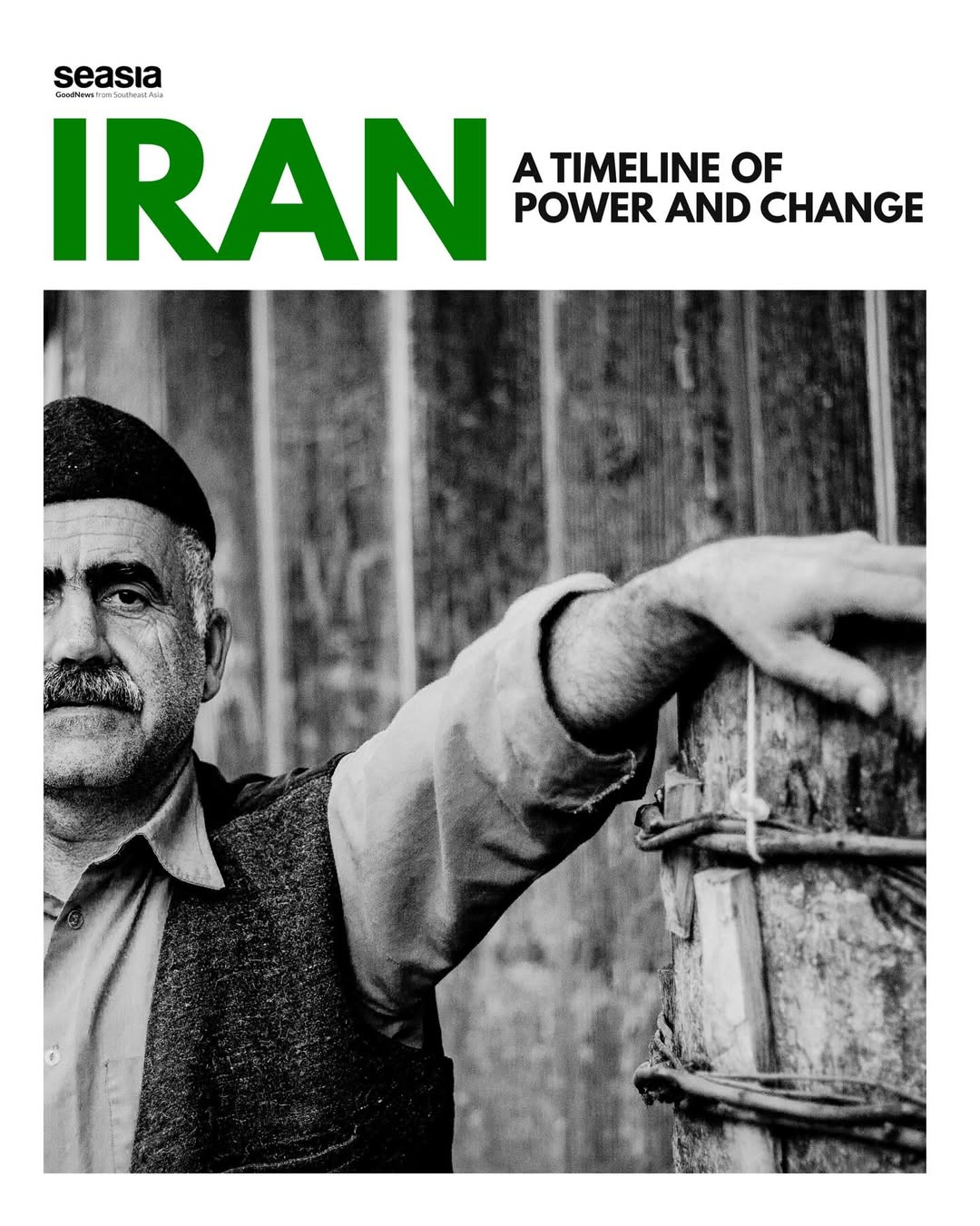
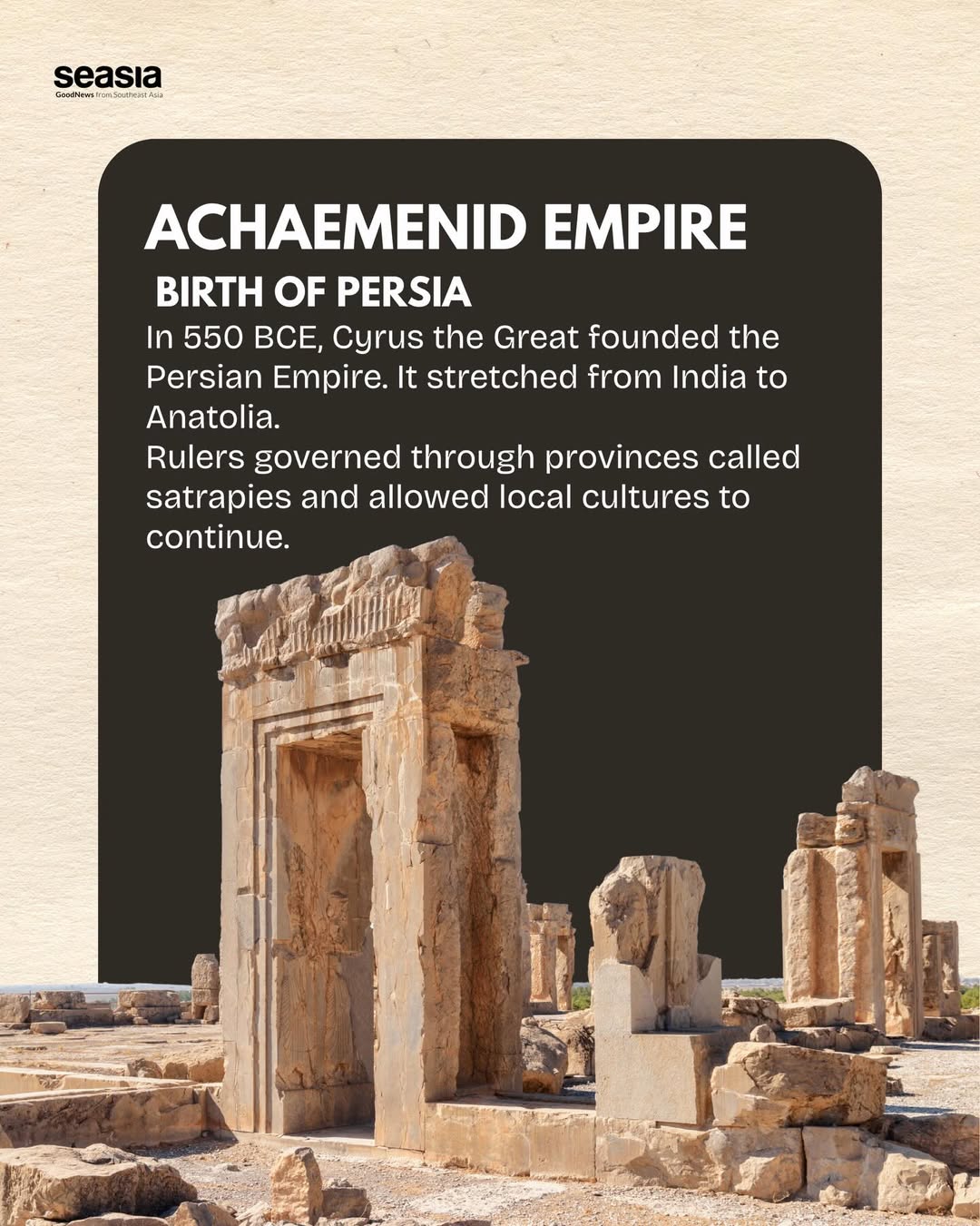
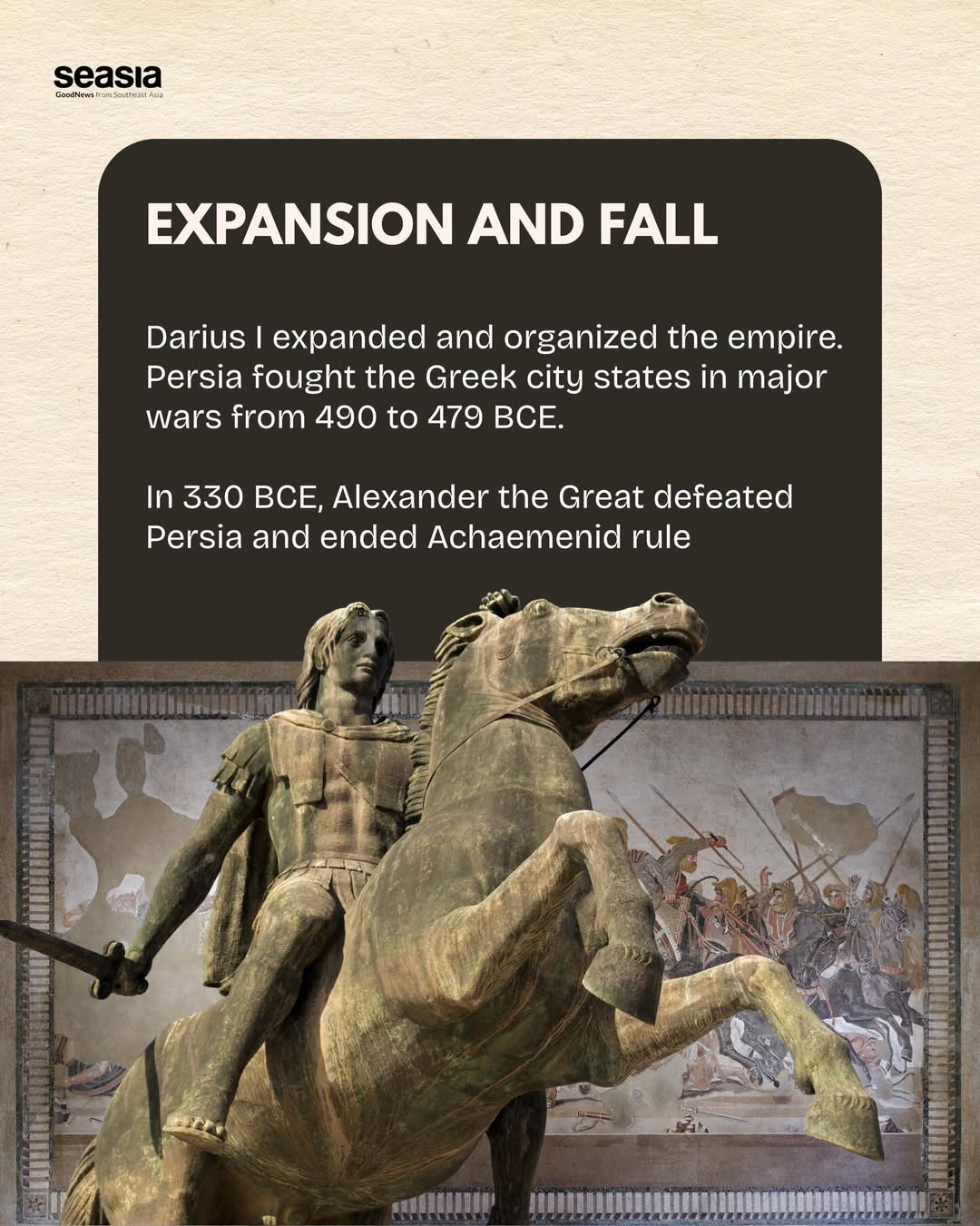
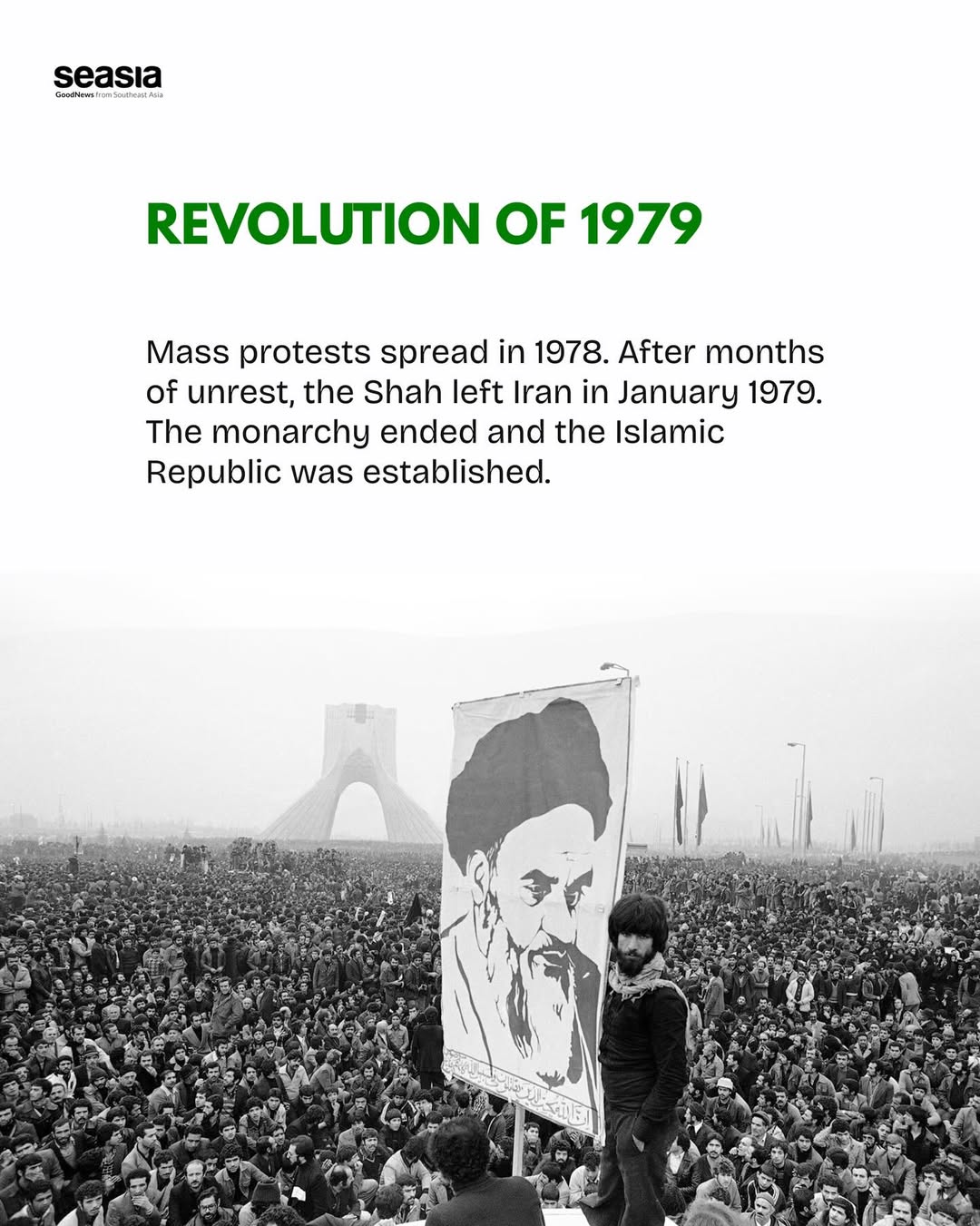
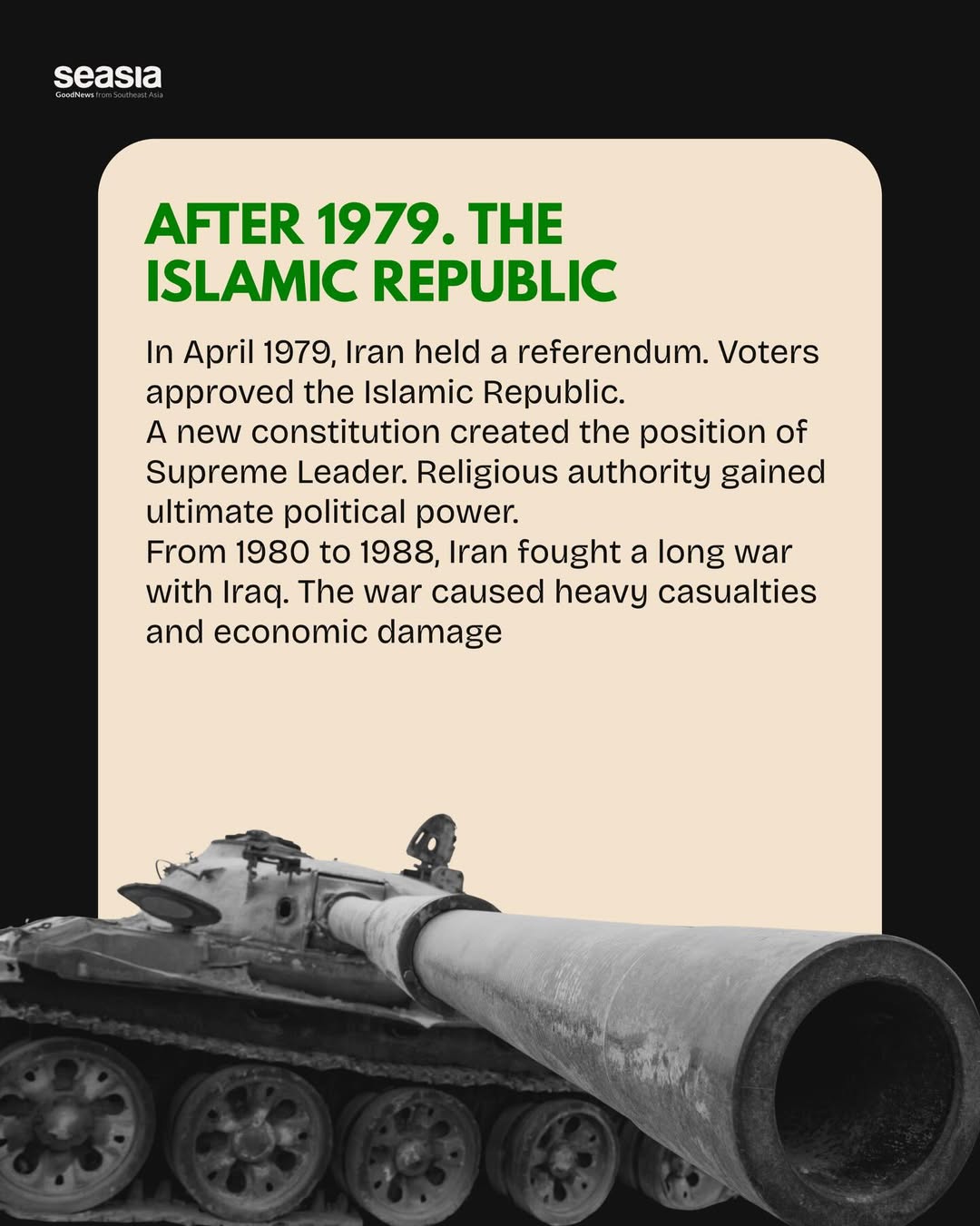

Iran’s history spans more than 2,500 years. In 550 BCE, Cyrus the Great founded the Achaemenid Empire. It became one of the largest empires of the ancient world, stretching from the Indus Valley to Anatolia. Persian rulers built an efficient system of provinces and allowed different cultures and religions to continue.
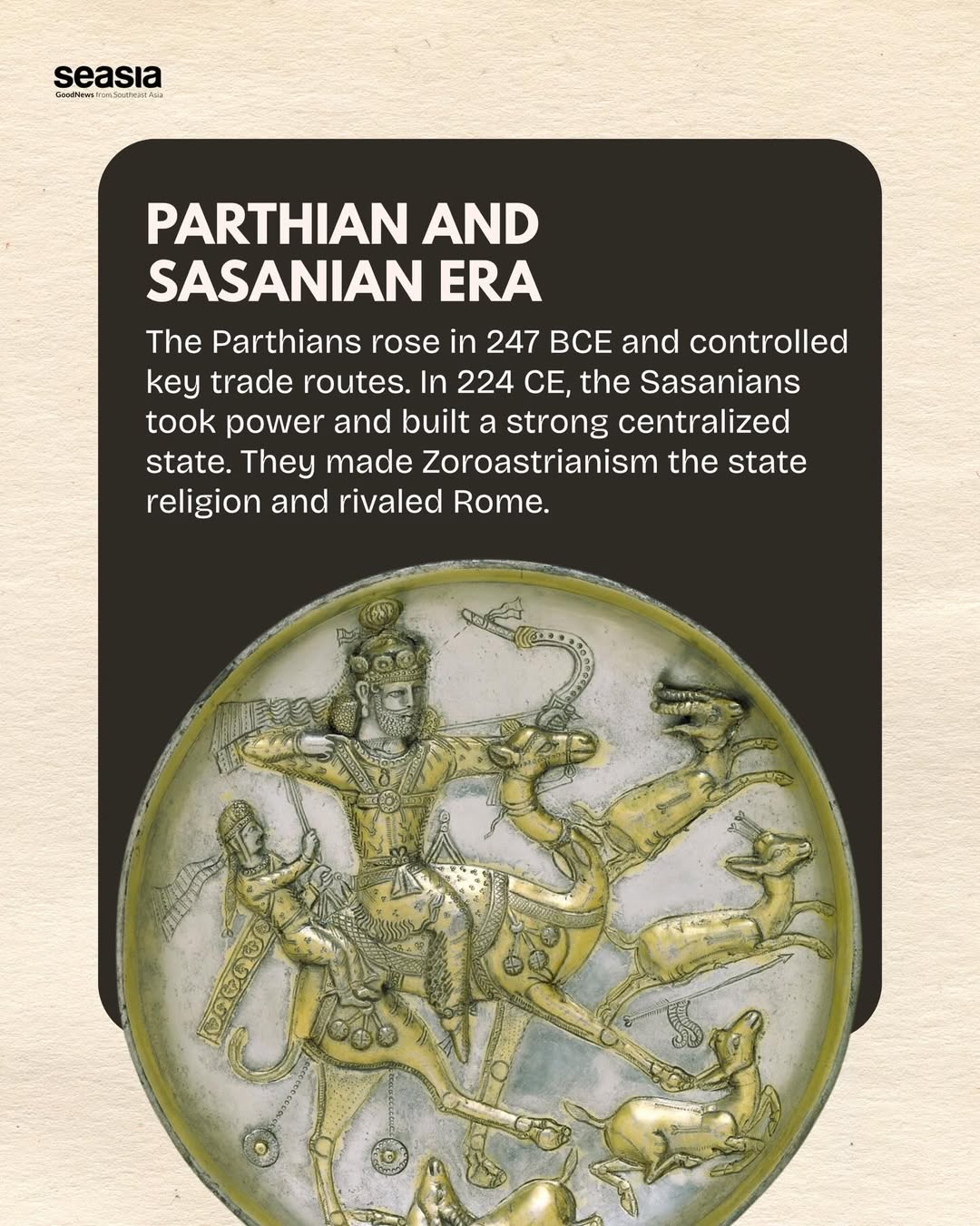
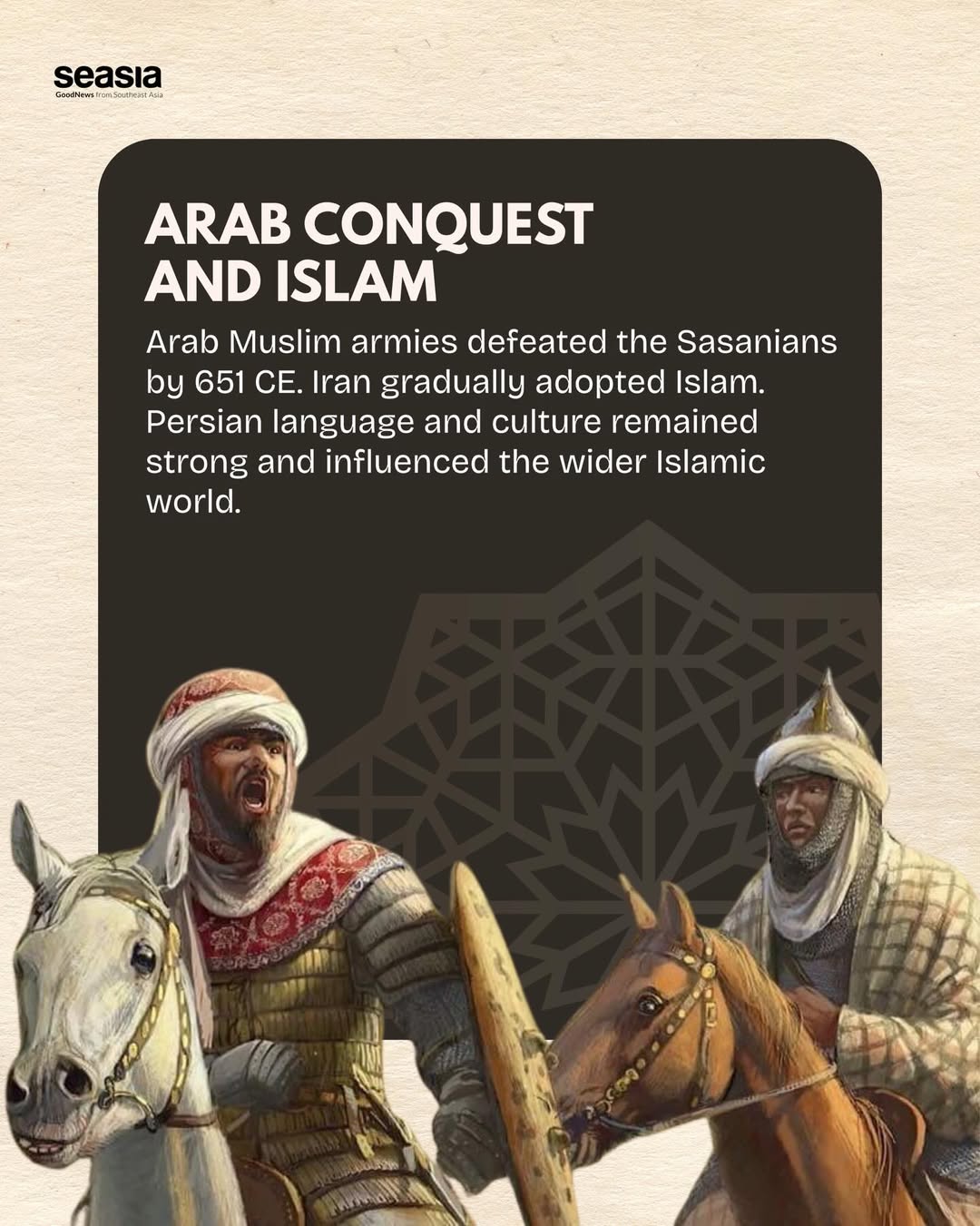
After the fall of the Achaemenids in 330 BCE, new Persian powers emerged. The Parthians controlled major trade routes between East and West. The Sasanians later built a strong centralized state and made Zoroastrianism the state religion. In the 7th century, Arab Muslim armies conquered Persia, and Islam gradually became dominant while Persian culture remained influential.
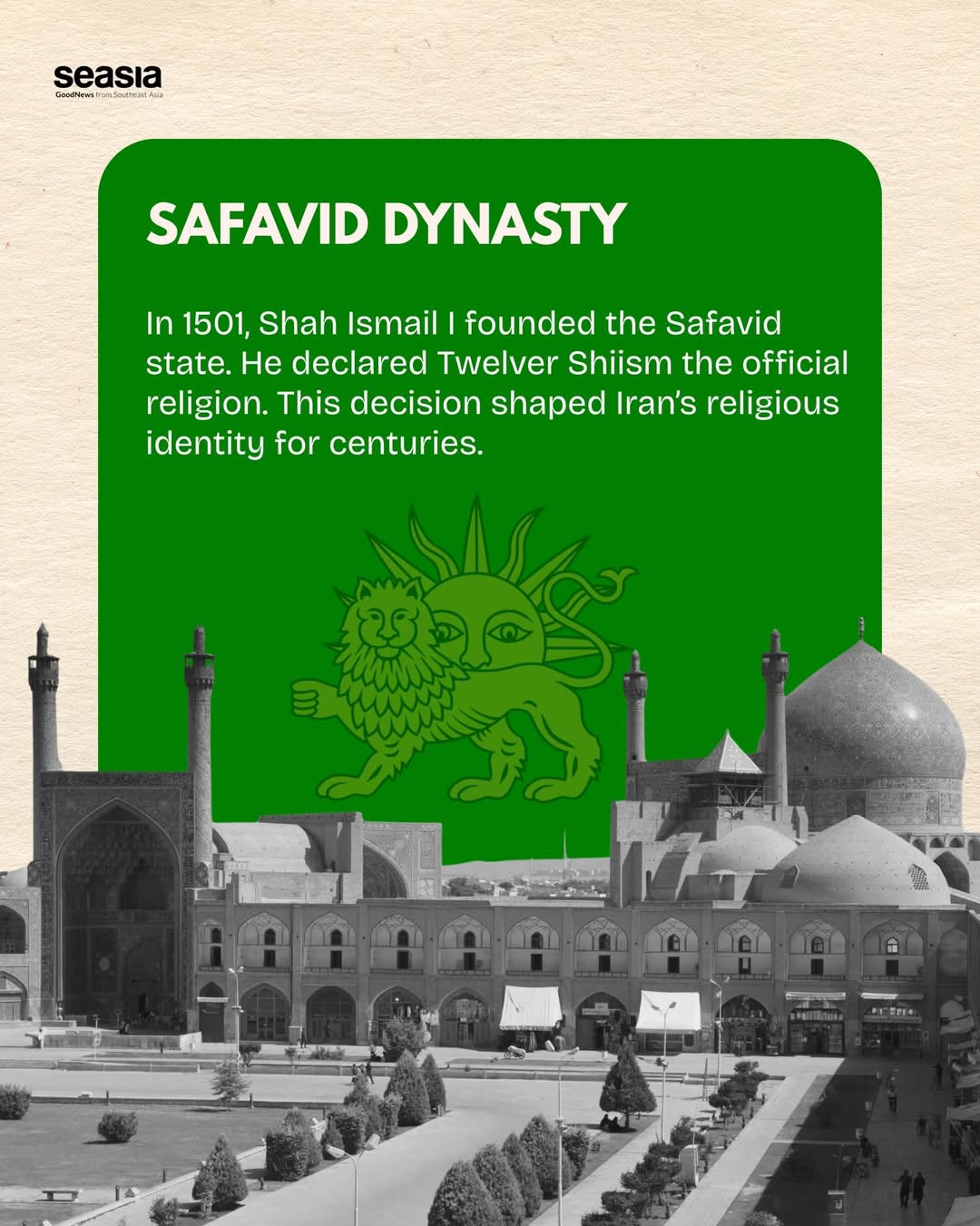
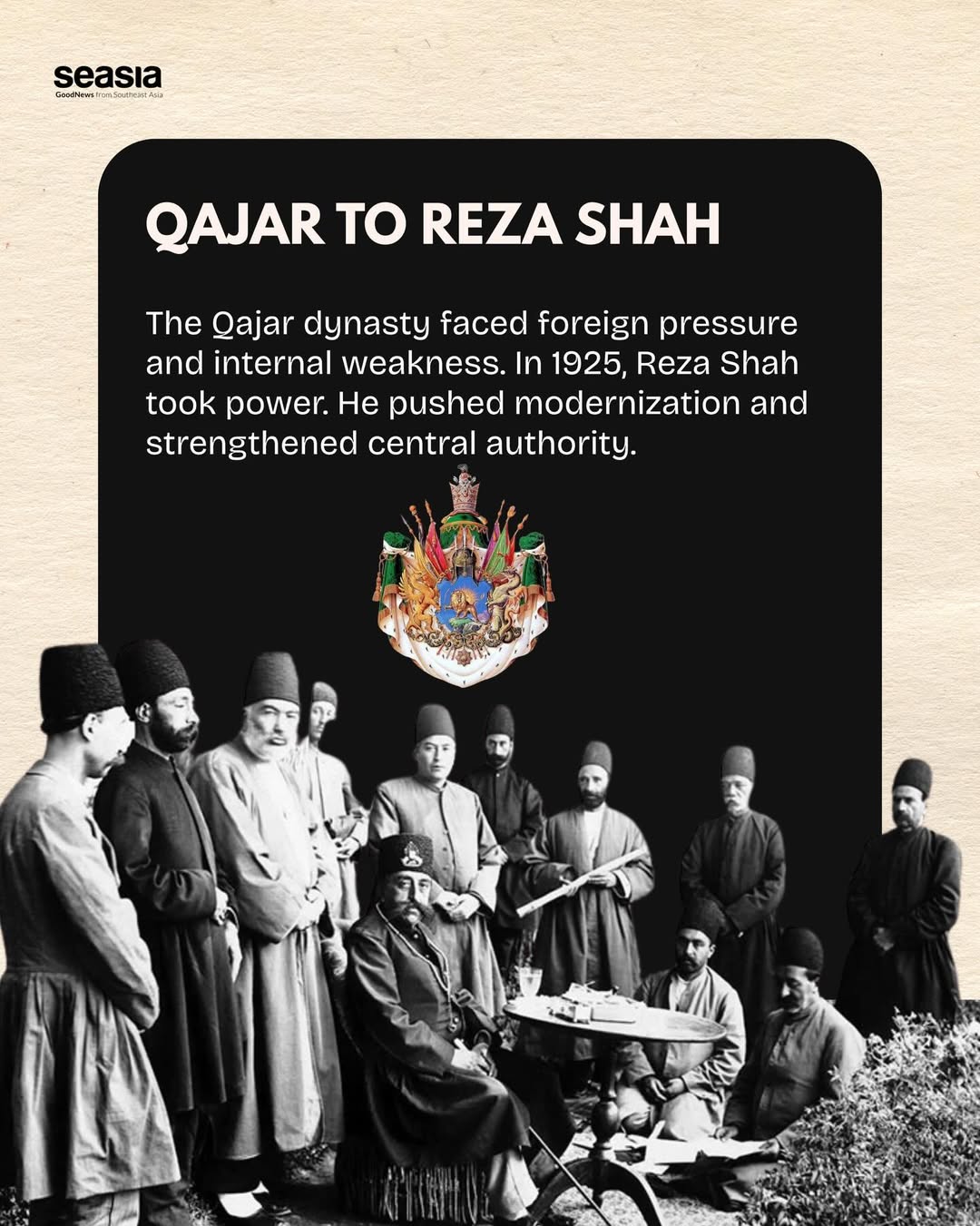
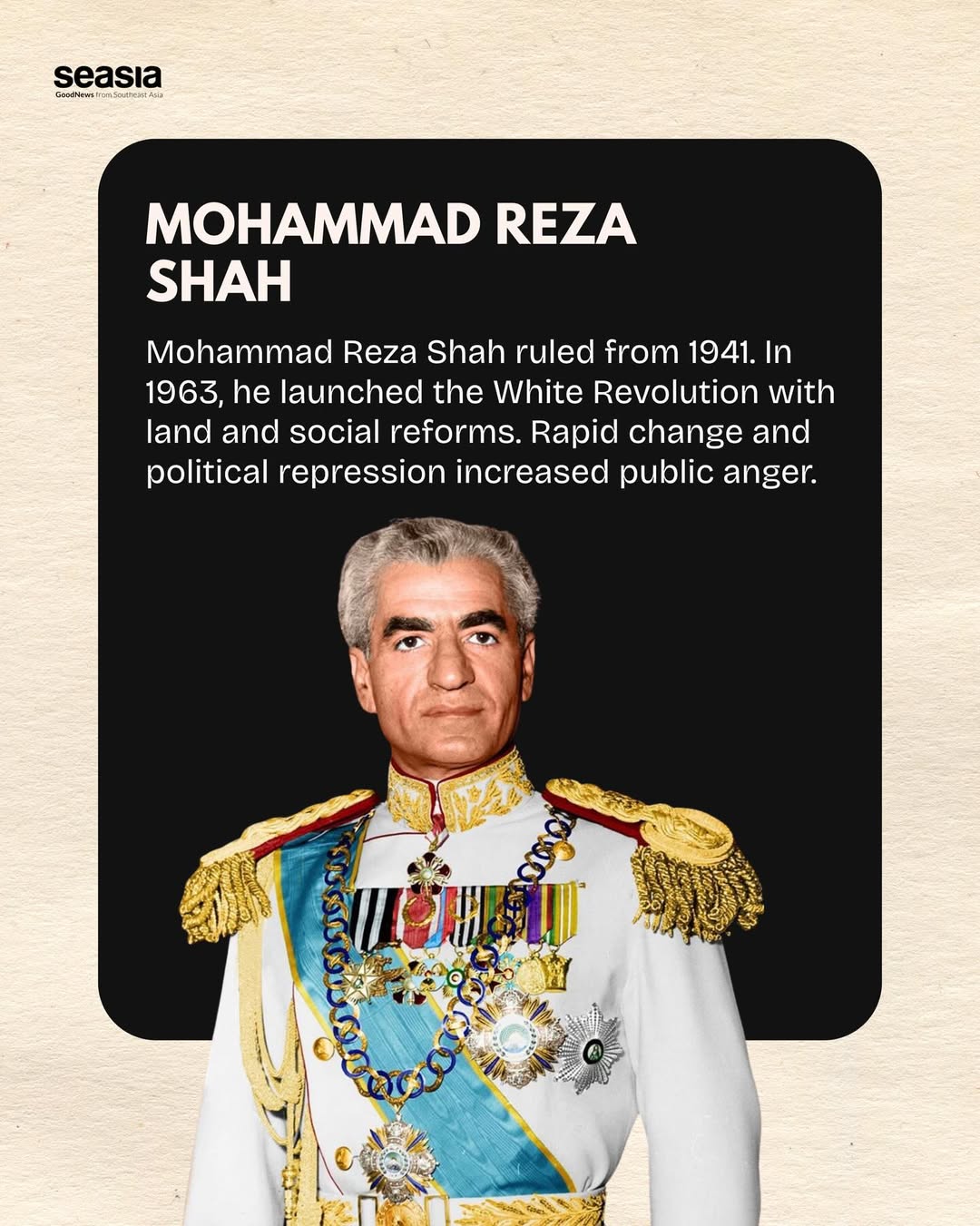
In 1501, the Safavid dynasty established Twelver Shiism as the official religion. This decision shaped Iran’s identity for centuries. The Qajar period brought foreign pressure from Russia and Britain. In 1925, Reza Shah Pahlavi took power and pushed modernization. His son, Mohammad Reza Shah, launched rapid reforms in the 1960s, funded by oil revenue, but political repression fueled growing opposition.
By 1978, mass protests spread across Iran. Demonstrations united religious leaders, students, workers, and merchants. The Shah left the country in January 1979. The monarchy collapsed, and the Islamic Republic was established. The revolution marked a turning point that continues to shape Iran’s politics and global role today.


The Land of Unexpected Treasures

Land of the Khmer

The Emerald of the Equator

The Land of a Million Elephant

Land of Indigenous Malay

The Land of the Golden Pagoda

Pearl of the Orient Seas

The Lion City

Southeast Asia Region

The Land of Smiles

A Nation of the 21st Century

The Land of Blue Dragon

Beyond Southeast Asia