

Brunei Darussalam
The Land of Unexpected Treasures
Search
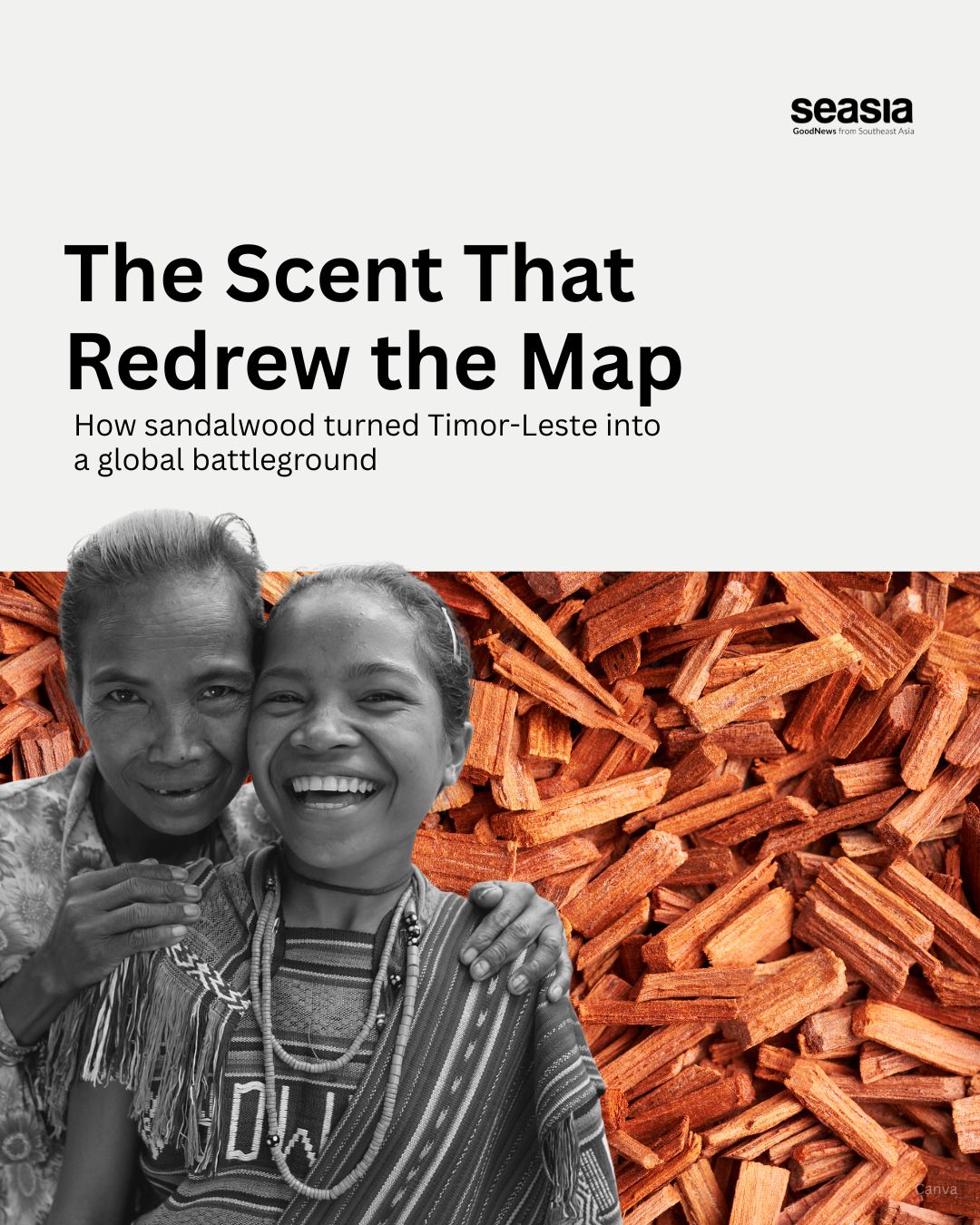
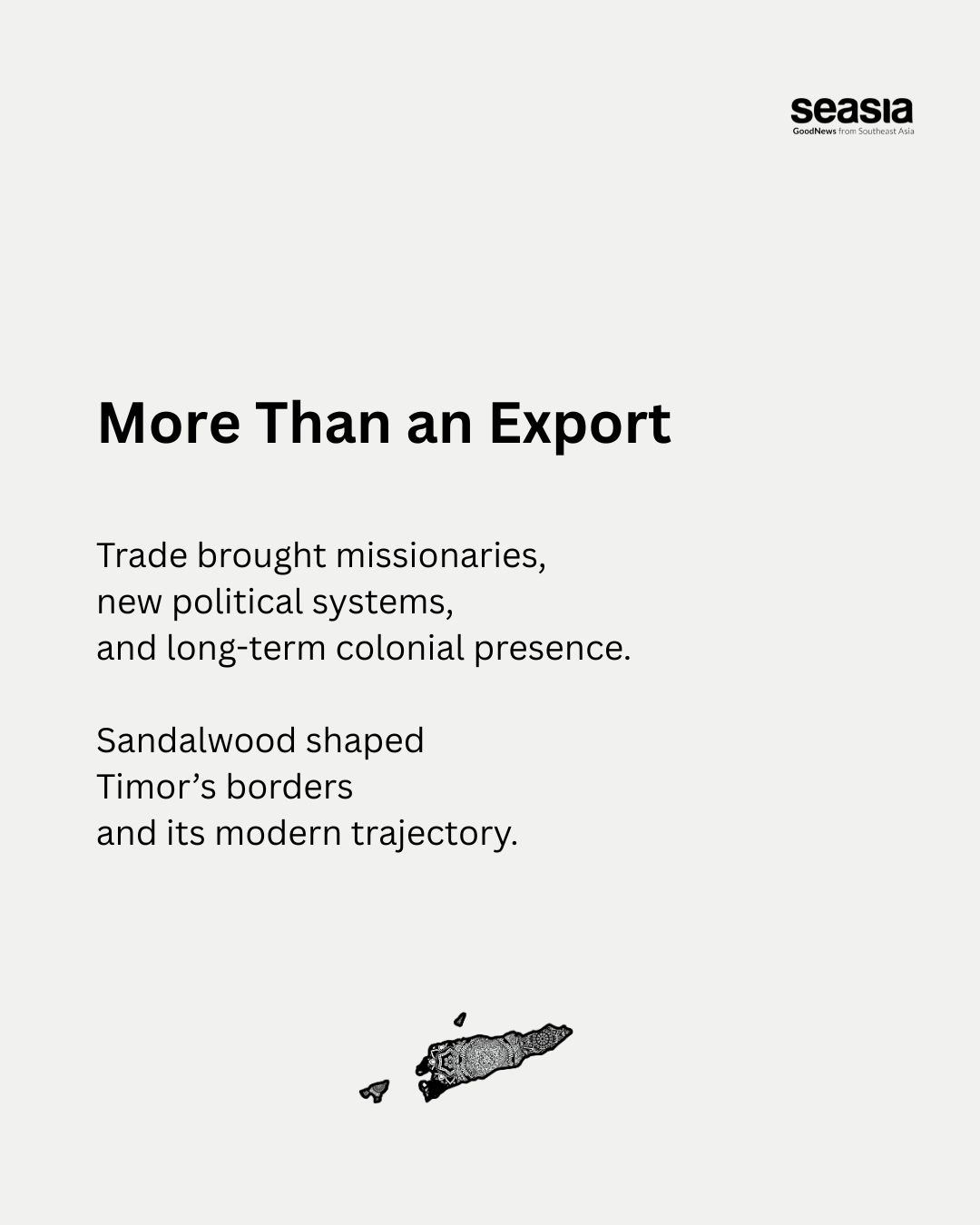
In the early 16th century, as European powers pushed eastward in search of wealth, Timor emerged as an unexpected prize. The island, in what is now Timor-Leste, was home to one of the world’s most valuable resources at the time: sandalwood.
Timorese sandalwood was prized across China and India for incense, medicine, and luxury goods. Asian merchants had traded it for centuries. When the Portuguese arrived in 1515, they connected the island directly to European markets, cutting out middle traders and driving profits sharply higher. The wood became known as “invisible gold.”
Its value made Timor strategically important, drawing rivalry from colonial powers, especially Portugal and later the Dutch. Yet sandalwood’s value was also its vulnerability. The tree grows slowly and is difficult to cultivate, making overharvesting a long-term ecological burden.
At the same time, the trade reshaped Timor’s political trajectory, anchoring centuries of foreign presence that would influence the island’s modern borders and identity.


The Land of Unexpected Treasures

Land of the Khmer

The Emerald of the Equator

The Land of a Million Elephant

Land of Indigenous Malay

The Land of the Golden Pagoda

Pearl of the Orient Seas

The Lion City

Southeast Asia Region

The Land of Smiles

A Nation of the 21st Century

The Land of Blue Dragon

Beyond Southeast Asia