

Brunei Darussalam
The Land of Unexpected Treasures
Search
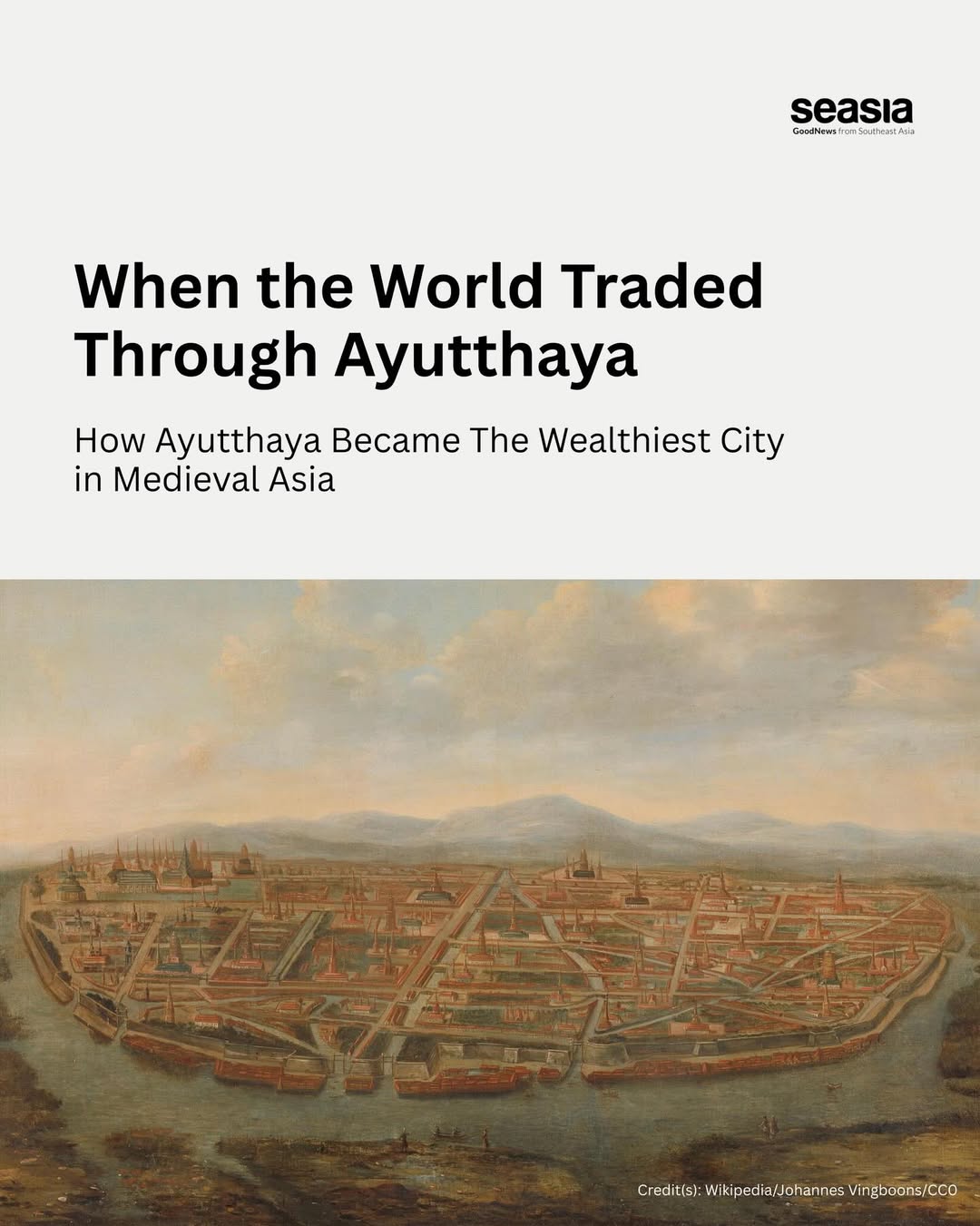
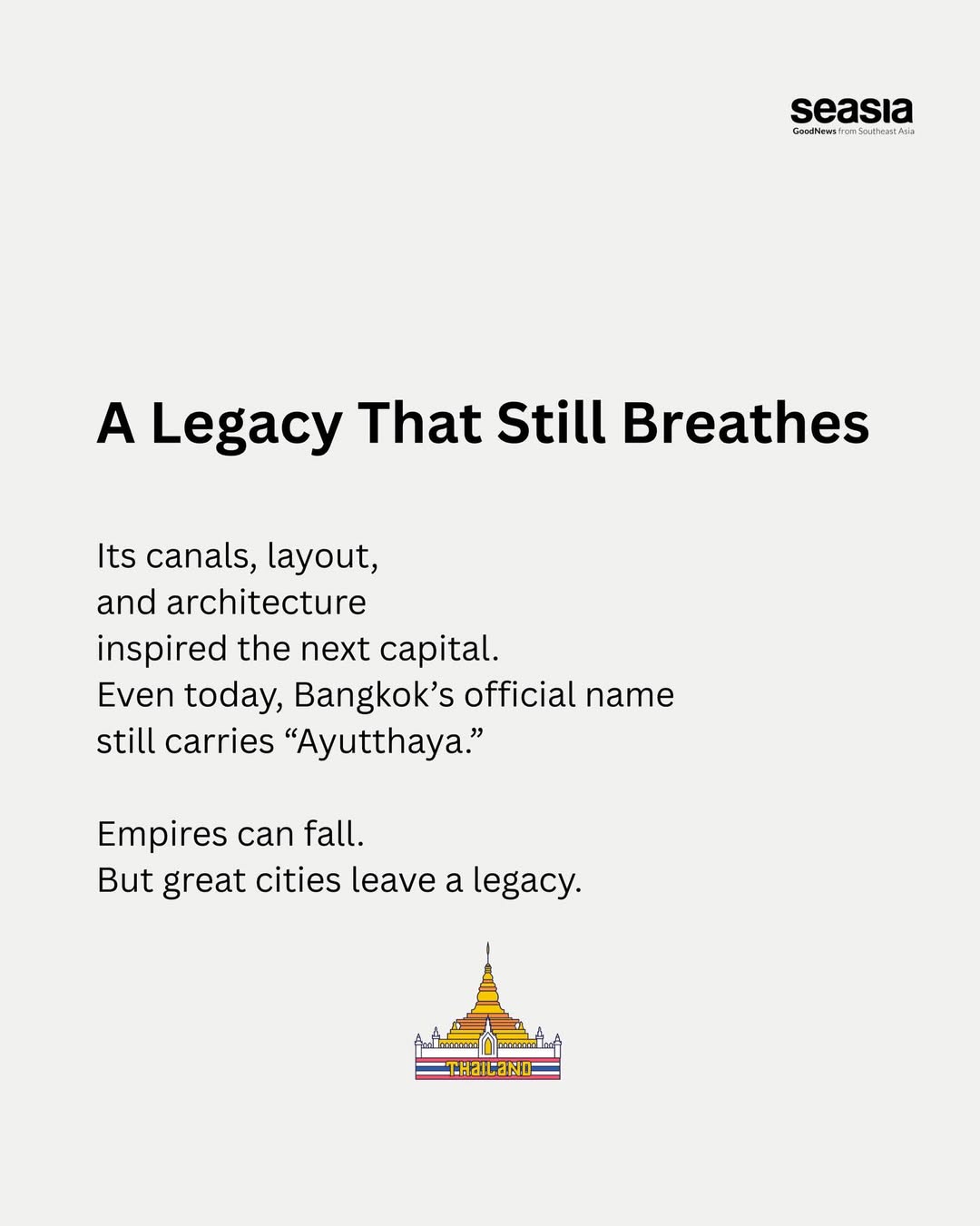
For more than four centuries, Ayutthaya grew into Asia’s richest city and one of its most strategically important. Founded in 1350 on an island surrounded by three rivers, it controlled a crucial maritime corridor linking the Indian Ocean and the South China Sea—placing it at the heart of regional trade.
Its prosperity was driven by deliberate policy. The Siamese court regulated key exports such as tin, ivory, and sappanwood, managed foreign trade through royal institutions, and developed a credit system that enabled large-scale commercial activity. This structure allowed both the crown and local merchants to accumulate wealth.
Ayutthaya was also remarkably cosmopolitan. By the 17th century, roughly a quarter of its population consisted of foreign communities—Chinese traders, Persian and Indian financiers, Japanese settlers, and Portuguese soldiers and craftsmen—each contributing to the city’s economic and cultural dynamism.
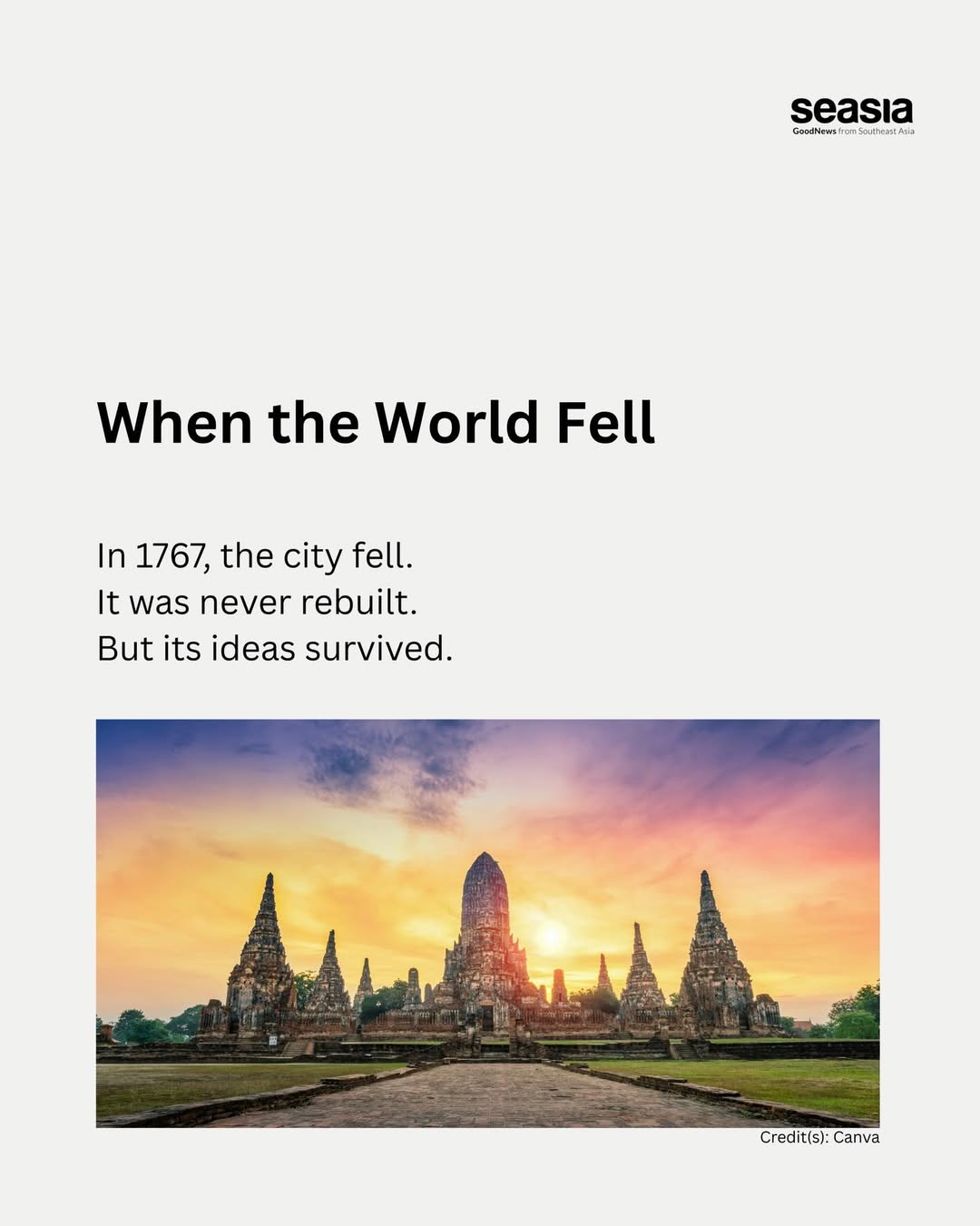
Although destroyed in 1767, Ayutthaya’s urban planning, commercial networks, and governing model influenced the foundation of Bangkok. Its physical structures fell, but its blueprint for a global city survived.


The Land of Unexpected Treasures

Land of the Khmer

The Emerald of the Equator

The Land of a Million Elephant

Land of Indigenous Malay

The Land of the Golden Pagoda

Pearl of the Orient Seas

The Lion City

Southeast Asia Region

The Land of Smiles

A Nation of the 21st Century

The Land of Blue Dragon

Beyond Southeast Asia