

Brunei Darussalam
The Land of Unexpected Treasures
Search
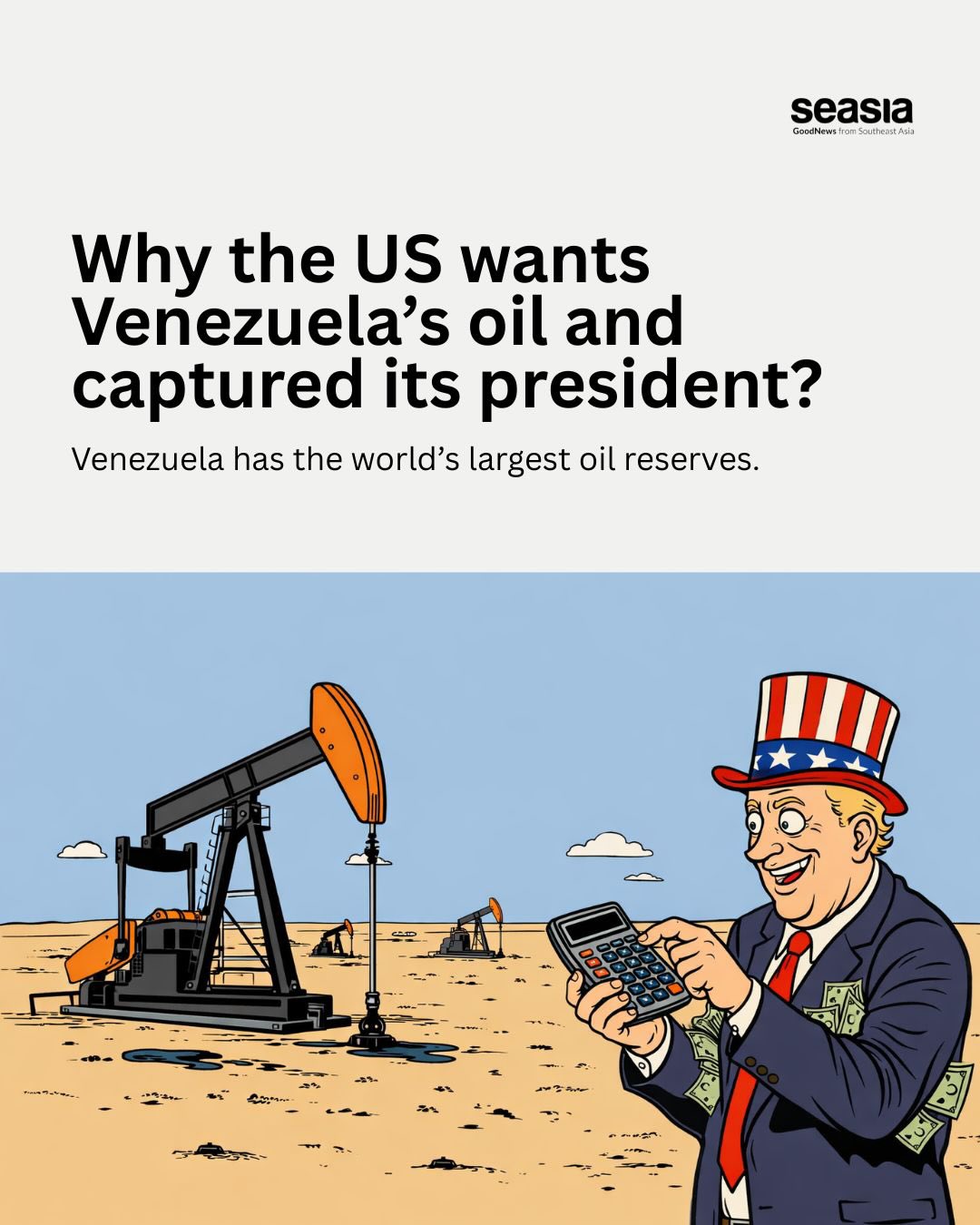
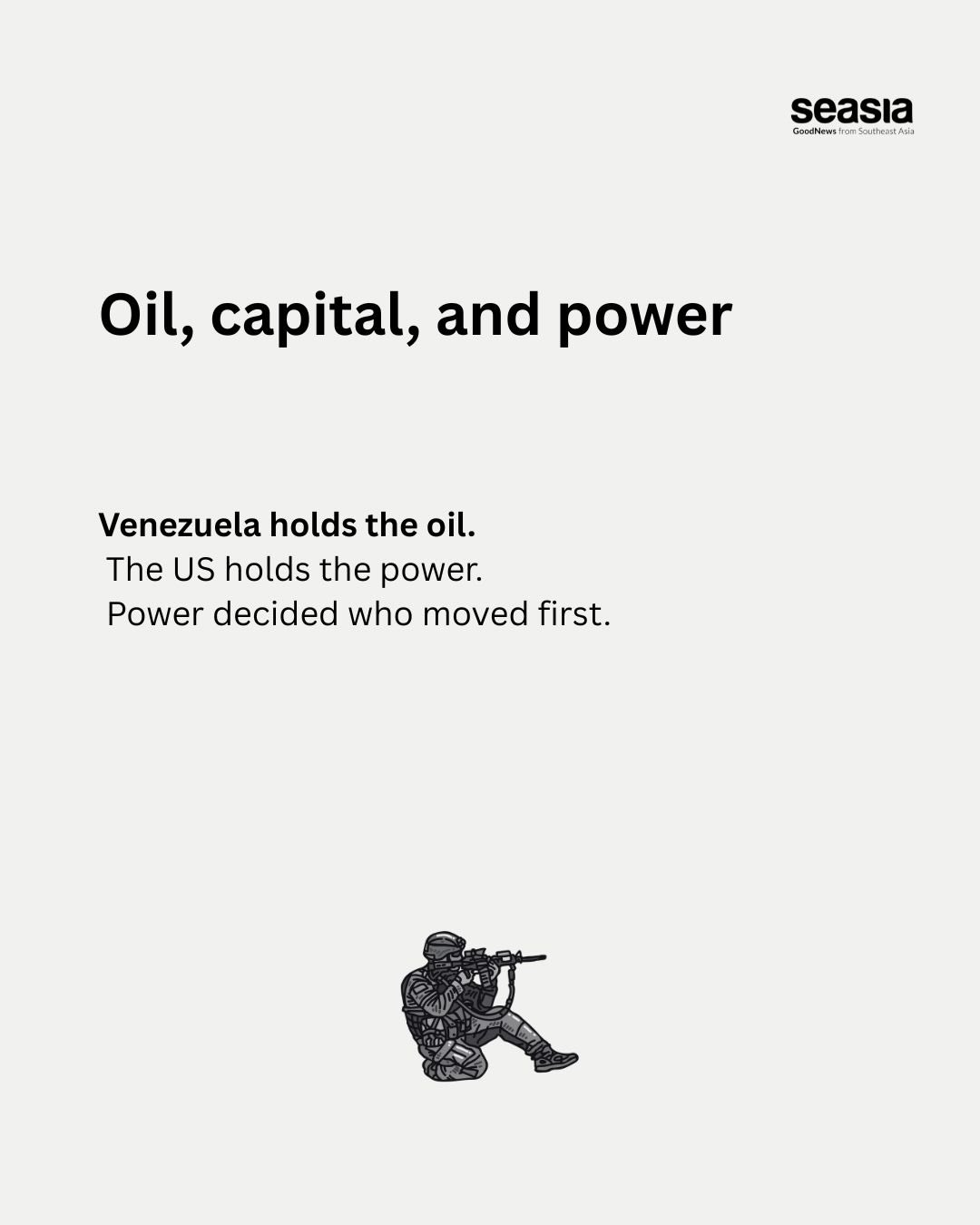
Venezuela sits on the largest oil reserves in the world, about 303 billion barrels, roughly 17 percent of the global total. The scale alone makes it strategically important. Much of this oil is heavy crude, which is harder and costlier to extract, but it fits well with US refinery systems, especially along the Gulf Coast.
Despite this wealth, Venezuela’s oil industry collapsed. Production once reached 3.5 million barrels per day, but exports have fallen below one million. Nationalization pushed foreign capital out, PDVSA lost technical capacity, and infrastructure deteriorated. Sanctions then deepened the decline. The oil remained underground, but the system that moved it broke down.
The capture of President Nicolás Maduro triggered a rapid political shift. US President Donald Trump said American oil companies were ready to enter Venezuela and invest billions of dollars. The plan is to repair damaged infrastructure and restart production. Chevron already operates in the country, while Exxon and Conoco are watching closely. Conoco alone is owed more than 10 billion dollars from past nationalizations.
For Washington, Venezuela’s oil is about more than supply. It is about energy security, refinery needs, and geopolitical leverage. Control over oil flows creates pressure and influence. Venezuela holds the oil, but the United States holds the capital. Power determined who moved first.


The Land of Unexpected Treasures

Land of the Khmer

The Emerald of the Equator

The Land of a Million Elephant

Land of Indigenous Malay

The Land of the Golden Pagoda

Pearl of the Orient Seas

The Lion City

Southeast Asia Region

The Land of Smiles

A Nation of the 21st Century

The Land of Blue Dragon

Beyond Southeast Asia